







































Key takeaways
Peptide delivery influences how much stays intact. The route and formulation determine how a compound enters the body, what it encounters (like gastric acid and enzymes), and how much survives digestion.
Because peptides are amino-acid chains, the body is designed to break them down, which makes delivery design especially important.
Oral, sublingual, and injectable formats are different, not automatically better or worse. Each route has tradeoffs in convenience, safety considerations, and overall user experience.
Formulation carries as much weight as the ingredient itself. Capsule type, supporting ingredients, and manufacturing quality can influence stability and consistency.
Responsible brands avoid inflated promises. Look for clear labeling, realistic research framing, and consumer-safe supplement positioning, not bold marketing claims.
"Peptides" get talked about like they're magic, and "delivery" gets treated like a footnote.
In reality, delivery is the whole game. A compound can sound promising on paper, but the format it comes in (and how that format interacts with your body) often determines how much of it stays intact long enough to count.
This guide breaks down BPC-157 peptide delivery in a clear, no-nonsense way:
What "delivery" really means
Why peptides are uniquely sensitive to it
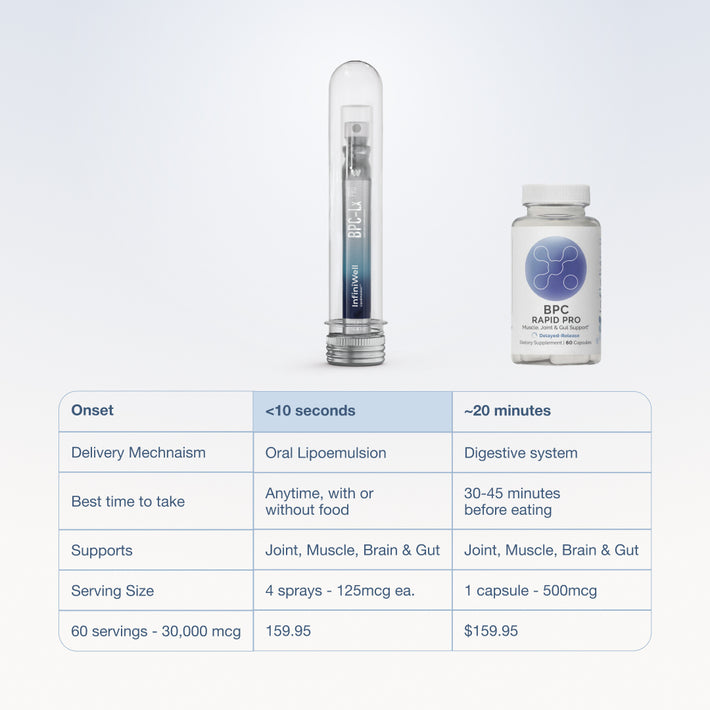
How common formats (oral, sublingual, and injectable) differ
What does “peptide delivery” actually mean?
A peptide is a short chain of amino acids, the same building blocks found in dietary protein. Some peptides are tiny, while others are longer and more complex.
In supplement and health conversations, delivery refers to how a compound gets into your body and does its job:
How you take it: Swallowed, dissolved in the mouth, or introduced by other means
How it holds up: Whether it survives your stomach environment intact
How much is absorbed: The amount that actually makes it into your system and gets put to work
That last point has a name: bioavailability, which means how much of something your body can actually use after you take it. In practical terms, two products can list the exact same ingredient, but if they're formulated differently, your body may respond to them very differently.
So “peptide delivery” isn't just a buzzword. It's really asking one simple question: How is this designed to survive the journey inside your body?
Why delivery is essential for peptides
Peptides are made of amino acids, and your digestive system is extremely good at breaking amino-acid chains apart.
A few factors worth understanding:
Your stomach environment is harsh: It uses acid and enzymes designed to dismantle what you eat.
Enzymes keep working downstream: Once food moves into your small intestine, enzymes continue breaking longer chains apart.
Structure matters: A peptide's shape and chemical bonds can make it more or less vulnerable to enzyme-driven breakdown.
Because of that, delivery is more important for peptides than for many basic nutrients. If a peptide is broken into individual amino acids too quickly, it may no longer behave like the specific peptide described.
Common BPC-157 peptide delivery formats
When people talk about “BPC-157 peptide delivery,” they're usually comparing formats—essentially, the different routes by which the compound enters the body. The route determines what the peptide encounters before it breaks down, and that affects how much of it survives intact.
No single format is inherently best. Each involves tradeoffs.
Oral capsules
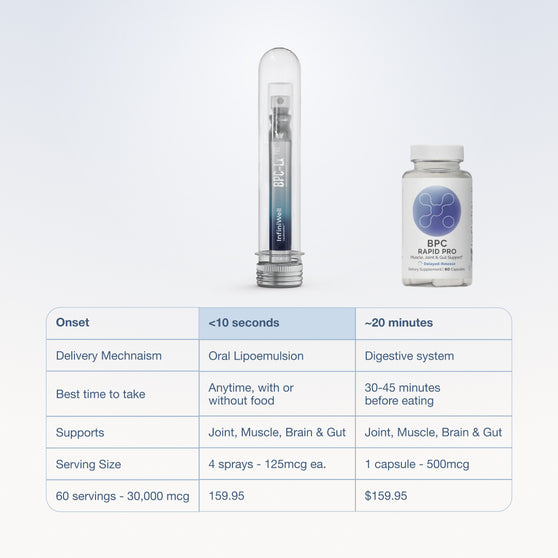
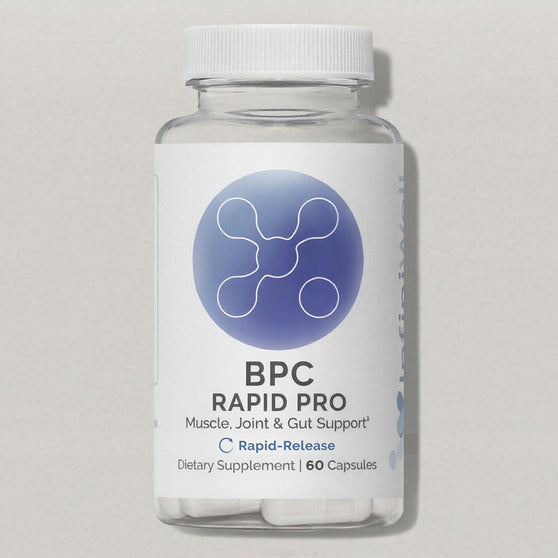
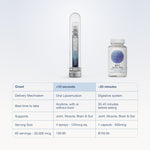
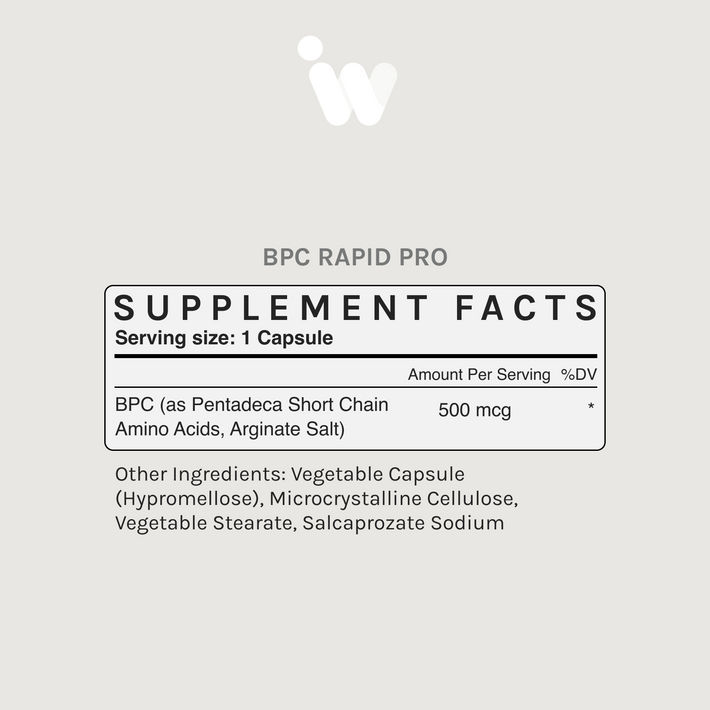
The most familiar option. Capsules travel through the digestive tract, which isn't a friendly environment for peptides, so formulation is key. Protective coatings, ingredient pairing, and manufacturing choices all play a role in stability.
From a consumer standpoint, capsules are convenient, accessible, and easy to build into a daily routine.
Sublingual formats
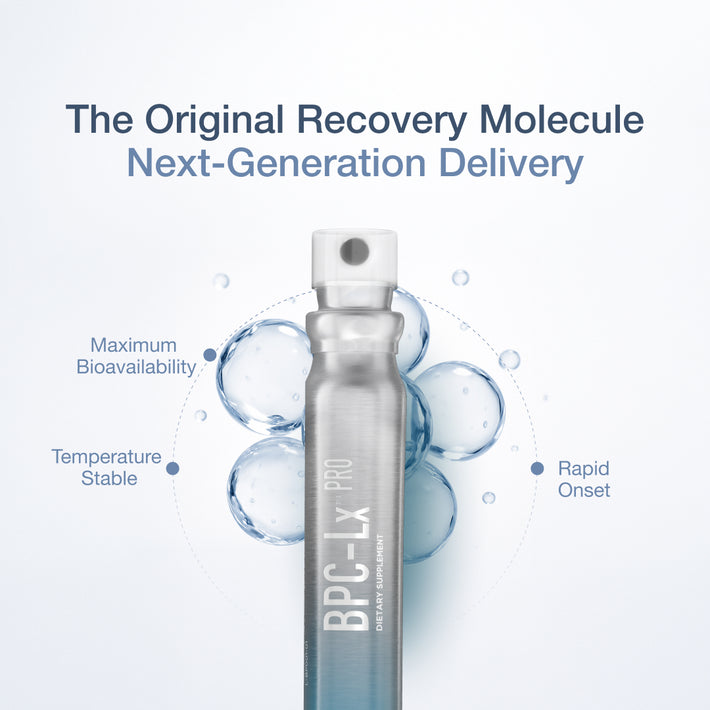
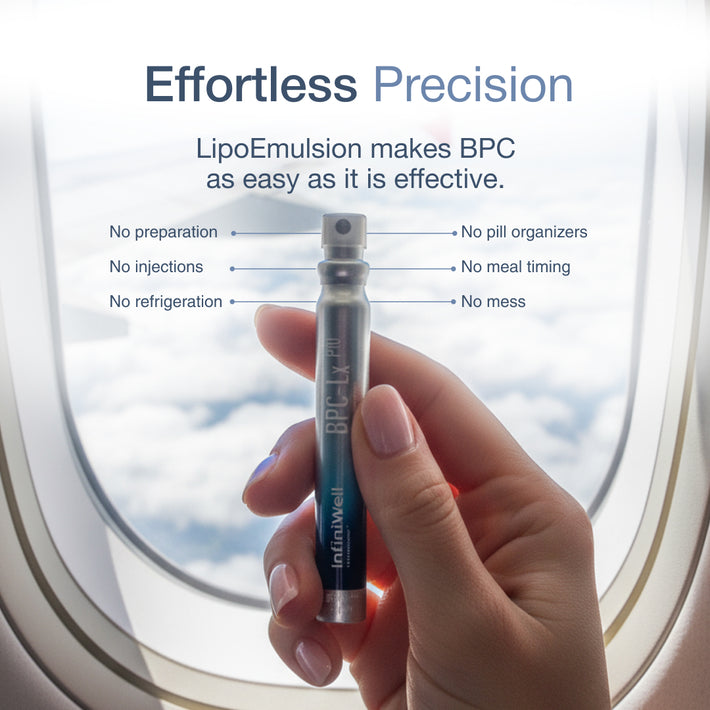
Typically liquids or dissolvable forms used under the tongue, where some absorption may occur before the rest is swallowed. Compared to a capsule, sublingual delivery may change how and when the peptide enters your system, but the overall impact depends on the product. It also doesn't bypass breakdown entirely.
Injectables
Injectables bypass digestion completely, but that route comes with meaningful safety and handling considerations, including sterility and proper administration.
Most injectable peptide products are also not classified as dietary supplements. Skipping digestion changes how the compound enters the body, but it does not automatically translate into better outcomes.
For most people looking for a straightforward supplement option, non-injectable formats are the more practical choice.
Can peptides survive digestion?
Skepticism is understandable—if the body is built to break down protein, why wouldn't it do the same to peptides? The honest answer? It depends on the peptide, the delivery format, and the formulation.
A few things worth knowing:
Digestion is variable: Gastric acid levels, food timing, and individual differences all affect how quickly things break down.
Formulation can influence stability: Protective strategies may help a compound hold up longer, but the degree varies widely between products.
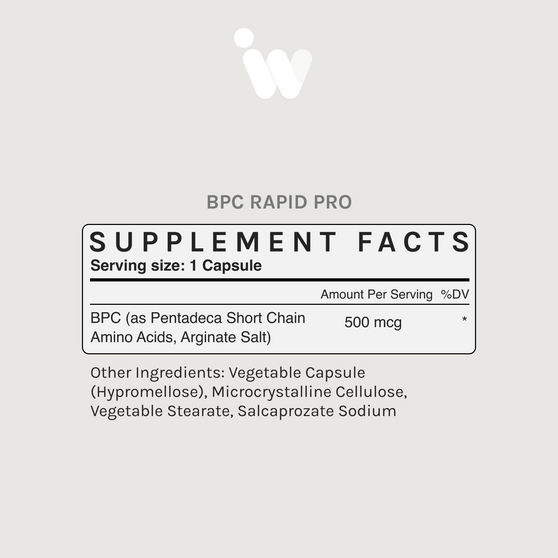
“Oral” doesn't mean “identical:” Two capsules listing the same ingredient can behave differently depending on capsule type, excipients, and manufacturing quality.
This is why transparency is particularly important. A trustworthy brand explains what its delivery system is designed to do and uses realistic language that reflects the limits of current research.
Why naming and labeling clarity are critical
Peptides have a naming problem. Sometimes it's genuine confusion. Different naming conventions exist across research and commercial contexts. Sometimes it's marketing, with brands leaning on scientific-sounding terms that aren't well-explained.
For consumers, unclear naming creates two risks:
You can't easily compare products.
You may misunderstand what category a product actually belongs to, whether a dietary supplement, research-use item, or other delivery format.
That's why brands that prioritize clarity are worth your attention.
Choosing a delivery format that fits your lifestyle
When evaluating BPC-157 delivery options, “best” usually means the format you'll stick with, not necessarily the most advanced one on the market.
Here are a few questions to ask yourself:
Convenience: Will you realistically take it as part of your daily routine?
Comfort level: Are you only comfortable with standard supplement formats like capsules? That's a completely reasonable place to start.
Simplicity: Do you want a straightforward label and suggested use, or are you willing to manage a more complex routine?
Format preference: Many people prefer to avoid injectables entirely. For general wellness support, that preference makes sense.
Whatever you choose, keep your expectations aligned with reality. Dietary supplements are not shortcuts. They work best as part of a broader wellness foundation that includes sleep, nutrition, movement, and stress management.
Making sense of peptide delivery formats
The delivery format (oral, sublingual, or injectable) determines whether a peptide faces the full digestive environment, part of it, or none of it. That's why it's worth understanding before you buy.
No format guarantees outcomes. The brands worth trusting are the ones that say so clearly and back it up with transparent labeling, realistic language about research, and straightforward suggested use.
At InfiniWell, that's the standard we hold ourselves to: oral supplement formats, thoughtful formulation, and clear terminology.
Ready to explore? Browse InfiniWell's oral BPC options.
What to read next:
BPC-157 peptide delivery: FAQs
You May Also Like
View All Articles

Did the FDA Just Change the Rules on Peptides? What the July 2026 Vote...
A July 2026 FDA advisory committee vote put peptides back in the spotlight. We break down what was recommended, how the 503A compounding process works, and what consumers should know.

The Longevity Probiotic: Unraveling the Benefits of Akkermansia
Why are researchers calling it the "longevity probiotic?" Learn about the science behind the benefits of Akkermansia.