





































Key takeaways
-
PTD-DBM is one of the more interesting peptides in current scalp and hair wellness research. Early findings come from preclinical studies, including animal models, and they've put PTD-DBM on the map as a compound worth watching.
-
Researchers are studying PTD-DBM for its possible role in signaling pathways tied to hair follicles, with particular interest in the Wnt/β-catenin pathway, a key part of the hair growth cycle.
-
Larger human trials are still ahead, but the early science is what's drawing interest from researchers and topical formula developers alike.
-
PTD-DBM fits best as part of a broader hair wellness approach. Pairing a topical peptide with consistent scalp care and daily habits gives any single ingredient a stronger foundation to work from.
-
Individual response varies, and the right routine looks different for everyone. Consistency, patience, and a thoughtful approach tend to complement what topical peptides like PTD-DBM are being studied to support.
Peptides have been getting attention in scalp and hair wellness research, and one name that keeps surfacing is PTD-DBM. It's an emerging compound, still mostly explored in preclinical studies, so it isn't a miracle ingredient or a guaranteed answer for hair thinning.
What's drawing attention is the mechanism. PTD-DBM was designed to interact with the Wnt/β-catenin pathway, a key signaling system in the hair growth cycle, which is why it’s being explored in topical scalp formulas.
Below, we'll cover what's known about the PTD-DBM peptide for hair growth, what isn't, and how it fits alongside other peptides.
What is PTD-DBM?
PTD-DBM is a research compound built from two pieces:
-
The first is a "PTD," or protein transduction domain. Protein transduction domains are short amino acid sequences researchers use to help larger molecules cross into cells.
-
The second component, “DBM” or Dvl-Binding Motif, is described in research as binding to Dishevelled (Dvl), a protein in the Wnt/β-catenin pathway, which has been studied in connection to hair follicle activity and the hair growth cycle.
So PTD-DBM is essentially a delivery domain attached to a fragment designed to interact with the Wnt/β-catenin pathway. It's a targeted peptide that's already showing up in scalp and hair wellness formulas, often paired with complementary ingredients like methyl vanillate.
PTD-DBM peptide and hair growth: What current research suggests
PTD-DBM has its roots in academic research, with one of the most-cited bodies of work coming from a research team led by Professor Choi at a university in South Korea. The published studies so far are preclinical, including animal models and cell cultures, and they form the foundation for the current conversation around topical scalp and hair wellness peptides.
A big part of that work focuses on dermal papilla cells, the cell population at the base of each hair follicle that plays a central role in the hair growth cycle. Researchers are studying whether PTD-DBM can influence the signaling that keeps those cells active.
When research talks about "hair growth," it usually means specific markers like hair follicle activity, hair cycle stages, or the appearance of fuller-looking hair over time. Those markers are different from the dramatic, overnight changes people sometimes hope for, and that distinction is worth keeping in mind when you're reading about a peptide like PTD-DBM.
What early research on the PTD-DBM peptide for hair growth suggests:
-
PTD-DBM has been investigated for its role in signaling pathways tied to hair follicle activity
-
Topical applications in animal models have given researchers a window into how the peptide behaves on the scalp
-
Researchers have paired PTD-DBM with complementary ingredients like methyl vanillate to study how the combination performs
A few things to keep in mind as the science develops:
-
Today's evidence is mainly preclinical, with larger human trials still to come
-
Early findings point in a direction, and they aren't a guarantee for any individual outcome
-
PTD-DBM is best thought of as a research-driven peptide whose story is still unfolding
What puts PTD-DBM on the radar isn’t one dramatic result—it’s where the research is going and the questions it’s beginning to answer.
How PTD-DBM compares to other peptides for hair wellness
PTD-DBM isn't the only peptide being talked about in scalp and hair wellness. A few others come up regularly.
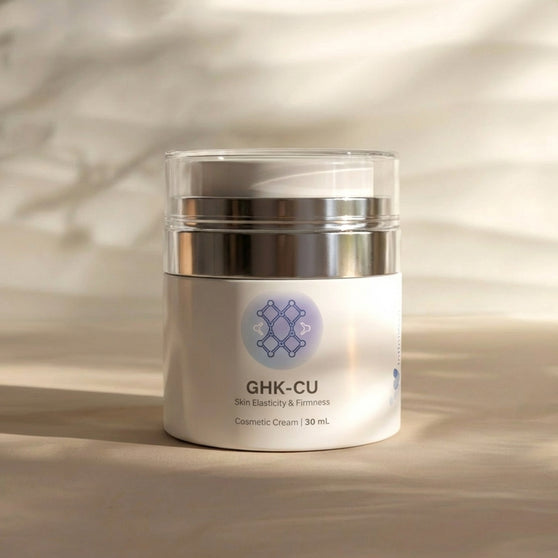
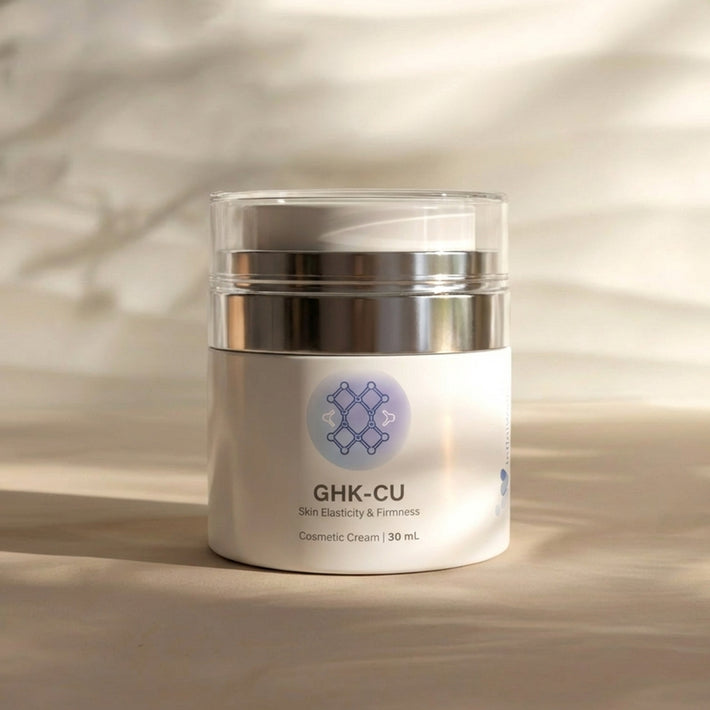
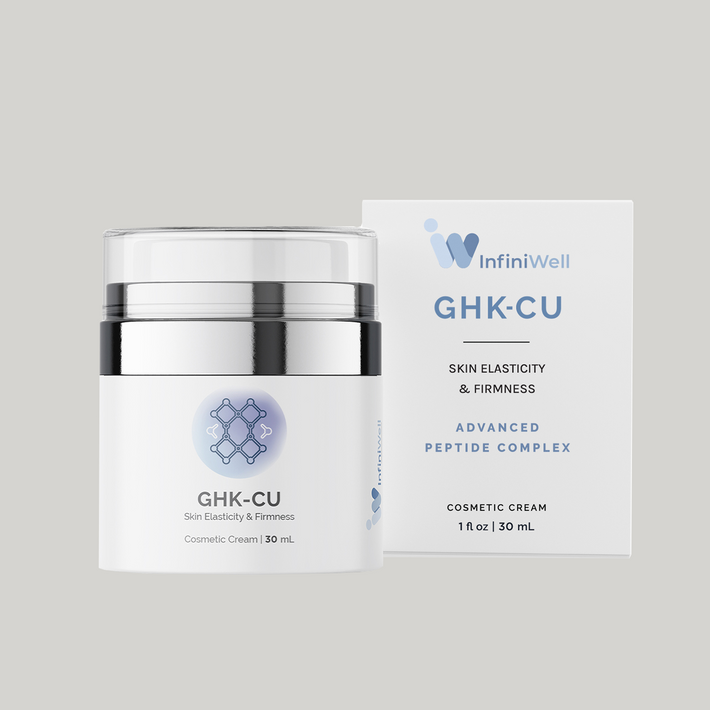
GHK-Cu (copper peptide)
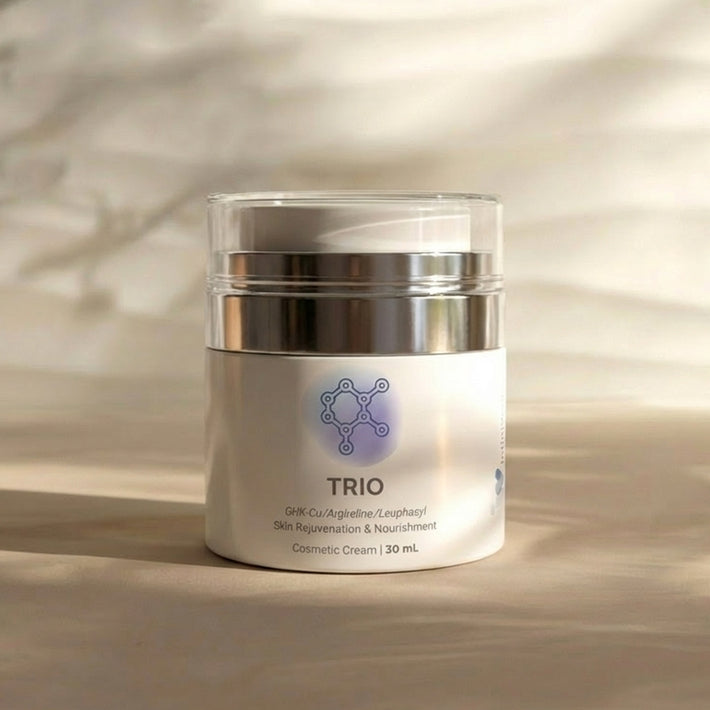
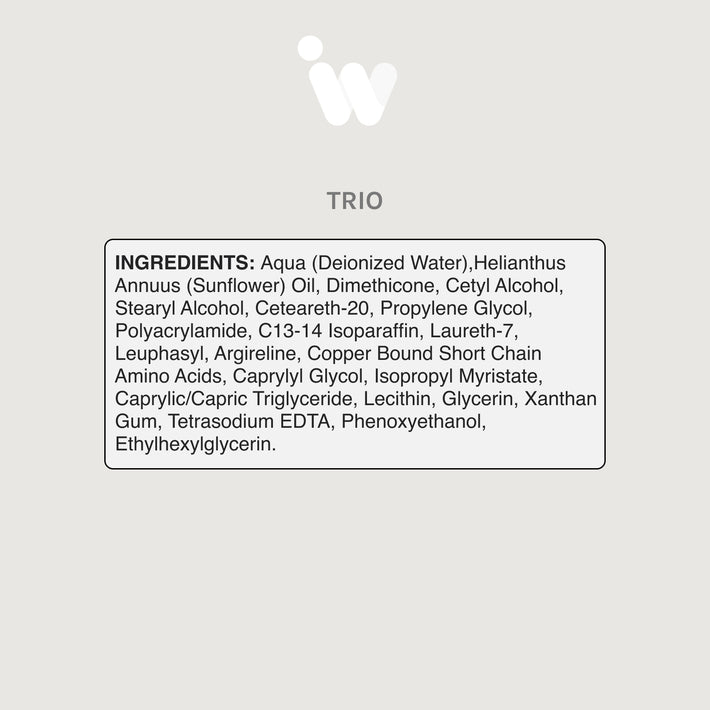
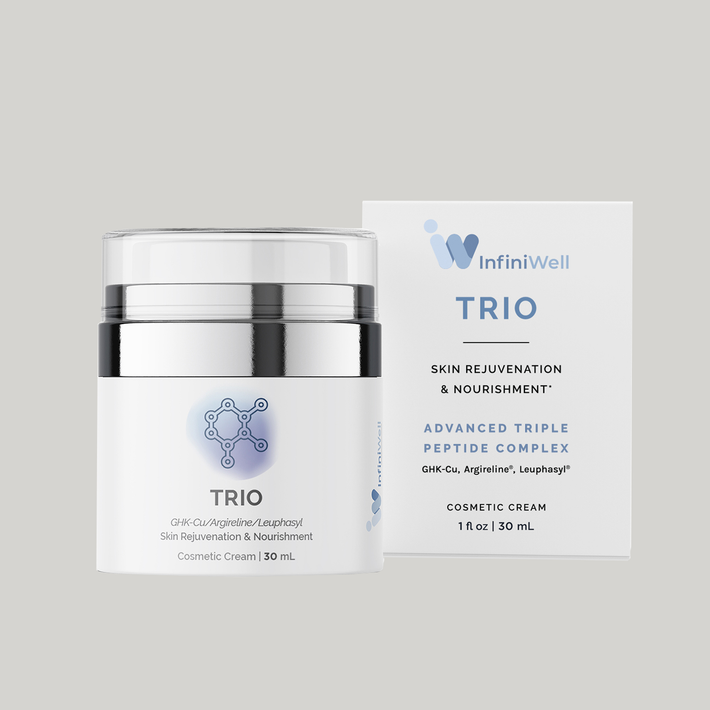
GHK-Cu is a copper peptide first identified in the human body and now synthesized for use in topical products. It's most often studied for skin appearance and also shows up in some scalp formulations.
You can read more in our overview of GHK-Cu and the science behind skin aging.
Zinc thymulin
Zinc thymulin is associated with immune signaling and sometimes shows up in topical products focused on the scalp. It works through a different angle from PTD-DBM, so it isn't a direct alternative.
For a closer look, see our guide on zinc thymulin and scalp wellness.
PTD-DBM with methyl vanillate
The combination of PTD-DBM and methyl vanillate is the pairing researchers have studied most closely, with early work focused on how the two ingredients perform together on the scalp.
|
Ingredient |
What it is |
How it's being studied |
Typical use context |
Key distinction |
|
GHK-Cu (copper peptide) |
Copper peptide first identified in the human body and now synthesized for topical use |
Primarily studied for skin appearance |
Cosmetic and topical formulations, including some scalp products |
Longer research history, broader use in skin-focused products |
|
Zinc thymulin |
Peptide-mineral complex linked to immune signaling |
Early-stage research around cellular signaling pathways |
Sometimes included in topical scalp products |
Different mechanism; not a direct alternative to PTD-DBM |
|
PTD-DBM + methyl vanillate |
Peptide combined with a supporting compound |
Early research exploring how the pairing interacts with scalp biology |
Experimental topical formulations |
Studied as a combination, not as standalone ingredients |
InfiniWell's hair and scalp serum collection features these peptides, including the PTD-DBM and methyl vanillate serum and the DUO hair serum with GHK-Cu and zinc thymulin.
Where PTD-DBM fits in a broader hair wellness approach
PTD-DBM is one piece of a thoughtful scalp and hair wellness routine, and it works best when paired with the basics that support it.
-
Scalp care is important: The scalp environment affects how follicles behave over time.
-
Consistency is key: Topical products are usually discussed in long-term, regular-use terms.
-
Daily habits play a role: Nutritional support, sleep, and stress all show up in conversations about hair density and hair thinning.
PTD-DBM adds a more targeted layer to that foundation.
If you're noticing sudden changes in hair density, a conversation with a qualified healthcare provider is the right next step.
Want to see how InfiniWell approaches hair and scalp wellness? Browse our hair and scalp serums.
What to read next:
PTD-DBM: FAQs
-
SOURCES
You May Also Like
View All Articles


BPC-157 for Tissue Resilience and Beyond: Real Stories from Athletes a...
BPC-157 continues to gain attention among wellness enthusiasts. Discover what people find appealing about this peptide and how it fits into a balanced wellness routine.