










































































Key takeaways
- Peptides are short chains of amino acids that act as signaling molecules. They tell your cells to carry out specific jobs, like producing collagen or supporting normal tissue function.
- No single peptide does everything. The best peptides for skin differ from the ones used for hair, exercise support, gut wellness, or healthy aging.
- For skin, collagen and copper peptides (GHK-Cu) are the popular picks. For hair, PTD-DBM is the one being studied, while BPC-157 is the peptide most discussed for active lifestyles and gut wellness.
- Most peptide research is still early-stage. Many findings come from animal or small human studies, so benefits aren't guaranteed and it's smart to keep expectations realistic.
- If you're new, check with a qualified healthcare professional first, then start with just one well-researched peptide, follow the serving listed on the label, and use it consistently.
Sarah stands in front of her bathroom mirror, noticing new fine lines that seemed to appear overnight. Across town, Mike is looking for ways to feel less stiff after tough training sessions. And Tom keeps wondering why his muscle gains have stalled despite his hard work.
Different goals, same question: could peptides help?
These tiny chains of amino acids have become one of the most talked-about tools in skincare, fitness and wellness, and everyday health, though plenty of hype and misinformation comes with them.
This guide breaks down what peptides truly are, how they work, and how to start safely, so you can decide what fits your goals.
What is a peptide?
At their core, peptides are short chains of amino acids, the same building blocks that make up proteins. Think of amino acids as individual LEGO blocks and peptides as small pieces built from just a few of them. Proteins are the large structures made of many amino acids, while peptides are smaller and more focused.
Your body produces peptides naturally, and they act as biological messengers, signaling cells to carry out specific jobs, from supporting normal muscle function to maintaining skin health. That precision is what makes them interesting for wellness.
Unlike many supplements that work across the whole body, peptides may act on specific functions, which is what makes them promising for targeted wellness.
Types of peptides and their benefits
Not all peptides do the same thing. The ones used in wellness are usually “bioactive,” meaning they produce a specific effect when they interact with your cells, whether that's supporting skin, immune function, or metabolism.
Since each peptide tends to do a different job, the simplest way to make sense of them is by goal. Here are the most popular types, grouped by what people actually use them for.
Peptides for skin wellness
Collagen peptides are the beauty world's go-to, and the research backs up the interest. They signal your body to produce more collagen, the protein that keeps skin firm and elastic. A 2024 systematic review and meta-analysis found oral collagen peptides were associated with better skin hydration and elasticity.
Taken as a daily supplement, collagen peptides are linked to smoother texture, more hydration, and the look of fewer fine lines—skin that feels and looks more resilient. For most beginners, they're one of the best peptides for skin to start with.
Copper peptides (GHK-Cu) for skin firmness
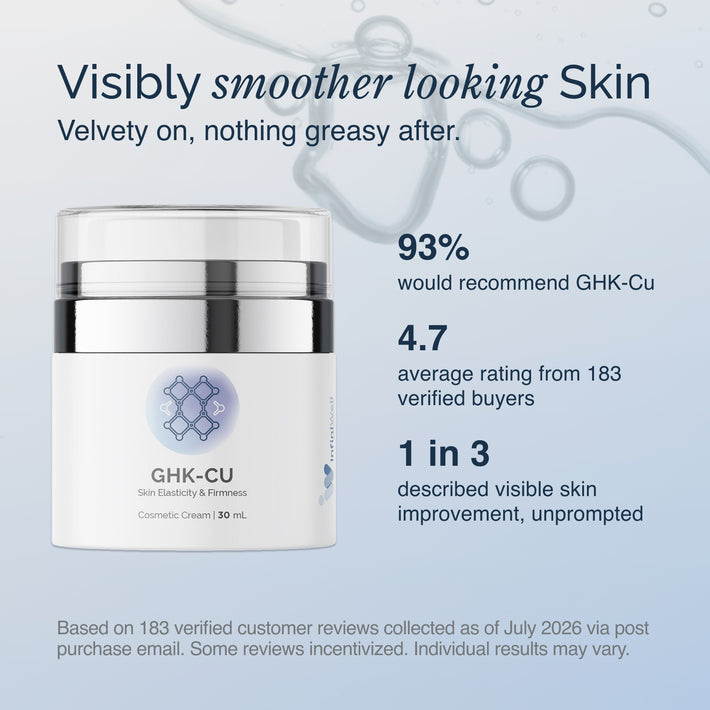
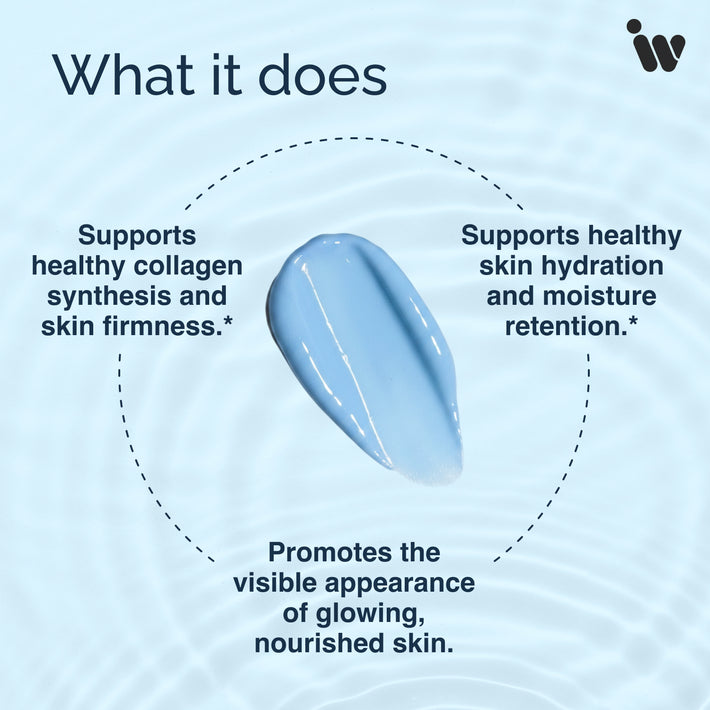
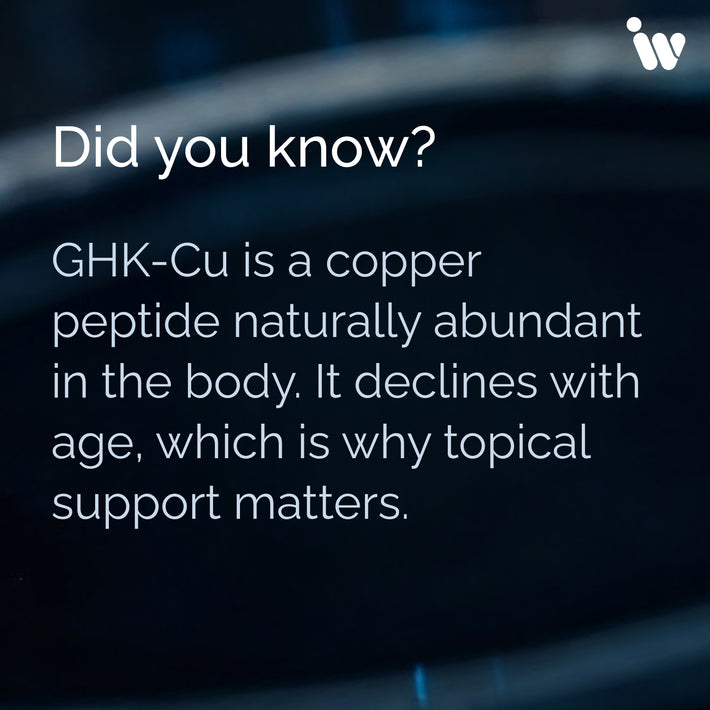
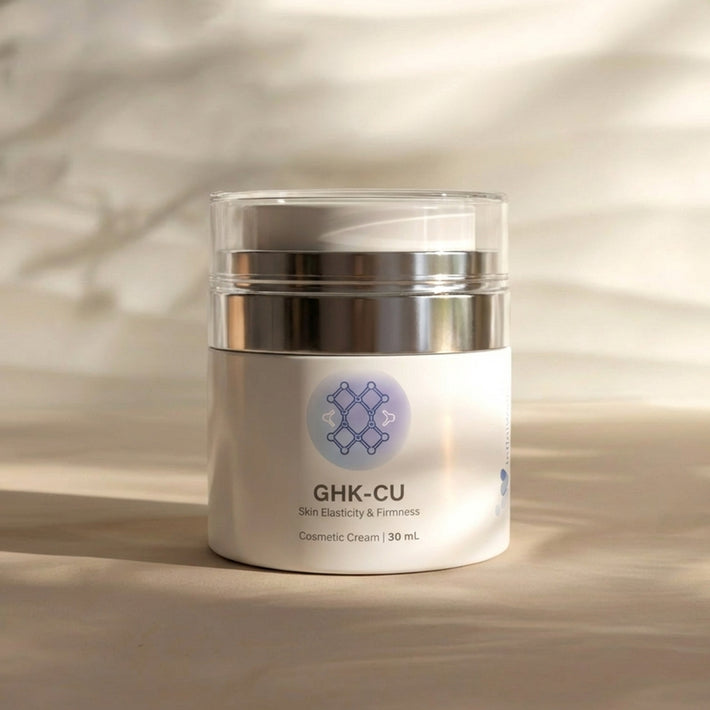
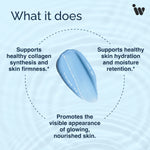
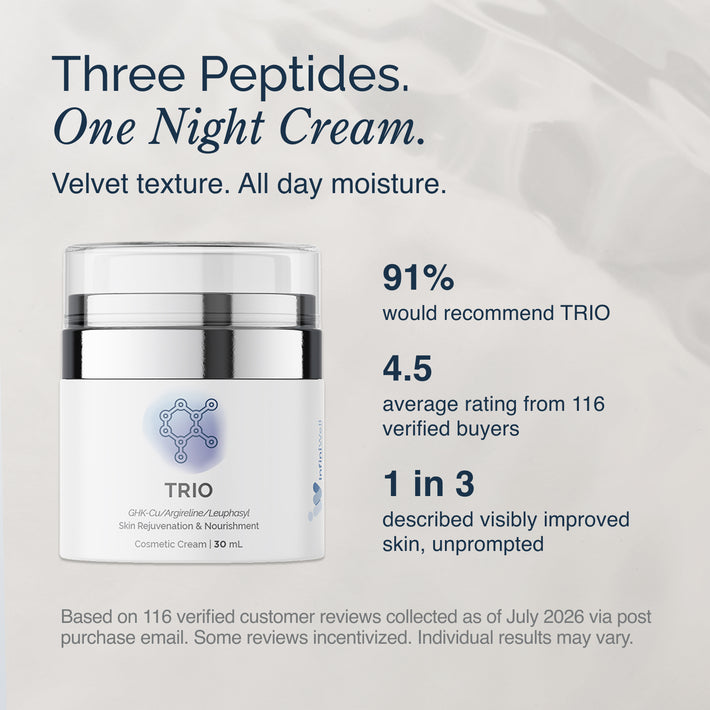
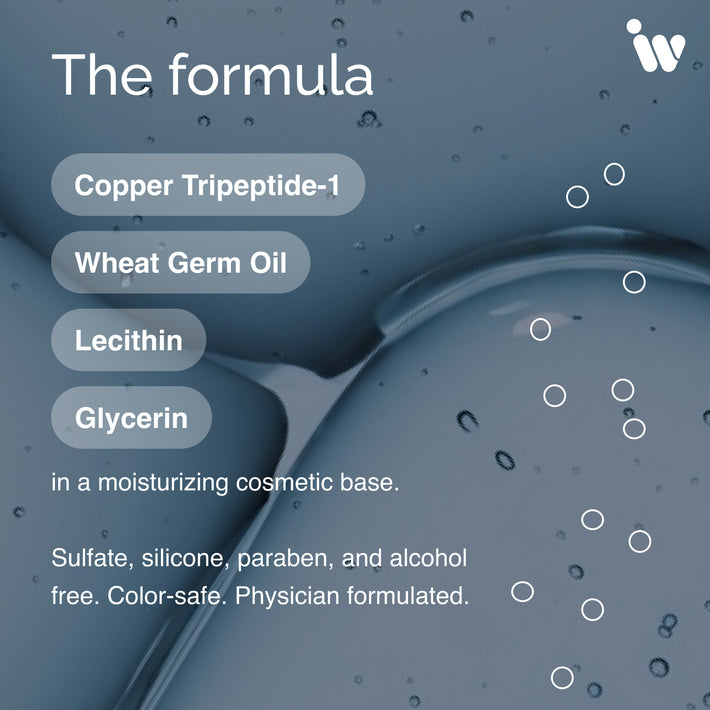
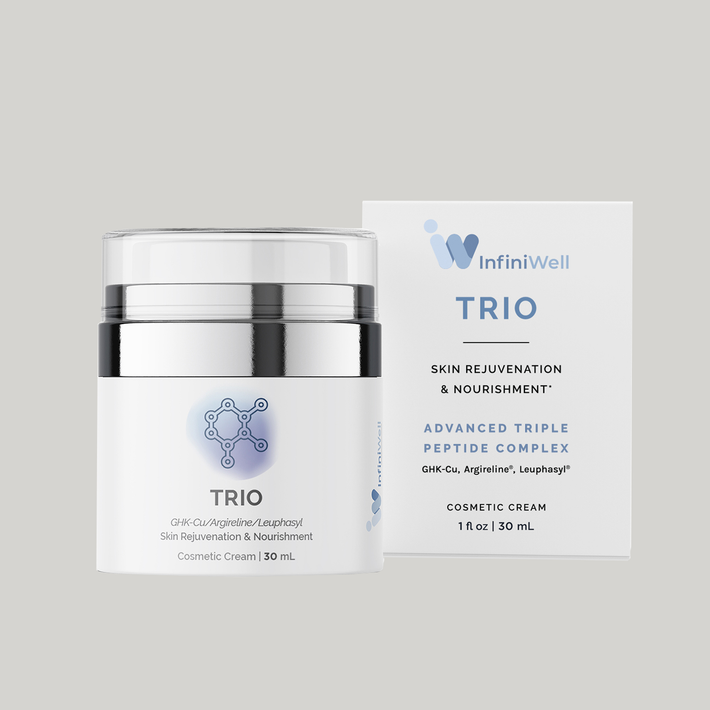
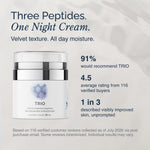
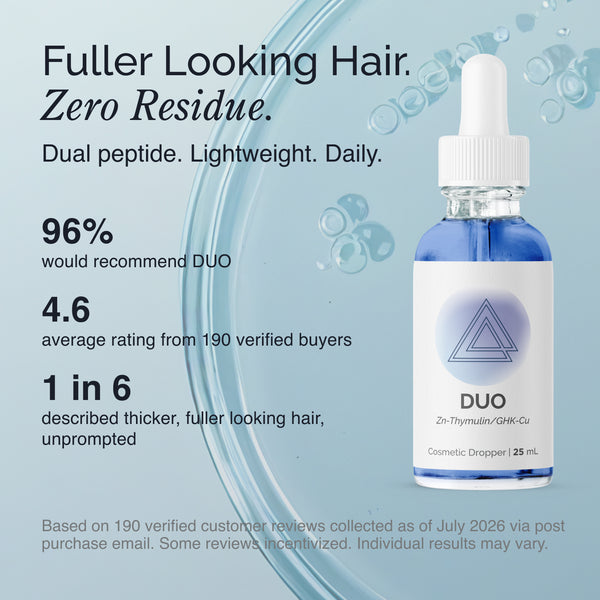
GHK-Cu is a copper-binding peptide studied for its role in the skin's natural structure. Early research suggests it may support collagen, elastin, and firmness, which is why it often comes up among the best peptides for skin tightening.
If firmer-looking skin is your goal, InfiniWell's DUO Cosmetic pairs GHK-Cu with zinc and thymulin to support skin wellness.
Related reading:
Peptides for hair wellness
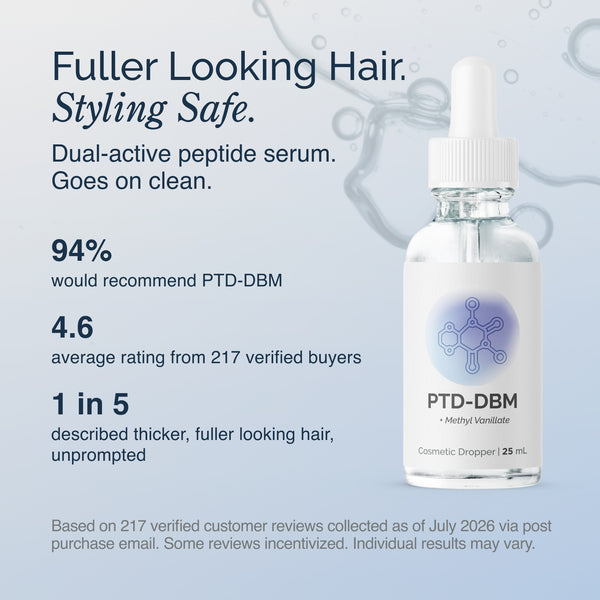
PTD-DBM is a peptide that's drawn attention in hair and scalp care, where it's used to support the look and condition of existing hair.
In early studies, largely in animal models, it's been examined for its effect on the Wnt/β-catenin pathway, which plays a role in the hair growth cycle. That's why it's one of the peptides most often discussed among the best peptides for hair growth.
As with any peptide, the research is still ongoing, and results vary from person to person.
Related reading:
Peptides for active lifestyles
If you train hard or just want to stay active, a handful of peptides come up again and again—some focused on muscle, others on joint and gut wellness. Here are the ones beginners ask about most.
Creatine peptides for muscle support
Creatine monohydrate is one of the most studied supplements for muscle strength and training capacity, according to the International Society of Sports Nutrition. Creatine peptides are a newer option that binds creatine to small chains of amino acids, and they're often marketed for easier mixing and digestion, though monohydrate remains the proven standard.
People who choose creatine peptides typically look to:
- Support muscle strength and power output
- Maintain training output during everyday exercise
- Reduce bloating compared with traditional creatine
BPC-157 for joint, tissue, and gut wellness
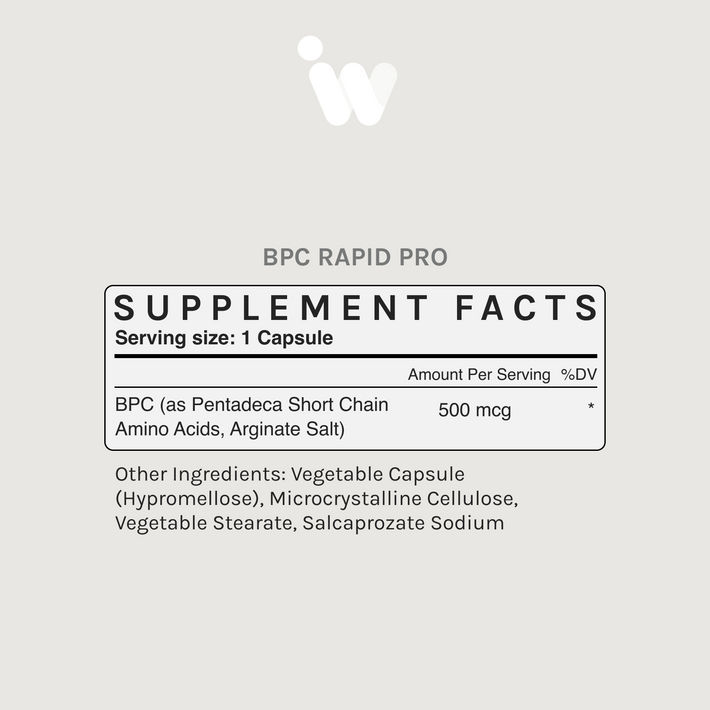
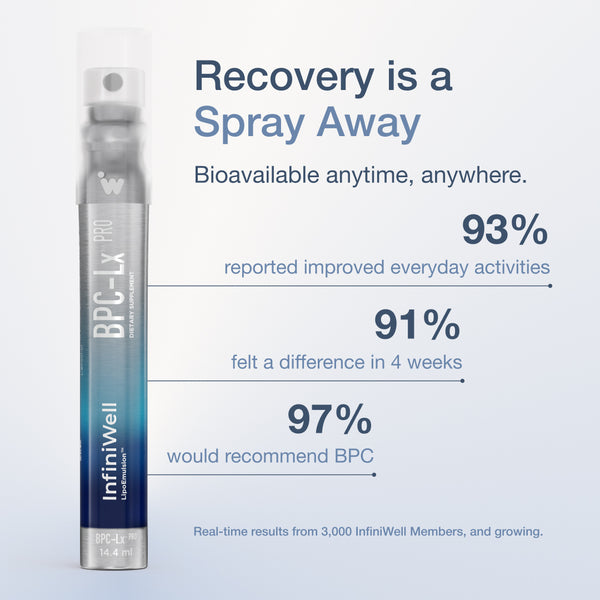
BPC-157 is a synthetic peptide, a chain of 15 amino acids modeled on a protein found naturally in the stomach's gastric juice. It's become one of the most talked-about peptides in sports and fitness circles, and it's usually taken orally in capsule form.
Most of what we know comes from animal studies, where researchers have looked at how BPC-157 interacts with tissue, tendons, and the gut lining. A recent systematic review lays out where the science currently stands. In these early studies, it's been associated with:
- Normal tissue and tendon function
- Joint comfort and mobility
- Digestive wellness
Human evidence is still limited, so treat these as early findings rather than proven results, and talk to a qualified healthcare professional before adding BPC-157 to your routine.
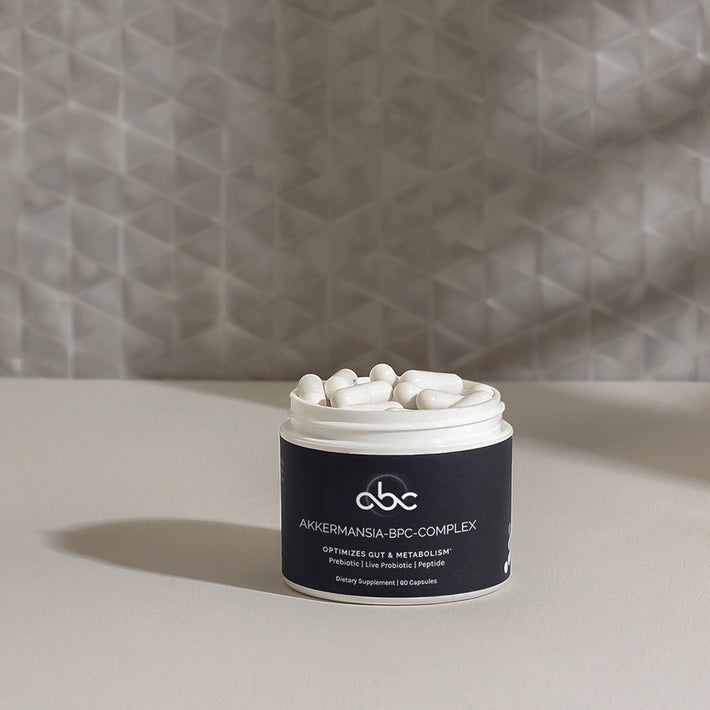
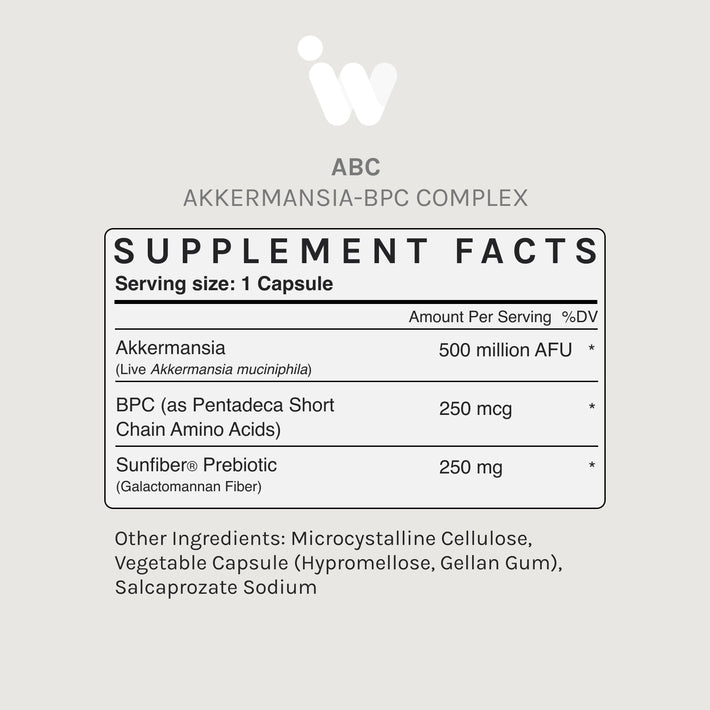
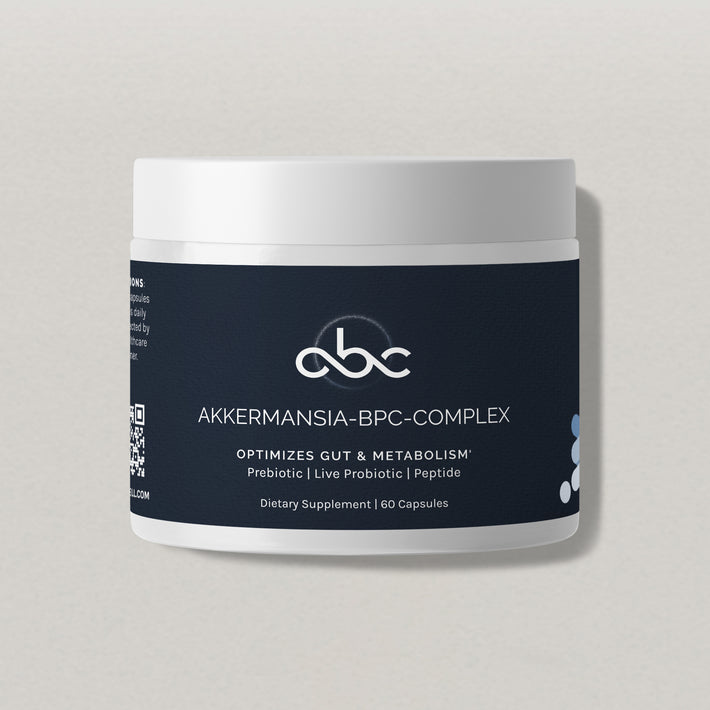
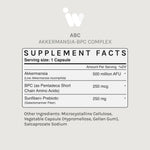
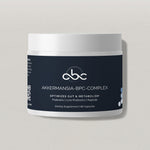
The gut link makes sense given where BPC-157 comes from. Some people pair it with a targeted probiotic like InfiniWell Akkermansia to support a balanced gut. Our guide on BPC-157 and gut health supplements explores this further.
Related reading:
- How to Choose the Right BPC-157 Peptide: Everything You Need to Know
- The Science Behind Oral BPC-157
Healthy aging support: Peptides and other compounds
Support for healthy aging is another popular reason people explore peptides, along with a few non-peptide compounds often used alongside them. Collagen peptides are the peptides most tied to aging skin (covered in the skin section above).
Nicotinamide mononucleotide (NMN) isn't a peptide. It’s a precursor your body uses to make NAD+, a molecule involved in cellular energy, but it's a common companion in healthy aging routines.
Early human studies suggest oral NMN can raise NAD+ levels and is generally well-tolerated. Explore InfiniWell NMN, and consider pairing it with collagen peptides as part of a healthy aging routine.
Research peptides: Exploring emerging uses
Peptide research is an active, fast-moving field, with scientists investigating uses that go beyond today's wellness staples.
Current areas of study include:
- Cognitive function: Some peptides are being explored for possible roles in brain health and cognition.
- Immune support: Peptides, including antimicrobial peptides, are being researched for their potential to support immune response and the body's natural ability to handle everyday challenges.
- Metabolism and weight management: Peptide hormones such as insulin and glucagon-like peptide-1 (GLP-1) are studied for their role in metabolism, including weight management and energy balance.
- Muscle and training support: Research continues into peptides that may support muscle health and training capacity in active adults.
These are promising areas, but many peptides are still in experimental stages and their long-term effects aren't fully understood. Always check with a qualified healthcare professional before considering any peptide that's still under study.
Peptide stacks: Combining peptides for different goals
A peptide stack simply means using more than one peptide at a time to support different wellness goals—for example, a skin peptide alongside one for muscle support.
Experienced users often ask about the best peptide stack for their goals, but beginners are usually better off starting with a single peptide, learning how their body responds, and adding others only gradually and with professional guidance.
How to use peptides safely: A beginner’s guide
Using peptides can offer wellness benefits, but safety comes first. If you're wondering how to start taking peptides, these steps help you do it responsibly, and if you're specifically interested in how to use BPC-157, the same principles apply.
Beginner tips
- Know what you're taking: Research any peptide before you start, and buy from a reputable source. Some, like collagen, are backed by extensive human studies, while others are promising but still early in human research. Knowing the difference helps you set realistic expectations.
- Use the lowest effective amount: Begin low and watch how your body responds before considering any increase.
- Follow the suggested serving: InfiniWell products list a serving on the label. Follow it so you don’t have to guess.
- Track your experience: Keep a journal of any effects or changes over time.
- Stay consistent: Keep a regular schedule for timing and use.
- Store them properly: Follow the manufacturer's storage instructions to preserve effectiveness.
- Stick to one at a time: Use a single peptide unless a healthcare professional advises otherwise.
Consulting with health experts
Before starting any peptide routine, it's worth getting professional guidance:
- Find a knowledgeable provider: One experienced with peptides can offer personalized advice.
- Get baseline blood work: Relevant tests establish your starting point and help track progress.
- Set goals and review your history: Discuss your objectives and any health conditions to build a safe, effective plan.
- Stay monitored: With professional oversight, keep a routine that includes check-ins and adjustments.
Regular consultation and careful monitoring support both the safety and effectiveness of your peptide journey.
InfiniWell BPC peptides: A closer look
InfiniWell's BPC peptides are made to support a range of everyday wellness goals, including joint comfort and digestive wellness.
One reminder before the list: most BPC-157 research so far comes from animal studies, so think of these as areas of interest rather than guaranteed results. Individual responses vary.
InfiniWell BPC products
InfiniWell offers BPC in several forms to suit different routines. These include:
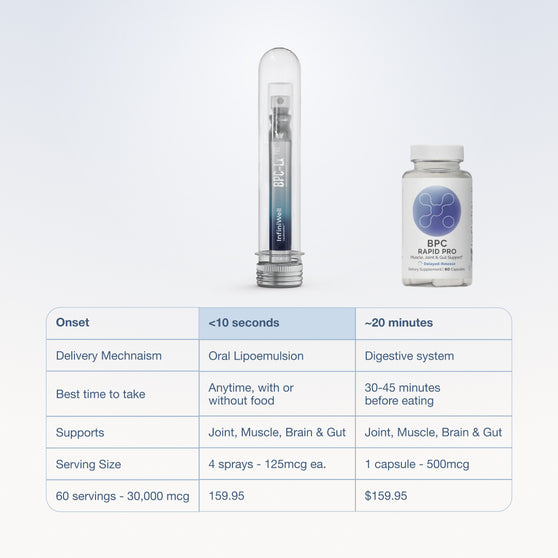
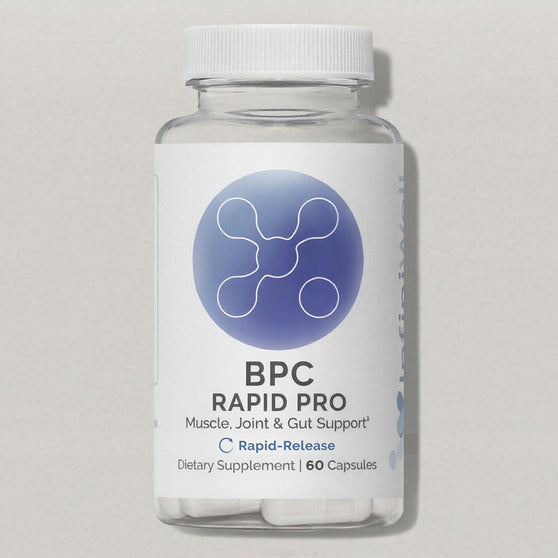
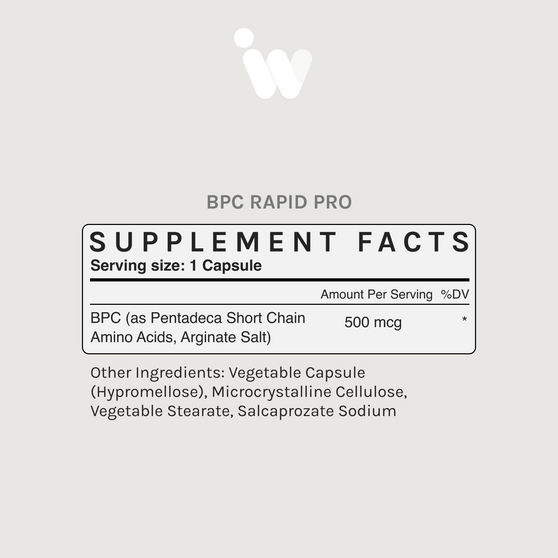
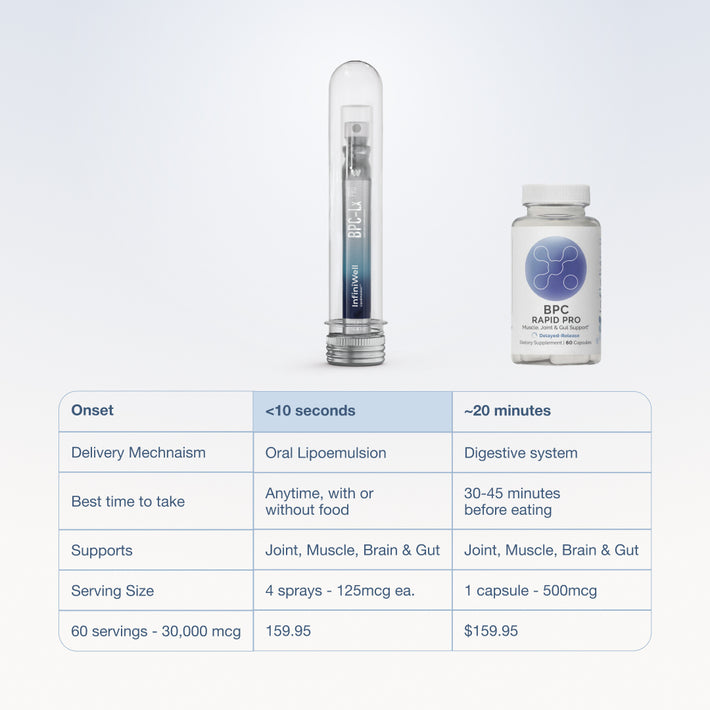
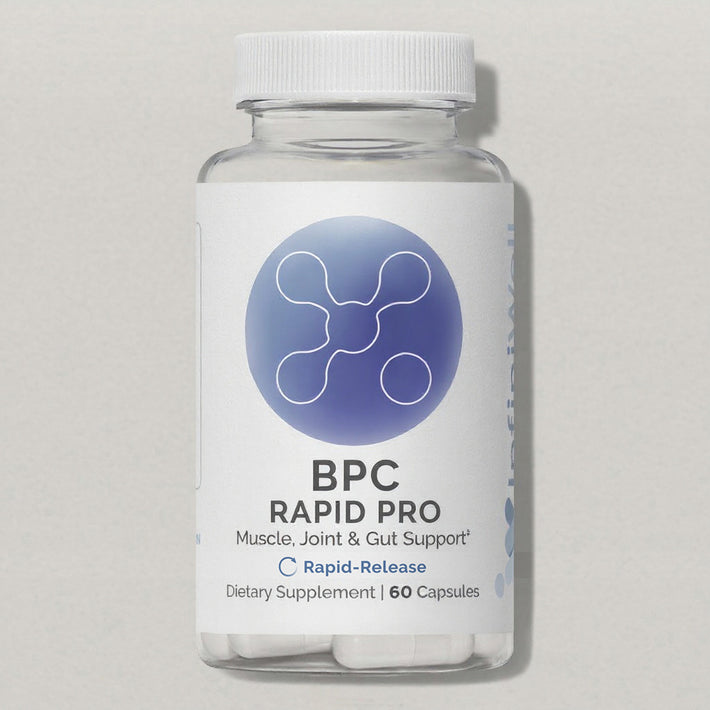
- BPC Rapid Pro: Rapid-release capsule designed for efficient absorption and quick daily support.
- BPC Probiotic: BPC combined with probiotics to support gut wellness and immune balance.
- BPC Delayed Pro: Slow-release formula for steady support through the day.
- BPC Original: The straightforward everyday option, supporting joint, muscle, and gut wellness.
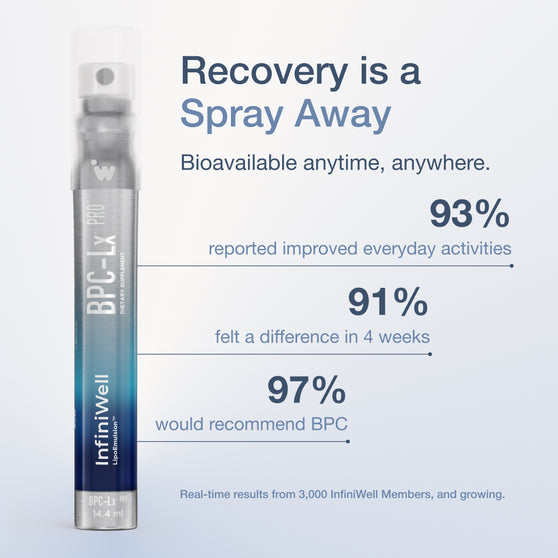
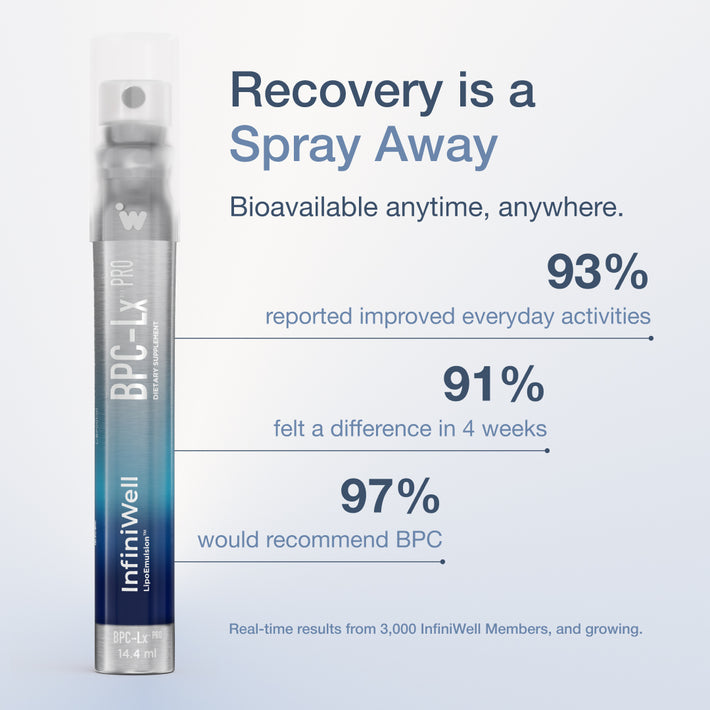
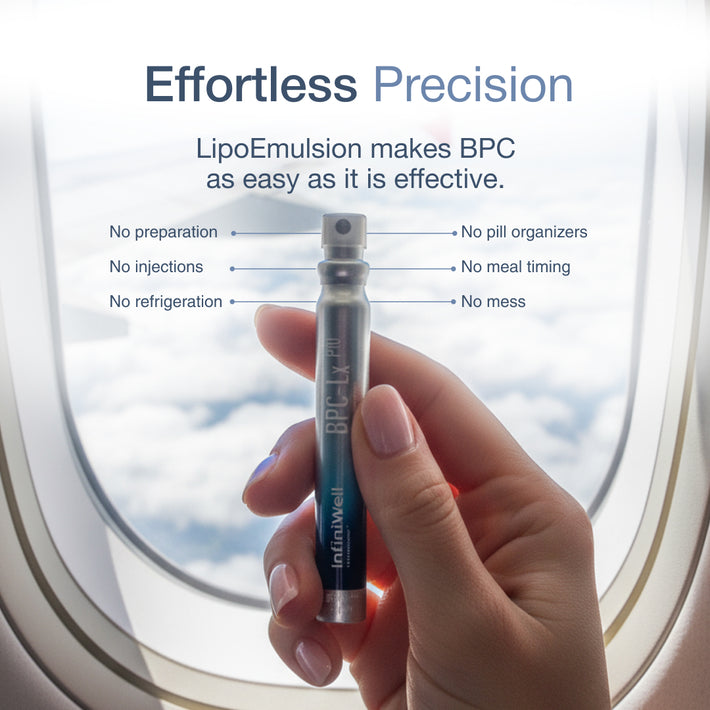
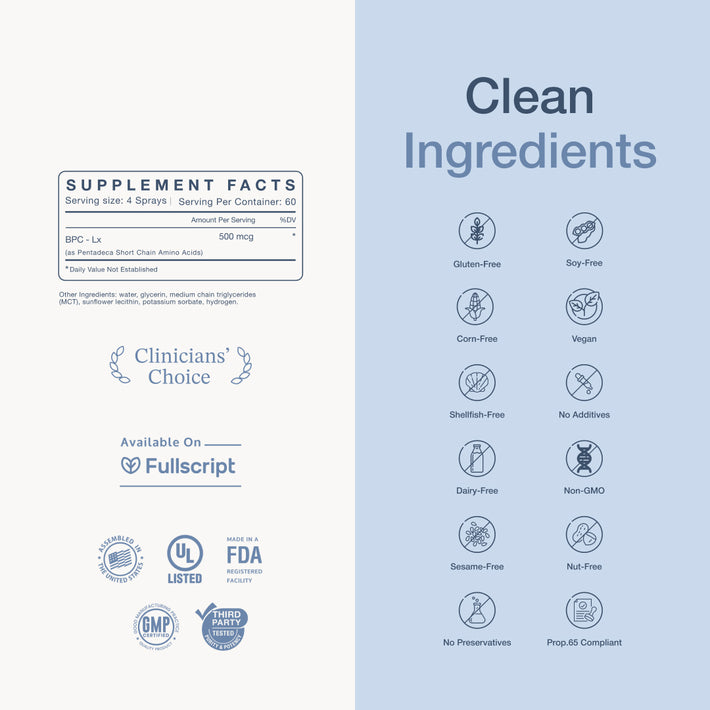
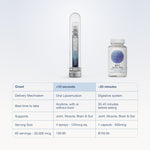
- BPC-Lx Pro Spray: A spray-form option for those who prefer an alternative to capsules.
InfiniWell peptide and wellness lineup at a glance
|
Product |
Best for |
Form |
Suggested use |
|
BPC Rapid Pro |
Active lifestyle and gut wellness |
Rapid-release capsule |
1 capsule twice daily or as recommended by a healthcare provider |
|
BPC Delayed Pro |
Sustained joint and gut support |
Delayed-release capsule |
1 capsule twice daily or as recommended by a healthcare provider |
|
BPC Original |
Everyday joint, muscle and gut health |
Capsule |
1 capsule twice daily or as recommended by a healthcare provider |
|
Hair wellness |
Topical |
Apply evenly once daily |
|
|
Skin wellness and firmness |
Topical |
Apply evenly once daily |
|
|
NMN (not a peptide) |
Healthy aging support |
Capsule |
2 capsules daily or as recommended by a healthcare provider |
A balanced approach to peptides for health and wellness
Peptides are an exciting area of wellness, but they aren't magic bullets. Getting the most from them comes down to a few things:
- Do your research
- Set realistic expectations
- Follow safe practices
- Work with a professional
- Treat peptides as one part of a bigger picture rather than a shortcut
Some people also add complementary options, such as a targeted probiotic like InfiniWell Akkermansia or a cellular-energy nutrient like InfiniWell NMN. The research in these areas is still evolving, and individual responses vary.
Above all, peptides work best alongside the basics: good nutrition, regular exercise, and healthy habits. And as always, check with your healthcare provider before starting anything new.
Peptides for beginners: FAQs
-
SOURCES
Products mentioned in this article


You May Also Like
View All Articles

Longevity Supplements: Ingredients to Know for Healthy Aging
Longevity supplements are studied for specific aspects of healthy aging, but none has been shown to extend human life. This guide examines the evidence behind NMN, fisetin, Akkermansia, AC-11, and epicatechin, including what human studies have found and where research remains limited.