































Key takeaways
-
Human research has not established whether taking NMN with or without food produces better results.
-
Most human NMN studies have used consistent daily supplementation, with no clear advantage established for a particular time or method.
-
Most human research on NMN has examined daily amounts between 250 mg and 900 mg, although study protocols vary. Higher amounts don’t automatically mean better results, and research has not established one amount that is appropriate for everyone.
-
Morning is a popular time to take NMN. Human research has not established one best time of day.
-
Third-party testing and transparent labeling are two important factors to consider when choosing an NMN supplement.
It’s often claimed that NAD+ levels drop to half their youthful peak by middle age, but the reality is messier. Human data is limited and mixed, and the decline isn’t as automatic or universal as it’s made to sound.
What researchers do agree on is that NAD+ is central to how your cells make energy and that NMN, nicotinamide mononucleotide, is a building block your body uses to make NAD+. Once you decide to try NMN, the best way to take it isn’t always obvious from the label:
-
How much should you take each day?
-
Should you take NMN with or without food?
-
Does the time of day change anything?
This guide walks through what the research says, the amounts that have been studied, and the habits that help NMN fit into a routine you’ll stick with. And remember to always talk with a qualified healthcare professional before you start.
What NMN amounts have been studied?
Across human research, NMN supplementation has been studied in daily amounts ranging from 250 mg to about 900 mg. In a randomized clinical trial in healthy middle-aged adults, participants received up to 900 mg per day. Researchers observed elevations in blood NAD+ concentrations across the NMN groups, with no safety concerns identified during the 60-day study.
InfiniWell’s NMN supplement delivers 200 mg of nicotinamide mononucleotide per two-capsule serving, paired with resveratrol and pterostilbene, two plant compounds often taken alongside NMN.
Human studies have examined different amounts and protocols, so there isn’t one research amount that applies across the board. These amounts are used here as research context, not personal recommendations. Follow the suggested use on your NMN product, and talk with a qualified healthcare professional if you have questions about what fits your individual wellness routine.
Can you take too much NMN?
In one small clinical trial, healthy adults received 1,250 mg of NMN once daily for four weeks. Researchers reported that it was generally well tolerated, with no severe adverse events observed during the study.
That finding doesn’t establish how much NMN is appropriate for everyone, particularly over longer periods. The researchers themselves noted that larger and longer-term studies are still needed.
Rather than assuming more is better, follow the suggested use on your NMN supplement and talk with a qualified healthcare professional if you have questions about what fits your individual wellness routine.
The best way to take NMN
Ask 10 longevity enthusiasts about the best way to take NMN and you’ll get 10 opinions. Strip away the noise, though, and the research offers a simpler starting point. Most human studies have looked at NMN as part of a consistent daily routine. When you take it may be less important than choosing an approach you can follow consistently.
Form makes a difference, too, and you have a few options for taking NMN supplements:
-
Capsules: Swallowed with water and commonly used in human NMN research. Some capsule products also use specialized formulations. For example, InfiniWell’s Cellular Energy Pro provides NMN in capsules formulated with liposomal delivery, which packages the NMN in tiny fat-based spheres called liposomes.
-
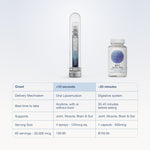
Sublingual NMN: Taken under the tongue rather than swallowed immediately. Human research comparing sublingual and oral NMN is still limited.
-
Liquid NMN: Taken by mouth, either directly or as directed on the product label. Like other NMN formats, formulations can vary between products, so it’s worth checking the suggested use and ingredient information.
Whichever form you choose, product quality is another important consideration. Look for a brand that uses independent, third-party testing and makes the results available so you can see what’s actually in the product.
If you want the fundamentals first, our guide on what NMN is covers the basics.
NMN with or without food
Should you take NMN with or without food? Current human research doesn’t give us a definitive answer. NMN has been studied using different protocols, but there isn’t strong evidence showing that taking it with food or on an empty stomach produces better results.
Taking NMN on an empty stomach, particularly in the morning, is a popular approach, but there isn’t clear evidence that it changes absorption or makes NMN more effective. For everyday use, follow the suggested use on your specific NMN product rather than treating food timing as a requirement.
If you’re unsure how NMN fits into your wellness routine, talk with a qualified healthcare professional for guidance.
How long after taking NMN can I eat?
There isn’t an established research-backed waiting period between taking NMN and eating. You may see recommendations to wait 20 or 30 minutes, but current human evidence doesn’t show a clear benefit to waiting before you eat.
If your NMN product gives specific instructions about food or timing, follow its suggested use. Otherwise, there’s no clear evidence-based reason to build a particular waiting period into your routine.
Best time of day to take NMN
Morning is a popular time to take NMN, partly because NAD+ is involved in the body’s circadian rhythm, the internal cycle that helps regulate biological processes throughout the day. However, human research hasn’t established a single best time of day to take NMN or shown that a morning serving provides better results than taking it later.
Most importantly, follow the suggested use on your specific NMN product and choose a time that works with your daily routine. If you have questions about timing or how NMN fits with other supplements you take, talk with a qualified healthcare professional.
For more on the science behind NMN, explore how NMN relates to aging, NAD+ levels, and longevity, or take a closer look at the differences between NMN and NAD+. You can also browse InfiniWell’s aging and longevity collection for other products designed to support daily wellness routines.
What to look for in an NMN supplement
Before choosing an NMN supplement, a few basic checks can help you compare your options and understand what you’re getting.
-
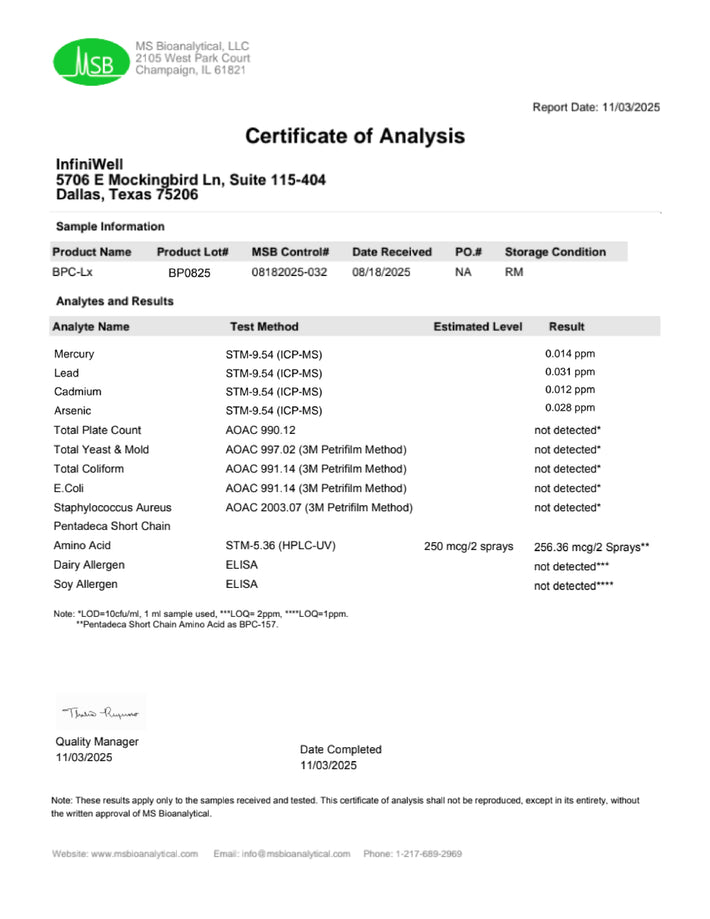
Third-party testing: Look for independent testing that verifies details such as ingredient identity, potency, and purity, with results available for you to review.
-
Transparent labeling: The label should clearly state how much NMN is provided per serving rather than hiding amounts within a proprietary blend.
-
Clear suggested use: Look for straightforward instructions on how to incorporate the supplement into your daily routine.
-
Thoughtful formulations: Some NMN supplements also include ingredients such as resveratrol or pterostilbene, which are commonly included in healthy aging formulas. Check the full ingredient list so you know exactly what the product contains.
Once you’ve narrowed down what works for your routine, explore InfiniWell’s NMN supplement or browse our full collection of healthy aging supplements.
Best way to take NMN: FAQs
-
SOURCES
You May Also Like
View All Articles

Sun-Damaged Skin: Signs, Root Causes, and Smart Skincare Upgrades
Daily environmental stressors can take a toll on your skin. Discover how GHK-Cu supports healthy skin and overall skin wellness.

What Is KPV?
What is KPV, and why is it gaining attention in peptide research? Learn how this three-amino-acid peptide works, how it compares to BPC, and what current research suggests about its role in everyday wellness.