































































Key takeaways
-
Nicotinamide adenine dinucleotide (NAD+) is a naturally occurring molecule that plays a key role in energy metabolism at the cellular level. NAD levels may decline as part of the aging process.
-
Nicotinamide mononucleotide (NMN) occurs naturally in the body and can also be found in small amounts in foods such as raw beef, edamame, and broccoli. The body can convert NMN into NAD+, making it a subject of growing scientific interest.
-
Human studies, including a safety-focused clinical trial in healthy men, suggest NMN is well-tolerated and effectively absorbed. A separate study has produced early findings related to skeletal muscle function and metabolic health. All results remain preliminary, and more research is needed.
-
Researchers are exploring multiple areas of interest, including cellular energy support, mitochondrial quality, metabolic health, circadian rhythm, and sleep quality as part of healthy longevity. All findings remain preliminary.
-
NMN supplementation is not a standalone solution. It sits alongside good nutrition, movement, quality sleep, and other longevity-focused strategies as one piece of a long-term wellness routine.
-
Before starting any new dietary supplement, talk to a qualified healthcare professional to make sure it's the right fit for your individual wellness goals.
Think about the subtle changes many people notice in their 50s: mornings that take a little longer to get going, mental clarity that feels less sharp, or a general sense that the body is working differently than it did in earlier decades.
These experiences have many contributing factors, but researchers have started looking more closely at what is happening at the cellular level, and one molecule keeps coming up in that conversation: NAD+.
Some research suggests NAD+ levels may shift as we get older, though human evidence is still developing and varies by tissue. What is clear is that NAD+ has become one of the more closely studied molecules in longevity science, and that interest has brought a related compound, NMN, into the spotlight alongside it.
Here, we look at what NMN is, how it fits into the NAD+ picture, and what early human and animal studies have found so far.
What is NAD+?, and what happens to it as we get older?
Nicotinamide adenine dinucleotide, usually written as NAD+, is a coenzyme found throughout the human body. You don't get it from a single food or drink. The body makes its own using building blocks called precursors, some of which come from the diet.
Its best-known job is helping cells turn food into usable energy. NAD+ is also involved in a much wider set of cellular processes, including how cells respond to everyday stress and how certain proteins involved in cellular maintenance carry out their work. That range is a big part of why the molecule draws so much scientific attention.
Two things make NAD+ a recurring name in longevity research:
- It's widely used throughout the body: Cells rely on NAD+ for many normal cellular processes.
- Researchers are studying how NAD+ changes with age: Human evidence is still developing, but possible age-related changes in NAD+ have led scientists to explore what they may mean for healthy aging.
The link between NAD+ and cellular energy
At the cellular level, NAD+ acts as a kind of internal shuttle, helping convert nutrients from food into usable energy. It works closely alongside mitochondria, the structures inside cells that handle energy production, to keep that process running efficiently.
In studies where NAD+ levels have been observed to shift with age, researchers have noted changes in cellular energy output and mitochondrial quality, though research is ongoing and results can vary from person to person.
What is NMN, and how does it relate to NAD+?
Nicotinamide mononucleotide is a naturally occurring molecule found in small amounts in certain foods. Raw beef, edamame, broccoli, and avocado all contain trace amounts of NMN naturally. As a NAD precursor, NMN is a compound the body can use to support its own NAD+ production.
In plain terms, NMN is a building block. The body converts it into NAD+, which then participates in the cellular processes described above.
Here's a quick reference to keep the terminology straight:
-
Nicotinamide adenine dinucleotide (NAD+): A naturally occurring molecule your cells use for energy production and general cellular function
-
Nicotinamide mononucleotide (NMN): A naturally occurring compound the body can convert into NAD+
-
NAD precursor: A building block the body uses to support NAD+ production
-
NMN supplementation: Taking NMN supplements to support the body's NAD+ levels
Related reading:
What researchers have found so far
Over the past decade, NAD+ has moved from a relatively niche topic in biochemistry to a genuine focus of longevity science. Much of the early groundwork came from animal models, particularly mice, where researchers explored NMN's potential effects on energy metabolism, mitochondrial quality, circadian rhythm, and general markers of healthy longevity.
A landmark 2016 study from Shin-ichiro Imai's lab at Washington University, published in Cell Metabolism, found that long-term NMN administration in mice was associated with several age-related wellness markers without notable safety concerns. Keep in mind that animal studies cannot be directly applied to human outcomes, and more research is needed before drawing firm conclusions.
More recently, a growing body of human research has begun to emerge. A safety-focused clinical trial conducted at Keio University School of Medicine found that NMN was well-tolerated and effectively absorbed in healthy men, with no significant clinical symptoms reported.
Separately, a 10-week randomized, placebo-controlled trial from Washington University School of Medicine examined NMN supplementation in postmenopausal women and noted early findings related to skeletal muscle function and gene expression, though the lead researchers were clear that the results are not yet a basis for broad recommendations.
Emerging studies have also explored NMN's possible role in supporting sleep quality and metabolic health in aging adults.
Across both animal and human research, the areas drawing the most scientific attention include cellular energy support, mitochondrial quality, metabolic health, circadian rhythm, and healthy longevity more broadly.
All findings remain preliminary, research is ongoing, and results can vary from person to person.
NMN and women over 50: What the research explores
Women over 50 represent one area of particular interest in NMN research. The Washington University study discussed above was specifically designed around postmenopausal women, making it one of the few human trials to examine NMN in this demographic directly, and researchers have flagged it as a basis for further investigation.
More broadly, the conversation around NMN and aging connects naturally to what many women in this life stage are focused on:
-
Maintaining energy
-
Supporting vitality
-
Feeling their best as the years go on
Taking NMN supplements as part of a broader wellness routine is an approach some are exploring, though individual results vary. Always talk to a qualified healthcare professional before starting any new supplement.
For more on how NMN fits into the broader picture of healthy aging, take a look at our healthy aging guide.
How NMN fits into a longevity-focused lifestyle
NMN supplementation is often discussed as part of a broader approach to healthy aging, alongside good nutrition, consistent movement, quality sleep, and stress management. Researchers increasingly look at how different compounds and lifestyle strategies work together at the cellular level.
For more on related longevity topics, see our guides on senolytics and autophagy and Akkermansia muciniphila.
What to look for in an NMN supplement
The NMN supplement market has grown quickly, and not every product is held to the same standard. To find the best NMN supplement in 2026, here's what to look for:
-
Ingredient transparency: Does the label clearly state the NMN serving size and source? You should be able to see exactly what you are getting.
-
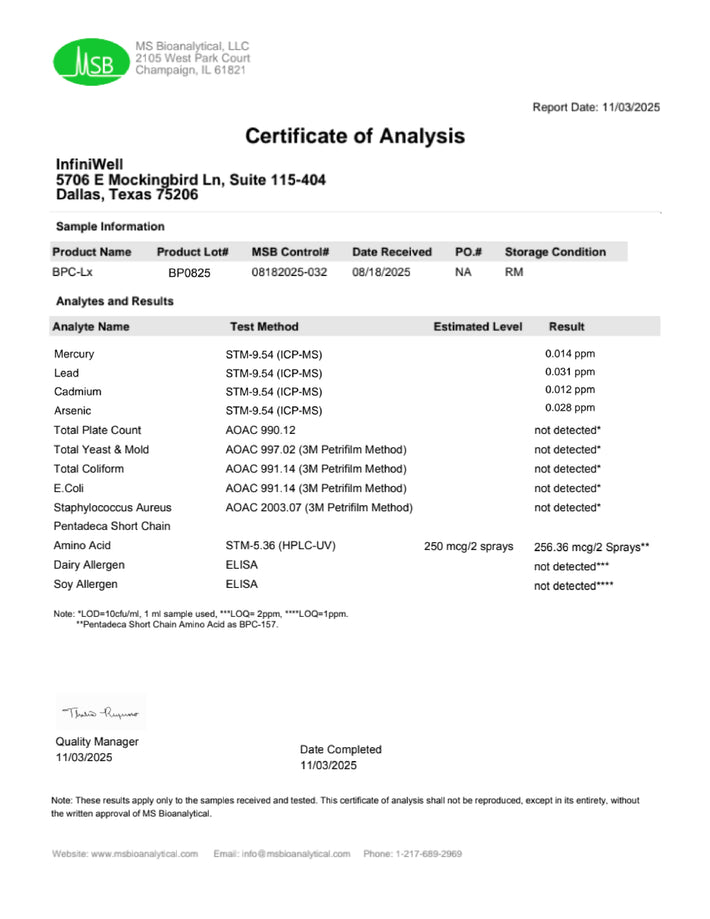
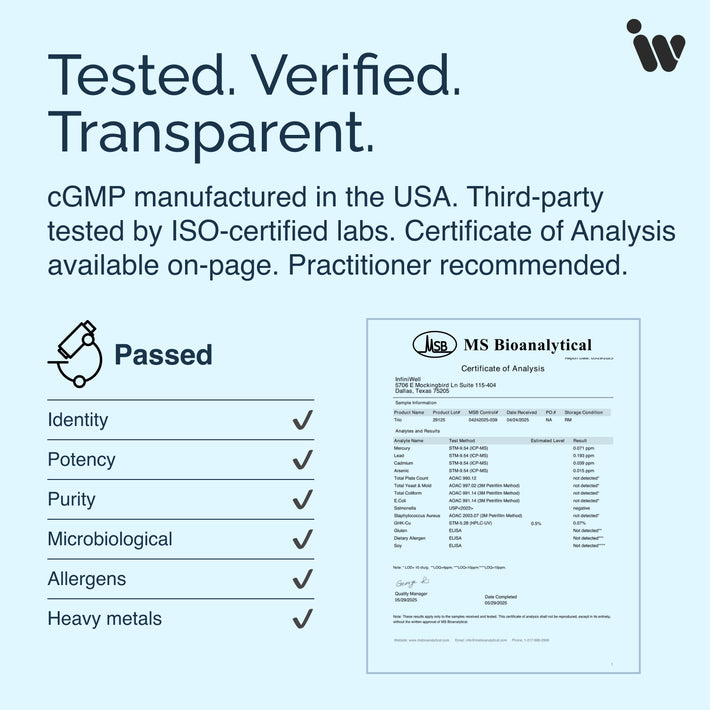
Third-party testing: Look for a Certificate of Analysis (COA) from an independent lab, which verifies the product's purity and potency.
-
Clean formulation: A quality NMN supplement should have minimal fillers and no unnecessary additives. The ingredient list should be short and easy to read.
-
Form and serving size: NMN capsules are the most common format. Look for clearly stated suggested use guidance on the label.
-
Brand credibility: Is the brand transparent about sourcing, manufacturing, and quality standards?
The bottom line on NMN and healthy aging
NMN is a genuinely interesting area in longevity science, with a growing body of animal research and early human studies pointing in a direction worth watching. Whether it translates into meaningful wellness benefits for any given individual is something research continues to explore, and more work is needed before firm conclusions can be drawn.
For those who are proactive about healthy aging, NMN may be considered as one addition to a broader wellness routine. If you’re exploring options, you can learn more about InfiniWell’s NMN supplement here: https://infiniwell.com/products/nmn
Understanding how it fits into your own approach can make all the difference.
Have questions about NMN or other longevity supplements? Reach out to InfiniCare. Our team is here to help.
NMN and longevity: FAQs
-
SOURCES
Products mentioned in this article

You May Also Like
View All Articles

Mitochondrial Health Supplements: A Complete Guide
Can a supplement support the tiny structures that help your cells produce energy? Explore what researchers have found about NMN, urolithin A, CoQ10, and other mitochondrial health ingredients—and where the evidence is still limited.

Nitric Oxide Supplement Guide: Ingredients, Sources, and Research
Nitric oxide supplements provide the essential building blocks your body needs to naturally support healthy circulation. Discover how ingredients like L-citrulline and dietary nitrate work, what the latest research reveals, and how to choose the right formula for your wellness routine.