














































Key takeaways
-
Build a strong digestion foundation first by slowing down to chew thoroughly, staying hydrated, eating fiber-rich whole foods, moving daily, and managing stress.
-
Support gut health long-term by prioritizing plant diversity, daily fiber, and fermented foods to nourish beneficial bacteria in your gut microbiome.
-
Use digestion supplements strategically to match real-life needs: digestive enzymes (such as amylase, lipase, and protease) for heavier or variable meals, probiotics for travel or routine disruption, and prebiotics when fiber intake runs low.
-
Start prebiotic supplements slowly because rapid jumps in fiber can cause noticeable discomfort, and adjust based on comfort and consistency.
-
Treat targeted options like amino acid–based formulas (including oral BPC) as supportive, not magic, since research is ongoing and results vary by person.
-
Keep expectations realistic. Digestive health supplements work best alongside consistent daily habits, and it’s wise to consult a qualified healthcare professional before adding new products.
Feeling sluggish after meals or noticing occasional digestive discomfort often comes down to daily habits before anything else. Digestion isn't just about what you eat; it's also about how you eat, how hydrated you are, how much you move, and how your body responds to everyday stress.
Digestion supplements work best when they're supporting a solid foundation: a steady routine, a balanced diet, and basic lifestyle habits that help your digestive system function well.
What follows are practical, low-effort ways to support gut health and improve digestion, along with guidance on when supplements like probiotics, digestive enzymes, and targeted amino acid formulas may fit into your overall wellness plan.
1. Slow down and chew your food
Digestion starts before food ever reaches your stomach. It begins in your mouth, where chewing breaks food down into smaller pieces that are easier for your digestive tract to handle.
When you eat quickly (think: desk lunch, car snacks, or "one more bite" while answering emails), you tend to swallow larger pieces of food and take in more air. Both can leave you feeling bloated or uncomfortable after a meal.
A few simple ways to slow down at meals:
-
Put your utensil down between bites: It sounds almost too simple, but it creates natural pauses.
-
Aim to chew until food is mostly smooth: It reduces the work your stomach has to do.
-
Start meals with a few slower bites: The first two minutes often set your pace for the entire plate.
Eating more slowly helps your body digest food more thoroughly and absorb nutrients from the meals you already eat. If you regularly feel like your digestion is "rushing to catch up," this single habit can make a surprisingly big difference.
2. Stay consistently hydrated
Hydration is one of the most underrated ways to support digestive health. Water helps your body move food through the GI tract in a steady, natural way, and it supports the digestive system's everyday functions.
Inadequate hydration can slow digestion and make it harder for your body to break down and move food smoothly. And the signs, like feeling overly full or simply "off" after meals, are easy to miss.
Try these hydration habits:
-
Start early: A glass of water before your morning coffee is an easy way to begin the day ahead.
-
Keep water visible: Having it within reach makes it far easier to drink consistently throughout the day.
-
Pair water with routines: A few sips when you sit down to work, after meetings, and with every meal add up quickly.
Not a fan of plain water? Add citrus, fresh herbs, or a touch of fruit juice to make it more enjoyable. Consistency matters more than hitting a precise daily target.
Foods count, too. Many fruits, vegetables, and soups add meaningfully to daily fluid intake, supporting gut health without any extra effort.
3. Prioritize fiber-rich whole foods
If your goal is to support gut health long-term, fiber-rich foods are one of the most reliable places to start. Fiber feeds beneficial bacteria in your gut and helps maintain a steady digestive rhythm, two things that are important whether you're overhauling your diet or just fine-tuning it.
Rather than simply eating more fiber, aim for more variety. Different plant fibers feed different beneficial microbes, so a diverse plate tends to do more for your gut than a high intake of just one or two sources.
Great everyday options include:
-
Whole grains (like oats, quinoa, and brown rice)
-
Beans and lentils
-
Vegetables (especially leafy greens, broccoli, and carrots)
-
Berries, apples, and pears
-
Nuts and seeds
Many of these foods naturally contain prebiotics, the fibers that support gut health by nourishing helpful microorganisms. If you're exploring prebiotic supplements, it's still smart to start with food first.
A practical approach you can follow this week:
-
Add one plant to breakfast (berries, chia, or oats).
-
Add two plants to lunch (salad + beans, or veggies + whole grains).
-
Add three plants to dinner (vegetables + a legume + a whole grain).
Small shifts add up, and they tend to stick better than dramatic overhauls when your goal is supporting gut health over the long term.
4. Move your body daily
Your digestive system responds to rhythm. Sleep and wake cycles, meal timing, and movement all play a role.
You don't need intense training to support digestive comfort. Even light daily activity can support natural digestive movement and help your body feel more settled, particularly if you spend long stretches sitting.
Easy options that fit a busy schedule:
-
A 10-15 minute walk after meals (even around the block)
-
A short mobility routine between meetings
-
Taking calls standing up
-
Gentle cycling or yoga a few times a week
Aim to move in some way every day, even if it's modest. Your gut (and your energy levels) does better with consistency than with occasional bursts of intense effort.
5. Manage stress
Digestion doesn't happen in isolation. There's a well-documented gut-brain connection, and daily stress can influence digestive comfort, sometimes in subtle ways you only notice after a hectic week.
This doesn't mean stress directly causes digestive problems in a simple, one-step way. It's more that stress shifts your body's priorities. When your nervous system is in a heightened state, your digestive system tends to feel it too.
Try these stress-support habits that are realistic and easy to repeat:
-
A 2-minute breathing reset before meals (inhale for 4 seconds, exhale for 6)
-
A short walk outside to decompress between work and dinner
-
Brief pauses during the day. A 60-second break every couple of hours adds up
-
Eat without screens sometimes. Not every meal, just enough to change your pace
Supporting stress resilience supports overall wellness, and a more settled nervous system often means a more settled digestive system, too.
6. Support healthy gut bacteria
Your gut microbiome refers to the vast community of microorganisms, including helpful bacteria, that reside along your digestive tract. This internal ecosystem helps you process food and supports several aspects of overall wellness.
Emerging research suggests gut balance may influence immune system function and broader wellness, though the science is still developing and results vary meaningfully from person to person.
If you want to support a healthy gut environment, start with the basics:
-
Eat fermented foods a few times per week, such as yogurt with active cultures, kefir, sauerkraut, and kimchi. These foods can contain live microorganisms that may support gut balance.
-
Prioritize plant diversity across different colors and types of fruits and vegetables.
-
Include fiber daily to feed and support beneficial microbes.
You may also consider probiotic supplements, which are dietary supplements containing live bacteria, often across multiple strains, designed to support a balanced gut environment. They tend to be most helpful when your diet is inconsistent or when travel and schedule changes disrupt your normal routine.
If you choose a probiotic, look for:
-
Clear labeling of specific probiotic strains
-
Multiple strains for broader support
-
Sensible storage guidance (some need refrigeration; many are shelf-stable)
And remember, "more probiotics" isn't always the goal. It's finding the right fit for your needs.
7. Consider digestion supplements strategically
Once your habits are in a good place, digestive supplements can be a helpful addition, particularly during periods when your routine, diet, or schedule is less consistent than usual.
Here are the most common categories and how to think about each one.
Digestive enzymes
Digestive enzymes are designed to help your body break down components of food (like proteins, fats, or carbohydrates). Different products use different enzymes, so reviewing the ingredient panel can help you choose a formula that fits your needs.
People often turn to enzymes when meals are heavier than usual, when they're eating on the go, or when they want support breaking down certain foods, like protein-rich dishes, high-fat meals, or carb-heavy plates.
What to look for:
-
Enzyme variety (since foods are mixed)
-
Transparent labeling
-
Suggested use that fits your routine (no complicated timing)
Probiotic supplements
Probiotic supplements typically contain live microorganisms (live bacteria) intended to support a balanced gut microbiome. Some formulas emphasize specific probiotic strains; others focus on broader coverage with multiple strains.
Think of probiotics as support for gut balance, not a quick fix. And if you're already eating fermented foods and plenty of fiber, you may not need an aggressive supplementation plan.
Prebiotic supplements
Prebiotics are fibers that feed good bacteria. Prebiotic supplements can be useful when your diet is light on fiber (common when you're traveling or eating fewer whole grains and vegetables).
Start low and increase slowly. Fiber adjustments can feel different at first, and your gut adapts more comfortably when changes are introduced gradually.
Targeted amino acid–based supplements
You’ll also see targeted formulas built around specific building blocks such as amino acids (for example, L-glutamine, which occurs naturally in the body and in certain foods). These supplements are typically positioned for foundational wellness support, often centered on maintaining normal gut function and supporting overall gut integrity.
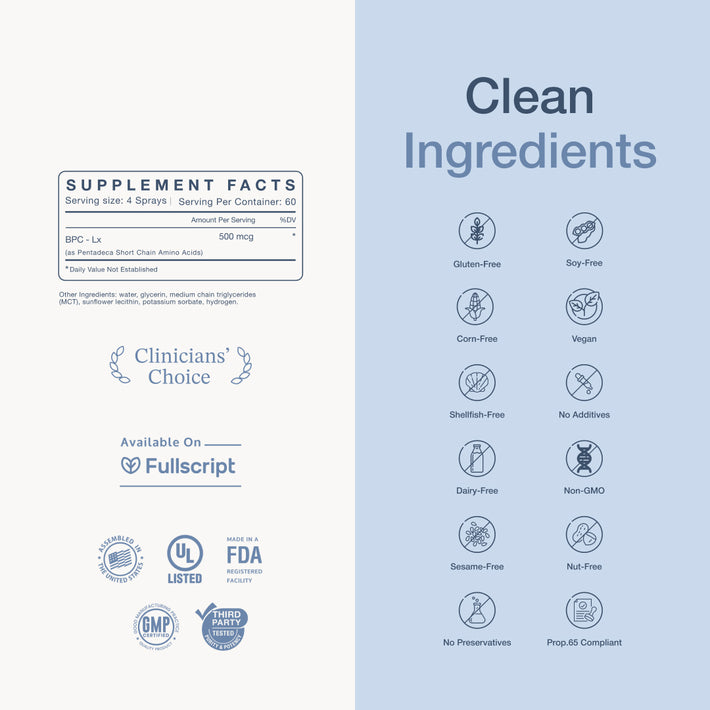
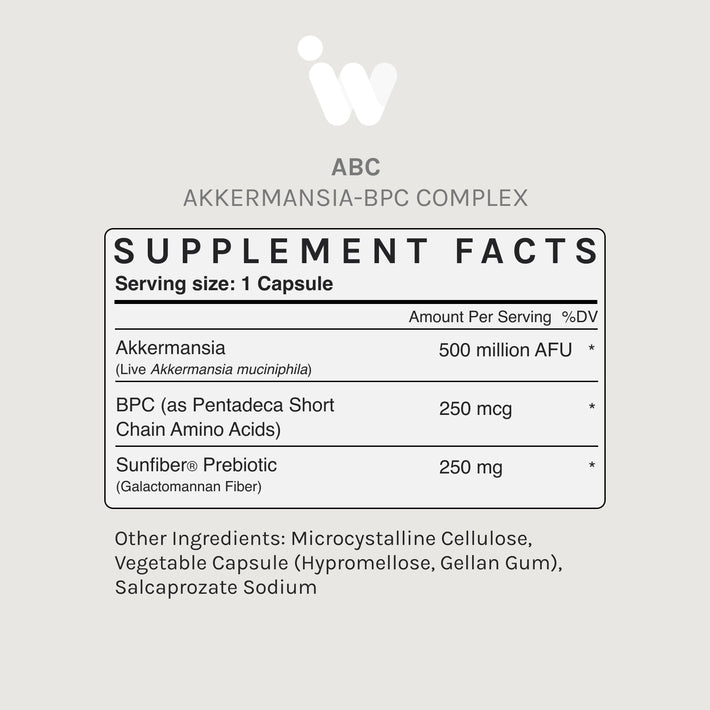
This is also where oral BPC often enters gut wellness conversations. Interest in this category continues to grow, but findings are still developing, and individual responses can vary.
The simplest way to think about digestion supplements is to match the category to your everyday patterns:
-
If your meals vary wildly, consider enzymes.
-
If travel and routine changes affect your rhythm, consider probiotics.
-
If fiber is consistently low, consider prebiotics.
-
If you want targeted foundational support within a broader wellness plan, consider an amino acid–based formula and keep expectations realistic.
And importantly, supplements are meant to complement a healthy diet and lifestyle, not replace them. If you're unsure what's appropriate for you, talk to a qualified healthcare provider.
When to explore InfiniWell gut health supplements
If you've already established the fundamentals (hydration, fiber-rich foods, daily movement, and stress support), this is typically the point where gut health supplements start to feel genuinely useful. You're not trying to replace your routine with a capsule; you're using targeted supplements to support what's already working.
InfiniWell's approach is built around digestive wellness support for healthy adults, with an emphasis on quality ingredients and label transparency.
Here's when exploring InfiniWell may make sense:
-
You want a simple, consistent routine: Busy schedules don't pair well with complicated supplement stacks. GI Prime is designed as a foundational daily option supporting gut balance through a straightforward formula.
-
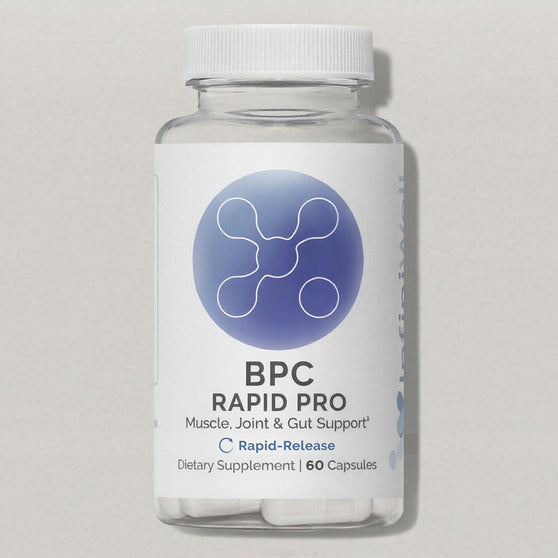
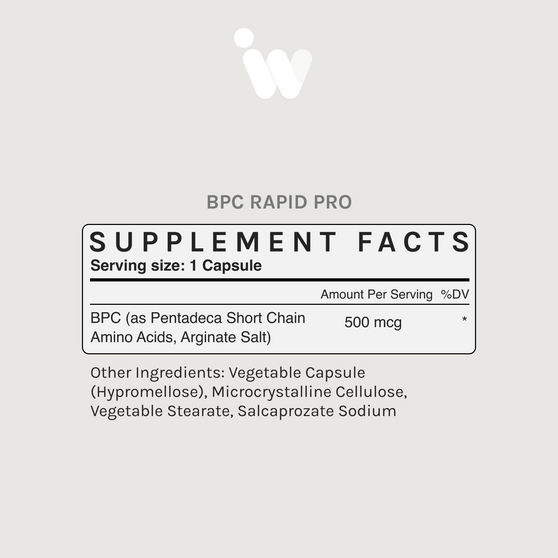
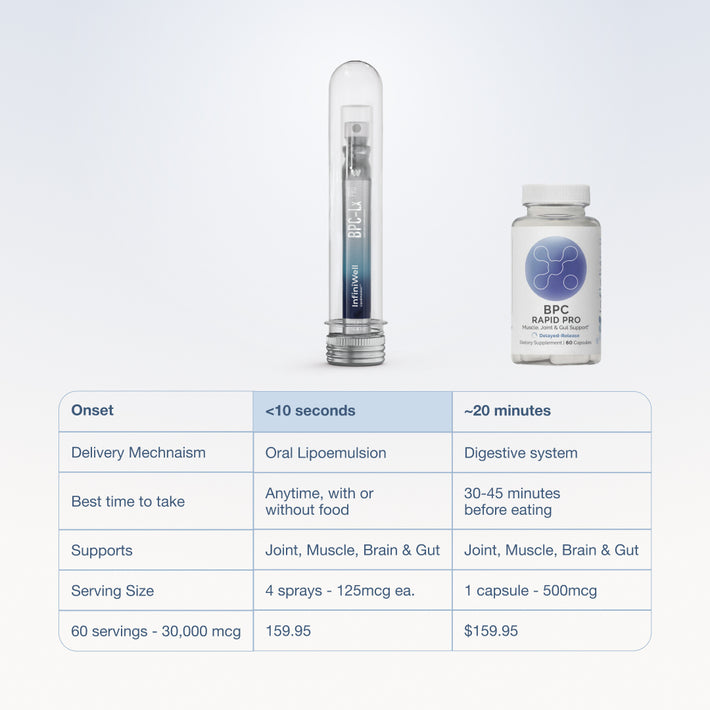
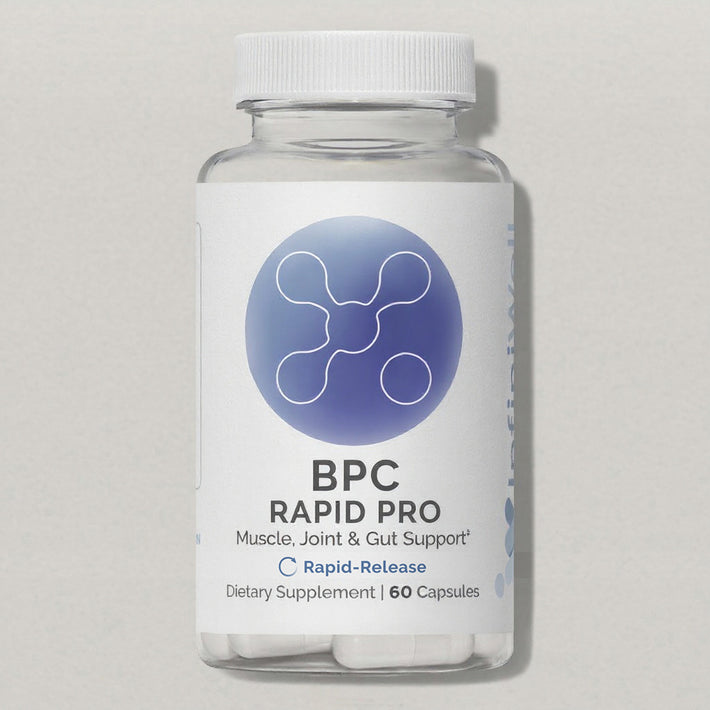
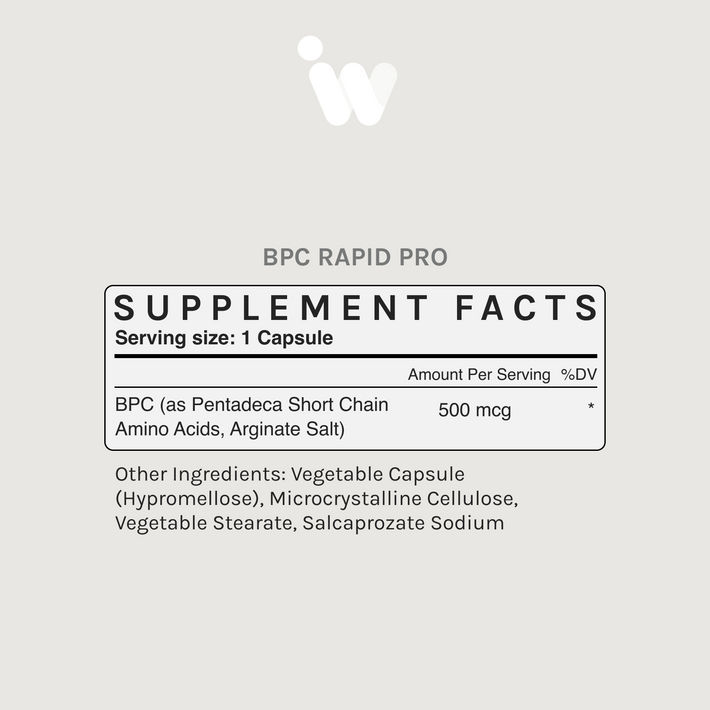
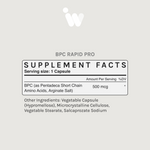
You care about label clarity and formulation intent: Knowing what you're taking and why counts. InfiniWell's BPC formulas, including BPC Rapid, BPC Rapid Pro, BPC Delayed, and BPC Delayed Pro, are clearly labeled with formulation intent, so you're not guessing at what you're taking or why.
-
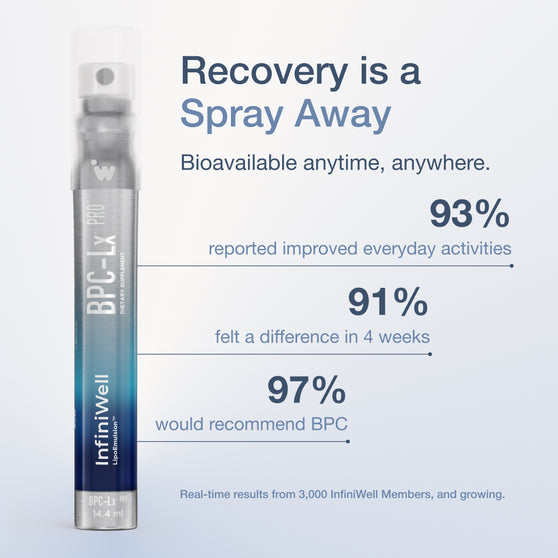
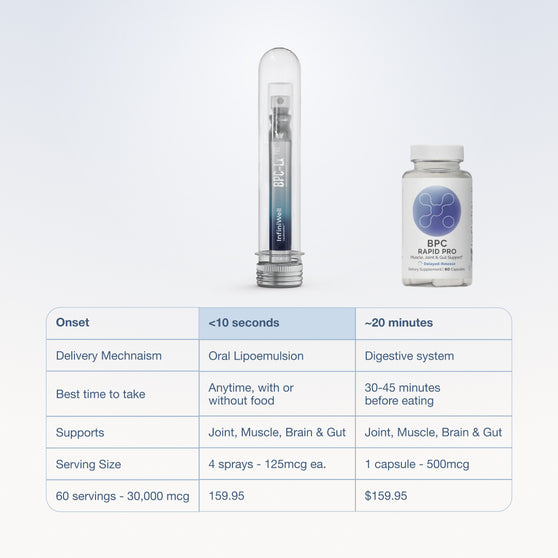
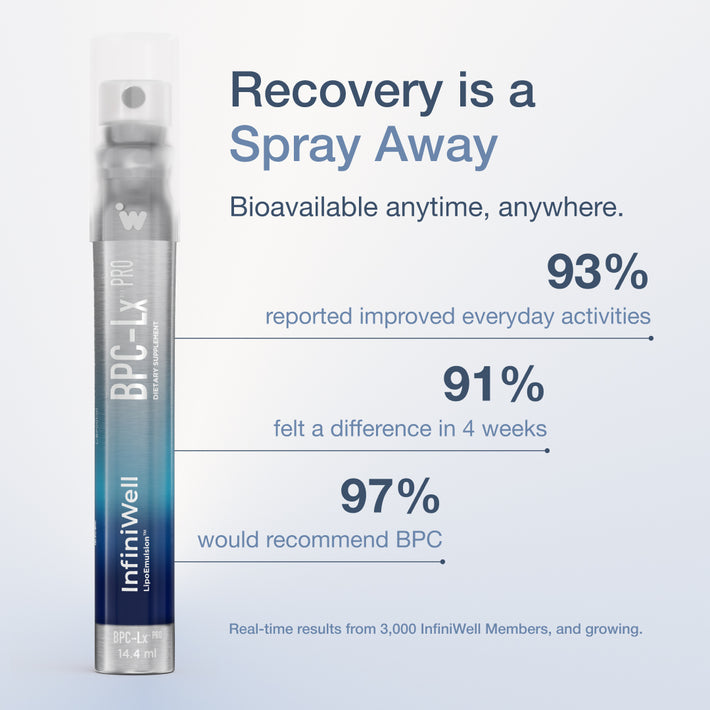
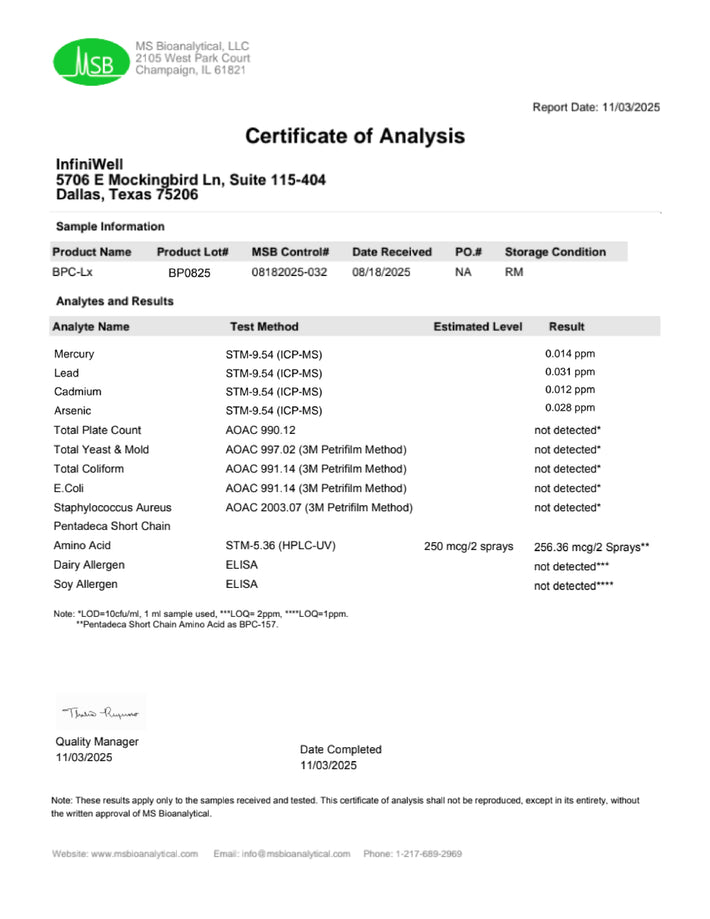
You're looking for non-injection convenience: BPC-Lx Pro and InfiniWell's broader oral BPC range are designed for convenient oral use within dietary supplement guidelines—no injections, no complicated protocols.
A realistic expectation worth keeping in mind: InfiniWell's formulas are designed to support normal gut function and overall wellness as part of a broader routine, alongside a healthy diet, adequate fiber, and the lifestyle basics that help your digestive system function well.
If you're taking other dietary supplements, managing a health plan, or want personalized guidance, it's smart to talk with a qualified healthcare professional before adding something new.
Simple habits, smarter supplements: A practical approach to gut health
Most of the time, the biggest digestion wins aren't flashy. They're the unsexy basics: chewing your food, drinking enough water, eating more fiber from whole grains and plants, moving daily, and giving your body breathing room from constant stress.
From there, digestive health supplements can be genuinely useful tools, especially when used strategically. Probiotic supplements, digestive enzymes, prebiotics, and targeted options like oral BPC work best when your foundation is already in place, not in place of one.
The most sustainable path is also the simplest: build habits you can repeat, then use supplements to support your routine.
Have questions about which InfiniWell products might be the right fit for your routine? Reach out to our customer service team directly. We're here to help you find an approach that makes sense for your needs and lifestyle.
Digestion supplements: FAQs
-
SOURCES
You May Also Like
View All Articles

What Is KPV?
What is KPV, and why is it gaining attention in peptide research? Learn how this three-amino-acid peptide works, how it compares to BPC, and what current research suggests about its role in everyday wellness.
What Is KPV?
What is KPV, and why is it gaining attention in peptide research? Learn how this three-amino-acid peptide works, how it compares to BPC, and what current research suggests about its role in everyday wellness.