



























Key takeaways
-
There's no single best peptide for scalp wellness. The right fit depends on your goals, routine, and how peptides sit alongside the rest of your scalp care.
-
Zinc thymulin is a thymic peptide paired with zinc, with early research exploring its signaling role around immune cells and the hair cycle. Evidence is preliminary.
-
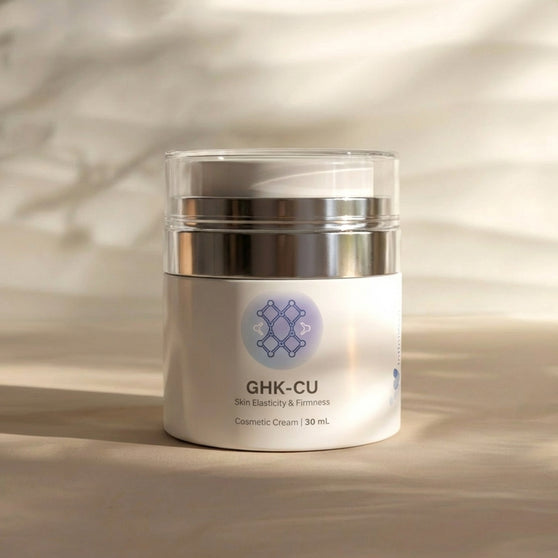
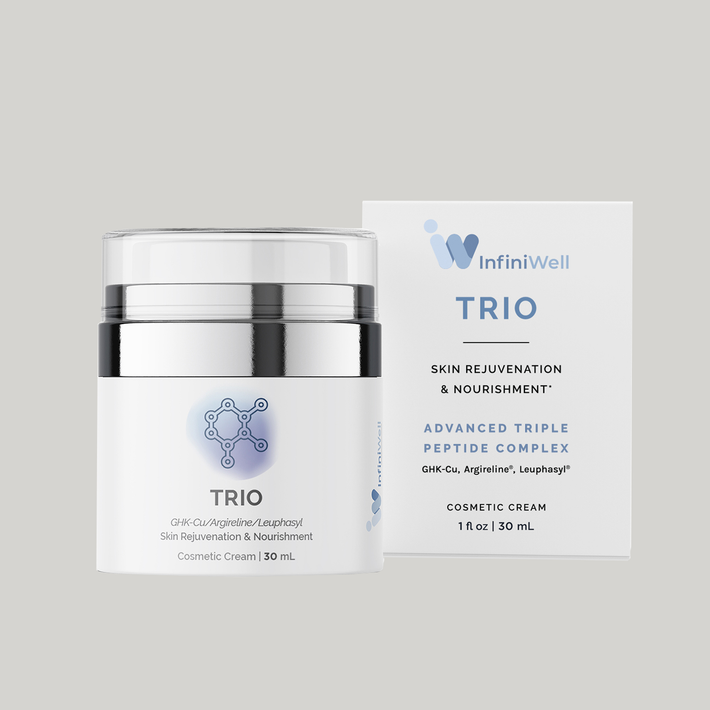
GHK-Cu is a copper peptide widely used in cosmetic formulations, with a longer research history focused on skin and the scalp environment.
-
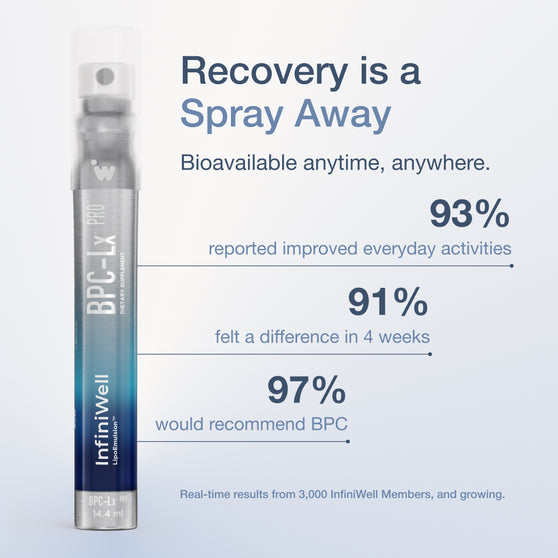
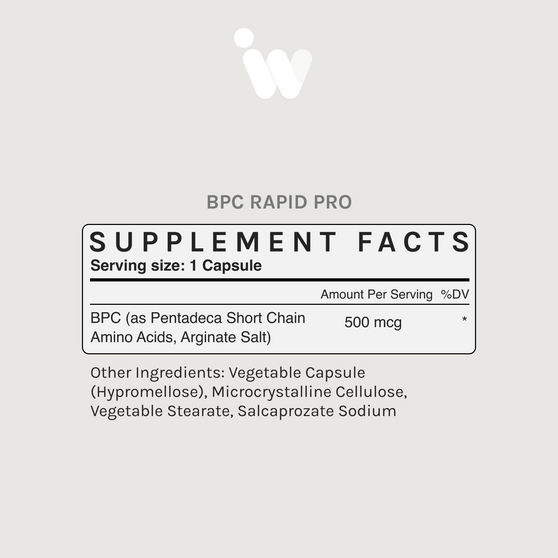
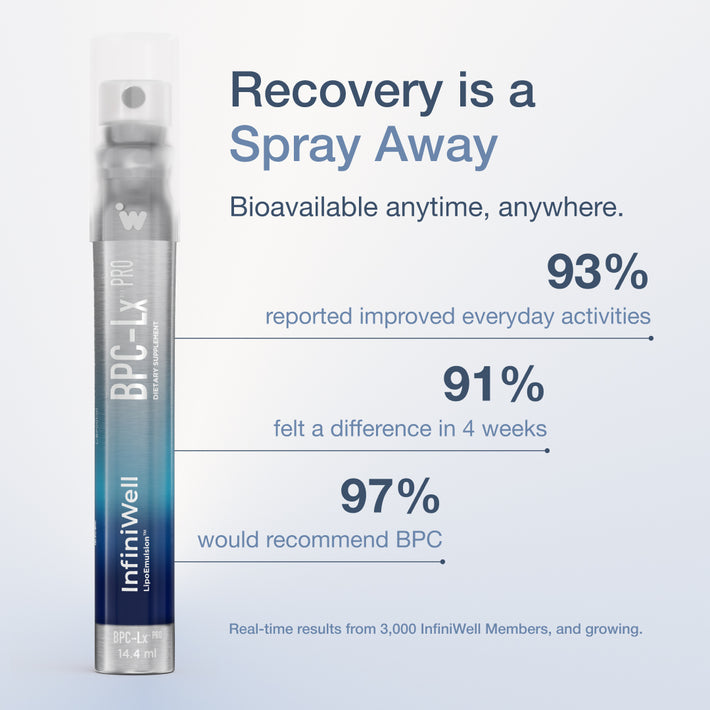
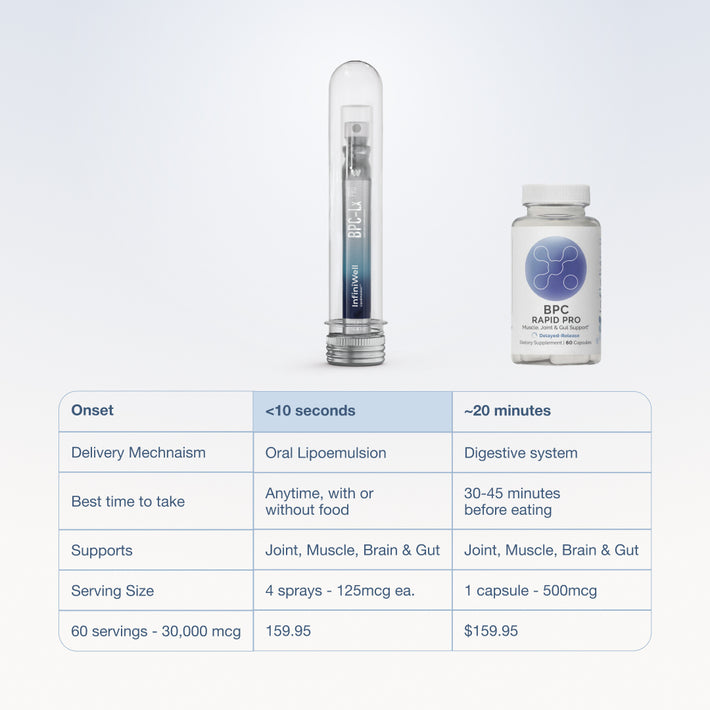
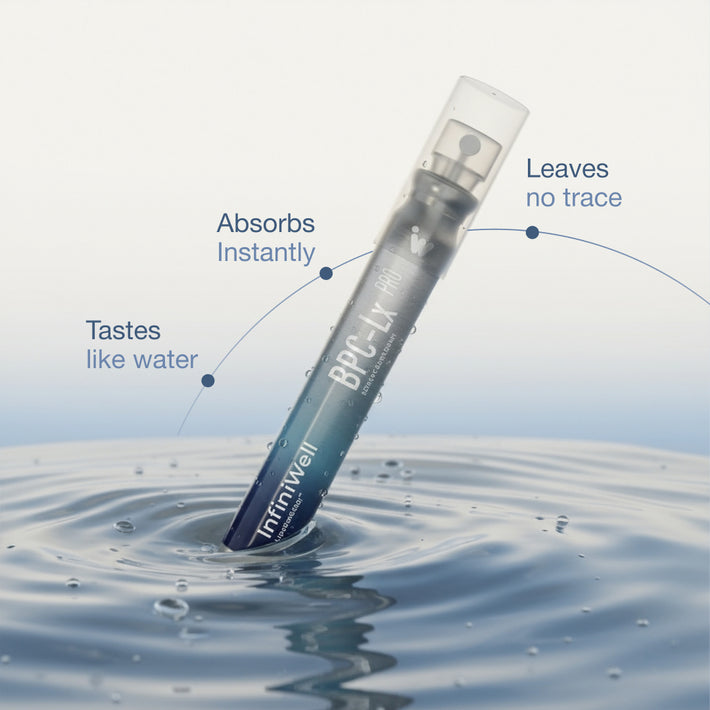
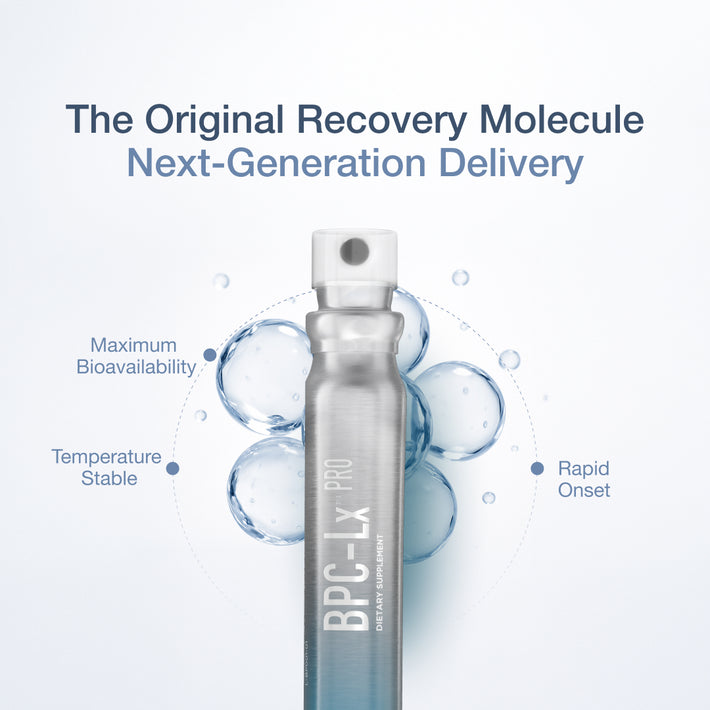
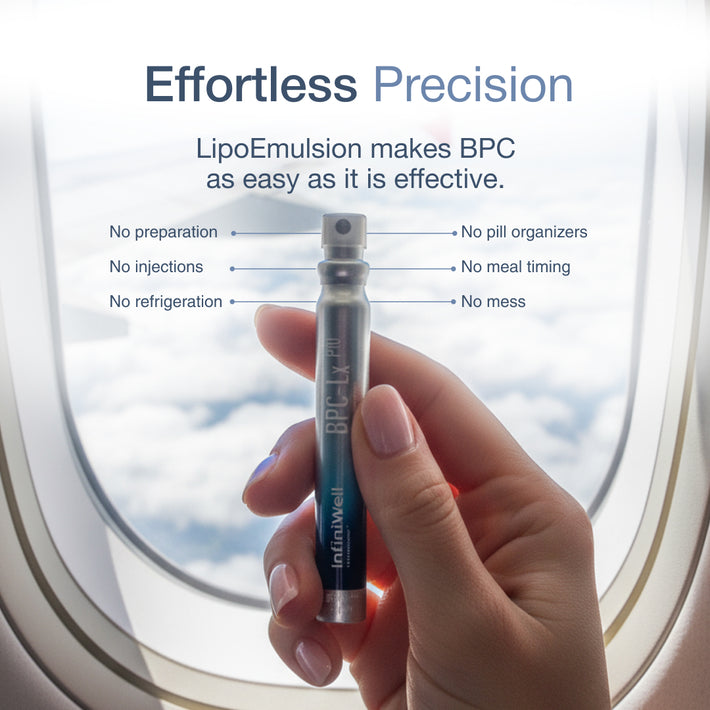
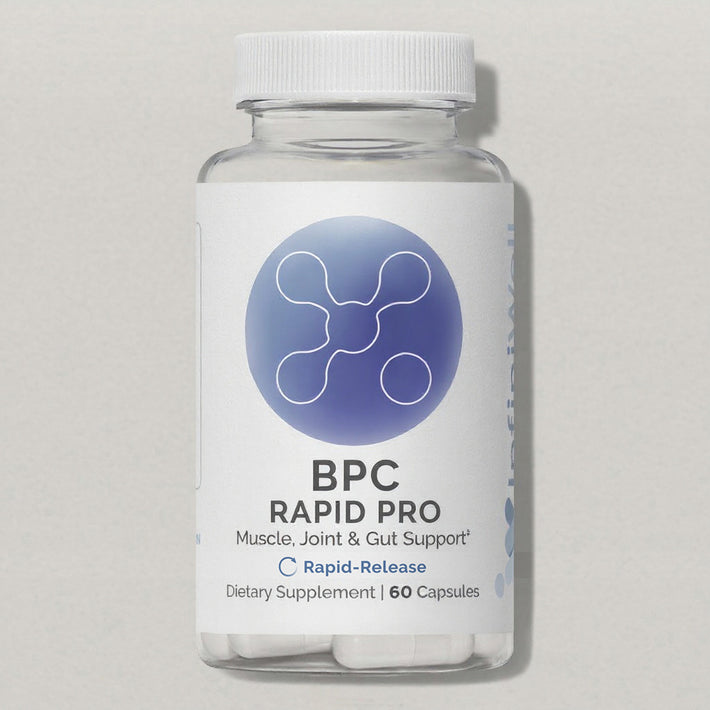
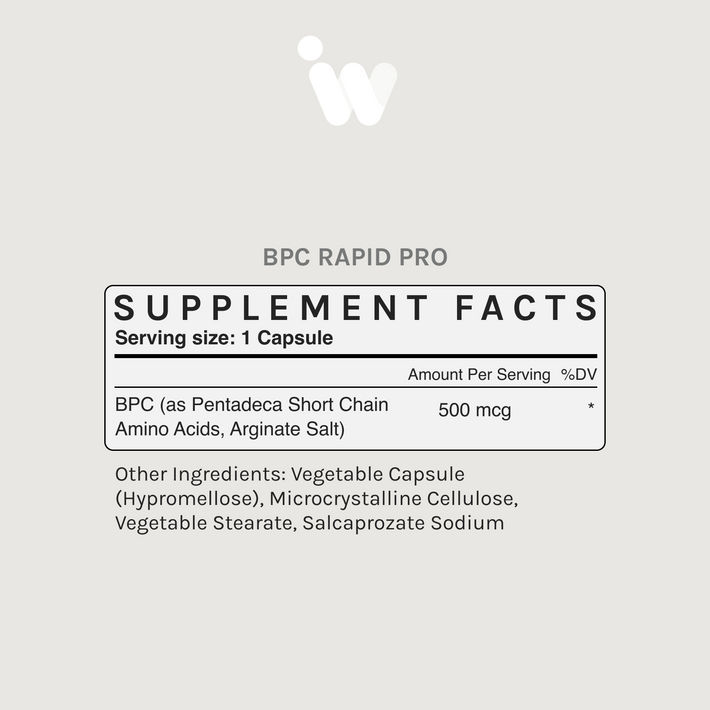
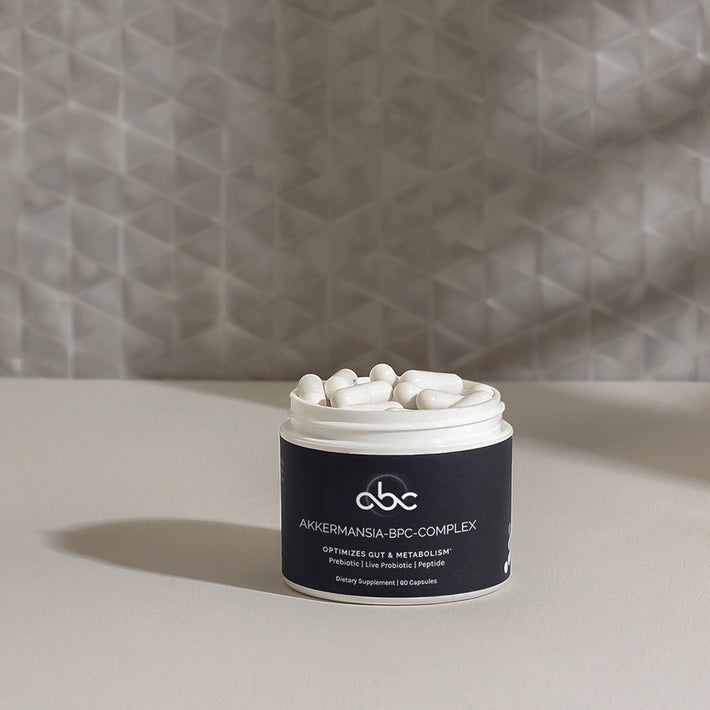
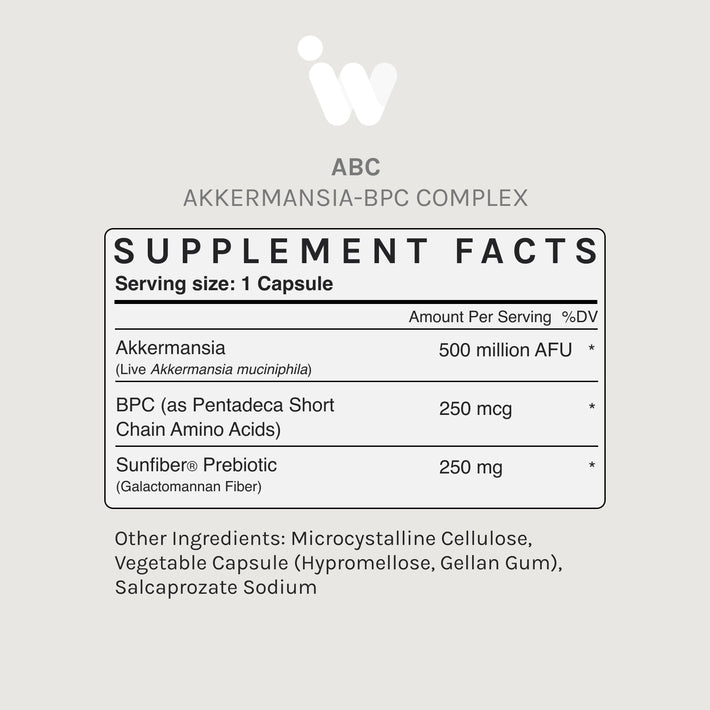
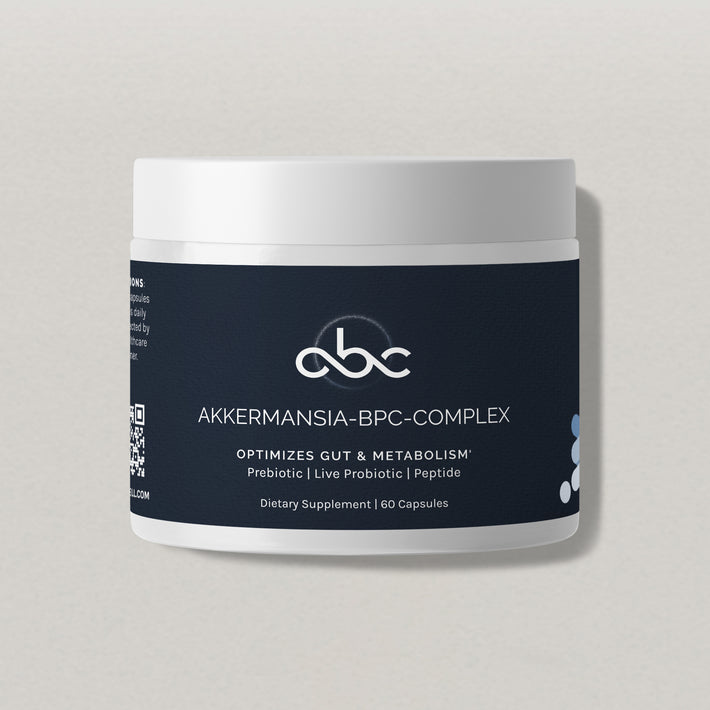
BPC-related peptides come up in broader peptide discussions, but evidence specific to scalp and hair appearance is limited.
-
Peptides work best as one supporting piece of a personalized plan, alongside nutrition, lifestyle, and a consistent topical routine.
If you've spent any time in scalp wellness corners of the internet, you've probably seen zinc thymulin pop up next to GHK-Cu, BPC peptides, and a handful of others, each one positioned as the answer for thinning hair.
The truth is more layered. There's no single best peptide for scalp wellness, only the one that fits your goals, routine, and the rest of your scalp care plan.
This article walks through how the most-discussed peptides differ, with a closer look at zinc thymulin.
Hair peptides in simple terms
Peptides are short chains of amino acids, the building blocks of proteins. Your body uses them as signaling molecules, passing instructions between cells about when to grow, rest, or carry out specific functions.
When people talk about hair peptides, they usually mean peptides studied or formulated with the scalp environment, hair follicles, and the hair cycle in mind. Some are taken in supplement form, while others appear in topical serums applied directly to the scalp.
Common categories include thymic peptides like zinc thymulin and copper peptides like GHK-Cu.
Peptides and scalp wellness: What's the connection?
The scalp is skin, and like any skin on your body, its environment plays a big role in healthy-looking hair. Hair growth runs through a cycle with several phases:
-
A growth phase where new growth pushes the strand longer
-
A transition phase where the follicle prepares to rest
-
A resting and shedding phase where older hair makes room for new strands
When this cycle is disrupted by stress, hormones, aging, or systemic factors, you may notice more shedding, a widening part, or thinning hair.
Peptides come into the conversation because of how they interact with biological signaling around the follicle, including how immune cells like T cells communicate within scalp tissue. The science here is early, with most studies based on cell models and small trials.
What is zinc thymulin, and what sets it apart?
Zinc thymulin pairs the peptide thymulin with zinc. Thymulin is naturally made by the thymus, a small gland involved in normal immune function, which is what makes it a "thymic" peptide. Without zinc, thymulin stays inactive, so the two are paired together.
Early research suggests thymulin may interact with signaling pathways involving immune cells and T cells, the same pathways researchers also study around follicle health. Some preliminary studies have looked at zinc thymulin peptide as a topical option in conversations around the appearance of thinning hair, with a focus on whether it can support the appearance of fuller-looking hair over weeks of regular use.
Research is ongoing and not definitive, and results can vary from person to person.
Comparing common peptides for scalp support
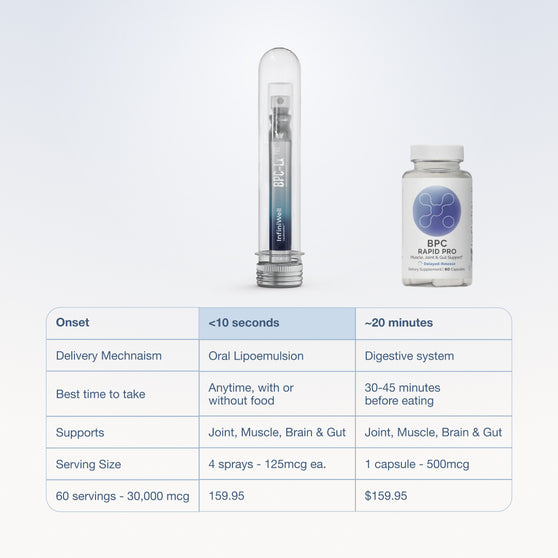
Here are how some of the most-discussed hair peptides differ at a high level. Other peptides like BPC also come up in broader peptide conversations, though they're more commonly discussed in different contexts.
Zinc thymulin peptide
Zinc thymulin's appeal in scalp discussions comes from research into how thymulin signals to immune cells and T cells, and it's usually used as part of a longer plan rather than a standalone solution.
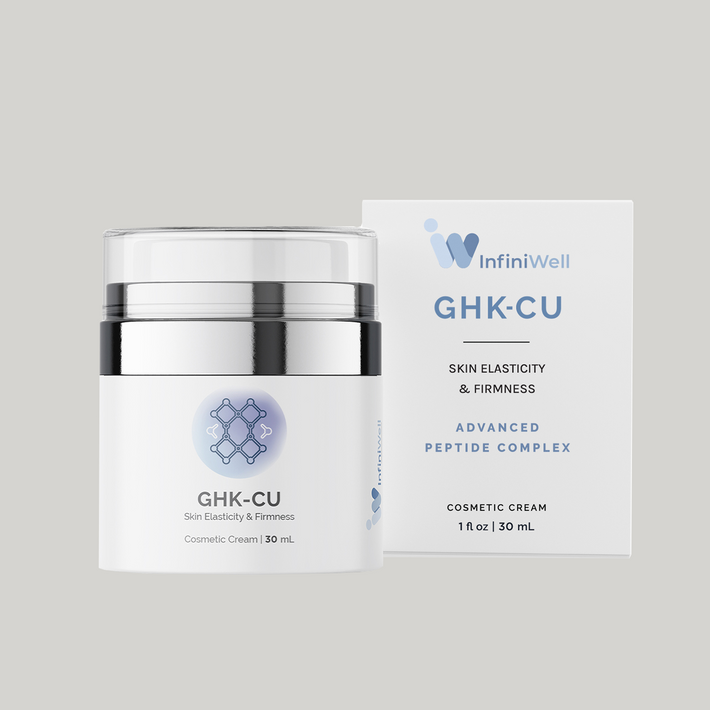
GHK-Cu (copper peptides)
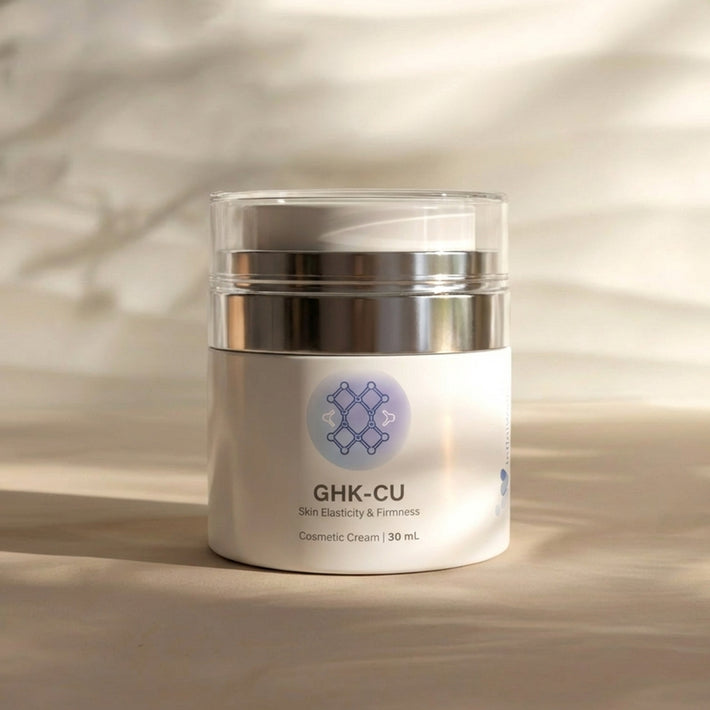
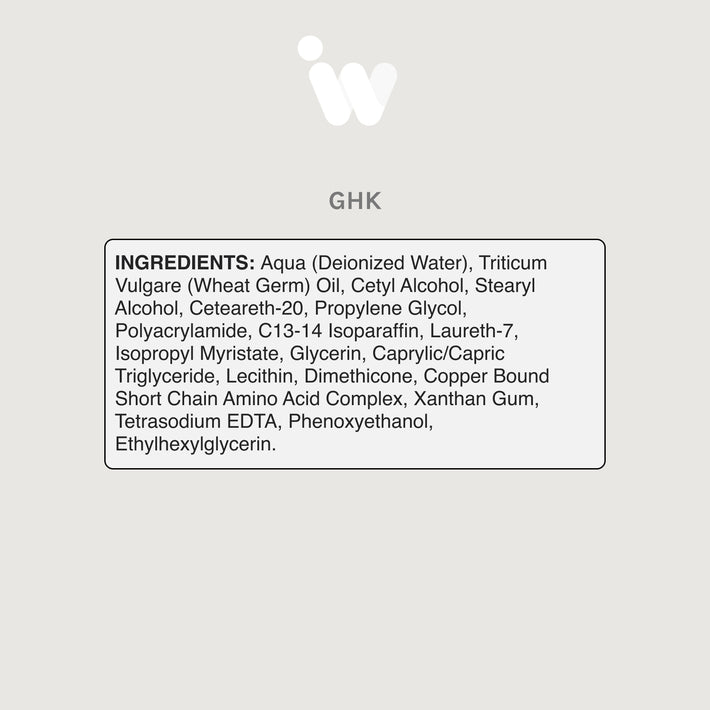
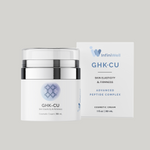
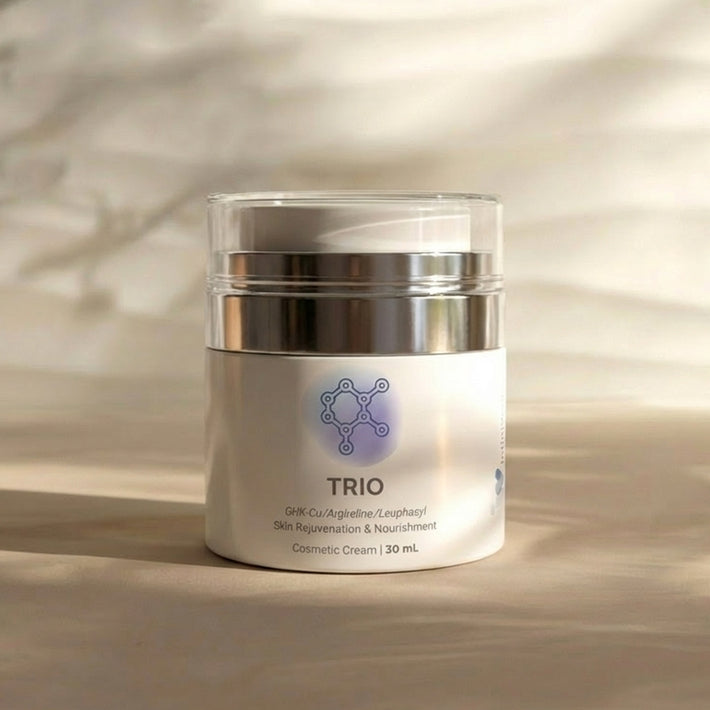
GHK-Cu is a copper peptide best known in cosmetic and topical formulations focused on the appearance of skin and the scalp environment. Research on GHK-Cu is broader and a bit older than the zinc thymulin literature, and many people use it alongside other peptides.
Related reading:
Building a simple scalp wellness plan
A scalp wellness plan does not have to be complicated. Most patterns in this space come down to a few simple pieces:
-
Nutrition: Eat for general wellness, with adequate protein, zinc, iron, and essential fatty acids.
-
Scalp care: A consistent routine that includes gentle cleansing, occasional exfoliation, and a topical regimen helps support a healthy scalp environment.
-
Lifestyle: Stress management and quality sleep support how the scalp environment behaves day to day.
-
Topicals and supplements: This is where peptides like zinc thymulin and GHK-Cu sit, as one piece of a broader plan.
Consistency is the part most people underestimate. Many studies on hair-related ingredients run for 3-6 months, which reflects how long it can take to see visible changes as hair follicles move through their natural growth and shedding phases.
The bigger picture on scalp wellness
Scalp wellness comes back to balance and expectations. Peptides like zinc thymulin and GHK-Cu show up in this conversation because they may support normal signaling around the follicle, not because any single peptide is a miracle option. The best results tend to come from a steady, layered approach over weeks and months.
If you're building that kind of routine, InfiniWell's hair and scalp supplements are an option to consider.
What to read next:
Hair peptides: FAQs
-
SOURCES
You May Also Like
View All Articles

The Best Way to Take NMN: With or Without Food?
Wondering about the best way to take NMN? Learn what research says about daily amounts, taking NMN with or without food, timing, and choosing a quality supplement.

Sun-Damaged Skin: Signs, Root Causes, and Smart Skincare Upgrades
Daily environmental stressors can take a toll on your skin. Discover how GHK-Cu supports healthy skin and overall skin wellness.