



































Key takeaways
-
Peptides are short chains of amino acids that signal skin cells to carry out functions like collagen production, which helps skin stay firm, smooth, and youthful-looking.
-
Different peptide types play different roles: signal peptides support collagen, carrier peptides deliver trace minerals, and others support the skin’s barrier and resilience.
-
Copper peptides like GHK-Cu are among the most researched for the look of skin firmness and a smoother, more even appearance.
-
Peptides work gradually. Most people give a well-formulated product several weeks of consistent use, ideally paired with daily sunscreen, before judging results.
-
Results vary from person to person, and topical peptides support the skin’s appearance rather than replacing professional skincare advice.
Imagine a world where your skin could defy time, bouncing back from daily stressors and environmental damage. That world is closer than you think, thanks to the incredible power of peptides.
These tiny protein fragments are widely used in serums and creams for their role in keeping skin firm, smooth, and youthful. And unlike passing beauty trends, peptides have a strong scientific foundation.
In this guide, we’ll break down what peptides are, their amazing benefits, and how to use them for your best skin yet. Whether you're new to skincare or a seasoned enthusiast, understanding peptides can make a real difference in your routine.
What are peptides in skincare?
At their core, peptides are short chains of amino acids, the building blocks of proteins like collagen and elastin that keep skin firm, bouncy, and youthful.
Peptides in skincare are classified based on their specific functions, with each having a unique role that supports skin health in different ways. This classification can help you understand how they work and why they're beneficial.
Here’s an overview of the main types of peptides:
Signal peptides
Signal peptides act as messengers in the skin, sending signals to cells to support processes like collagen production. They “signal” the skin to produce more proteins, which helps maintain firmness, smoothness, and elasticity.
Some examples of commonly used signal peptides in skincare:
-
Palmitoyl pentapeptide-4: Often used to reduce the appearance of fine lines and wrinkles.
-
Matrixyl 3000: A combination of two peptides, palmitoyl pentapeptide-3 and palmitoyl tetrapeptide-7, which work together to support collagen production and skin elasticity.
-
Argireline: Often referred to as a "natural Botox" because of its ability to help relax facial muscles, reducing the appearance of wrinkles.
Note that while peptides are effective, it may take several weeks or months of consistent use to see noticeable results.
Carrier peptides
Carrier peptides, as the name suggests, “carry” essential minerals to the skin. They transport trace elements like copper and magnesium to the skin cells, supporting functions like natural renewal and collagen production.
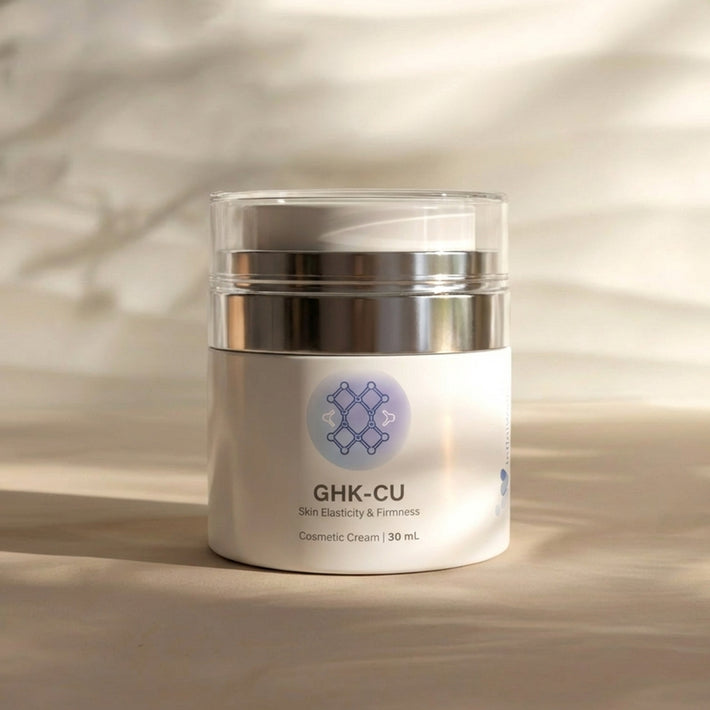
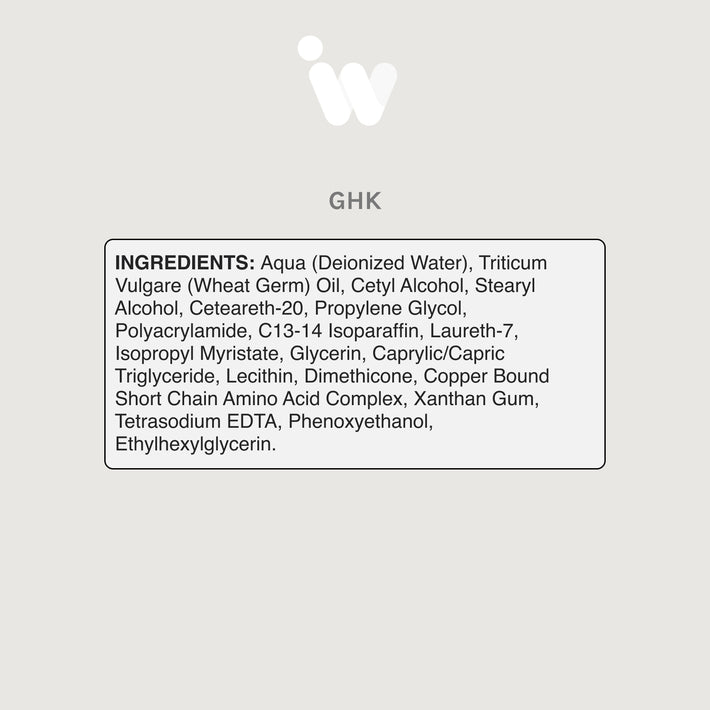
For example, copper peptides (like GHK-Cu) are known carrier peptides that support the skin’s natural processes and offer antioxidant benefits. Carrier peptides may also assist in delivering supportive ingredients to the skin’s surface, complementing the natural removal of dead skin cells by exfoliants like glycolic and salicylic acids.

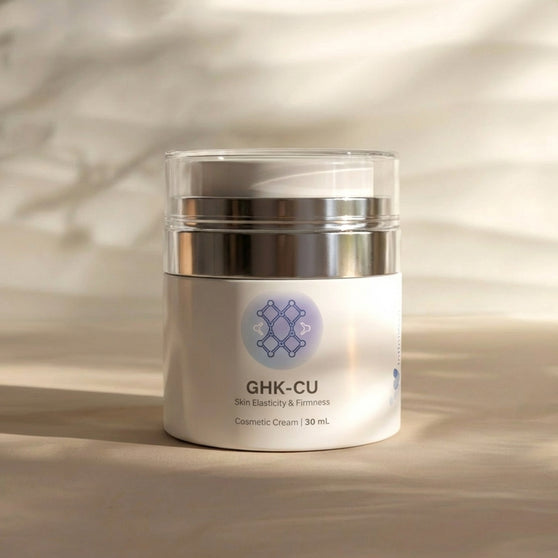
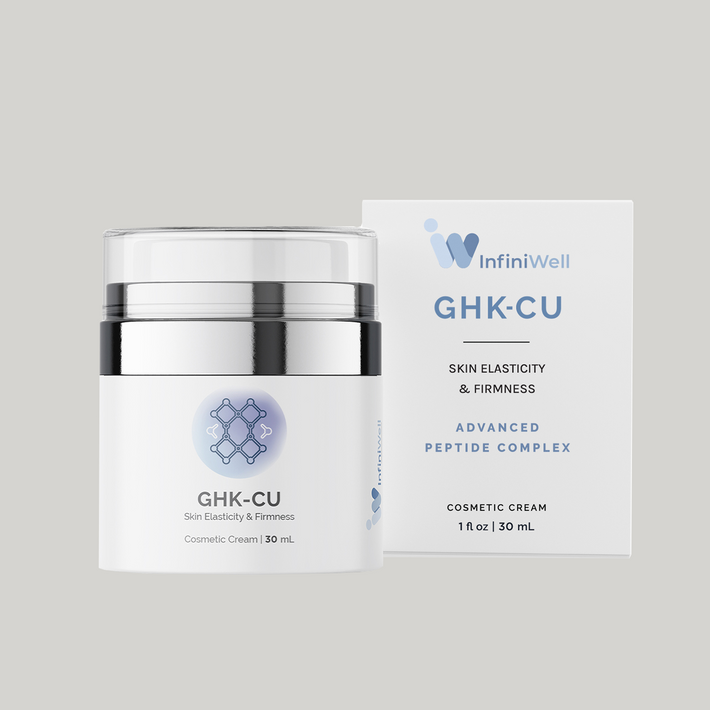
InfiniWell's GHK-CU product is designed to reduce the appearance of wrinkles and fine lines while supporting healthy collagen synthesis, elastin, and skin structure proteins. It provides a smooth finish, making it a beneficial addition to anti-aging skincare.
Get the InfiniWell GHK-CU for Skin Nourishment and Hydration here.
Other examples of carrier peptides include:
-
Magnesium peptides: Deliver magnesium to the skin, which is important for cellular energy production and skin hydration.
-
Zinc peptides: Support the skin's resilience against oxidative stress and external stressors.
Enzyme inhibitor peptides
These peptides help nourish and fortify your skin’s collagen by influencing enzymes that break it down, such as matrix metalloproteinases (MMPs), keeping skin strong and youthful. They offer supportive benefits for the look of skin as it ages and work well in the right peptide skin product.
While there aren't specific, widely recognized names for individual enzyme inhibitor peptides like there are for signal peptides, many skincare products contain peptide blends that include these types of peptides.
When looking for skincare products with enzyme inhibitor peptides, look for ingredients like:
-
Soybean peptides: Have the ability to limit the prevalence of MMPs, helping reduce the visible appearance of wrinkles and promote skin elasticity.
-
Rice peptides: Also have MMP-limiting properties and can help shield the skin from excessive oxidative stress.
Neurotransmitter peptides
Neurotransmitter peptides are often referred to as "Botox-like" peptides because they work by temporarily relaxing facial muscles. They regulate signals between nerves and muscles, which in turn normalizes muscle contractions; overactivity in facial muscles can create visible expression lines, such as crow’s feet and forehead wrinkles.
A common neurotransmitter peptide is Argireline (acetyl hexapeptide-8), which helps soften expression lines without the need for injections.
A few other examples of neurotransmitter peptides:
-
Acetyl hexapeptide-8: Works similarly to Argireline, helping relax facial muscles and reduce the appearance of wrinkles.
-
Pentapeptide-18: Targets specific muscle receptors, helping reduce the intensity of muscle contractions and minimize the formation of wrinkles.
Note that while neurotransmitter peptides can be effective, they may not match the instant or dramatic effects of Botox. However, they offer a less invasive and more affordable option for many, and with consistent use, they can gradually help soften the appearance of lines and wrinkles.

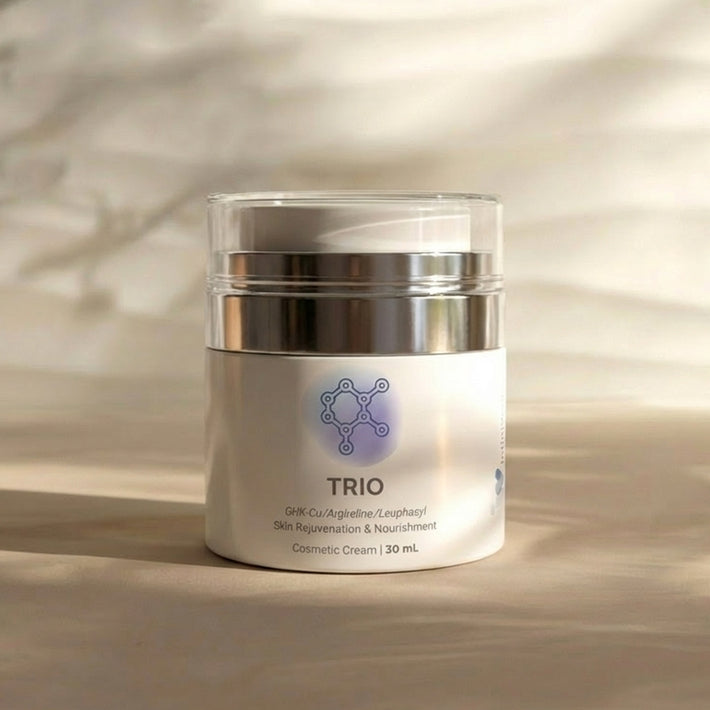
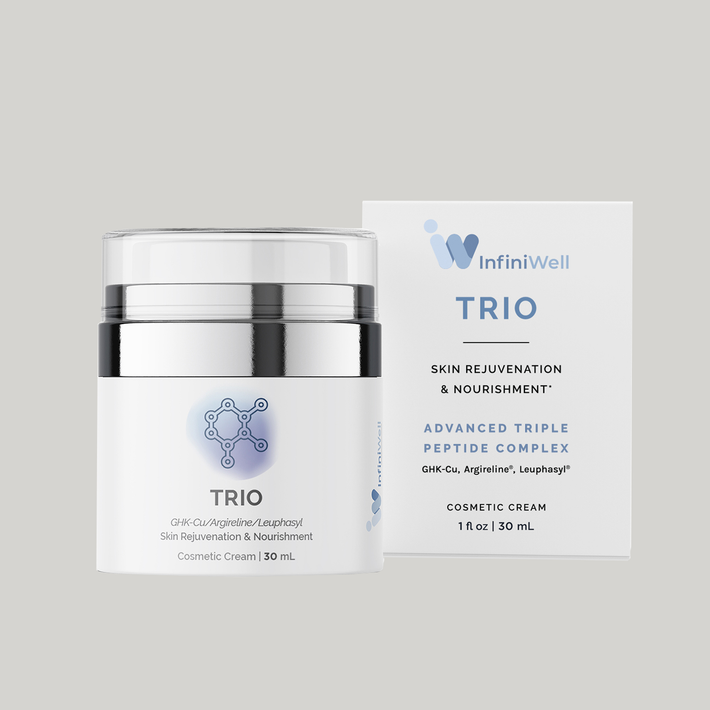
InfiniWell's TRIO product is a synergistic blend of peptides, including GHK-Cu, Argireline, and Leuphasyl, designed to reduce the visible appearance of wrinkles by relaxing facial muscles and supporting the body’s natural ability to produce and strengthen collagen and elastin. It promotes moisture retention as well, giving the skin a smooth, hydrated finish.
Get the InfiniWell TRIO Synergistic Solution for Face Wrinkling here.
Bacterial balancing peptides
These peptides help balance the skin’s population of beneficial and potentially harmful bacteria. Bacterial balancing peptides support the skin's natural immune defense and can be particularly helpful for sensitive skin, prone to irritation and breakouts. They’re used in some skincare products to aid in the skin's resilience and clarity.
Some examples of antimicrobial peptides found in skincare products:
-
Human beta-defensins (hBDs): Naturally produced by the skin and play a crucial role in its immune defense.
-
Cathelicidins: Another type of natural peptide produced by the skin. They provide broad-spectrum microbial support.
-
Synthetic antimicrobial peptides: Laboratory-created peptides designed to mimic the structure and function of natural bacterial balancing peptides. They can offer multiple benefits.
Related reading:
Why peptides matter in skincare
As we age, our skin’s natural production of collagen peptides and other essential proteins starts to decline—by about 1% each year after age 30. This is where peptides that support the skin's natural renewal and defense processes become essential for maintaining healthy, resilient skin.
What makes peptides particularly valuable is their ability to work on multiple levels. Unlike single-function ingredients that target just one concern, peptides offer comprehensive support for your skin’s health and appearance.
Support for natural aging
-
Act as messengers that support collagen production, helping maintain the skin’s strength and structure
-
Support natural renewal processes, helping soften existing signs of aging
-
Support the skin against external elements that play a role in visible aging
-
Work gradually and gently, unlike aggressive products that may stress the skin
Maintenance of skin texture and firmness
-
Support the skin’s collagen framework to soften the appearance of fine lines
-
Promote a smoother, more refined texture over time
-
Retain the skin’s natural bounce and elasticity
-
Maintain firmness by supporting structural proteins
-
Minimize the appearance of pores by strengthening skin structure
Hydration and nourishment
-
Support the skin’s moisture barrier, preventing water loss
-
Synergize with other moisturizing ingredients to lock in hydration
-
Support natural hyaluronic acid production to maintain moisture levels
-
Promote a supple, plump appearance by helping skin retain moisture
-
Maintain healthy hydration without a heavy or greasy feel
Benefits of using peptides for the face
While peptides benefit skin all over the body, they truly shine when used on facial skin, where signs of aging and environmental damage often appear first.
Anti-aging benefits
-
Help reduce the appearance of expression lines, especially around the eyes and forehead
-
Maintain skin firmness, particularly in areas prone to sagging like the jawline and cheeks
-
Visibly soften deep wrinkles through collagen support
-
Create a more even skin tone and reduce the appearance of age spots
-
Promote natural radiance through healthy skin cell turnover
Healthy skin barrier
-
Support the skin’s natural defensive barrier against environmental stressors
-
Help protect against moisture loss, essential for maintaining plump, healthy-looking skin
-
Support the skin’s natural renewal processes, particularly helpful after sun exposure or environmental stress
-
Support skin resilience against daily aggressors like pollution and UV damage
-
Help maintain healthy pH levels for healthy skin function
Overall skin vitality
-
Promote a more energized, refreshed appearance
-
Support natural skin cell renewal for a youthful glow
-
Maintain skin’s natural bounce and elasticity
-
Maintain skin texture and tone for a more refined appearance
-
Promote a balanced, radiant complexion
To get the most from these benefits, consistent, long-term use and selecting products with stable, well-formulated peptide complexes are key. When used as part of a comprehensive skincare routine, peptides can help create and maintain healthy, radiant skin that looks great at any age.

How to incorporate peptides into your skincare routine
Getting the most out of peptide-based skincare doesn’t require a complicated routine—it’s all about smart application and consistency.
Here’s how to make peptides work effectively in your daily regimen.
Choose the right product
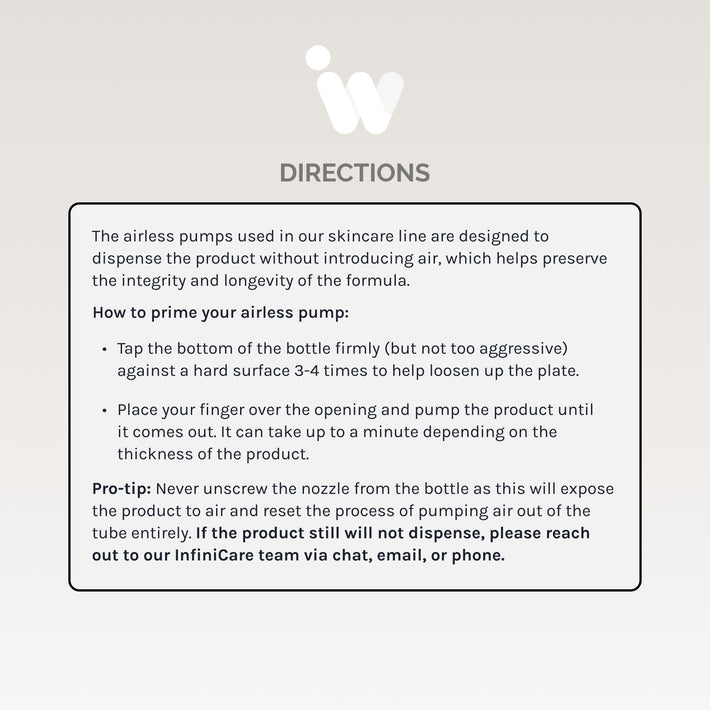
Start with a peptide serum as your foundation product. Serums provide a concentrated amount of peptides and generally penetrate better than creams or masks. When shopping, look for products where peptides are listed within the first 5-10 ingredients and come in airless pump packaging to maintain stability.
Quality counts more than quantity. One well-formulated peptide product is better than multiple mediocre ones.
Combine peptides with other ingredients
Peptides work well with other ingredients, especially:
-
Hyaluronic acid for lasting hydration
-
Niacinamide for barrier support
-
Antioxidants for environmental protection
However, avoid using peptides at the same time as direct acids (like AHAs/BHAs) or high-strength vitamin C, as these can reduce their effectiveness. Instead, use these active ingredients at different times of day or on alternate days.
Daily use recommendations
The key to success with peptides is consistency and proper application. After cleansing, apply your peptide product to slightly damp skin. Let it absorb for a minute before layering other products. In the morning, always finish with sunscreen to protect your skin while peptides work to support its structure.
For best results, use your peptide products twice daily, morning and night. Initial changes may appear within 4-6 weeks, but the most noticeable results typically take 8-12 weeks of consistent use. Peptides work gradually to support your skin’s natural processes, making them a long-term investment in your skin’s health.
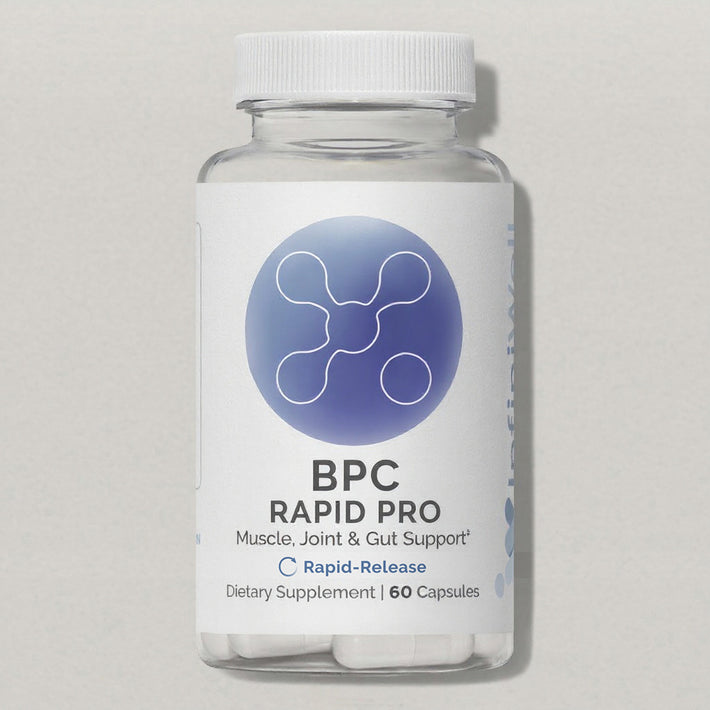
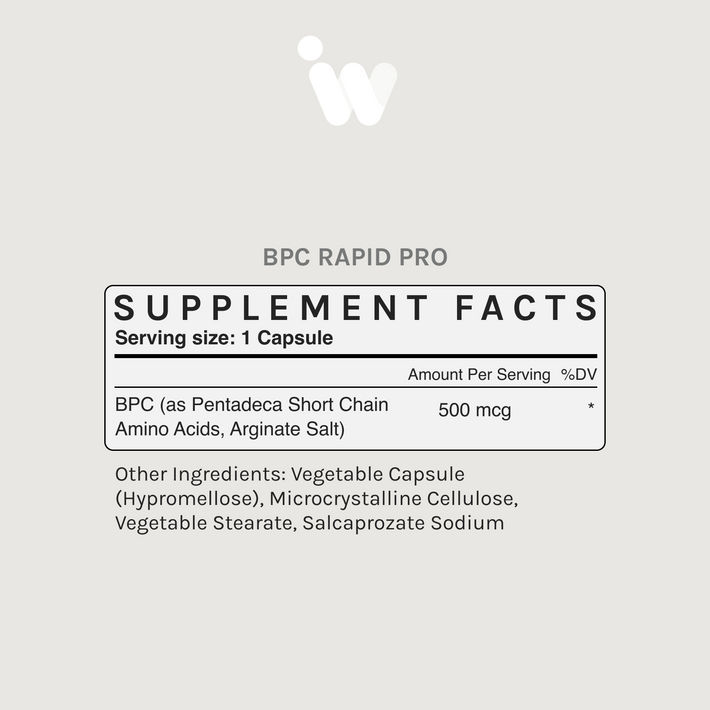
BPC-157 for the skin: What the science says
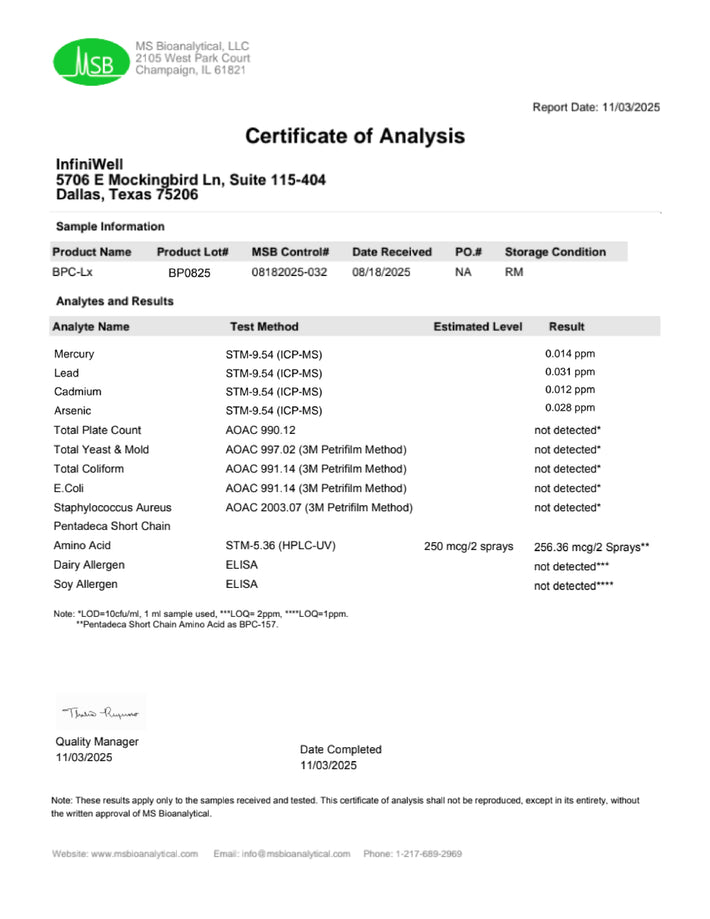
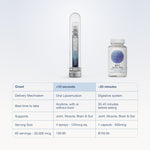
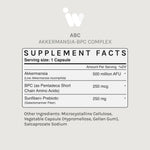
Body Protection Compound-157 (BPC-157) is a peptide that has gained attention in skincare research. Originally studied in relation to digestive wellness, it's now being explored for its potential relationship with skin wellness.
Current research
Early studies suggest that BPC-157 may support the body's natural processes through several mechanisms:
-
Promoting the formation of new blood vessels and nutrient delivery to skin cells
-
Supporting collagen production
-
Assisting the body’s natural skin cell renewal
Potential for skincare
While research is promising, further studies are exploring the best application methods for skincare. Current applications being explored include supporting the skin barrier, softening the look of uneven areas, and supporting skin after everyday stress.
Important considerations
Research on topical BPC-157 is still emerging, and more studies are needed to fully understand:
-
Suitable concentrations for skincare use
-
Best delivery methods for topical application
-
Long-term effects and safety profile
-
Most effective formulation techniques
As research continues to evolve, consult with skincare professionals before incorporating new peptide technologies like BPC-157 into your routine. Always choose products from reputable manufacturers who can provide evidence for their formulation's effectiveness.
Related reading:
Peptides deserve a place in your skincare routine
Peptides are powerful, science-backed ingredients that offer a range of benefits for skin health, especially as we age. By supporting collagen production, maintaining healthy skin texture and hydration, and helping strengthen the skin’s barrier, peptides may provide comprehensive, long-term benefits that go beyond surface-level results.
Whether you're looking to reduce fine lines, support firmness, or simply support overall skin vitality, adding peptides to your skincare routine can be a game-changer.
Peptides for skin: FAQs
-
SOURCES
You May Also Like
View All Articles

Did the FDA Just Change the Rules on Peptides? What the July 2026 Vote...
A July 2026 FDA advisory committee vote put peptides back in the spotlight. We break down what was recommended, how the 503A compounding process works, and what consumers should know.

Sun-Damaged Skin: Signs, Root Causes, and Smart Skincare Upgrades
Daily environmental stressors can take a toll on your skin. Discover how GHK-Cu supports healthy skin and overall skin wellness.