




















































Key takeaways
-
Peptides for immunity offer targeted support by interacting with cells involved in normal immune function and helping maintain immune balance.
-
Peptides like BPC-157, glutathione peptides, and antimicrobial peptides play distinct roles in gut health, oxidative stress management, and healthy immune function.
-
Consistent use and pairing peptides with healthy habits like sleep, nutrition, and movement can strengthen their effectiveness in supporting resilience.
-
Peptide therapy is backed by emerging research and may support not only immune health but also cellular survival, energy production, and overall wellness.
Your immune system serves as your body's built-in support system, constantly helping maintain normal immune function as you encounter everyday environmental and lifestyle stressors.
In a world where immune challenges, lifestyle habits, and environmental factors can take a toll, supporting your immune function is more important than ever. That’s where peptide therapy comes in, a science-backed, natural way to help your body maintain its resilience.
Maybe you've wondered, "What is a peptide, and how can it support my health?" It's a fair question. For many people, peptides are still a relatively new concept. But researchers are increasingly exploring their potential role in immune function and overall well-being.
What are peptides, and how do they support your immune system?

To understand how peptides support your immune system, we need to start with the basics. Peptides are short chains of amino acids, the building blocks of proteins. Think of them as messengers in the body, molecules that communicate with cells to help carry out specific functions, including how immune cells communicate and support normal immune function.
Unlike proteins, which are larger and more complex, peptides are smaller and more targeted. Their size allows them to interact more easily with cells and support innate immune responses. This direct line of communication is part of what makes peptides appealing in the health and wellness space. They're naturally occurring, versatile molecules that researchers continue to study for their potential role in supporting balance and resilience across various body systems.
Whether you’re brushing up or seeing these terms for the first time, here’s a quick glossary to ground the discussion:
-
Amino acids: The basic units that make up peptides and proteins.
-
Proteins: Larger, more complex molecules built from long chains of amino acids.
-
Epithelial cells: Cells that line surfaces in your body, like your skin and the lining of your gut, often the first to interact with outside threats.
-
Innate immune response: Your body’s first line of defense against invaders, reacting quickly and non-specifically to potential threats.
-
Mammalian cells: Any cells from animals with backbones, including humans. When we talk about how peptides interact with cells, we’re usually referring to these.
Also read: Are Peptides Safe? Benefits and Risks Explained
Peptides and your immune system
Your immune system is a complex network that includes antigenic peptides, dendritic cell maturation, and cytotoxic T cells, which work together to support immune responses and help maintain overall resilience.
Certain peptides, including cationic antimicrobial peptides, naturally support immune functions by acting as signaling molecules and assisting in immune modulation. They help the body maintain cellular function and immune balance. For example, antimicrobial peptides support peripheral blood mononuclear cells and aid in immune signaling.
A few more terms worth knowing:
-
Antigenic peptides: Small fragments of proteins that signal the immune system to respond. These are often what T cells recognize and react to.
-
Dendritic cell maturation: The process by which dendritic cells (immune cells that detect threats) become fully functional and help activate other immune cells.
-
Cytotoxic T cells: A type of white blood cell that helps kill infected or abnormal cells.
-
Cationic antimicrobial peptides: A class of naturally occurring peptides that researchers are studying for their role in supporting the body's normal immune defenses
-
Immune modulation: Adjusting or regulating the immune response to stay balanced—not too weak, not overactive.
-
Peripheral blood mononuclear cells (PBMCs): Immune cells found in the blood, like lymphocytes and monocytes, that help strengthen immune defense.
Why consider peptides for immune support
Imagine going through the year feeling more resilient against seasonal challenges or everyday stressors. That’s the potential of peptides for immunity—they support the body’s natural functions and help maintain overall wellness.
Here are a few reasons to consider peptides as part of your immune support routine:
-
Targeted support: Unlike many traditional supplements that offer broad or generalized effects, certain peptides interact directly with your cells to support processes like innate immune responses and healthy cellular activity.
-
Grounded in research: Emerging studies suggest that specific peptides may support healthy immune function. Meanwhile, clinical trials continue to investigate how peptides influence immune modulation and overall wellness.
-
Whole-body benefits: Peptides don’t just support immune health—they also promote cellular survival, energy production, and physical resilience.
Additional terms to know:
-
Cellular activity: The various tasks cells perform to maintain health and function, such as communication, maintenance, and defense.
-
Clinical trials: Research studies conducted with human participants to test how well a medical strategy, therapy, or substance works.
-
Cellular survival: The ability of cells to resist damage, maintain function, and stay alive under stress or adverse conditions.
-
Energy production: The cellular process of converting nutrients into usable energy, typically in the form of ATP (adenosine triphosphate).
-
Peptide therapy: The use of specific peptides to support various functions in the body, including immune system balance.
If you’re new to peptides, this peptide therapy guide can help you choose the right ones for your wellness goals.
Peptides for immunity: Key types and their roles
Not all peptides work the same way. A closer look at their unique roles can help you focus on the ones most relevant for immune support.
Here are a few of the most recognized peptides tied to immune health:
-
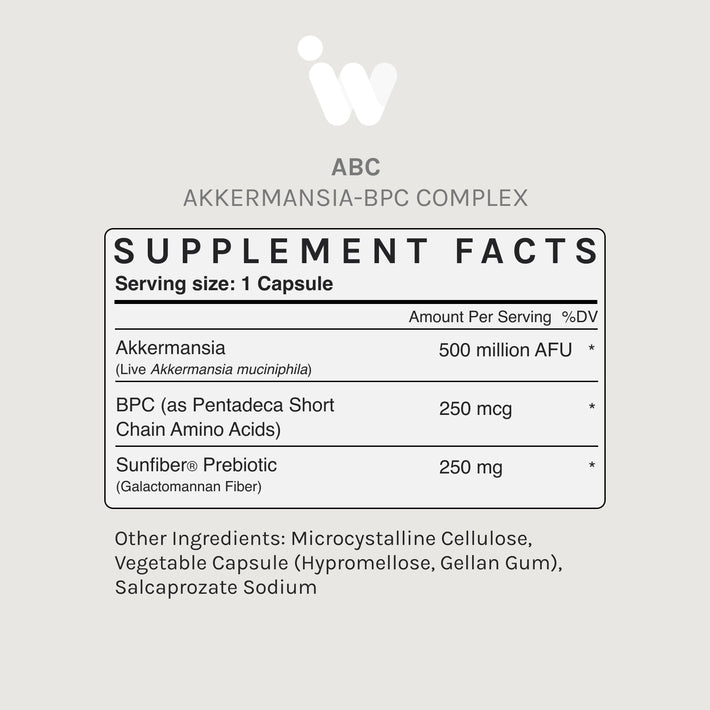
Pentadecapeptide BPC-157: Known for supporting gut health, which is critical for immune balance. Research suggests it may assist in colonic epithelial cell function.
-
Glutathione peptides: Help manage oxidative stress and promote the body’s natural antioxidant response, both of which are essential for long-term immune function.
-
Antimicrobial peptides: A naturally occurring class of peptides that researchers are studying for their role in supporting normal immune function and immune communication.
By matching your peptide use to your specific health needs, you can support both immune function and overall well-being.

How to use peptides for immune support effectively
Incorporating peptides into your routine can be straightforward, especially when you understand the different types, formats, and serving sizes. Here’s a practical guide to get started:
-
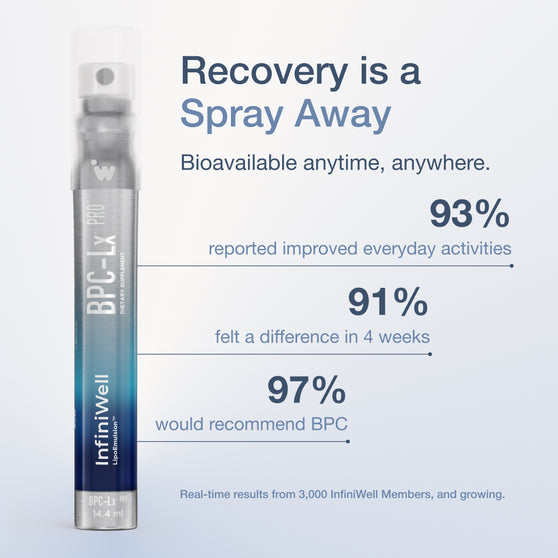
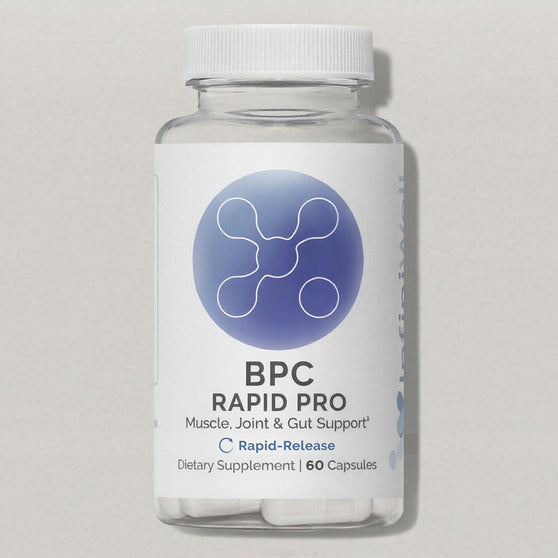
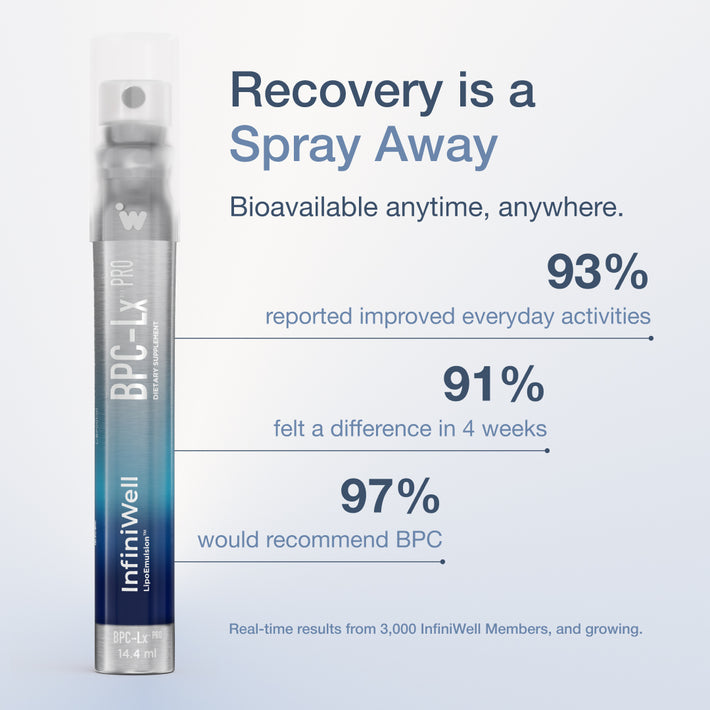
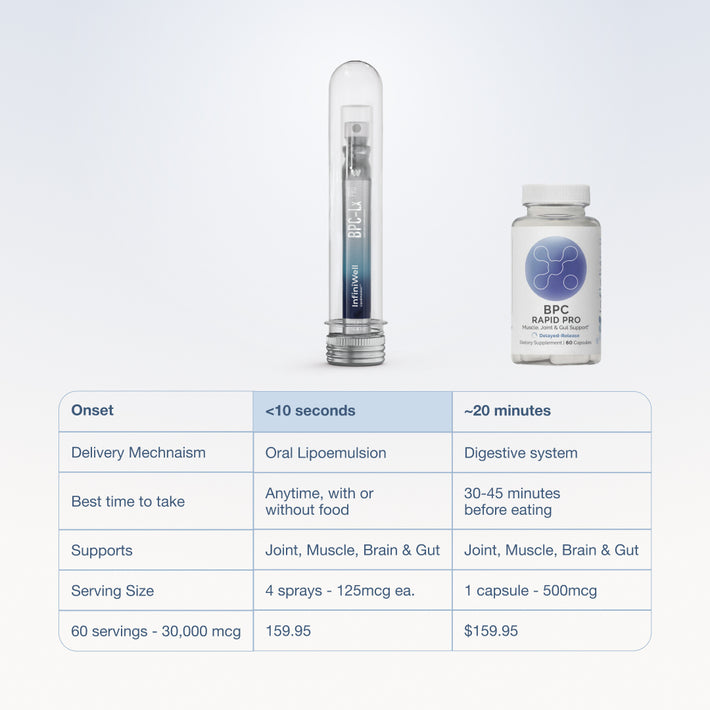
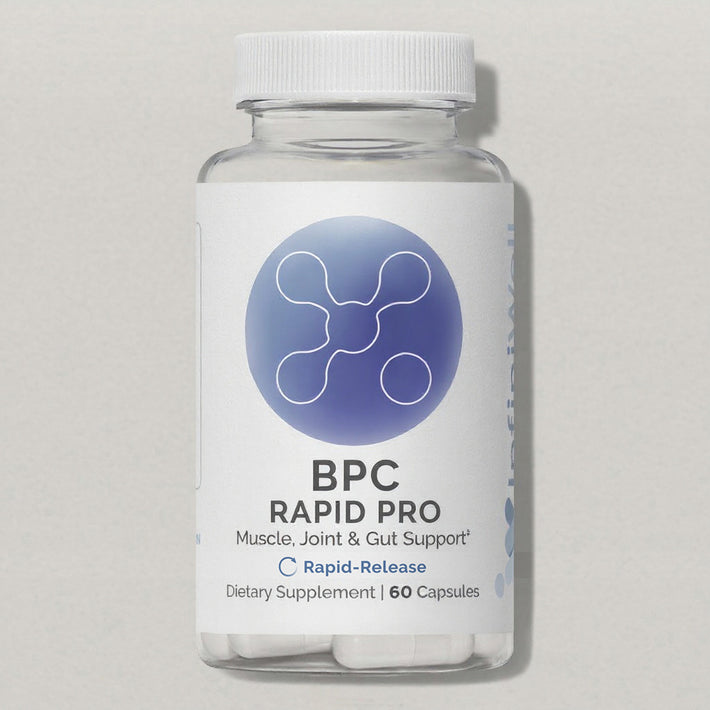
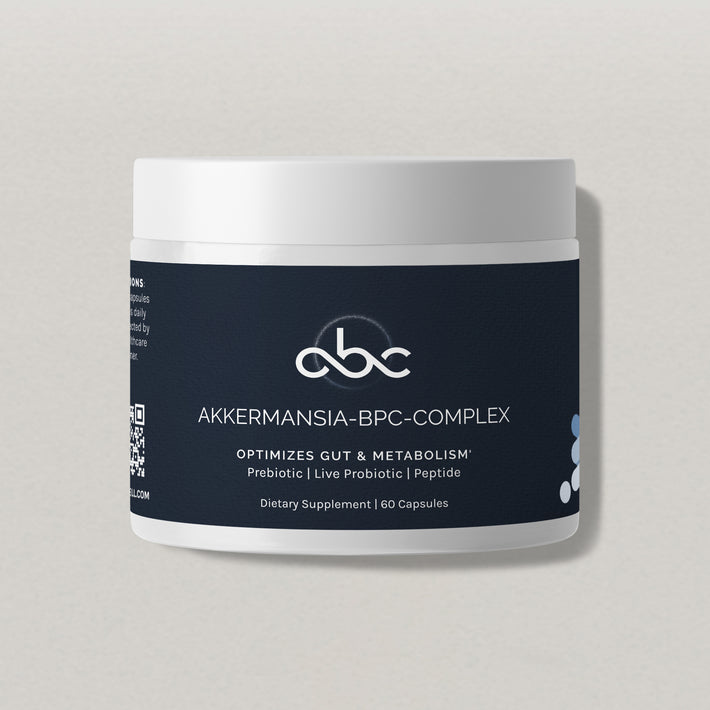
Choose the right peptides: Consider options like oral BPC for targeted immune support, depending on your specific wellness goals.
-
Use consistently: Consistency gives your body time to respond and experience the benefits.
-
Track your response: Pay attention to how you feel over time. Monitor changes in energy, physical resilience, or immune responses to help you understand how peptides are contributing to your overall wellness.
-
Pair peptides with healthy habits: Peptides work best alongside a healthy lifestyle—think nutrient-rich meals, regular movement, quality sleep, and stress management.
Final thoughts on peptides for immune support
If you’re considering peptides, start by identifying your wellness goals. Whether you're focused on immune function, physical resilience, or overall well-being, peptide therapy offers a research-backed way to reinforce the body’s natural processes.
It’s always wise to speak with a healthcare provider or peptide specialist to find an approach that fits with your needs. With the right guidance, peptides can become a straightforward and supportive part of your daily routine.
Peptides for immunity: FAQs
-
SOURCES
You May Also Like
View All Articles

Did the FDA Just Change the Rules on Peptides? What the July 2026 Vote...
A July 2026 FDA advisory committee vote put peptides back in the spotlight. We break down what was recommended, how the 503A compounding process works, and what consumers should know.

The Sleep Peptide Debate: Real Rest or Just Grogginess?
Sleep peptides are gaining attention for their promise to support deep, uninterrupted rest—but are they actually helping, or just making people feel drowsy? This blog explores the science behind compounds like DSIP, what early research shows, and how they compare to natural sleep aids like magnesium and L-theanine.