











































Key takeaways
-
Peptides are signaling molecules that can support fat metabolism, suppress appetite, and preserve muscle mass, but they’re most effective when combined with healthy habits.
-
Peptide-based medications like GLP-1 receptor agonists have been shown to impact body weight, fat loss, and insulin sensitivity, especially in people with metabolic conditions.
-
Not all peptides are safe or FDA-approved for weight loss. Using the wrong kind or taking too much can backfire on your health.
-
Sustainable fat loss depends on proper nutrition, regular exercise, and smart support tools like peptide therapy to keep progress going.
-
Peptides aren’t a replacement for lifestyle changes, but in the right context, they can complement efforts to support metabolic health and body composition.
From social media discussions to conversations with healthcare professionals, peptides have become a popular topic in metabolic health and weight management. As interest grows, many people are asking whether these compounds are simply a passing trend or an area of ongoing scientific research.
Let’s take a closer look at what current research says—and where the evidence is still evolving.
The rising interest in peptides for weight loss

So what’s actually behind the growing demand?
Many peptides are being explored for their potential to support fat metabolism, appetite regulation, and overall body composition. While some of the attention is fueled by celebrity buzz, there’s real science behind certain claims.
According to users and practitioners, peptides may:
-
Support fat loss by encouraging fat oxidation and breaking down stored fat
-
Support appetite suppression
-
Help maintain lean muscle mass during calorie deficits
-
Support energy levels
-
Promote healthier blood sugar levels and insulin sensitivity
Much of this potential comes from the way peptides interact with the body. As signaling molecules, they influence biological processes tied to metabolic health, hormone regulation, and even tissue support.
But results aren’t guaranteed. The outcome depends on the type of peptide, the way it's used, and whether you're combining it with consistent habits like proper nutrition and daily movement.
What critics are saying: The downside of weight loss peptides
Despite the growing popularity of weight loss peptides, not everyone’s convinced. Some of the most common concerns include:
-
Short-lived results: Do people experience significant weight loss at first, only to gain the weight back once they stop using the peptide?
-
Limited evidence: How many clinical trials actually support these outcomes, especially when compared to traditional weight loss medications?
-
Health risks: What are the long-term effects on insulin sensitivity, growth hormone levels, or the body’s ability to regulate blood sugar levels?
-
Gray-market use: Are people using FDA-approved therapies? Or experimenting with unregulated peptides they found online?
For many critics, it’s not whether peptides work but whether they work long enough to matter and at what cost to your long-term health.
That fear isn’t unfounded, but it’s not the whole picture
Yes, some peptides, especially growth hormone-releasing peptides like Ipamorelin and black-market injectables, have been misused for years. Many weren’t initially developed to promote weight loss and are now being used off-label, without medical supervision or proper guidelines around amounts and timing.
But not all peptide therapy is created equal. Using growth hormone without guidance to chase stubborn fat is risky. A structured plan with oral peptides and medical oversight is a safer way to support metabolic health.
What’s missing from most conversations
Peptides influence many of the body’s natural processes, from fat oxidation to insulin secretion, muscle mass maintenance, and cellular function. That makes them powerful, but only when combined with proper nutrition, a healthy diet, and consistent movement.
When used correctly and under medical guidance, certain peptides may:
Support fat loss by supporting metabolic rate
Some peptides may help your body burn calories more steadily at rest (your metabolic rate), encouraging the breakdown of stored fat and supporting weight reduction over time.
Help preserve lean muscle mass during calorie restriction
When losing weight, preserving muscle mass helps keep your metabolic rate steady. Some peptides help reduce muscle breakdown so that most of the loss comes from fat, not lean tissue.
Support appetite suppression and food intake control
Certain peptides mimic natural hormones that help you feel full sooner and stay satisfied longer, reducing the urge to overeat and making calorie control more manageable.
Help regulate blood sugar in those with impaired glucose tolerance
By affecting insulin sensitivity and how the body processes carbohydrates, some peptides can support healthier blood sugar levels, especially in people with metabolic conditions tied to weight gain.
But even with these effects, peptides won’t do the work for you. They work with your body, not instead of it. Sustainable fat loss still depends on habits that support overall metabolic health, like movement, quality sleep, and real food.
A closer look at the science
Peptides aren't all created for the same purpose, and their effects can vary widely depending on the compound, the amount, and the context in which they’re used.
Here’s how different categories of peptides (and related compounds) are being explored:
GLP-1 receptor agonists (e.g., semaglutide)
Originally developed for managing type 2 diabetes, these prescription medications help regulate blood sugar and are also used in obesity treatment programs. They can reduce appetite and support weight loss in appropriate patients under the supervision of a qualified healthcare professional.
Related reading:
BPC-157 and mitochondrial-derived peptides
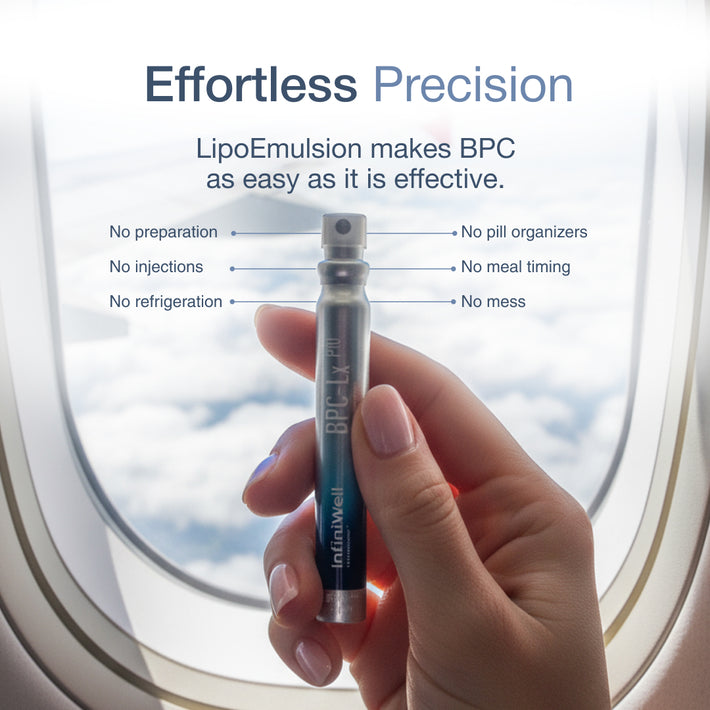
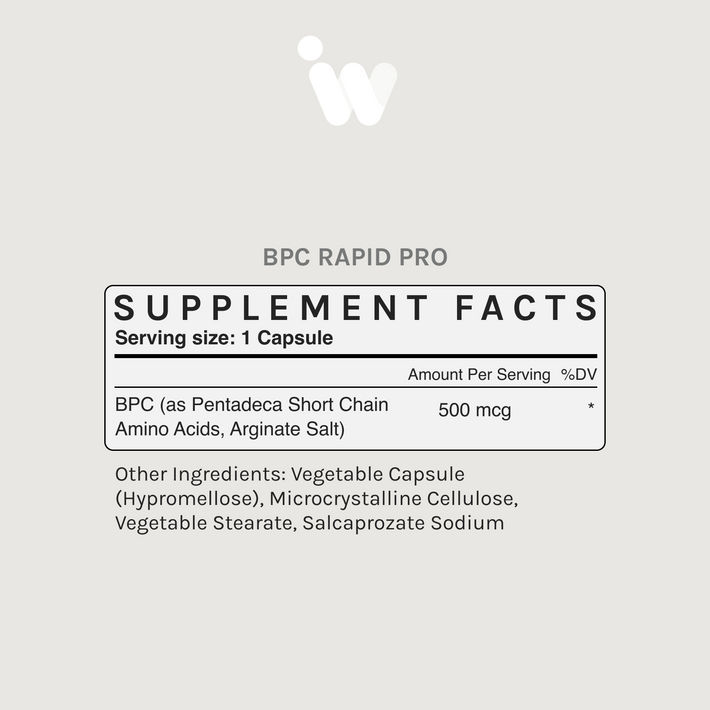
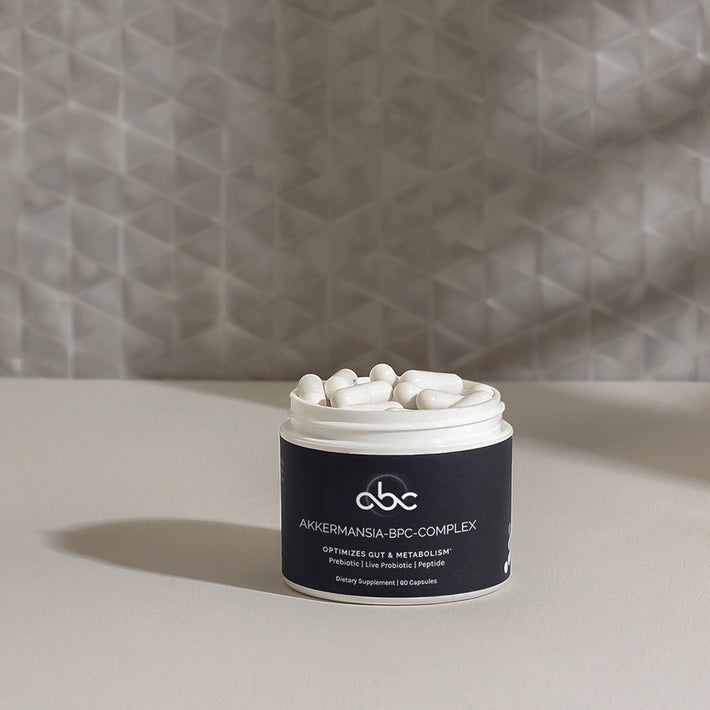
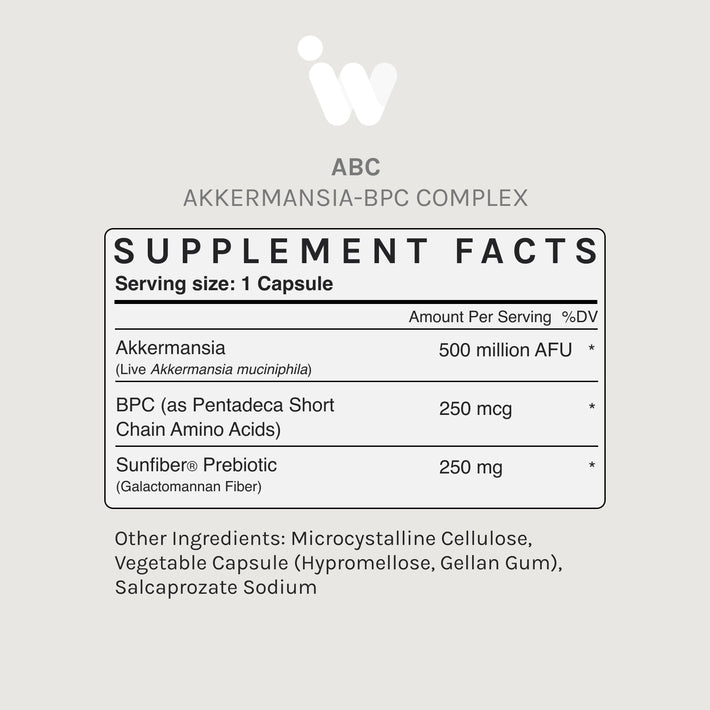
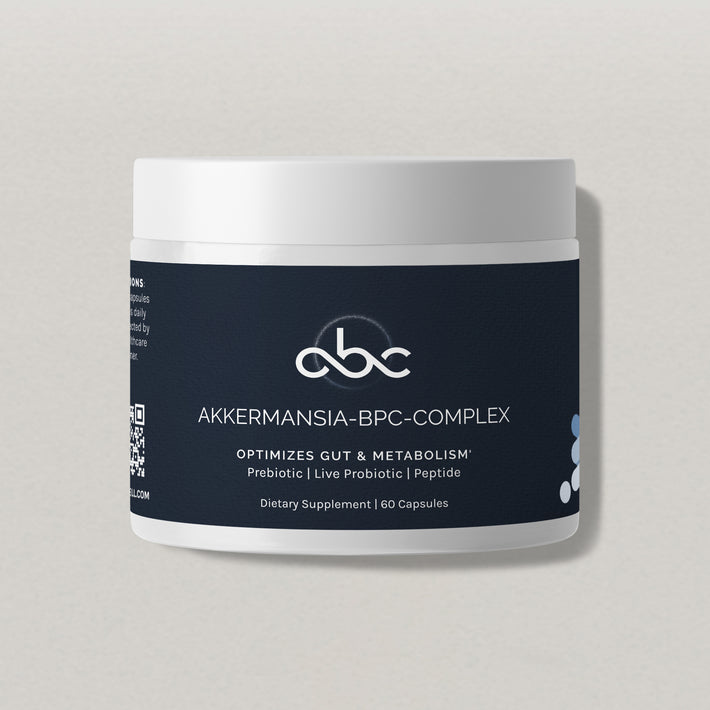
These are being studied for their potential roles in supporting gut health, general well-being, and the body’s natural processes. While they aren't intended for weight loss, some researchers are exploring their potential role in supporting overall wellness as part of a balanced lifestyle. Research is ongoing, and results can vary from person to person.

L-carnitine and hormone–related peptide complexes
L-carnitine plays a role in transporting fatty acids into cells for energy production, while some growth hormone-related peptides are being studied for their relationship with body composition and muscle preservation during periods of calorie restriction or intense training. Research in these areas is still evolving, and findings remain preliminary.
Important: Not all peptides marketed for weight loss are approved or regulated for that purpose. Some compounds, particularly injectable products or blends sold online without transparent sourcing, may carry additional safety and quality concerns.
Always talk to a qualified healthcare professional before using these products, and choose supplements from reputable manufacturers with transparent labeling and third-party testing when available.
The truth: Peptides can support sustainable weight loss, but only with the right plan
Here’s what that plan actually looks like:
-
Guided by a healthcare provider: Peptides work best when part of a medically supervised plan, not a DIY experiment.
-
Based on your unique health profile: Different peptides affect different biological processes. The right fit depends on your body and what you're trying to achieve.
-
Built on healthy routines: No compound replaces the basics. Movement, food quality, and restorative sleep all play a role in how peptides work in the body.
-
Progress beyond the scale: Peptides can support fat loss and muscle preservation, but real success shows up in how you feel and function, not just the number on the scale.
When these elements align, peptides can make a real difference in sustainable weight loss. But without structure, you may end up right back where you started. Or worse, experience unintended effects in blood sugar, hormone levels, or overall weight.
So… are weight loss peptides sustainable?
They can be. But only if you’re not using them to outrun your habits.
Peptides for weight loss aren’t magic fat burners. They’re tools, and they only work if you’re also committed to foundational lifestyle changes. Otherwise, you’re trading short-term results for long-term frustration.
Final takeaway: Focus on what actually works
Weight loss peptides aren't miracle fixes, but they're not empty promises, either. The truth, like most things, sits somewhere in the middle.
With the right approach, they can support sustainable weight loss, especially for people with weight-related health conditions. Just make sure your source is reliable, your expectations are realistic, and your habits are strong enough to maintain progress even after the peptides stop.
In the end, understanding how different peptides interact with the human body—and having clinical guidance to match—can be the difference between real fat loss and unwanted setbacks.
What to read next:
Peptides for weight loss: FAQs
-
SOURCES
You May Also Like
View All Articles

What Is KPV?
What is KPV, and why is it gaining attention in peptide research? Learn how this three-amino-acid peptide works, how it compares to BPC, and what current research suggests about its role in everyday wellness.