





































Key takeaways
-
RFK Jr.'s February 27, 2026 announcement on the Joe Rogan Experience signaled that roughly 14 peptides could return to legal compounding status, but no formal FDA rule, Federal Register notice, or statute change has been issued yet. This means regulatory risk remains for pharmacies, providers, and patients acting on the announcement alone.
-
Moving a peptide from Category 2 to Category 1 restores its eligibility for licensed pharmacy compounding under a physician's prescription. It does not mean FDA approval, over-the-counter access, or any change in the status of gray-market and research-use-only sources.
-
The 2023 restrictions that blocked 19 peptides from compounding pharmacies did not stop patient demand. They pushed it toward unregulated vendors with no quality control, no physician oversight, and no accountability, a dynamic Kennedy Jr. himself acknowledged on the podcast.
-
Physician oversight remains the standard regardless of where the regulatory status lands. A valid prescription, a licensed compounding pharmacy, and a Certificate of Analysis are the non-negotiable baseline for anyone considering peptide therapy.
If you've been following the peptide space, February 27, 2026 was a date that turned a lot of heads.
U.S. Department of Health and Human Services (HHS) Secretary Robert F. Kennedy Jr. sat down on Episode 2461 of the Joe Rogan Experience and addressed the peptide restrictions that have been frustrating wellness communities, clinicians, and compounding pharmacies since 2023.
He announced that roughly 14 of the peptides currently blocked from licensed compounding pharmacies are expected to get their legal compounding status back.
What Kennedy Jr. said and why it matters
The podcast appearance covered a lot of ground, but the peptide restrictions announcement was what spread fast. Kennedy Jr. said the FDA is expected to take new regulatory action and that his hope is for people to regain access to pharmacy-compounded peptides through ethical suppliers.
He also called out the prior administration directly, saying the FDA's peptide crackdown in 2023 was illegal and that the Category 2 designations were made without a legitimate safety signal to back them up.
His comments generated real momentum across health and wellness communities. But as of this writing, no formal FDA rule has been issued, no Federal Register notice has been published, and no statute has been changed.
So what does this actually mean in practice? A statement from the HHS Secretary carries weight as a signal, but it does not carry the force of law, and compounding these peptides continues to carry regulatory risk for pharmacies, providers, and patients aiming to stay compliant.
How the FDA categorizes bulk drug substances for compounding
To understand what this reclassification would change, it helps to know how the FDA sorts bulk drug substances used in pharmacy compounding.
Under Section 503A of the Federal Food, Drug, and Cosmetic Act, the FDA evaluates bulk substances based on available safety data, clinical need, and manufacturing considerations, then places them into categories.
The FDA's official interim policy guidance on 503A bulk drug substances lays out the full statutory authority behind this framework. For substances nominated before January 7, 2025, which covers the peptides currently under discussion, the categories break down like this:
-
Category 1: Substances under evaluation with no identified significant safety risks. Licensed compounding pharmacies can prepare these under a valid physician prescription if all other conditions are met.
-
Category 2: Substances the FDA has flagged as presenting potential significant safety risks. Not eligible for routine pharmacy compounding under current FDA rules.
It’s worth knowing that the FDA's 2024 updated guidance ended the Category 1, 2, and 3 system for any new substances nominated after January 7, 2025. Because the peptides in this discussion were nominated before that date, the original category framework still governs them and the FDA restrictions that came with it.
Why these peptides got restricted in 2023
In September 2023, the FDA designated 19 peptides as Category 2 bulk drug substances, putting peptide restrictions in place that effectively blocked licensed compounding pharmacies from preparing them for patients.
FDA officials cited three main concerns behind the decision:
-
Immunogenicity risks and the potential for immune reactions in certain patients
-
Manufacturing impurities and peptide-related impurities tied to the compounding process
-
Limited safety data and a lack of large-scale clinical trials to support widespread use
What followed was not what the FDA intended. Patients who had been relying on compounded peptides for gut health, tissue repair, immune support, and metabolic health did not simply stop seeking them out. Access shifted toward unregulated vendors selling peptides under research-use-only labels, with no physician oversight, no quality control, and no accountability.
Kennedy Jr. himself acknowledged during the Joe Rogan interview that the FDA's peptide crackdown accelerated the very gray market it was designed to prevent, pushing patients toward unapproved treatments with no medical supervision.
Which peptides could return to legal compounding status
Based on Kennedy Jr.'s comments and industry analysis, the following peptides are among those expected to move back to Category 1 and legal compounding status. The FDA has not yet published its formal updated list, so these remain subject to official confirmation:
-
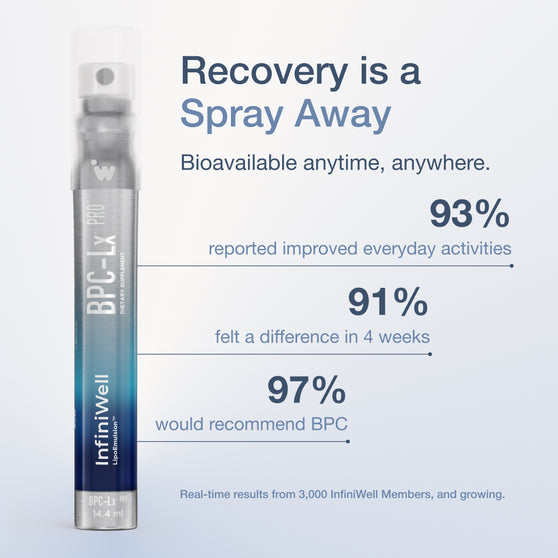
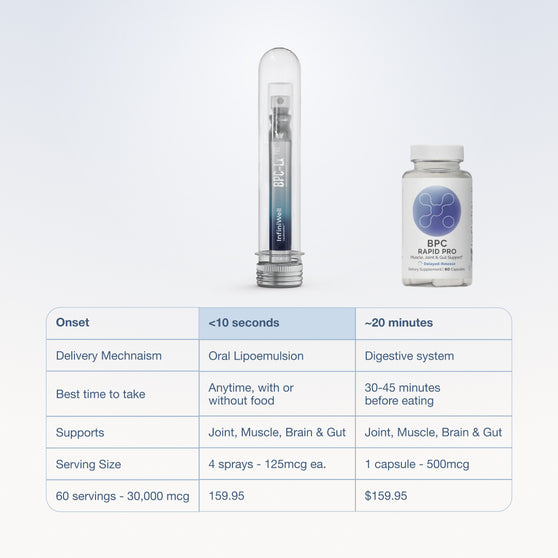
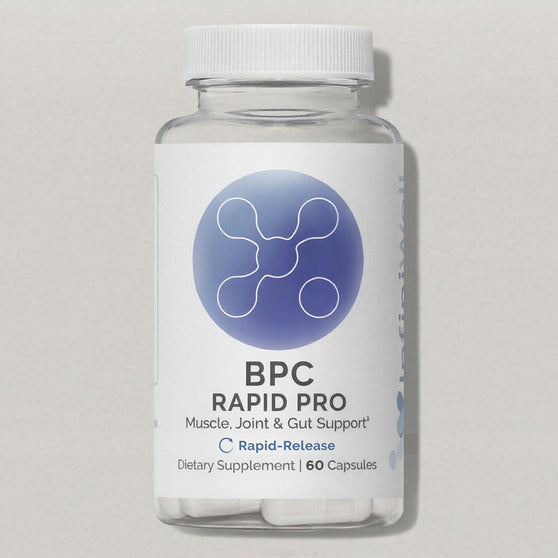
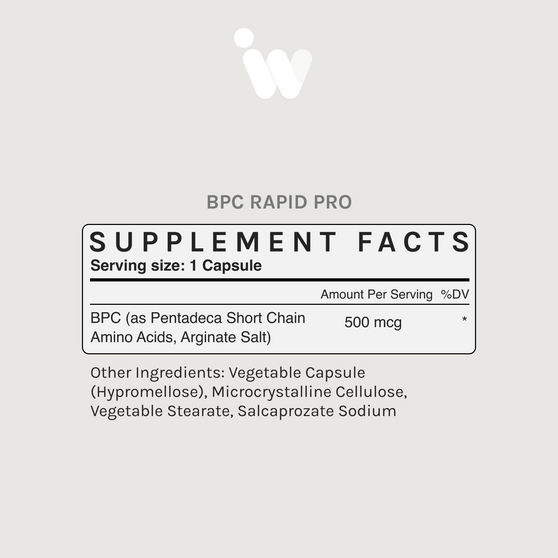
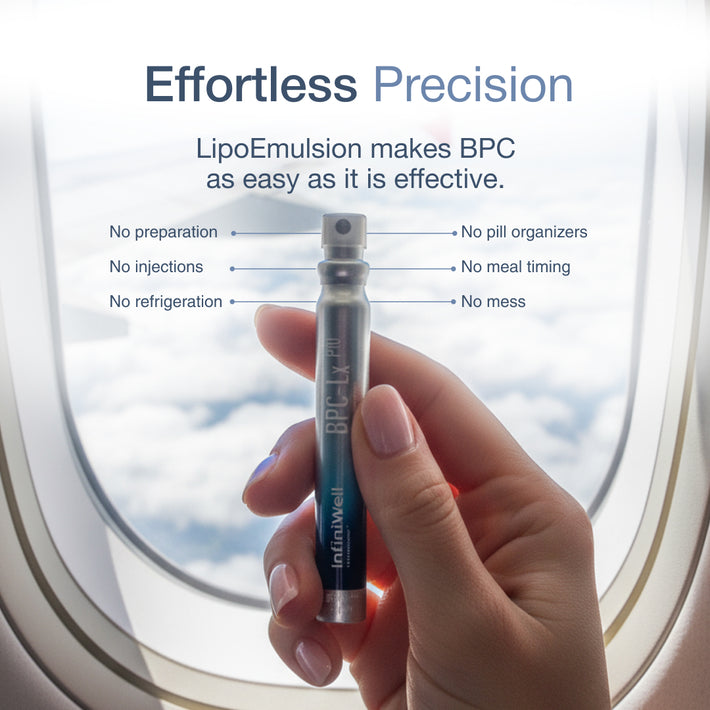
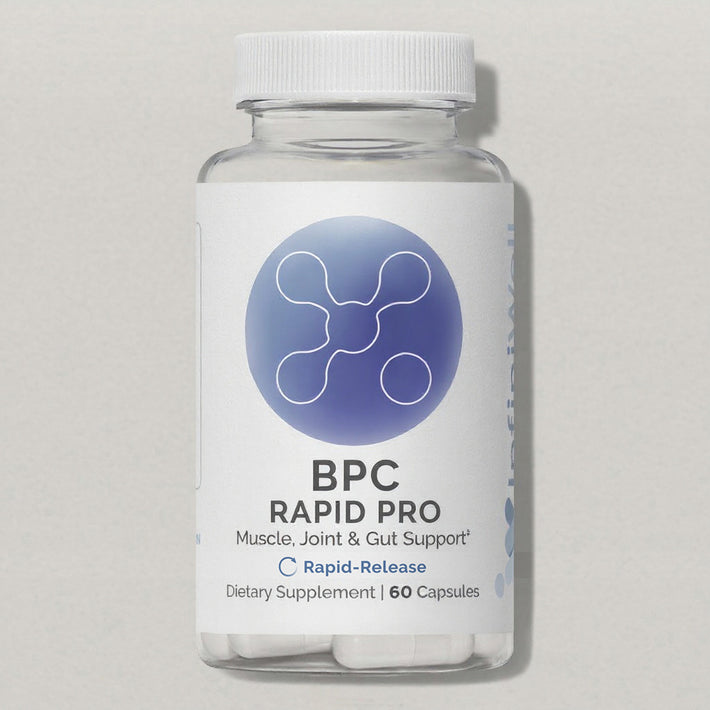
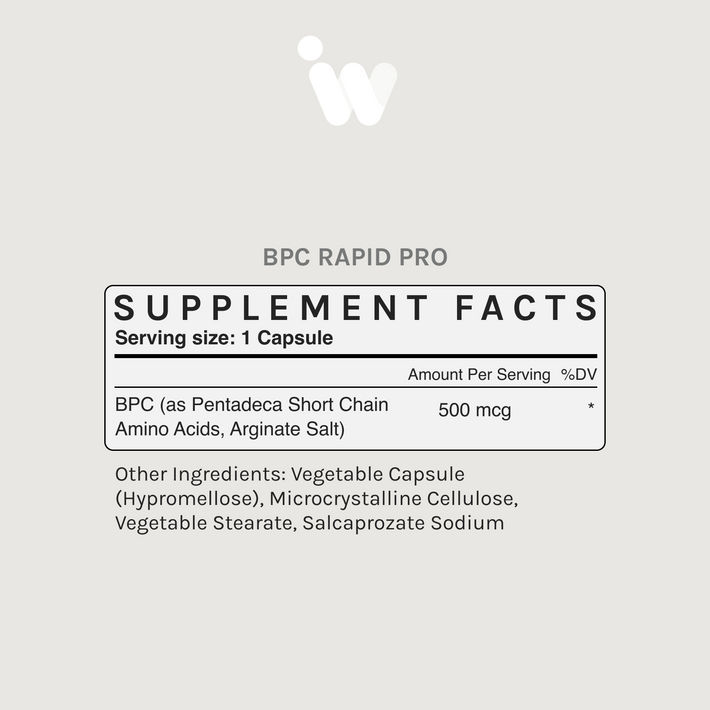
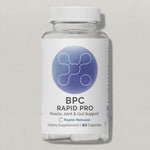
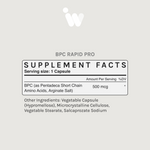
BPC 157: Studied for gut health, tissue support, and musculoskeletal wellness. Contains amino acids that support the body's natural processes
-
Thymosin Alpha 1: Researched for immune support and immune modulation
-
AOD-9604: Studied for metabolic health and fat metabolism
-
GHK-Cu injectable: A copper peptide researched for wound healing and tissue repair
-
CJC-1295: A growth hormone-releasing peptide studied for hormonal balance and hormone optimization
-
Ipamorelin: A growth hormone secretagogue studied for metabolic health and hormonal balance
-
Thymosin beta 4 fragment: Researched for tissue repair, wound healing, and immune support
-
MOTS-c: Studied for metabolic health and insulin sensitivity
-
Semax: A neuropeptide researched for cognitive function
-
Selank: Studied for immune support and cognitive function
-
Epitalon: Researched for longevity and hormonal balance
-
KPV: Studied for gut health and gut healing
-
Kisspeptin-10: Researched for hormonal balance
-
DSIP: A neuropeptide studied for sleep support and metabolic health
Peptides including Melanotan II, GHRP-2, LL-37, and PEG-MGF are expected to remain restricted due to more specific safety concerns and significant safety risks that have not been resolved.
What changes and what stays the same after reclassification
A lot of the excitement around Kennedy Jr.'s announcement has led to confusion about an important distinction.
Moving certain peptides from Category 2 to Category 1 is not the same as receiving FDA approval. It affects how they can be accessed and used.
Here’s what Category 1 reclassification would allow:
-
Licensed compounding pharmacies could legally prepare these compounded peptides again
-
A valid physician prescription from a licensed provider would still be required
-
Compounding would need to meet quality control and sterility standards set by state regulations and federal guidance documents
-
These would remain compounded drugs, not FDA-approved medications or drugs
Here is what reclassification would not change:
-
Most peptides would still not be FDA-approved, meaning they have not gone through the full clinical trial process required for approved drug products
-
Over-the-counter access is not expected
-
Gray-market and research-use-only peptides remain unapproved treatments with serious safety risks
-
The formal FDA publication confirming the reclassification has not yet been released
Physician oversight and working through licensed providers remain the standard for responsible peptide therapy access. Nothing in this article constitutes medical advice.
How 503A and 503B shape peptide access
The legal structure behind pharmacy compounding shapes exactly what compounding pharmacies and compounding pharmacists can and cannot do once a reclassification is confirmed.
Two sections of the Federal Food, Drug, and Cosmetic Act govern how this works:
-
503A covers traditional licensed compounding pharmacies preparing compounded drugs for individual patients under a physician’s prescription
-
503B covers outsourcing facilities producing compounded drugs at a larger commercial scale for distribution
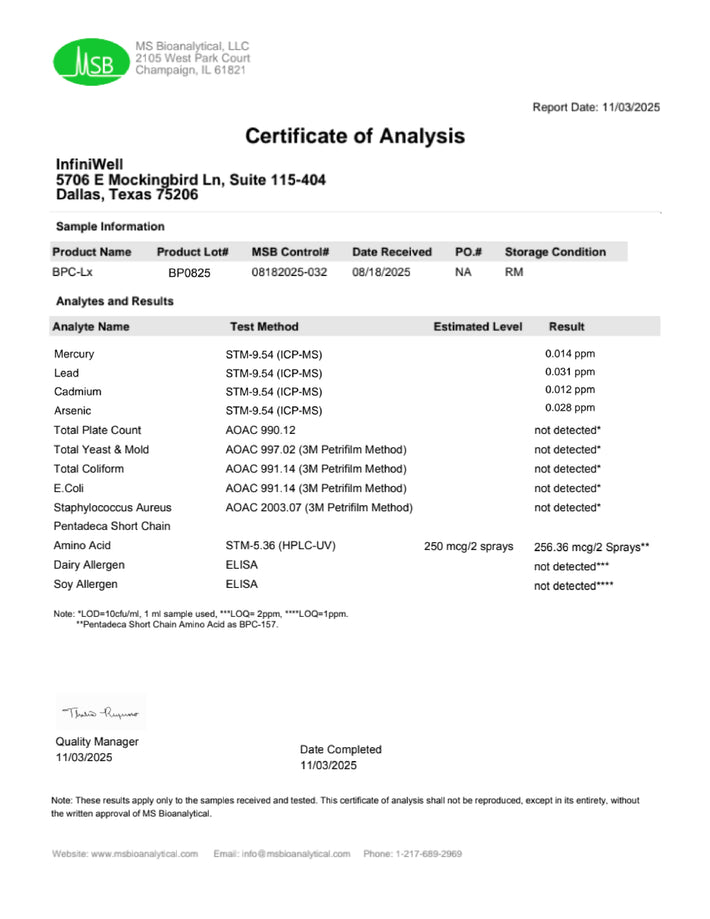
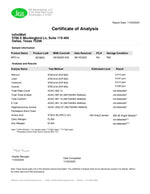
Even if a peptide moves to Category 1 legal compounding status, pharmacies cannot source from unregulated or gray-market suppliers. The substance must come from an FDA-registered manufacturer with a valid Certificate of Analysis, and all 503A conditions must be satisfied.
State regulations layer on top of federal rules, and compliance requirements vary by jurisdiction, so remaining compliant means tracking both sets of requirements carefully.
Certain patients who access peptide therapies through nasal sprays or injectable formats will also see their options shaped by route-of-administration requirements, since some peptides carry Category 2 restrictions for specific delivery routes even when other formats may be eligible.
Peptide safety concerns worth knowing before you start
Legal compounding status does not make peptide therapies risk-free. Many peptides still lack the large-scale human clinical trial data needed to fully understand long-term safety, and the safety concerns that originally drove the FDA's peptide crackdown do not disappear because access is being restored.
These safety issues remain relevant for anyone considering peptide therapies:
-
Compounded peptides are not FDA-approved medications and carry different quality assurance standards than approved drug products
-
Serious adverse events have been reported with unregulated peptide use
-
Manufacturing and peptide-related impurities from poorly controlled production remain a real safety risk
-
Med spas and unapproved treatment settings without proper physician oversight increase patient exposure to harm
-
Informed consent and ongoing medical supervision are non-negotiable parts of responsible peptide access
-
Investigational drugs and compounds without full FDA approval carry inherent uncertainty around results
A physician who reviews your health history, orders appropriate lab work, and monitors your response over time is the foundation of safe peptide therapy. That standard applies regardless of what the regulatory status looks like at any given time.
What this means for people who use peptide supplements
For people who have been using or considering peptide therapies for gut healing, tissue repair, immune support, or metabolic health, the expected reclassification points toward a better access model. Bringing pharmacy-compounded peptides back into licensed compounding pharmacies under physician oversight is a real improvement over the gray market that the 2023 restrictions created.
But timing still matters here. The formal FDA publication has not arrived, and acting on the podcast announcement alone is not a sound basis for sourcing or starting a new peptide protocol.
Here is what makes sense right now:
-
Wait for the formal FDA publication before assuming legal compounding status has changed
-
Work only with licensed compounding pharmacies and licensed providers
-
Get a valid physician prescription before starting any peptide therapy
-
Ask your pharmacy for a Certificate of Analysis confirming ingredient identity and quality control
-
Avoid gray-market or research-use-only sources regardless of what is circulating online
-
Stay updated on FDA actions, rules, and any guidance documents that follow this announcement
-
Always use peptides under medical supervision and with proper informed consent
What the announcement confirms so far
The HHS under Kennedy Jr. views the 2023 restrictions as an overcorrection, and restoring regulated access through licensed compounding pharmacies is now the stated direction. He framed the solution around access through ethical suppliers and hinted at increased enforcement against the unregulated side of the peptide industry.
But regulatory action takes time. The process involves FDA review, advisory input, public comment, and formal publication before anything changes. That said, the regulatory window for licensed and compliant compounding pharmacies to re-enter the peptide market could open sooner than expected, and those with the right infrastructure will be best positioned to move quickly once formal reclassification is confirmed.
What to watch for as peptide regulations develop
Lifting peptide restrictions on 14 compounds would correct a real market imbalance that the 2023 restrictions created. It brings volume back to regulated channels, creates a safer path for patients, and gives licensed providers a way to offer physician-supervised access to compounds that many have been sourcing through far less reliable means.
What it does not do is settle every open question in the peptide industry long term. Safety data for many peptides remains limited, and full FDA approval through clinical trials is still a distant prospect for most peptides.
Until then, watch for official FDA updates, source from ethical suppliers, and maintain physician oversight.
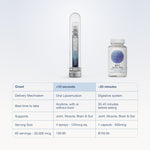
For a breakdown of how delivery formats affect peptide effectiveness, our piece on peptide delivery formats covers the key differences.
Peptide restrictions 2026: FAQs
-
SOURCES
You May Also Like
View All Articles

Did the FDA Just Change the Rules on Peptides? What the July 2026 Vote...
A July 2026 FDA advisory committee vote put peptides back in the spotlight. We break down what was recommended, how the 503A compounding process works, and what consumers should know.
Did the FDA Just Change the Rules on Peptides? What the July 2026 Vote...
A July 2026 FDA advisory committee vote put peptides back in the spotlight. We break down what was recommended, how the 503A compounding process works, and what consumers should know.