




























Key takeaways
- “Pentadeca arginate” refers to a 15-amino-acid synthetic peptide in arginine salt form, the same core sequence originally identified in human gastric juice and studied in research contexts for decades.
- It belongs to the same structural family as BPC-157, the widely researched 15-amino-acid compound, with the arginate salt modification studied for its potential to hold up better in the digestive environment.
- Early research has explored its role in supporting gastrointestinal health, gut lining integrity, collagen synthesis, nitric oxide pathways, blood flow, and more. Research is ongoing and not definitive. Results can vary from person to person, and a dietary supplement is not a substitute for professional medical guidance.
- Pentadeca arginate is available in oral supplement form, though formulation quality heavily influences how much of the compound survives the digestive process. Not all products address this equally.
- InfiniWell uses “pentadeca short-chain amino acids” to more accurately describe the composition of the supplement and to distinguish it clearly from injectables and research-only compounds.
Pentadeca arginate (PDA) is one of several names used to describe a 15-amino-acid compound that most people first encounter as BPC-157. The naming varies across research papers, supplement labels, and online discussions.
You’ll also see it written as pentadeca arginate peptide or simply PDA peptide, and that inconsistency is a genuine source of confusion for anyone trying to make an informed decision.
This article breaks it down plainly:
- Exactly what pentadeca arginate is and what the name actually means
- Why the arginate salt form draws research interest
- What early studies suggest about potential pentadeca arginate benefits
- How PDA compares to standard BPC-157
- What to look for in an amino acid-based supplement for your wellness routine
What does “pentadeca arginate” mean?
The name sounds more complicated than it is. Break it into two parts and it makes sense quickly.
- “Pentadeca” comes from the Greek word for 15. It refers to the 15-amino-acid chain that defines this synthetic peptide, the same sequence first identified in human gastric juice and studied in research contexts for decades.
- “Arginate” refers to arginine salt, a structural modification to that chain.
Salt forms are common in supplements. They pair a compound with another molecule (here, the amino acid arginine) to change how it behaves. In this case, the goal researchers are exploring is whether the arginate form helps the peptide stay intact longer in the digestive environment before it breaks down.
Together, PDA describes this 15-amino-acid complex in its arginine salt form, the same core compound most people know as BPC-157.
What is PDA peptide?
If you've been researching this compound, you've almost certainly run into the term "PDA peptide." It's the single most common shorthand people use, and it points to exactly the same 15-amino-acid complex described above.
PDA stands for pentadeca arginate, and "PDA peptide" is just the abbreviated, conversational way of naming it.
The reason both terms circulate is that the compound shows up under different labels in different places. Research abstracts, supplement listings, and community discussions each tend to favor their own. There’s no chemical difference between “pentadeca arginate” and “PDA peptide.” They are one ingredient with two names.
New to peptides? Our introduction to peptides walks through the basics.
Pentadeca short-chain amino acids as a supplement
To understand pentadeca arginate in a supplement context, it helps to understand what “short-chain amino acids” means as a category.
Amino acids are the building blocks of protein. When they link together in a sequence, they form a peptide. Think of amino acids as individual letters and peptides as short words. The sequence they appear in determines what they do.
Isolated amino acid supplements, like the leucine or glutamine you might see in a protein powder, deliver single amino acids on their own. Short-chain peptides are different. They’re small chains where 2-20 amino acids are still linked together in a specific order, rather than broken apart into individual units.
Certain short-chain combinations may interact with the body’s biological systems in ways that individual amino acids on their own can’t replicate. This is why the pentadeca arginate complex, and the broader category of promising peptides like it, continues to attract research attention.
Why InfiniWell uses “pentadeca short-chain amino acids”
At InfiniWell, we use “pentadeca short-chain amino acids” in the interest of accuracy, describing the ingredient as it actually exists in the product instead of borrowing a research label not designed for supplement use.
This terminology also reinforces an important distinction. These are dietary supplements in oral form, not injectables or research compounds. You may see pentadeca arginate injection formats discussed online. InfiniWell products are oral supplements made for everyday use.
PDA peptide benefits: What early research suggests
Pentadeca arginate has one of the more active early research profiles in the short-chain peptide category. The existing evidence is worth understanding, as long as expectations stay grounded in what the science actually shows.
Gastrointestinal lining and gut health
The 15-amino-acid sequence at the core of pentadeca arginate was originally isolated from human gastric juice, which is part of why early studies focused here first.
Research has explored the compound’s stability in gastric conditions compared to other peptides studied in that context, a meaningful trait since most peptides break down quickly in that environment.
Early preclinical studies have also explored its potential to support overall gastrointestinal health, though human evidence remains limited.
Nitric oxide pathways and blood flow
Emerging research has examined how pentadeca arginate may interact with nitric oxide systems, which are involved in normal circulatory function. One study explored these pathways, along with the formation of new blood vessels in preclinical settings, an area researchers refer to as angiogenesis.
Collagen production and tissue health
Early research has explored the compound’s potential relationship with collagen synthesis, collagen organization, and cell migration in lab settings. A preclinical study found notable differences in new tissue formation and collagen production between the PDA and control groups in animal models.
As with all findings in this category, results are early-stage and not a basis for medical claims.
Neurotransmitter systems and mental wellness
Animal studies have looked at how this compound may interact with serotonin and dopamine systems, with a review noting region-specific changes in serotonin synthesis in the brain following peripheral administration.
This has raised interest in the gut-brain axis and the compound’s potential role in general mental wellness, though this area of research is still in its early stages.
Organ-related signals
Preliminary data from animal models has looked at potential supportive effects for various organs, including the gastrointestinal tract. As with all preclinical findings, these results don’t automatically translate to human outcomes.
The bottom line on research
Most existing findings come from lab and animal studies. Human clinical data is limited, research is ongoing and not definitive, and results can vary from person to person. Pentadeca arginate is among several promising peptides in early-stage research, and it should be approached as such.
Pentadeca arginate vs. BPC-157: What’s the difference?
Searches comparing pentadeca arginate to other BPC-157 peptide formats are growing. Common queries include:
- “pentadeca arginate vs bpc 157”
- “PDA peptide vs bpc-157”
- “is pentadeca arginate the same as bpc 157”
The core amino acid sequence is identical. Pentadeca arginate is the arginine salt form of that same 15-amino-acid chain. The difference isn't the sequence. It's the salt modification, which is studied for potentially better stability in the digestive environment.
|
|
Pentadeca arginate (PDA) |
Standard BPC-157 |
|
Core sequence |
Same 15-amino-acid chain |
Same 15-amino-acid chain |
|
Structural form |
Arginine salt (arginate) modification |
Standard form, no salt modification |
|
Studied for |
Potential stability in the digestive environment |
Broad early-research profile |
|
Typical supplement format |
Oral short-chain amino acid supplement |
Oral or non-supplement research formats |
|
Evidence base |
Mostly preclinical; human data limited |
Mostly preclinical; human data limited |
|
InfiniWell availability |
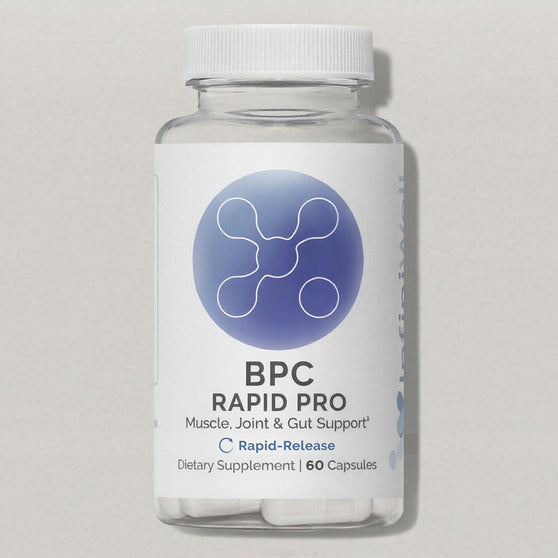
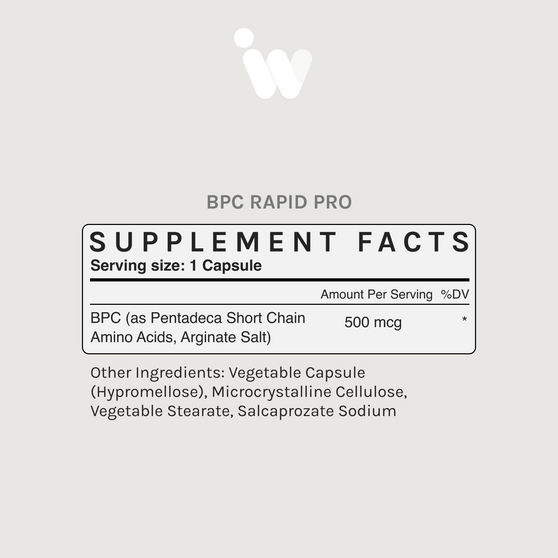
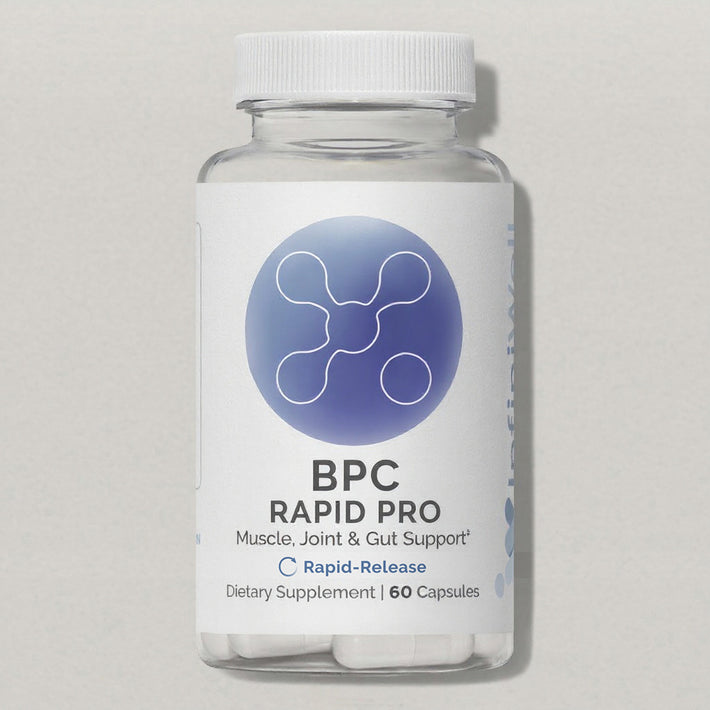
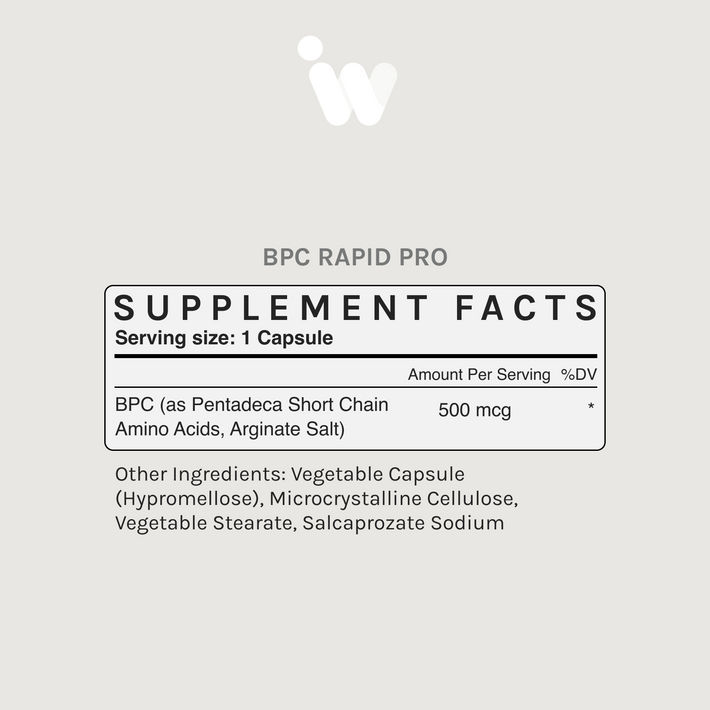
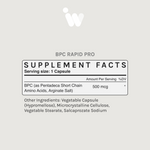
Confirmed in InfiniWell's BPC capsules (e.g., BPC Rapid Pro, labeled arginate salt) |
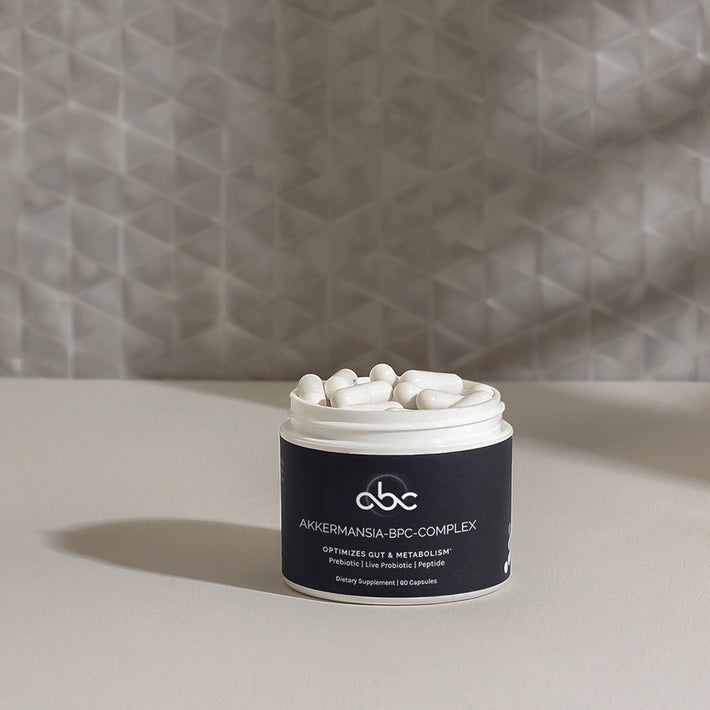
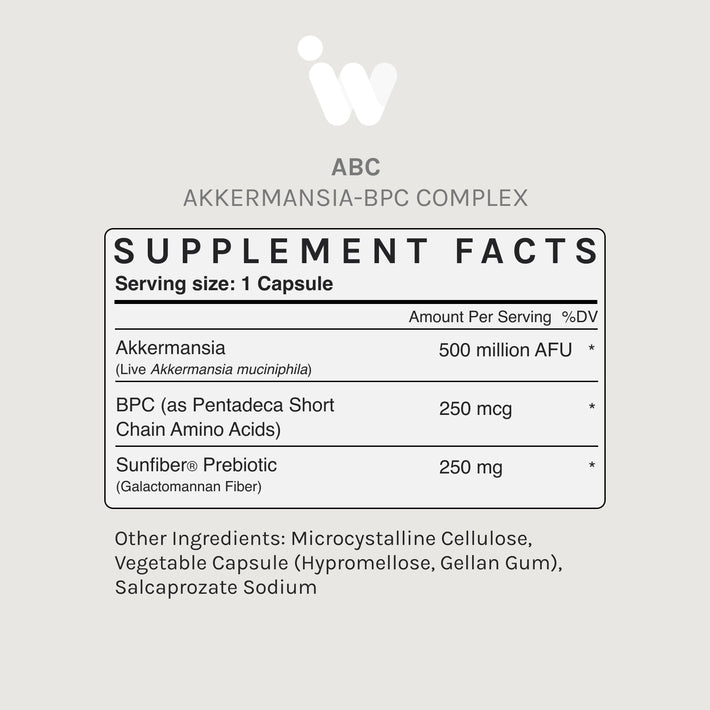
Same compound, offered as InfiniWell's BPC Precision Aminos line |
How this plays out in practice can vary from person to person, and a qualified healthcare provider can help determine what makes sense for your individual situation.
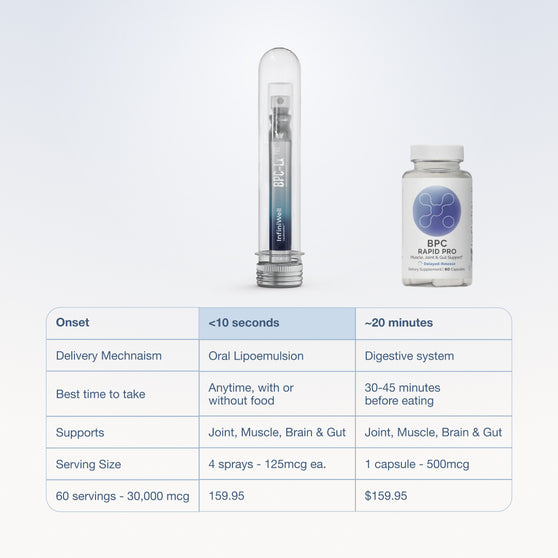
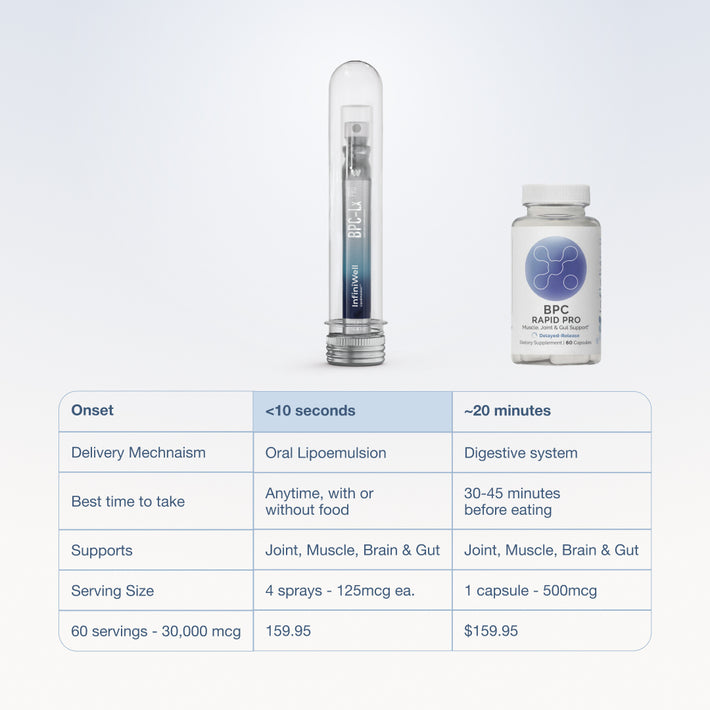
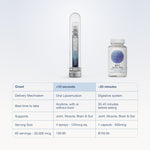
If you’d like to compare oral BPC formats side by side, see BPC-157 vs. BPC-Lx Pro, or read the science behind oral BPC-157 absorption.
Pentadeca arginate safety profile and considerations
One of the most common things people look up is “pentadeca arginate side effects.” It’s a sensible thing to research before adding anything new to a routine.
Because pentadeca arginate is an emerging compound, its safety profile in humans is not yet fully established. Most of what’s known comes from preclinical research rather than large human studies, which means there isn’t a well-documented profile the way there is for long-standing dietary ingredients.
That uncertainty is exactly why a wellness-forward, conservative approach makes sense and why this isn’t a substitute for medical guidance.
Who should avoid pentadeca arginate
Short-chain amino acid supplements are designed for healthy adults. They are not recommended for anyone who is:
- Pregnant or nursing
- Under 18
- Taking prescription medications without consulting a healthcare provider first
- Competing in regulated sports without verifying compliance
If you have a relevant medical history, always speak with a qualified professional before starting.
The most reliable way to keep risk low is to choose a transparent brand, follow the serving size on the label, and treat the compound as the early-stage research subject it is.
Pentadeca arginate suggested servings
People researching how much pentadeca arginate to take quickly find there's no universally established serving size because the research is still early and hasn't produced standardized guidance.
Rather than looking for a fixed amount, the better approach is to follow the serving size printed on the product label and to talk with a qualified healthcare professional about what fits your individual situation.
For context on how InfiniWell thinks about timing and servings for oral BPC formats, see the best time to take BPC-157.
Where to buy pentadeca arginate
Transactional searches like “pentadeca arginate buy online,” “PDA peptide buy,” and “pentadeca arginate for sale” are increasingly common, but it’s worth being deliberate about where you look. Pentadeca arginate is an emerging compound, and quality, labeling, and delivery design vary widely between sellers.
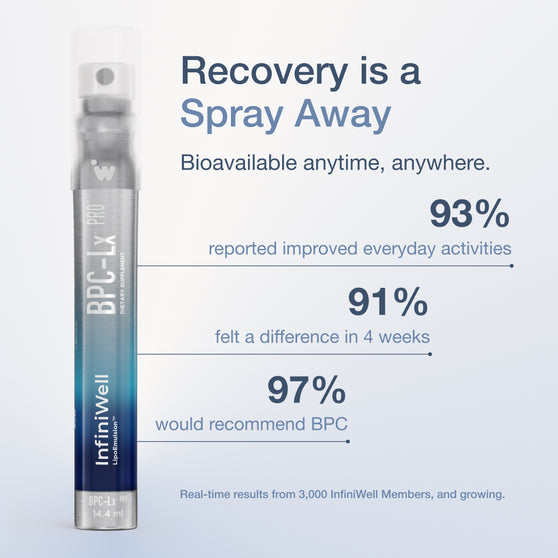
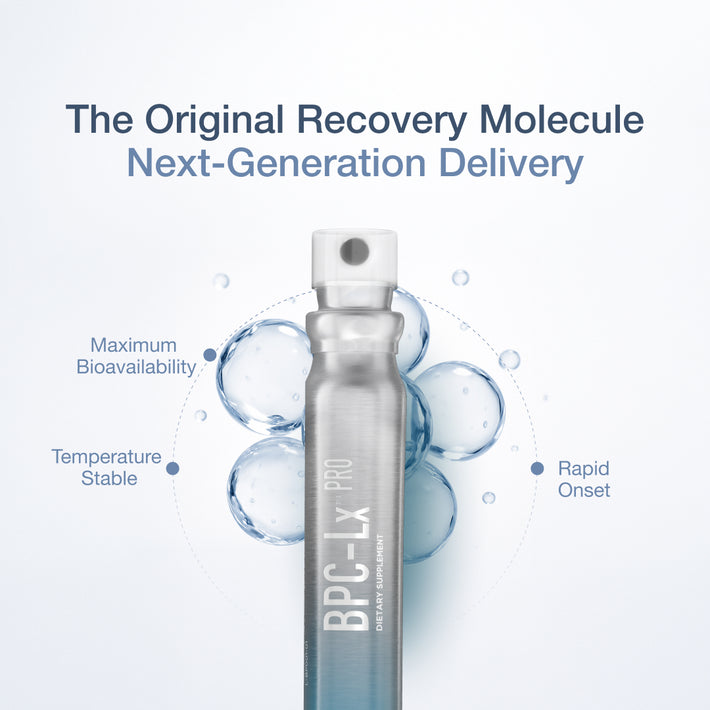
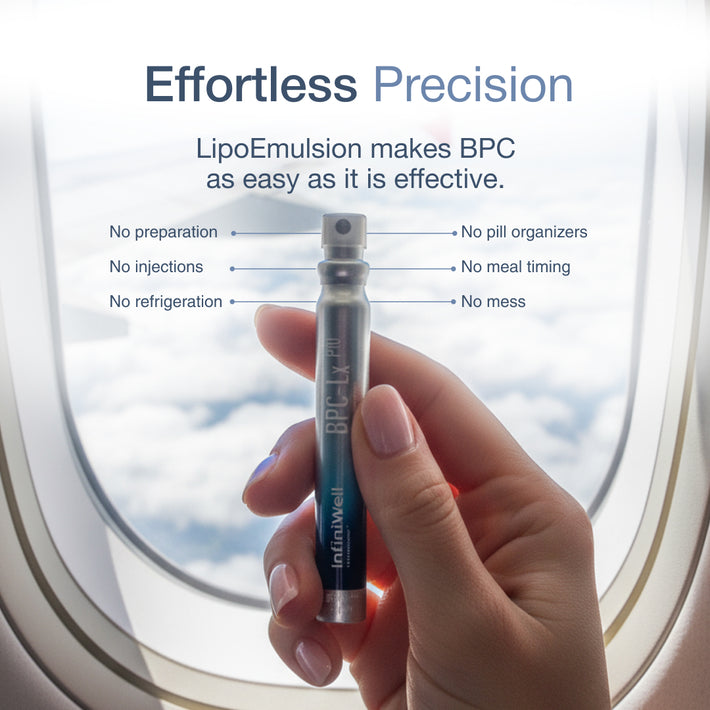
For anyone exploring this category, InfiniWell's BPC Precision Aminos line is formulated with pentadeca short-chain amino acids and designed for oral use, including BPC Rapid Pro, BPC Delayed Pro, and the BPC-Lx Pro spray for those comparing formats.
Whatever you choose, prioritize clear labeling and third-party testing over the lowest price.
What to look for when choosing a supplement
For most people exploring this category, oral supplements are the practical choice. With peptides, though, how a product is formulated matters as much as what it contains.
Research on oral peptide delivery consistently points to formulation design as the key factor in how much of the compound survives the digestive process.
Green flags
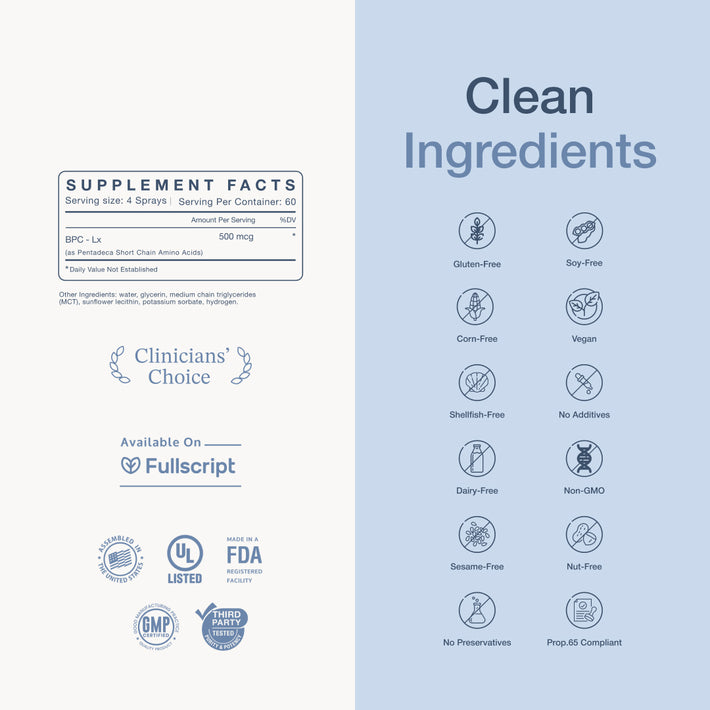
- Peptide sequence or amino acid count is clearly listed on the label
- Brand explains its oral delivery strategy
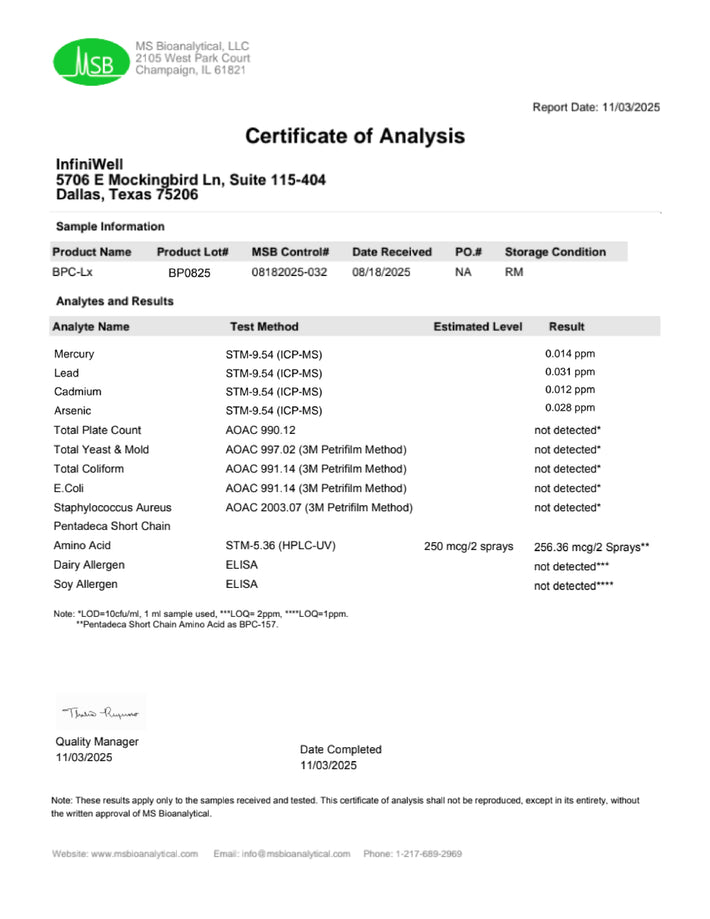
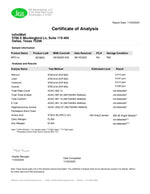
- Third-party Certificates of Analysis (CoA) are available
- Language is wellness-forward. No disease claims or guaranteed outcomes
Red flags
- Vague proprietary blends with no ingredient detail
- Language suggesting the product is “pharmaceutical-grade” or similar
- Any implication the product is FDA-approved. Dietary supplements are regulated separately from drugs and do not go through the same approval process
- Guaranteed outcomes or medically adjacent promises
The science is still developing, and no supplement replaces professional medical guidance. If you’re ready to explore, look for a brand that leads with transparency: clear labeling, honest research framing, and third-party testing.
InfiniWell’s BPC Rapid Pro is formulated with pentadeca short-chain amino acids and designed for oral use. Shop BPC Rapid Pro today.
What to read next:
- Peptide in the Mornings: How BPC-157 Supports Energy and Daily Wellness
- BPC-157 vs. BPC-Lx Pro: What’s the Difference?
- Can Peptides Help Joint Comfort? A Comprehensive Guide
Pentadeca arginate: FAQs
-
SOURCES
You May Also Like
View All Articles

The Best Way to Take NMN: With or Without Food?
Wondering about the best way to take NMN? Learn what research says about daily amounts, taking NMN with or without food, timing, and choosing a quality supplement.

Did the FDA Just Change the Rules on Peptides? What the July 2026 Vote...
A July 2026 FDA advisory committee vote put peptides back in the spotlight. We break down what was recommended, how the 503A compounding process works, and what consumers should know.