
























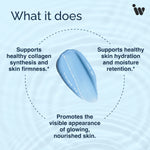
















Key takeaways
-
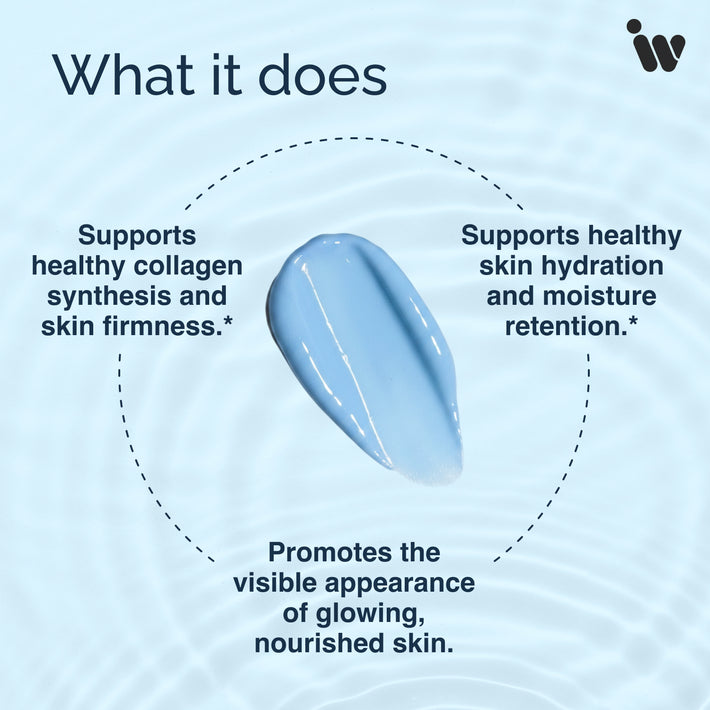
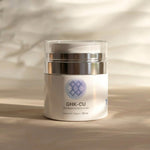
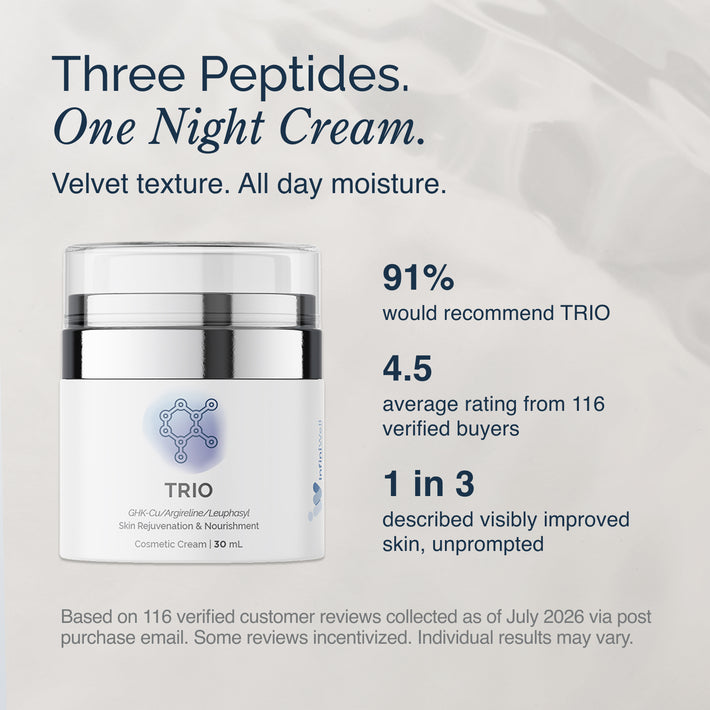
Also known as topical tripeptide copper complex, GHK-Cu is a naturally occurring copper peptide that helps maintain skin firmness, smoothness, and antioxidant activity, backed by growing research.
-
It's commonly used to support smoother skin texture, a firmer appearance, and moisture retention. It may also benefit hair and scalp health with consistent use.
-
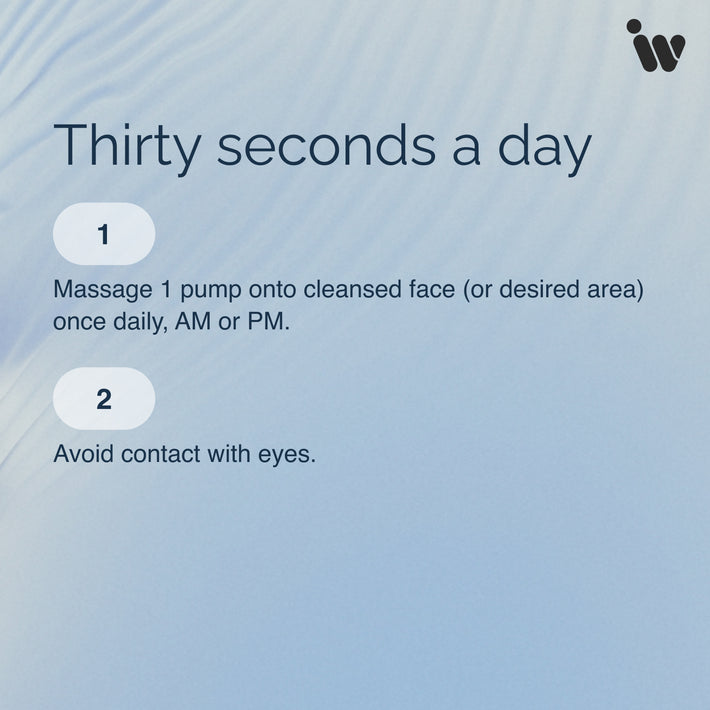
Apply your GHK-Cu cream or serum to clean, dry skin and layer under hydrating ingredients like hyaluronic acid. Use morning or evening; consistency matters most.
-
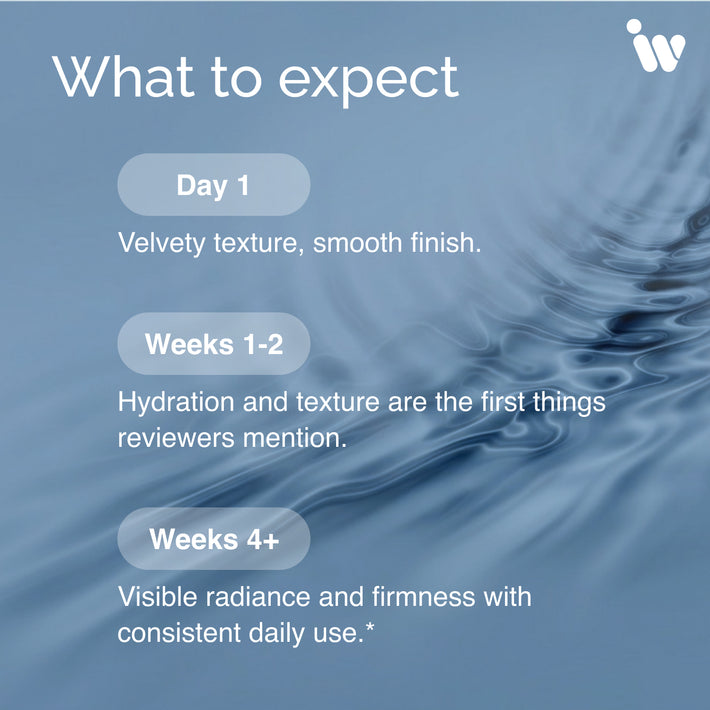
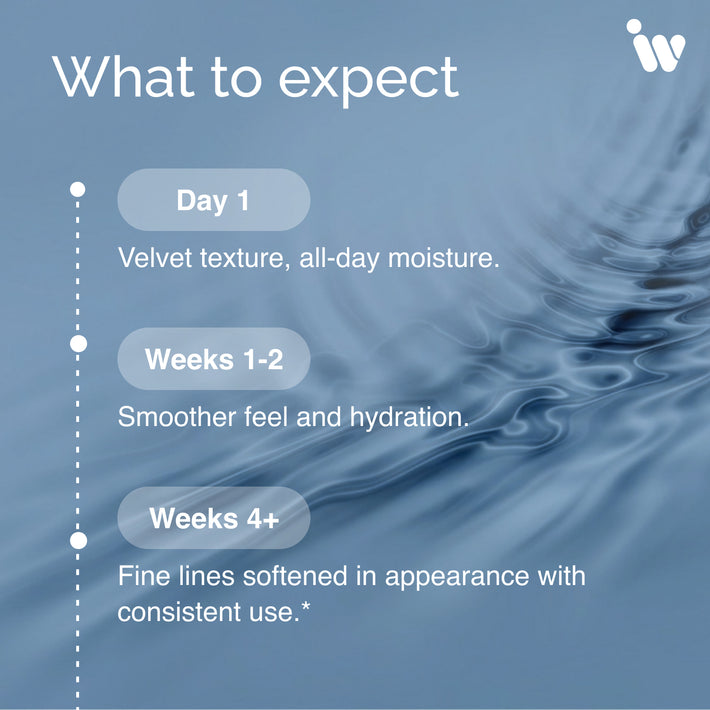
You may notice better hydration within days, but visible changes in texture and firmness typically take 4-8 weeks. More consistent results appear after 12+ weeks.
-
Patch test first, introduce gradually, and alternate days if using retinoids or acids. Consult a dermatologist if you have copper metabolism concerns, are pregnant or nursing, or experience irritation.
-
GHK-Cu and collagen work as partners: GHK-Cu supports visible changes on the skin's surface, while collagen peptides work from within.
GHK-Cu has moved from research labs to skincare counters, and dermatologists are fielding more questions than ever about this copper peptide.
With new formulations launching regularly and social media buzz around its potential for firming, smoothing, and even supporting scalp health, it's worth cutting through the hype to understand the science.
Below, you'll learn what GHK-Cu is, what the evolving research actually shows, and how to use it safely.
What is GHK-Cu?
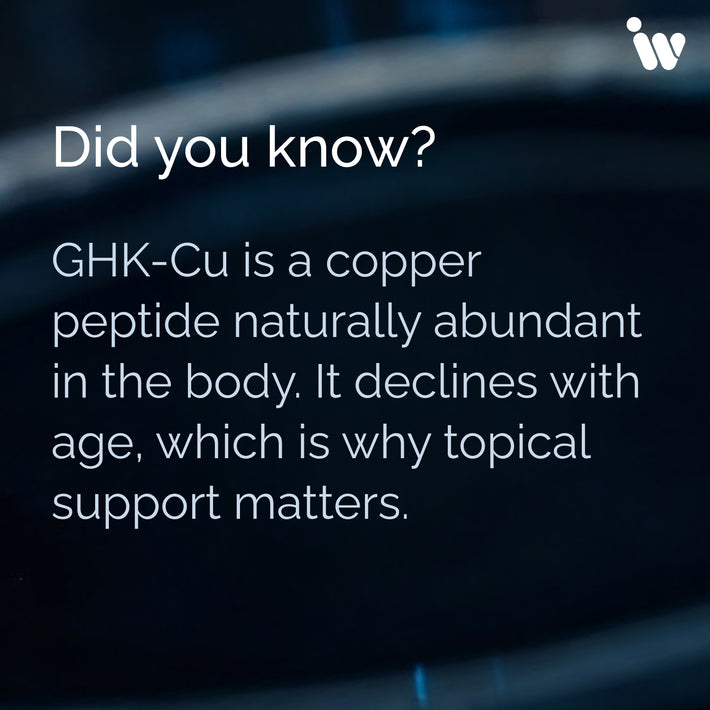
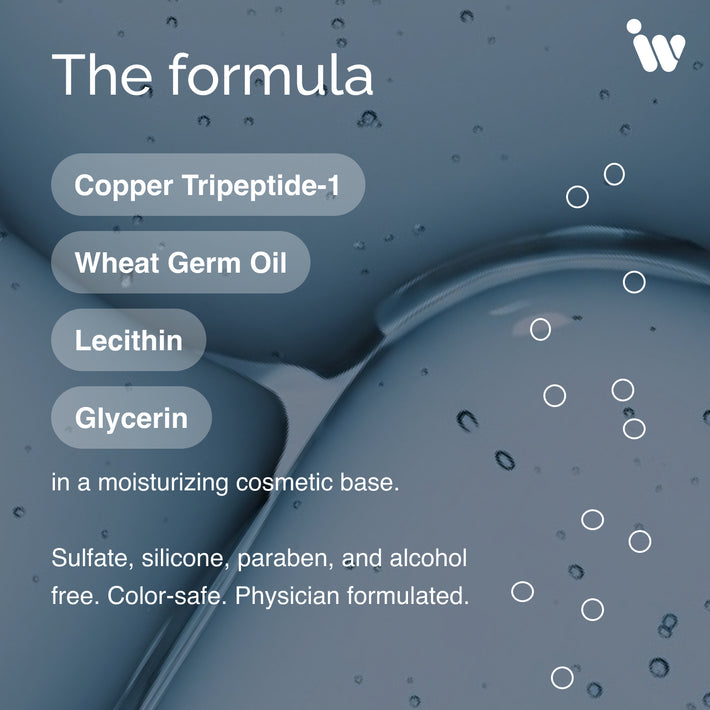
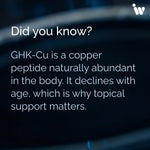
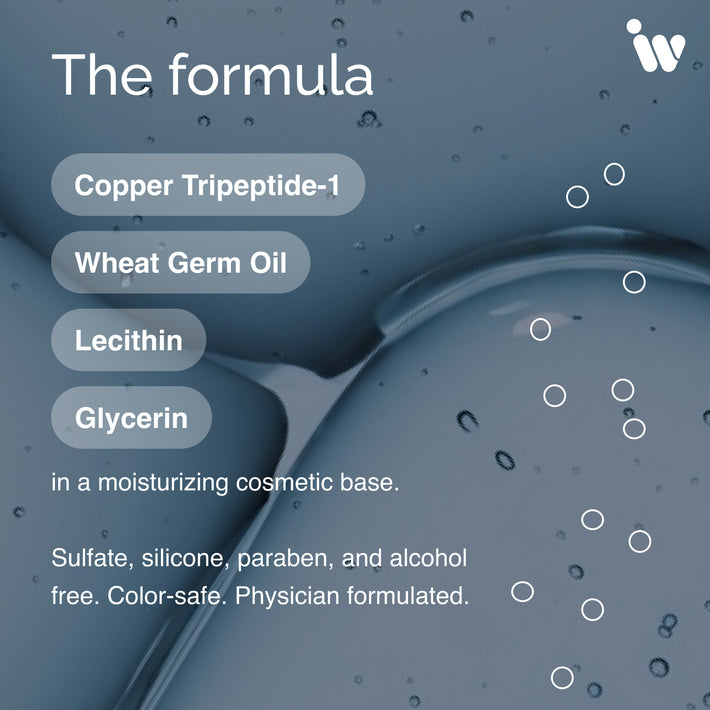
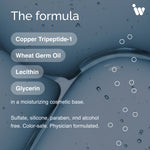
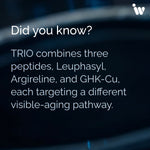
GHK-Cu is a small peptide complex formed when the tripeptide GHK (glycyl-L-histidyl-L-lysine) binds with copper ions. Found naturally in human plasma and tissues, it’s commonly linked to skin structure and appearance.
GHK-Cu copper peptides act as carriers that help deliver copper where it's needed for essential biological processes. Copper is involved in normal biological processes, including those related to antioxidant enzymes and connective tissue.
Because of this, GHK-Cu has become popular in skincare for supporting skin health, elasticity, and a smoother-looking complexion.
GHK-Cu benefits: What is GHK-Cu good for?
While research is ongoing and not definitive, here's what the literature commonly explores:
-
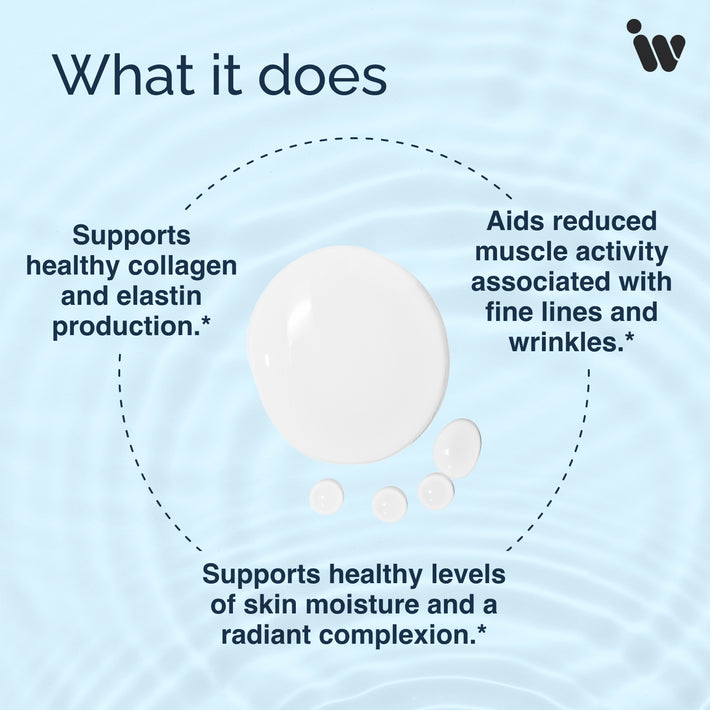
Collagen and elastin support: GHK-Cu has been studied for its relationship with collagen and elastin structure in laboratory settings, which is why it's often linked to skin density, elasticity, and firmness.
-
Antioxidant and cellular activity: Laboratory research shows GHK-Cu may support antioxidant enzymes and help cells respond to environmental stressors, though more human studies are needed.
-
Skin texture and hydration: GHK-Cu is commonly formulated into serums and creams designed to support skin density, hydration, and a smoother, more even complexion, particularly in anti-aging products.
-
Hair and scalp care: Emerging research explores how GHK-Cu might support scalp health and overall hair appearance, though evidence remains limited and results vary.
Setting realistic expectations
Research on GHK-Cu includes lab studies, animal models, and small human trials. It's promising, but not conclusive. Don't expect dramatic overnight results—this ingredient works gradually.
With consistent use over weeks and months, GHK-Cu may support healthier-looking skin and scalp. But individual results vary based on formulation, concentration, and your skin's unique characteristics.
If you're considering GHK-Cu products, a dermatologist or skincare professional can help determine if they're right for your routine.
How is GHK-Cu used?
You’ll typically see GHK-Cu discussed in two main formats: topical products and injectables. InfiniWell’s GHK-Cu is topical and designed for skin application.
-
Topical serum or cream: Apply to clean, dry skin. Many people use a GHK-Cu serum after cleansing and before moisturizing. If your routine includes vitamin C or gentle exfoliants, GHK-Cu is often used on evenings when a supportive peptide step makes sense.
-
Layering tips: GHK-Cu pairs well with hydrating ingredients like hyaluronic acid. If you’re using active ingredients, start slowly and observe how your skin responds. Morning or evening use can both work, but consistency tends to count more than timing.
-
Scalp application: Some users apply a small amount directly to the scalp and gently massage it in. Avoid the eye area and wash hands after application.
-
Injectables: In some contexts, GHK-Cu may be delivered by injection (GHK-Cu peptide injection), which is considered a medical use rather than a cosmetic one. Injectable use is outside the scope of topical skincare products and should only be discussed with a qualified healthcare professional.
When should GHK-Cu be taken?
For topical products, “taken” simply means applied to the skin. GHK-Cu can be used in the morning, at night, or both. Many people choose:
-
Evening use on nights without stronger actives
-
Morning use under sunscreen to support skin appearance throughout the day
The best timing is the one you’ll stick with most consistently. If your routine includes more potent ingredients, alternating nights can help keep things balanced.
How long does it take to notice results from GHK-Cu?
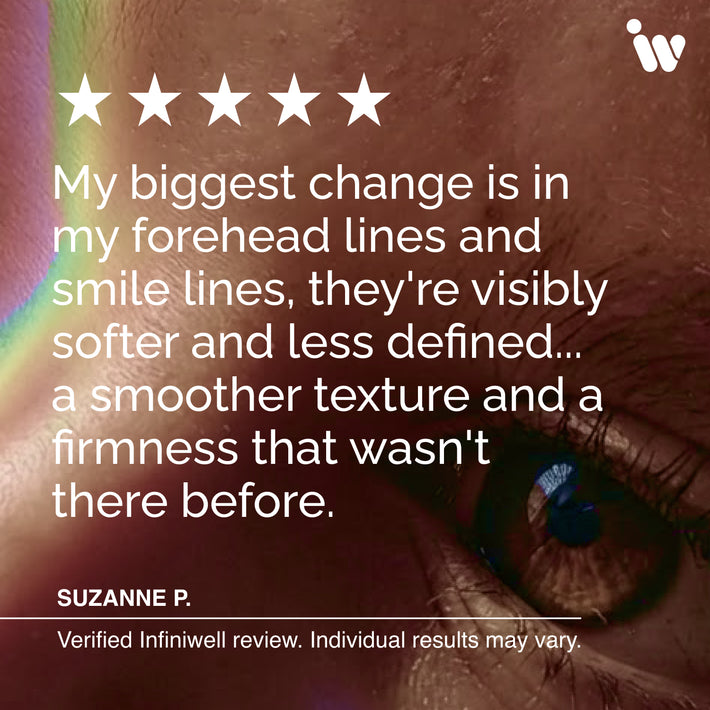
With topical peptides, patience is your ally. Some people report noticing visible changes in 4-8 weeks of consistent use, with continued gains through 12 weeks and beyond. Your starting point, product formulation, and overall routine are all important.
In short: Hydration and a softer skin feel may be noticed sooner, while changes in texture, elasticity, and overall firmness tend to take longer. Results can vary.
GHK-Cu safety considerations
GHK-Cu is generally well tolerated in topical skincare, but it’s still a good idea to use it thoughtfully, especially if your skin is sensitive or your routine includes active ingredients.
-
Patch test first: Try a small test application on a discreet area, like behind the ear or along the inner forearm, and wait a full day to see how your skin responds.
-
Start gradually: Begin with a few applications per week. Build up frequency only if your skin feels comfortable.
-
Active ingredients: If you use exfoliants or retinoids, consider alternating nights or separating applications to limit irritation.
-
Copper considerations: If you have a condition that affects copper metabolism or already use products high in copper, it’s best to consult a qualified professional before adding copper peptides.
-
Pregnancy or breastfeeding: Safety data for many cosmetic ingredients can be limited. If you’re unsure, speak with your healthcare provider.
Common question: What are the side effects of GHK-Cu?
Most people tolerate topical GHK-Cu without issues. Some may experience mild redness, dryness, or sensitivity, often related to overuse or combining too many active ingredients. If irritation persists, discontinue use and consult a professional.
GHK-Cu vs. collagen peptides
GHK-Cu and collagen peptides are often mentioned together, but they serve different purposes.
-
What they are: GHK-Cu is a copper peptide complex used in topical skincare to support skin appearance. Collagen peptides are dietary supplements made from collagen protein and used as a source of amino acids.
-
How they’re used: GHK-Cu is typically applied to the skin or scalp in a serum or cream. Collagen peptides are usually mixed into beverages or foods as part of a nutrition routine.
-
What to expect: Topical GHK-Cu is commonly used to support skin texture, firmness, and overall appearance. Collagen peptides contribute to daily protein intake and are often included in general wellness or "beauty from within" routines.
-
Can you use both? Many people do. If you take collagen peptides every day, you'll likely experience gradual, routine support rather than dramatic changes. As with most routines, consistency matters more than doing too much at once.
Is GHK-Cu worth adding to your routine?
If you're building a routine for healthy-looking skin, GHK-Cu is worth considering. As a copper peptide, it's associated with processes that support skin elasticity, smoother texture, and overall appearance. The research, particularly around collagen pathways and antioxidant activity, is promising, though still developing.
The key is realistic expectations. Choose a well-formulated product, use it consistently, pair it with essentials like sunscreen and hydration, and give it time. GHK-Cu works gradually over weeks and months, not overnight.
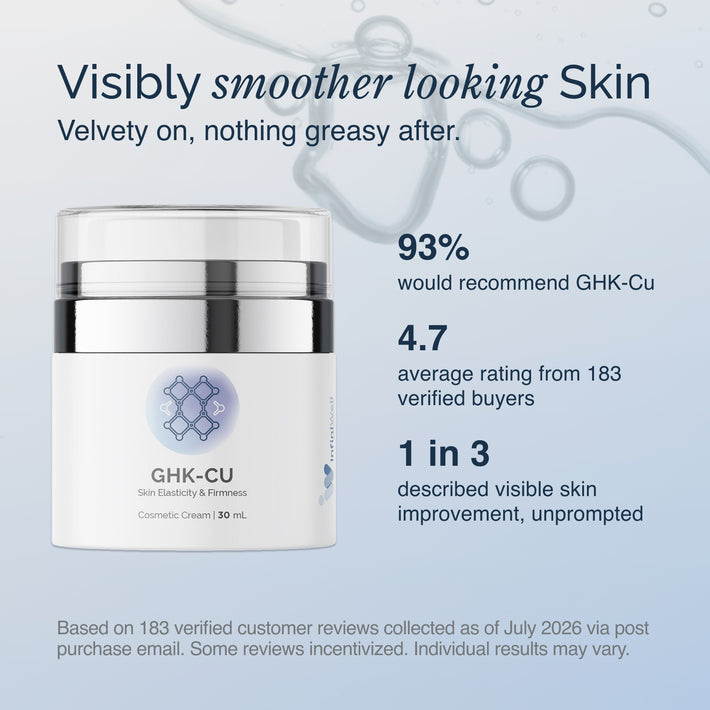
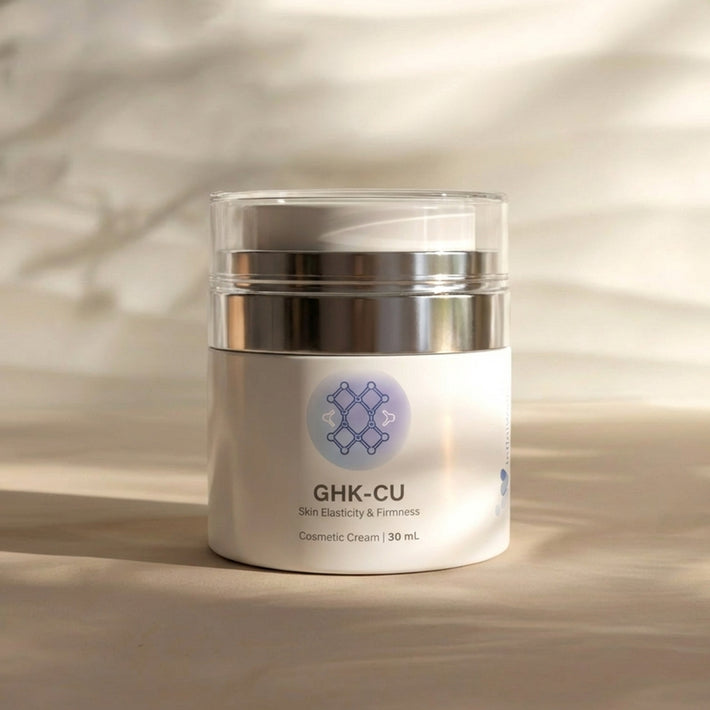
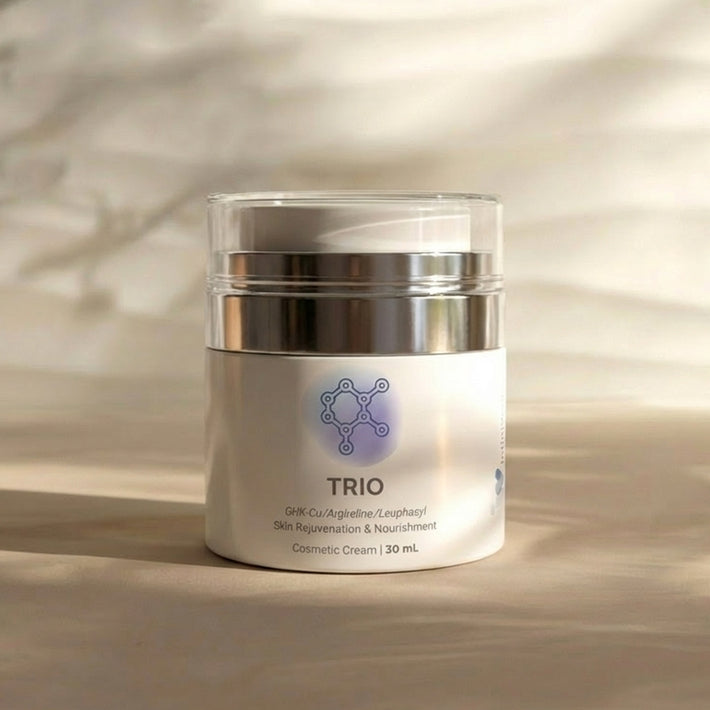
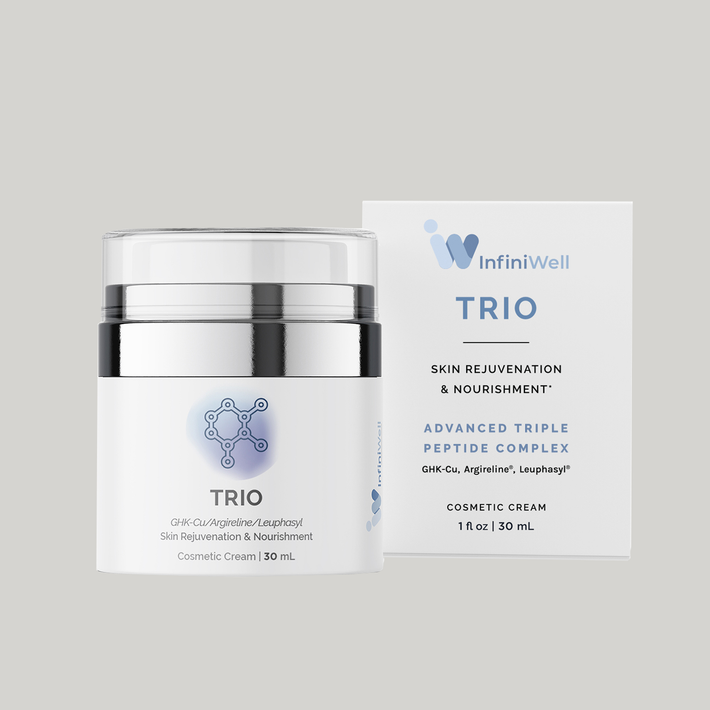
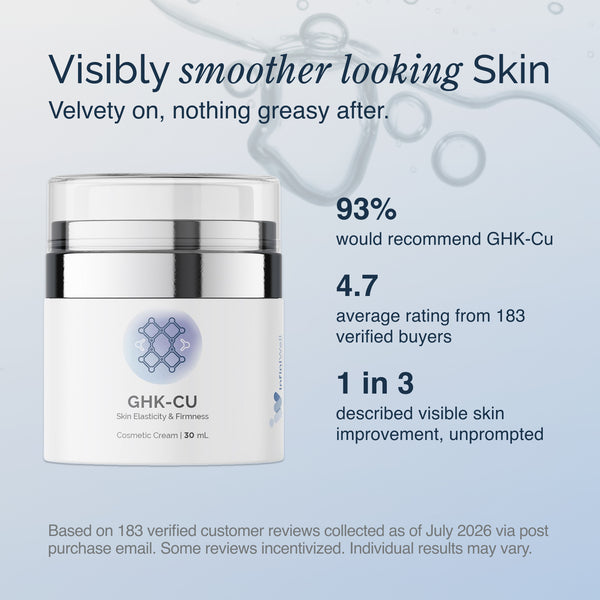
If you're ready to incorporate GHK-Cu into your routine, InfiniWell's offers targeted skincare and scalp care formulas designed to support skin health and appearance.
What to read next:
-
GHK-Cu and Anti-Aging Skin Care: The Science Behind How Skin Ages
-
Peptides for Skin: What Are They, and How Do They Benefit Your Skincare Routine?
GHK-Cu benefits: FAQs
-
SOURCES
Products mentioned in this article
You May Also Like
View All Articles

Perimenopause Supplements: A Guide to Nutrients and Healthy Aging
Perimenopause supplements range from familiar nutrients such as vitamin D and magnesium to herbal ingredients including black cohosh and red clover. This guide reviews the research behind common options and explains how broader healthy-aging ingredients such as NMN and epicatechin fit in.

Best Scalp Serum for Hair Growth: What to Look For
The best scalp serum for hair growth depends on its active ingredients, intended use, and supporting research. Compare peptide, botanical, hydrating, and minoxidil formulas, including InfiniWell’s DUO and PTD-DBM + Methyl Vanillate.