











































Key takeaways
-
Zinc thymulin is a peptide-mineral complex studied in early research for its potential role in scalp and skin biology. Results vary, and the science is still developing.
-
The scalp's overall condition, including hydration, nutrient availability, and barrier function, influences the appearance of hair.
-
Zinc supports normal cellular activity and is involved in skin and hair structure as part of general nutritional wellness.
-
Topical formulations that include zinc thymulin are designed to complement a broader scalp care routine, not replace foundational habits.
-
Hair and scalp wellness is a long-term commitment, and consistent habits are what tend to shape visible results over time.
Scalp wellness has become a growing focus in hair care research. With the scalp gaining recognition as the foundation of healthy-looking hair, more people are turning to ingredient-focused approaches to support it from the root up.
Among the compounds drawing attention is zinc thymulin, a peptide-mineral complex being explored in relation to skin and scalp biology. Research is still in the early stages, and no definitive outcomes have been established. But understanding what the science says (and what it doesn't) is a useful starting point for anyone building a thoughtful scalp care routine.
What is zinc thymulin?
Thymulin is a small peptide originally identified in thymus tissue. First characterized by researchers in the 1970s, it was found to be biologically active only when bound to zinc, giving rise to the term "zinc thymulin" or the "zinc-thymulin complex."
Zinc is a mineral involved in a wide range of normal cellular processes and supports normal skin structure and function. The zinc–thymulin complex has been studied in immune cell signaling, where it appears to influence certain cellular pathways. Some of these pathways are relevant to general skin and scalp biology, though direct evidence in this area remains limited. Most findings come from early-stage research, with limited direct human data.
In supplement and cosmetic contexts, zinc thymulin is not a drug and not a medical treatment. It's being explored as part of broader conversations about how peptides may support scalp and skin wellness.
Why scalp condition influences hair appearance
The scalp is where hair originates. Its overall condition, including hydration, barrier function, and nutrient availability, plays a role in how hair looks and feels at the surface.
When the scalp environment is out of balance, it can affect hair appearance. Factors like product buildup, environmental stressors, and nutritional status all interact with the scalp's normal function. Before reaching for any single ingredient, supporting a balanced scalp environment is a key first step for anyone focused on hair appearance.
What early research suggests about zinc thymulin
Most research on zinc thymulin to date has been exploratory, and much of it sits in immunology rather than dermatology.
Foundational work by Mireille Dardenne and colleagues—French immunologists at Hôpital Necker in Paris who spent decades characterizing thymic hormones—established that thymulin's biological activity depends on zinc binding in an equimolar ratio, a detail documented in their 1982 paper in PNAS and reinforced in subsequent immunology research. That zinc dependency is why the active complex is referred to as zinc thymulin rather than thymulin alone.
Research specifically examining zinc thymulin in a scalp context is a newer and growing area of inquiry. A 2017 pilot study by E. Russell Vickers, an Australian researcher who has spent years working on peptide-based research and applications, was among the first to examine topical zinc thymulin in adults.
Across the participants studied, researchers reported changes in measured hair-related parameters and observed no local or systemic side effects over the course of study, findings the authors described as encouraging early signals that point toward areas worth deeper investigation.
These early observations are part of why zinc thymulin has drawn attention from formulators exploring peptide-mineral complexes for scalp applications. The science is still developing, but the direction of inquiry is active, and the early signals have been promising enough to warrant continued research.
How zinc thymulin fits into a scalp care routine
No single ingredient defines a good scalp care routine. A well-rounded approach generally includes:
-
Balanced nutrition, with attention to zinc, vitamins, and other nutrients that support skin and hair health
-
Gentle scalp care habits, including managing product buildup and reducing heat and environmental stressors
-
Consistent use of targeted topical products, where appropriate, to complement daily wellness habits
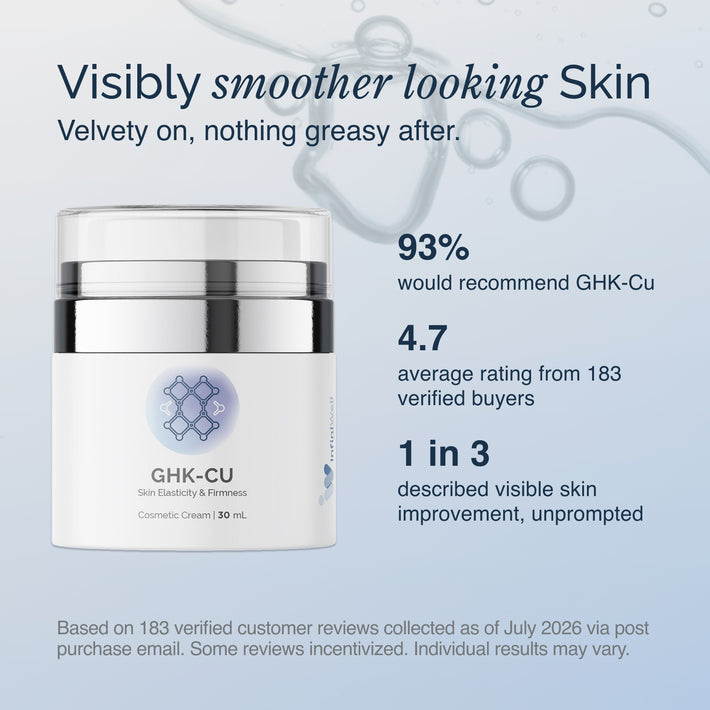
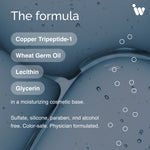
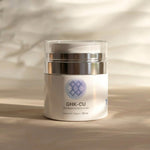
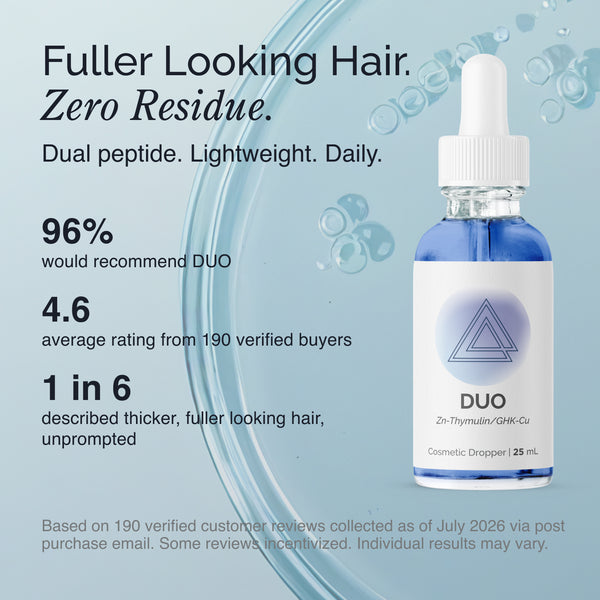
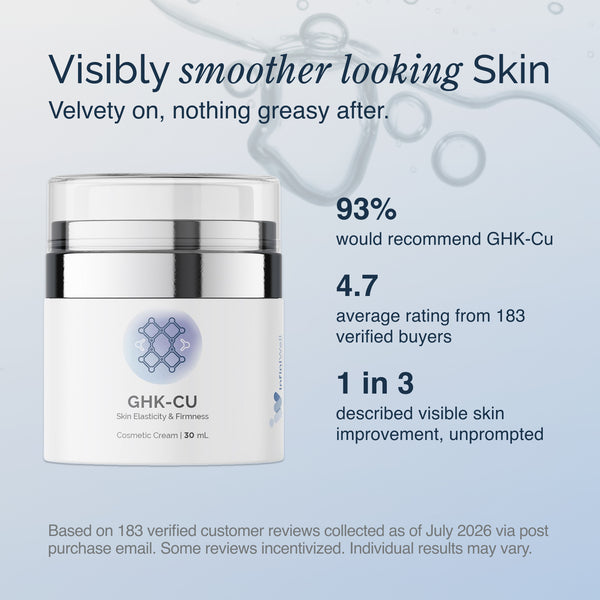
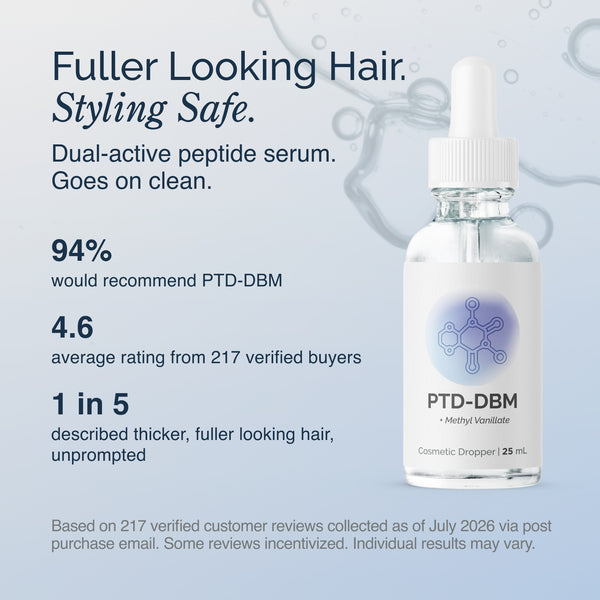
Zinc thymulin is increasingly included in topical formulations designed to support the scalp environment. The DUO scalp health serum from InfiniWell combines zinc thymulin with GHK-Cu and other cosmetic ingredients in a targeted topical format designed to work alongside a broader scalp routine. InfiniWell's PTD-DBM serum is another scalp-targeted formulation worth exploring alongside your routine.
If you have specific concerns about scalp health or hair appearance, it's worth speaking with a qualified healthcare professional before adding new products or supplements to your routine. They can help identify what approach makes the most sense for your individual needs.
Setting realistic expectations
Zinc thymulin is an emerging area of interest in scalp wellness research, but the science is still developing. And no ingredient, however well-studied, produces instant results.
Early studies have explored how this peptide-mineral complex interacts with the cellular environment of the scalp and hair follicles, and the direction of inquiry is active. What that research doesn't do is establish definitive outcomes, and individual results will vary.
The most grounded approach combines the right ingredients with consistent habits and realistic expectations. A well-formulated scalp routine, applied regularly alongside broader wellness habits, is more meaningful than any single compound in isolation.
For other hair and scalp formulations designed to complement your routine, explore InfiniWell's hair and scalp collection.
What to read next:
Zinc thymulin: FAQs
-
SOURCES
Products mentioned in this article
You May Also Like
View All Articles

Mitochondrial Health Supplements: A Complete Guide
Can a supplement support the tiny structures that help your cells produce energy? Explore what researchers have found about NMN, urolithin A, CoQ10, and other mitochondrial health ingredients—and where the evidence is still limited.

Best Scalp Serum for Hair Growth: What to Look For
The best scalp serum for hair growth depends on its active ingredients, intended use, and supporting research. Compare peptide, botanical, hydrating, and minoxidil formulas, including InfiniWell’s DUO and PTD-DBM + Methyl Vanillate.