








































































































Key takeaways
-
Prebiotic foods contain fibers and plant compounds that help nourish beneficial microbes in the gut.
-
Everyday foods like garlic, onions, oats, bananas, legumes, and asparagus are naturally rich in prebiotics.
-
Different prebiotic foods contain different types of fiber, which is why variety matters.
-
Regular, balanced food choices tend to count more than adding large amounts of one food.
-
Supplements can complement your food choices, but they aren't a replacement for a balanced diet.
Most people have heard plenty about probiotics, but the foods that feed those microbes get far less attention.
That's a problem because only about 5% of Americans get enough dietary fiber each day, and fiber is what many gut microbes live on.
Prebiotic foods help close that gap. They're the fibers and plant compounds that nourish the good bacteria already in your gut.
This guide covers what prebiotic foods are and easy ways to work more of them into your meals.
What are prebiotic foods?
Prebiotics are types of dietary fiber and plant compounds your body can't fully digest. Instead of breaking down in the small intestine, they travel to the colon, where gut bacteria ferment them for fuel.
The International Scientific Association for Probiotics and Prebiotics describes a prebiotic as a substrate used by beneficial microorganisms.
Prebiotics vs. probiotics
Probiotics get most of the spotlight, but they don't work alone. Probiotics are the live microbes themselves, found in foods like yogurt and kefir. Prebiotics are the food for those microbes. Picture probiotics as the garden and prebiotics as the fertilizer that keeps it growing.
Most prebiotics show up in a few common forms:
-
Inulin, found in chicory root, garlic, and onions
-
Resistant starch, found in cooled potatoes and slightly green bananas
-
Fructooligosaccharides (FOS), found in many fruits and vegetables
-
Galactooligosaccharides (GOS), found in legumes and some dairy
Different fibers feed different microbes, which is one reason researchers are interested in how dietary patterns may shape the gut environment and the broader gut-brain axis.
How prebiotic foods work in the gut
When beneficial microbes have plenty of fiber to ferment, they produce short-chain fatty acids, compounds commonly discussed in gut microbiome research. These microbes, often called good bacteria, are part of the larger gut microbiota community.
Variety is the part most people skip. Different prebiotic fibers feed different groups of healthy bacteria, so eating a wider range of prebiotic-rich foods can support a more diverse gut environment.
Fiber recommendations are often based on calorie intake, with guidance suggesting about 14 grams for every 1,000 calories consumed. Many people still do not reach that amount.
Best prebiotic foods to add to your plate
These everyday foods are some of the simplest ways to get more prebiotics into your diet. Here's where the fiber comes from and an easy way to enjoy each one.
|
Food |
Prebiotic source |
Easy ways to eat it |
|
Garlic |
Inulin, FOS |
Stir into sauces, dressings, and cooked dishes |
|
Onions |
Inulin |
Add to soups, stews, and salads |
|
Leeks |
Inulin |
Roast or sauté as a side |
|
Asparagus |
Inulin and other fibers |
Serve roasted or grilled |
|
Bananas (slightly green) |
Resistant starch |
Blend into smoothies or grab as a snack |
|
Oats |
Beta-glucan and other fibers |
Start the day with a warm bowl |
|
Apples |
Pectin |
Eat whole as a snack |
|
Legumes |
Fiber and resistant starch |
Build into salads and soups |
|
Chicory root |
Inulin |
Brew as a coffee alternative |
|
Flaxseed |
Fiber |
Stir into yogurt or oatmeal |
Slightly green bananas deserve a mention. They're one of the richest food sources of resistant starch, a fiber that ferments in the colon much like inulin and FOS. As a banana ripens, that starch turns to sugar, so greener is better here.
Simple habits for adding more prebiotic foods to your diet
Eating more prebiotic foods can start with simple changes to foods you already eat.
-
Add sliced banana or a handful of berries to your morning oatmeal.
-
Work beans or lentils into soups, salads, and grain bowls.
-
Swap refined grains for whole-food options like oats and barley.
-
Spread several different plant sources across the week instead of repeating one.
-
Add garlic, onions, or leeks to meals you already make regularly.
-
Keep apples, pears, or slightly green bananas on hand for simple snack options.
-
Sprinkle flaxseed or chia seeds over yogurt, oatmeal, or smoothies.
-
Include a variety of vegetables on your plate instead of relying on the same few choices.
-
Experiment with one new fiber-rich food each week to add more variety.
-
Add fiber gradually so your digestion has time to adjust comfortably.
For more everyday habits, our guide to improving digestion naturally explores habits that go beyond food choices.
Food first, supplements second
Whole foods bring not just prebiotics to the table. They also deliver vitamins, minerals, antioxidants, and a mix of fibers that a single supplement can't fully match. For most people, food is the foundation.
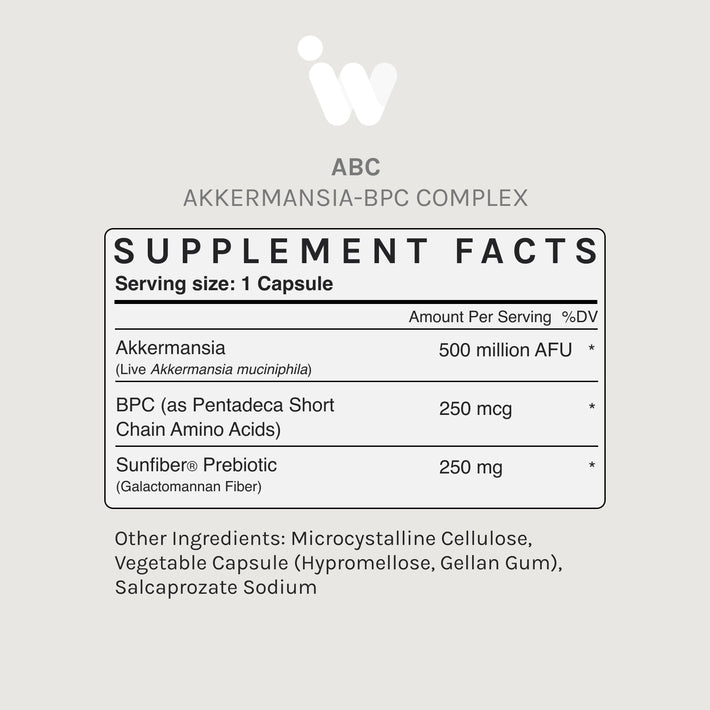
Supplements can complement that foundation when you're looking for extra gut support. A targeted probiotic like Akkermansia or a comprehensive blend like GI Prime can be used alongside everyday food choices that support gut wellness.
Browse the complete gut health collection to see how these fit together.
Prebiotic foods: FAQs
-
SOURCES
You May Also Like
View All Articles

Should I Use Glycine for Sleep: Benefits, Amounts, and Best Sources
Can glycine support a better nighttime routine? Explore what early research says about glycine and sleep, the serving amounts studied, food sources, and what to consider before adding a supplement.

What Are Postbiotics? A Beginner’s Guide
What are postbiotics, and how do they fit into gut wellness? Learn how they differ from probiotics and prebiotics, where they come from, and why they’re gaining attention in microbiome research.