


































































































Key takeaways
-
Postbiotics are the compounds created when beneficial bacteria and related microorganisms break down nutrients and fibers in your gut.
-
They are different from probiotics and prebiotics, but all three work together and contribute to the broader gut microbiome.
-
Common examples include short-chain fatty acids, enzymes, peptides, and other compounds produced through microbial activity.
-
The foods you eat, especially foods that contain fiber and fermented foods, can influence what your gut microbes produce.
-
Research into postbiotics is still growing, with interest building around gut and whole-body wellness.
Your gut is home to trillions of microorganisms that continuously interact with the food you eat. As these microbes break down nutrients and fibers, they create a wide range of compounds, many of which scientists refer to as postbiotics.
In this guide, we'll look at what postbiotics are, how they differ from probiotics and prebiotics, and why researchers are paying closer attention to them.
What are postbiotics?
Postbiotics are the compounds that form when beneficial bacteria and other microbes break down nutrients and fibers in your gut. A widely cited definition from the International Scientific Association for Probiotics and Prebiotics describes a postbiotic as a preparation of inanimate (non-living) microorganisms and/or their components that offers the host a health benefit.
The term "inanimate" highlights an important distinction. Unlike probiotic bacteria, postbiotics are not live organisms. They are the byproducts and cell components left behind by microbial activity.
Researchers are paying closer attention to postbiotics because they may help explain how a balanced gut microbiota connects to broader wellness, without some of the storage and stability considerations associated with maintaining live bacteria.
Understanding the gut ecosystem: Prebiotics, probiotics, and postbiotics
Before going deeper, it helps to understand how these three fit together. Although they serve different functions, they each contribute to the broader gut ecosystem and the balance of healthy gut bacteria.
|
Type |
What it is |
Example |
|
Prebiotics |
Nutrients that feed beneficial microbes |
Dietary fibers |
|
Probiotics |
Live beneficial microorganisms |
Fermented foods |
|
Postbiotics |
Compounds produced through microbial activity |
Short-chain fatty acids and other metabolites (substances produced when microbes break down nutrients) |
Rather than competing, the three work together. Prebiotics feed the healthy bacteria already in your gut, probiotics introduce beneficial microorganisms into the gut microbiota, and postbiotics are the compounds created through that microbial activity.
How are postbiotics produced?
Postbiotics form through fermentation. When microbes in your digestive tract interact with fibers and nutrients your body cannot fully digest on its own, they ferment them and produce a variety of compounds. Postbiotic compounds include short-chain fatty acids such as acetate, propionate, and butyrate.
What your microbes produce depends partly on what you eat. A systematic review in healthy adults found that eating more fiber may influence the types and amounts of short-chain fatty acids produced in the gut. Gut microbes can also produce other compounds, including enzymes, peptides, and bioactive compounds.
Researchers are exploring how these compounds may connect to cell metabolism within the gut lining.
Why postbiotics are becoming an area of research interest
Scientists are continuing to explore postbiotics because of their connection to the gut environment.
Early research suggests short-chain fatty acids serve as a fuel source for the cells lining the colon. Some studies also point to a connection with immune system health, since these compounds appear to influence the production of mucins and antimicrobial peptides in the intestine.
There is also growing interest in whole-body connections. Short-chain fatty acids are one way the gut may communicate with the brain, a topic explored in research on the gut-brain connection. Postbiotics also appear in longevity discussions, with reviews exploring postbiotics in the context of healthy aging as scientists continue studying how microbes and nutrition interact over time.
Research in this area is still evolving, and results can vary from person to person.
Sources of postbiotics and how people may get them
Fermented foods are one natural source because postbiotics form during fermentation. Common examples include:
-
Yogurt
-
Kefir
-
Kimchi
-
Sauerkraut
-
Miso
Foods that contain fiber also play a role because they provide nutrients that gut microbes can use during fermentation.
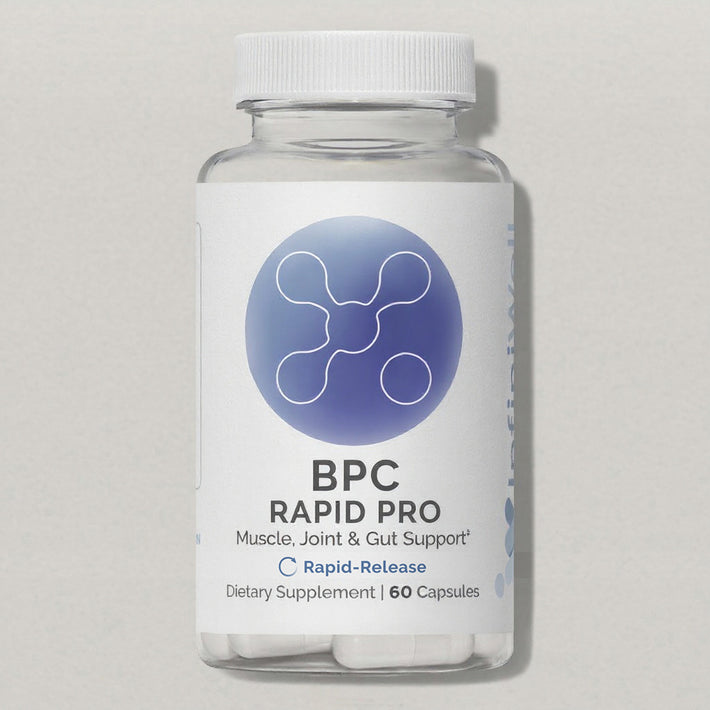
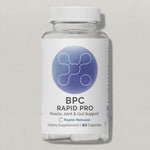
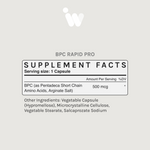
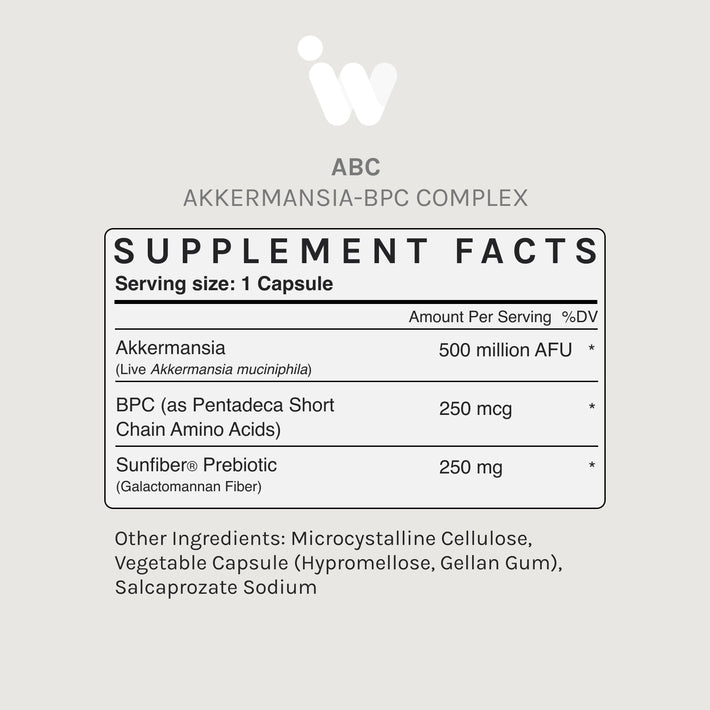
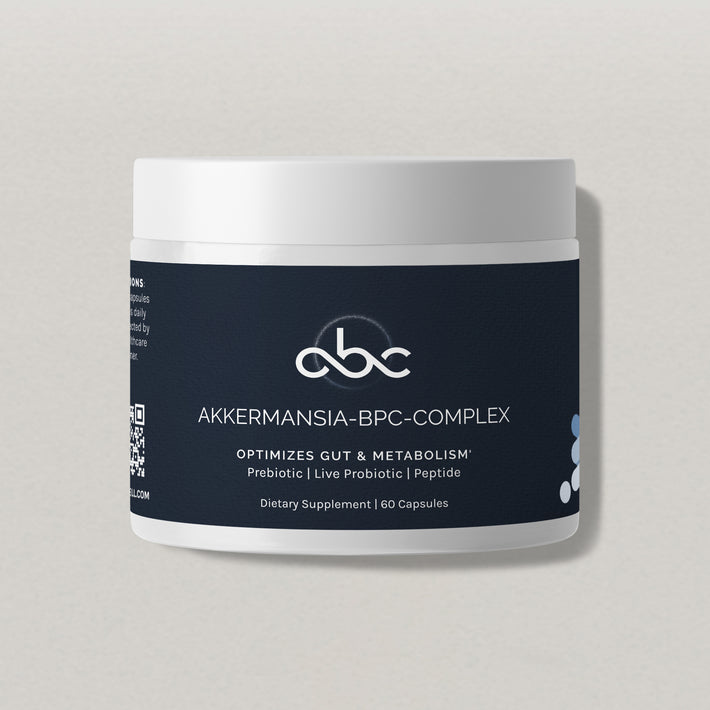
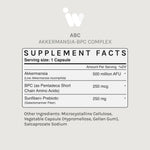
Beyond food, some gut wellness formulations are designed to support a healthy gut environment, such as our Akkermansia probiotic, BPC Probiotic, and the GI Prime prebiotic and probiotic formula. You can browse the full gut health collection to learn more.
Beyond probiotics in gut health research
For years, probiotics received much of the attention in gut health research. That focus has started to broaden. As scientists learn more about the gut ecosystem, researchers are also studying microbial metabolites and related compounds, not just live microorganisms.
This shift is part of why interest in next-gen probiotics and broader microbiome support keeps building.
Final takeaway: Looking at gut health as a whole
Gut wellness is rarely about a single ingredient. It comes from many things working together, including the foods you eat, the microorganisms in your gut, and the compounds they produce.
Postbiotics help explain how nutrition and microbial activity intersect. As research continues to grow, they're adding to our understanding of how the gut ecosystem works as a connected system.
To see how different formulas fit in, explore our gut health collection.
Postbiotics: FAQs
-
SOURCES
You May Also Like
View All Articles

Prebiotic Foods for Gut Health: Best Foods to Add to Your Plate
Want to add more prebiotics to your diet? Discover everyday prebiotic foods, the types of fiber they provide, and simple ways to support a healthy gut through your meals.

Should I Use Glycine for Sleep: Benefits, Amounts, and Best Sources
Can glycine support a better nighttime routine? Explore what early research says about glycine and sleep, the serving amounts studied, food sources, and what to consider before adding a supplement.