










































Key takeaways
-
Bioactive peptides (also sometimes referred to as "bio peptides") are short amino acid chains released from proteins during digestion or enzymatic processing, where proteins are broken into smaller fragments. They're commonly sourced from dairy, fish, soy, eggs, and grains.
-
Early research suggests bioactive peptides may show antioxidant, antimicrobial, angiotensin-converting enzyme (ACE)-inhibitory, and immunomodulatory activities, but human evidence remains limited.
-
Peptide supplements deliver specific peptides that food alone may not provide, so think of them as an extra layer of support, not a substitute for good nutrition.
-
Avoid peptide supplements if you’re pregnant, nursing, under 18, or if you have source allergies (such as milk, soy, fish, or egg) or take medications without professional guidance.
-
Select products using these quality markers: transparent sourcing information, documented enzymatic hydrolysis process, peptide size specifications, science-backed (not exaggerated) claims, standardized serving sizes, and independent third-party testing verification.
-
Use bioactive peptides as directed, reassess periodically, and focus on overall protein, fiber, sleep, and activity for goals like weight management.
The bioactive peptides industry is on a steep growth trajectory, projected to surge from nearly $5 billion to over $10 billion between 2026 and 2032, driven by surging consumer interest in functional foods and "clean label" supplements.
Major food manufacturers are reformulating products around peptide technology, while wellness influencers tout them for everything from skin elasticity to metabolic health.
But amid the commercial momentum, the science is often oversimplified. This guide breaks down what bioactive peptides actually are, what research supports (and doesn't), where you'll find them naturally, and how to assess supplements without falling for inflated claims.
What are bioactive peptides?
Bioactive peptides are short chains of amino acids, typically 2-20 amino acid residues, released from parent proteins. They can be peptides derived naturally in your gastrointestinal tract during digestion (thanks to digestive enzymes) or peptides extracted from food proteins through enzymatic hydrolysis (enzyme-driven protein breakdown).
When these peptide sequences interact with cells and systems in ways that influence normal physiology, they're called biologically active peptides.
Bioactive proteins and peptides: Examples of bioactive peptides and where to get them
You don’t typically consume large amounts of free peptides on their own. Instead, bioactive peptides come from dietary proteins that release peptide fragments during digestion or controlled processing, such as during manufacturing.
Bioactive peptides are often grouped by their source or by the type of activity they’ve been studied for.
Common food sources of bioactive peptides
-
Dairy proteins (casein and whey)
-
Fish and other marine proteins
-
Soy and other legumes
-
Eggs (especially egg whites)
-
Grains and plant proteins such as rice, wheat, peas, and hemp
Milk-derived peptides
Found in casein and whey proteins, these are among the most extensively researched bioactive peptides.
They naturally occur in fermented dairy products like yogurt and kefir and are concentrated in whey protein supplements, protein bars, and dairy-based functional beverages like protein shakes, drinkable yogurt, and protein-enriched milk drinks.
Soy peptides
Derived from soybean protein through enzymatic processing, these peptides appear in plant-based protein powders, soy milk, tofu, tempeh, and meat alternatives.
They’re a focal point in research exploring plant-based alternatives to animal-derived bioactive peptides, especially in studies related to cardiovascular and metabolic health.
Marine peptides
Extracted primarily from fish skin, scales, and bones, these peptides—especially collagen peptides—are prominent in marine collagen supplements, fish protein hydrolysates, and beauty-focused functional foods.
They're commonly studied for skin elasticity, joint support, and connective tissue health.
Egg peptides
Sourced mainly from egg whites (though yolk proteins are also studied), these peptides are featured in egg protein powders, baked goods fortified with egg protein, and specialized sports nutrition products.
Research often focuses on their antimicrobial and immune-supporting properties.
Plant peptides
Beyond soy, peptides from rice, pea, hemp, and wheat proteins are increasingly common in vegan and allergen-friendly protein blends, plant-based meal replacements, and hypoallergenic infant formulas. They’re studied for digestibility and how their protein profiles stack up against animal-based options.
Cyclic peptides and synthetic sequences
These are laboratory-created peptides designed for precision research into peptide structure, receptor binding, and therapeutic potential. Unlike food-derived peptides, they're not consumed as part of normal diets but serve as research tools and, in some cases, as pharmaceutical candidates.
A balanced diet rich in varied protein sources provides the raw materials for peptide formation, while supplements aim to deliver specific peptide fractions in a more standardized form.
What do bioactive peptides do?
Different peptide sequences can behave in different ways. Early research and laboratory studies suggest that certain bioactive peptides may:
-
Support antioxidant activity in test systems
-
Interact with normal cell signaling involved in routine cell function and upkeep
-
Show antimicrobial activity in controlled lab environments
-
Demonstrate ACE-inhibitory activity in research settings
-
Exhibit immunomodulatory activity when derived from food proteins in exploratory studies
Note: Keep expectations realistic. Much of this research comes from laboratory and animal models, and results don’t always translate directly to humans. Human research is still developing, and findings can vary by peptide type and context.
Bioactive peptides supplements explained
Bioactive peptide supplements are designed to provide standardized peptide fractions that have already been broken down from larger food proteins through controlled enzymatic processing. Rather than relying entirely on digestion to release these peptides from whole foods, supplements provide them in a more standardized, ready-to-use form.
Some products are marketed around laboratory findings, such as antioxidant potential, mineral-binding activity, or interactions observed in research models. It’s worth reiterating that much of the available evidence comes from early-stage or preclinical research.
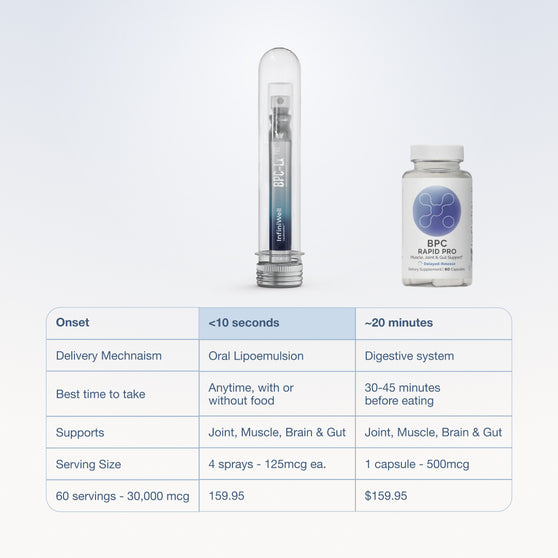
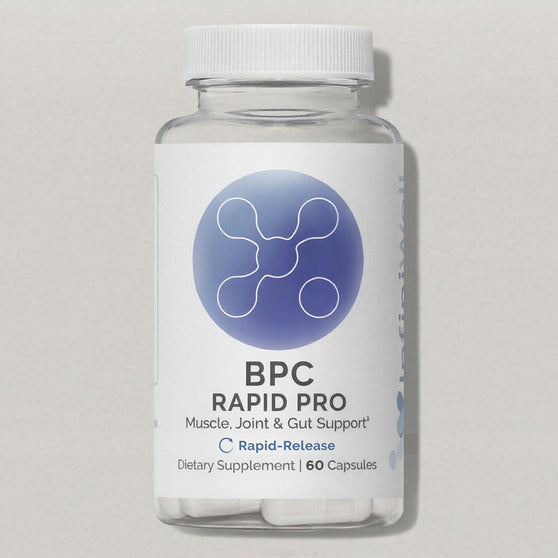
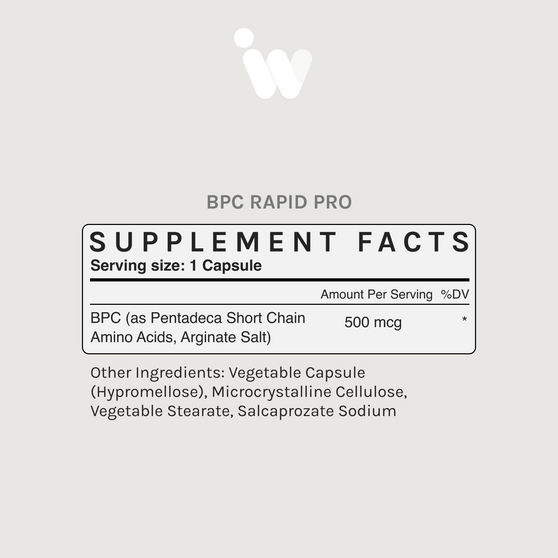
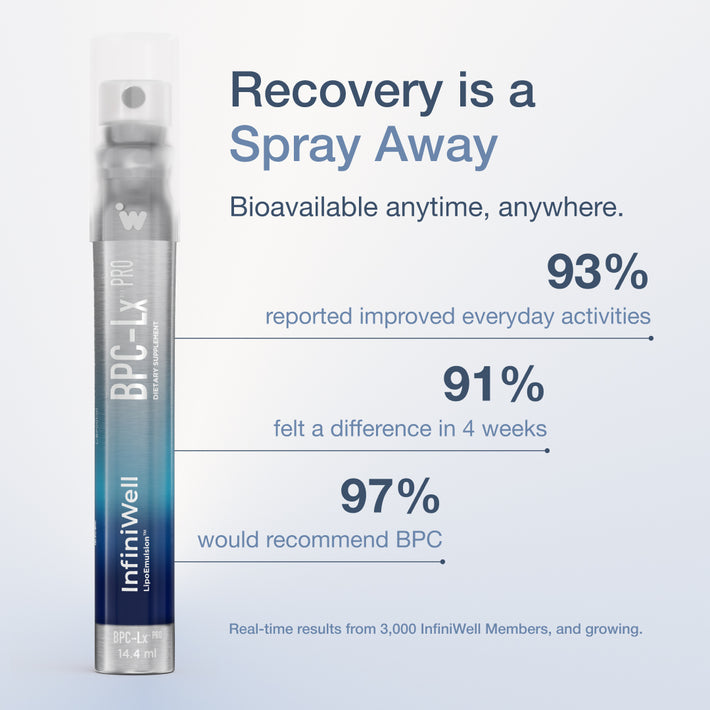
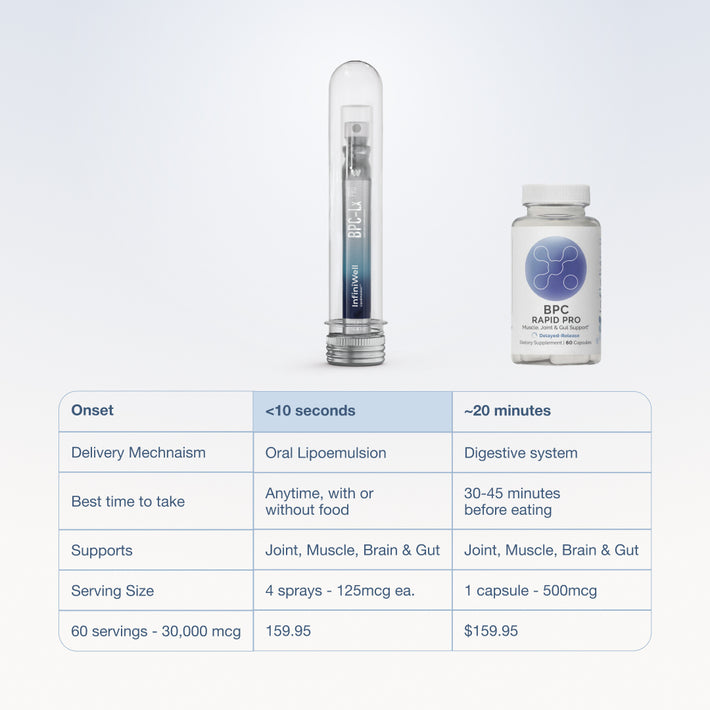
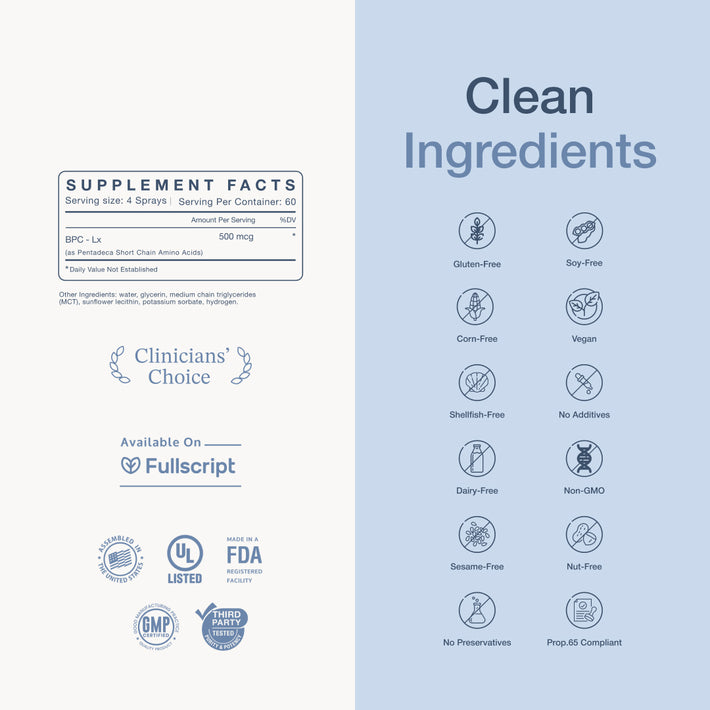
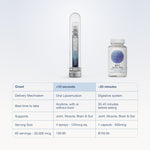
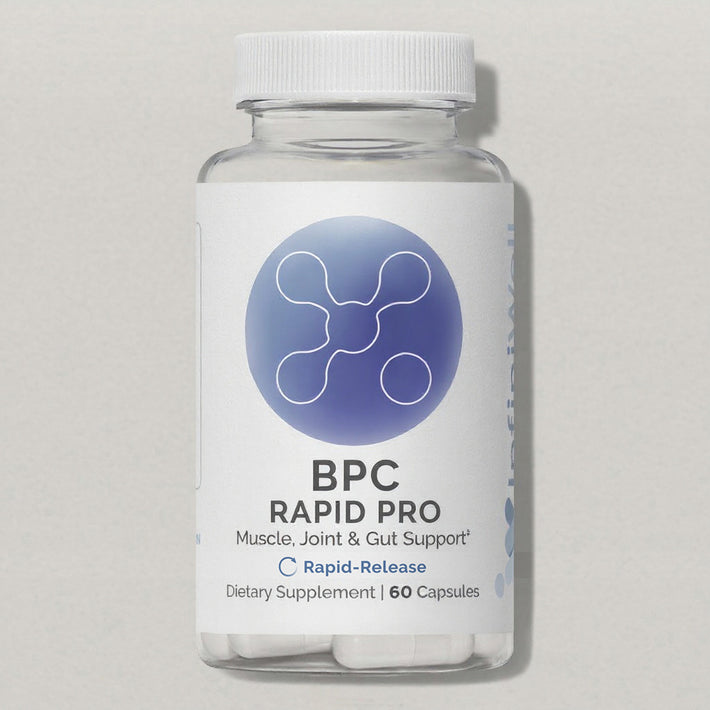
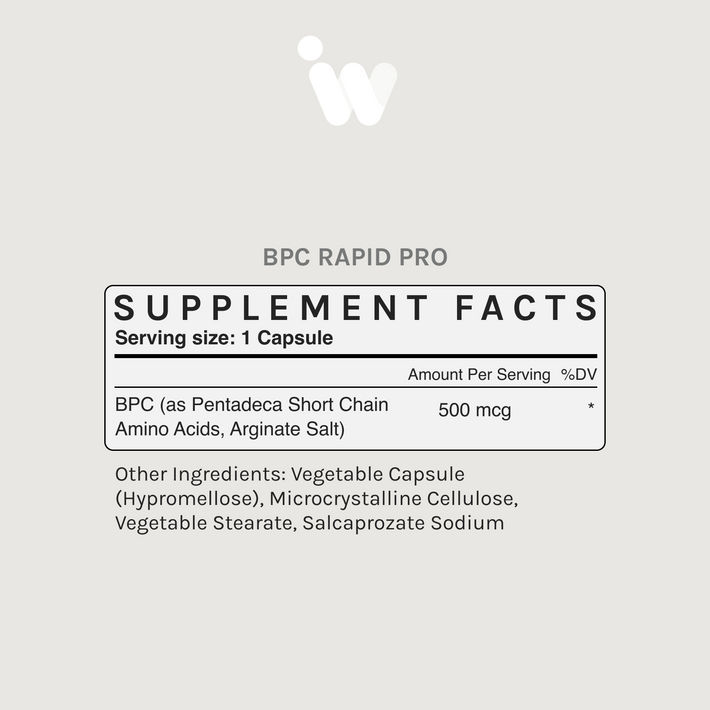
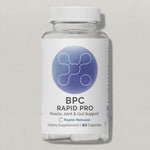
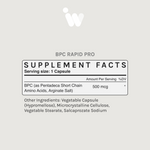
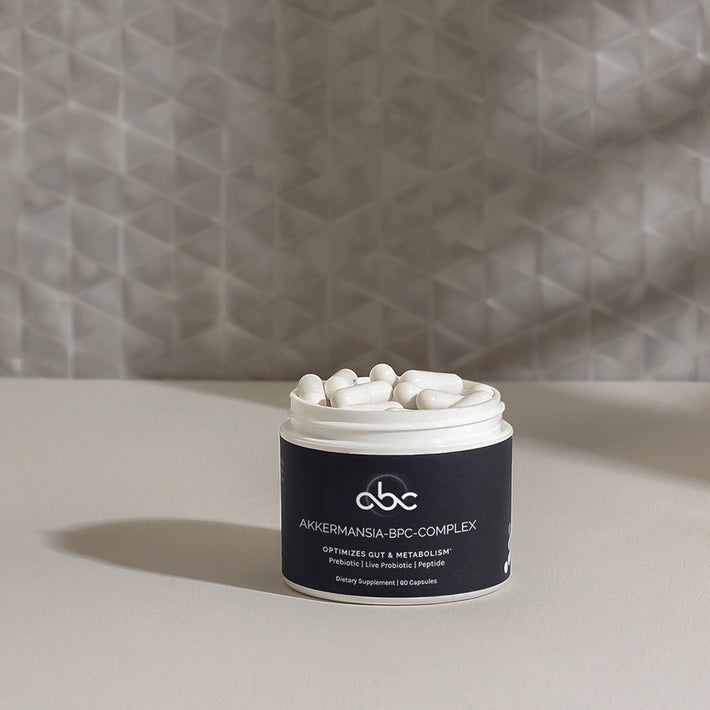
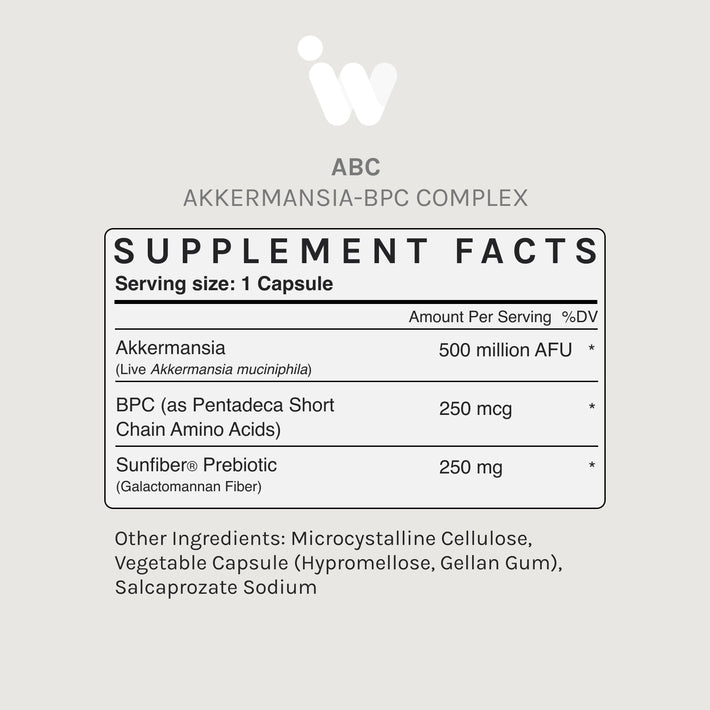
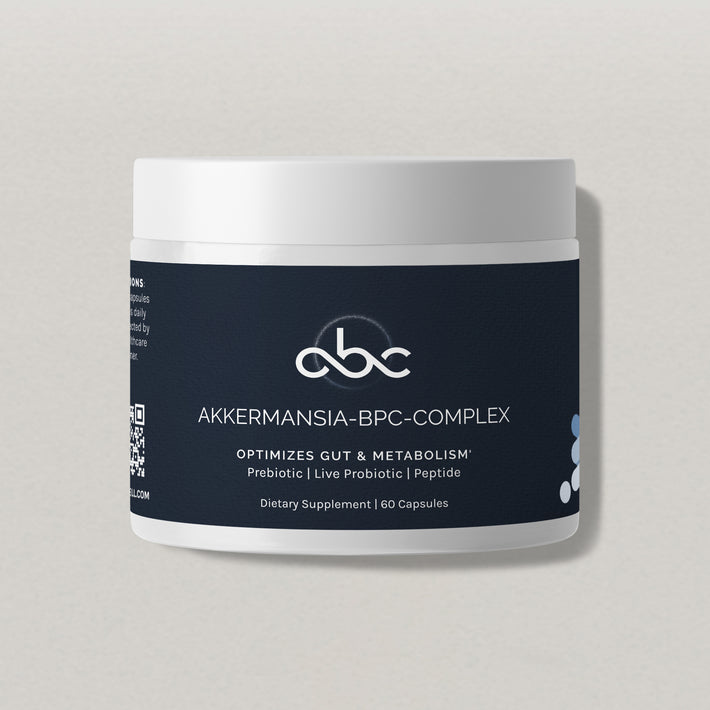
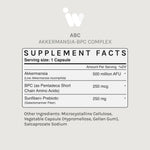
Within the broader category of bioactive peptides, you may also come across discussions around BPC peptide products. At InfiniWell, we use the term "pentadeca short-chain amino acids" to describe the specific 15–amino acid sequence used in our BPC supplements. This naming reflects composition and helps distinguish food-derived supplements from research chemicals or injectables. (See our FAQ for more on this approach.)
How to evaluate bioactive peptide supplements
Use this practical checklist when comparing options:
-
Source transparency: Are the protein sources clearly stated (milk, egg, fish, soy, or plant-based)? Are potential allergens disclosed? Does the label specify whether the product contains milk-derived peptides, soy peptides, or marine peptides?
-
Process clarity: Does the brand explain how the peptides are produced? Are the processing conditions described clearly?
-
Characterization: Are specific peptides or ranges of peptide chain lengths identified? Is there any mention of analytical methods used to verify peptide sequences or amino acid composition?
-
Intended use: Is the product positioned for general wellness rather than medical use? Look for responsible language around antioxidant activity, mineral binding, or supportive roles, without overpromising therapeutic outcomes.
-
Serving and standardization: Does the label list a clear serving size and the amount of bioactive peptides, not just total protein or free amino acids? If ACE-inhibitory activity or other in vitro findings are mentioned, are they clearly framed as laboratory observations rather than guaranteed results?
-
Additives and compatibility: Review other ingredients such as flavors, sweeteners, and fillers. Make sure the product fits your dietary needs and routine.
-
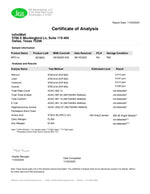
Brand integrity: Favor brands that publish testing information, provide batch-specific Certificates of Analysis (CoAs), avoid exaggerated claims, and encourage consultation with a qualified professional when appropriate.
Final takeaway: Making smart choices with bioactive peptides
Bioactive peptides are where food science meets function—tiny protein fragments with growing research interest. The smartest strategy? Start with a diet rich in high-quality protein from whole foods, then consider adding well-researched supplements that match your specific health goals.
When choosing products, prioritize brands that are transparent about where their ingredients come from, how they're processed, and whether they've been third-party tested. And keep your expectations grounded. This is an evolving field, and the science is still catching up to the marketing.
Curious to see these principles in action? Check out our BPC products to see how InfiniWell approaches sourcing, formulation, and quality testing.
What to read next:
Hero image designed by Freepik | Source
Bioactive peptides: FAQs
-
SOURCES
You May Also Like
View All Articles

The Best Way to Take NMN: With or Without Food?
Wondering about the best way to take NMN? Learn what research says about daily amounts, taking NMN with or without food, timing, and choosing a quality supplement.

What Is KPV?
What is KPV, and why is it gaining attention in peptide research? Learn how this three-amino-acid peptide works, how it compares to BPC, and what current research suggests about its role in everyday wellness.