






























































Key takeaways
-
Bioactive peptide supplements offer more targeted support, while vitamins and minerals cover basic nutrition. Many people use both, depending on their goals and comfort level with newer supplement types.
-
When shopping for oral peptide supplements, look for brands that explain how their formulas protect peptides during digestion and how they help your body absorb them. Bonus points if they reference real research on their delivery method.
-
Be mindful of how BPC products are labeled. There’s an important difference between dietary supplements, research chemicals, and drugs. Choose products with clear labeling and responsible language that avoids medical claims.
-
Results can vary. Peptide supplements depend on format, stability, and available research, while traditional supplements are generally easier to absorb but less targeted.
-
Prioritize safety. Peptide supplements are meant for healthy adults. Talk to a qualified professional if you’re pregnant, nursing, or taking medications. Athletes should also check their sport's rules or testing guidelines before using any supplement.
Five years ago, if you mentioned "peptides" outside of a biochemistry lab, you'd get blank stares. Today, they're everywhere—promoted by biohackers, endorsed by athletes, and tucked into supplement stacks alongside your standard vitamins.
The shift happened fast. What started as an underground interest in research compounds has evolved into a full-blown consumer category, with oral bioactive peptides now marketed as the next frontier in wellness.
But here's the thing: the body wasn't designed to absorb proteins and peptides the same way it absorbs vitamin C. So how did we get here, and do these products actually work?
In this guide, we trace the rise of oral peptide supplements, explain what makes the BPC peptide such a hot topic, and help you figure out if peptides deserve a spot in your regimen.
What are peptides, and how do they differ from traditional supplements?
Peptides are short chains of amino acids. Basically, small building blocks that link together like beads on a string. Think of them as fragments of protein, but smaller and more targeted. Because of their specific sequence and size, certain peptides (called bioactive peptides) may influence biological processes depending on their structure.
So, how's that different from your usual supplements?
Traditional supplements
Vitamins, minerals, omega-3s, and herbal extracts are designed to fill nutritional gaps and support your body's overall functions. They're broad-spectrum support.
The body knows how to absorb vitamin D, magnesium, or fish oil because they're already in forms the digestive system can handle.
Peptide supplements
On the other hand, peptide supplements are built around specific amino acid sequences meant to target particular processes in the body. They're more precise, which is why researchers continue to study peptides in medical and drug research.
In the wellness world, this represents a shift from "cover your bases" nutrition to "aim for specific outcomes." Sounds great in theory. The problem? Targeted doesn't automatically mean effective. Just because a peptide works in a petri dish doesn't mean it will make it through your digestive system in one piece—or get absorbed at all.
Why oral peptides are tricky
The digestive system is designed to break proteins and peptides apart. Stomach acid, digestive enzymes, and the harsh environment in the gut can destroy peptides before they ever get absorbed. That's why many therapeutic peptides used in medicine are given by injection instead of pills.
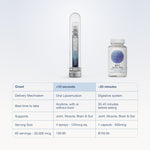
Supplement formulators are trying to work around this. Some use protective coatings or special delivery matrices. Others design amino acid sequences that are more resistant to breakdown or target absorption at specific points in the intestine.
But the results are mixed. Oral bioavailability (how much actually gets absorbed) can vary a lot depending on the formula.
Any honest conversation about peptides should start with three questions:
-
What is this peptide supposed to do?
-
How is it being delivered? Does the brand explain how their peptide survives digestion and gets absorbed?
-
Is there evidence that this format works? Look for references to research, even early-stage studies, on the specific oral format, not just the peptide itself.
What is peptide therapy?
"Peptide therapy" is a broad term that gets used in a lot of different ways.
In medical research, it usually refers to injectable therapeutic peptides or peptide-based drugs being studied in clinical trials. In the consumer wellness space, it typically means dietary supplements that contain specific peptides for general health support.
To make sense of the landscape, it helps to think of peptides in three distinct categories: the ones you eat in food, the ones you take as supplements, and the ones prescribed as medications.
Peptides in food
You're already consuming peptides every day. You just don't think of them that way.
When you eat protein-rich foods like meat, fish, eggs, dairy, or legumes, your digestive enzymes break those proteins down into smaller fragments: peptides and amino acids. Some of these fragments show bioactive properties in lab studies, while others simply get used as raw materials for your body's everyday functions.
Whole-food protein gives you a broad, natural mix rather than a concentrated amount of one specific peptide.
Peptide drugs
On the opposite end of the spectrum are peptide-based medications used under medical supervision. These include synthetic peptides, cyclic peptides, and protein-based drugs with strict quality standards and clinical oversight.
Most are given by injection because oral delivery can be challenging. Peptides may be broken down by stomach acid and digestive enzymes before they ever reach your bloodstream.
Peptide supplements: The middle ground
Dietary supplements with peptides fall somewhere in between. They're not medications, and they're not subject to the same regulatory standards as drugs. They're designed for healthy adults looking for general wellness support, not for treating or preventing disease.
When brands reference research, whether it's preclinical studies, early human data, or new delivery strategies like absorption enhancers, it's important to understand that this evidence is still emerging, not conclusive.
What is BPC, and why is it often mentioned in peptide discussions?
BPC stands for "body protection compound," and it's one of the most talked-about peptides in wellness circles. The term usually refers to BPC-157, a synthetic 15-amino-acid peptide originally derived from a protein found in gastric juice.
In research literature, you might see it called a pentadecapeptide or stable gastric pentadecapeptide.
Why the buzz?
Researchers have been exploring how BPC might interact with various biological pathways, including cell signaling, nitric oxide production, blood vessel function, and growth factors like vascular endothelial growth factor (VEGF).
The confusion around BPC
One reason BPC generates so much online chatter (and confusion) is that it exists in multiple forms across different markets. You'll find it sold as a research chemical (not for human consumption), an investigational compound (used in studies), and as an ingredient in dietary supplements marketed for general wellness.
These are not the same thing, and they're not regulated the same way.
The language also matters. Some sellers make medical claims or imply therapeutic effects, which crosses a legal line for supplements. Others position BPC responsibly, focusing on what it is structurally and how it's formulated, without promising it will treat or cure anything.
What to know if you're considering BPC
Research on BPC's safety and efficacy in humans is still developing. Preclinical studies and toxicology data are ongoing.
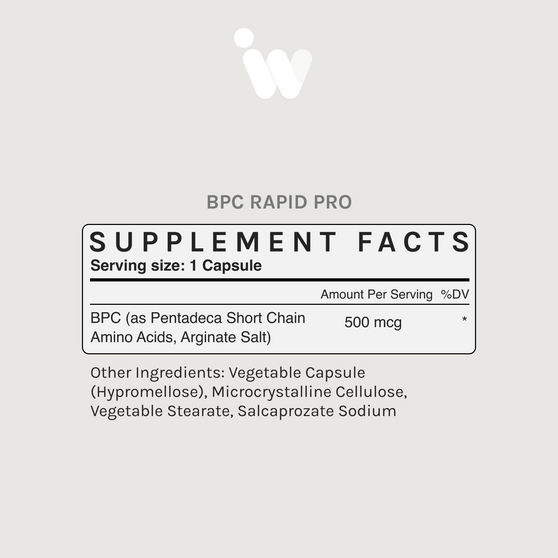
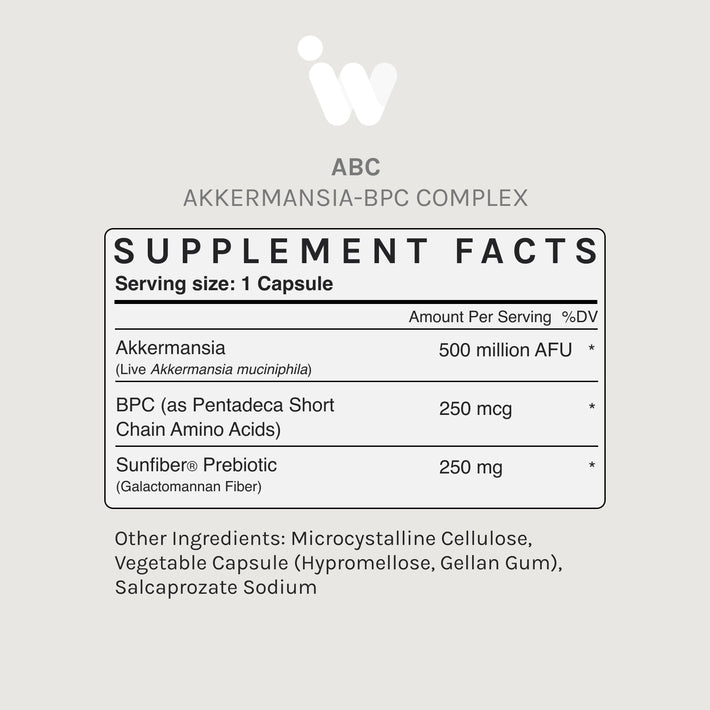
If you're looking at a BPC product, check for transparent labeling, clear ingredient lists, and responsible messaging that doesn't sound like the product is formulated to treat a medical condition.
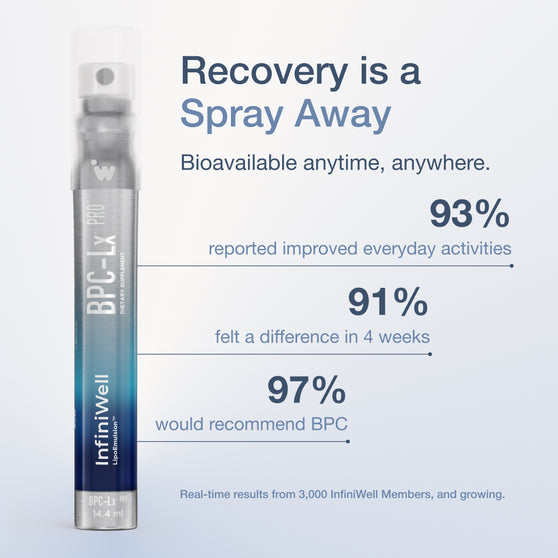
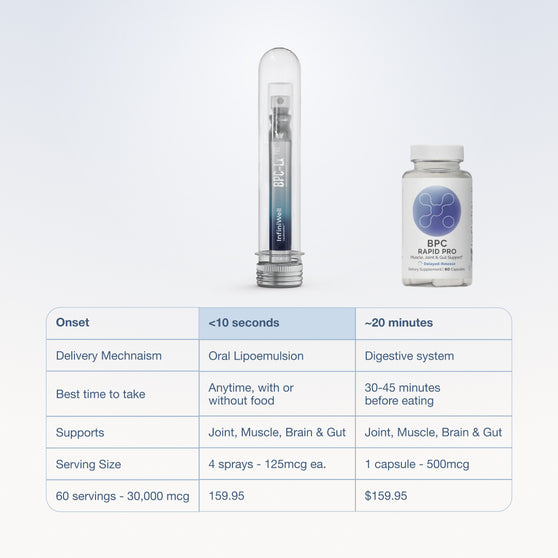
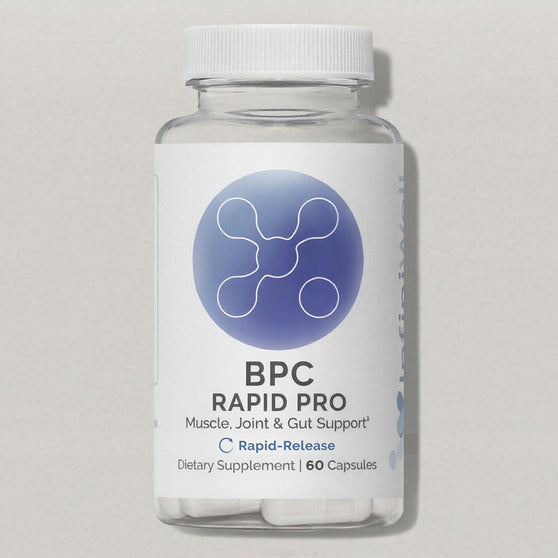
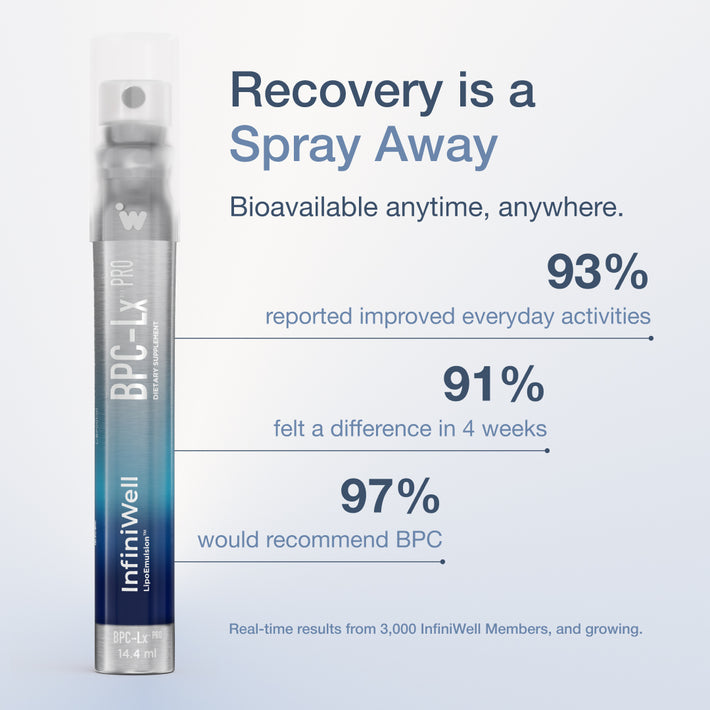
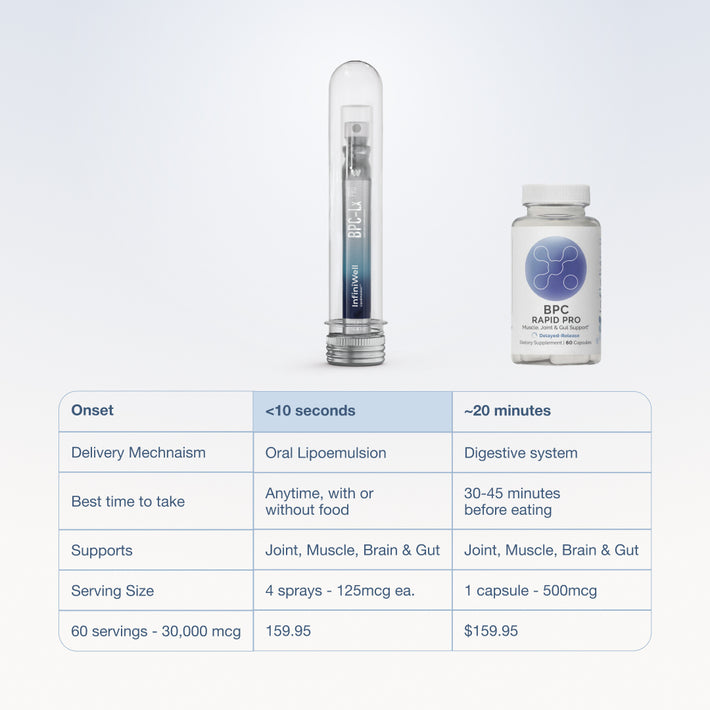
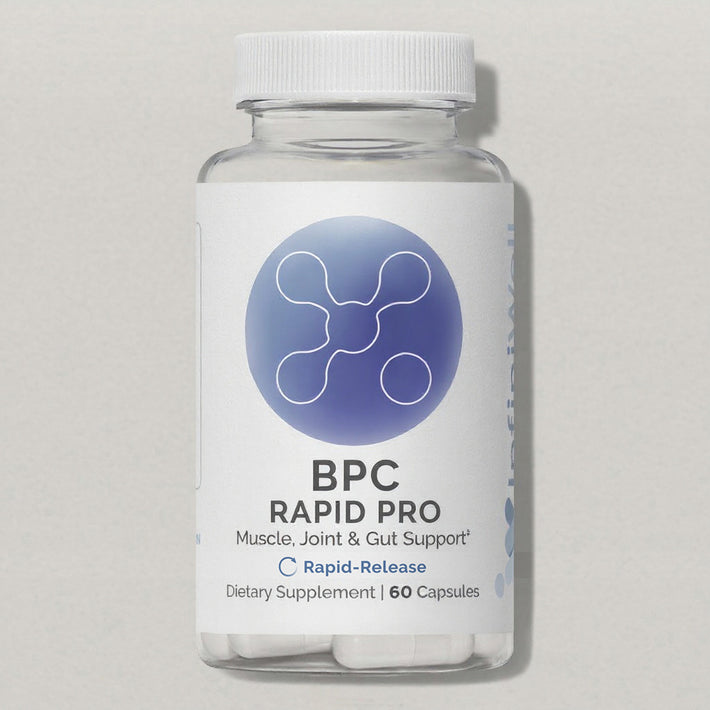
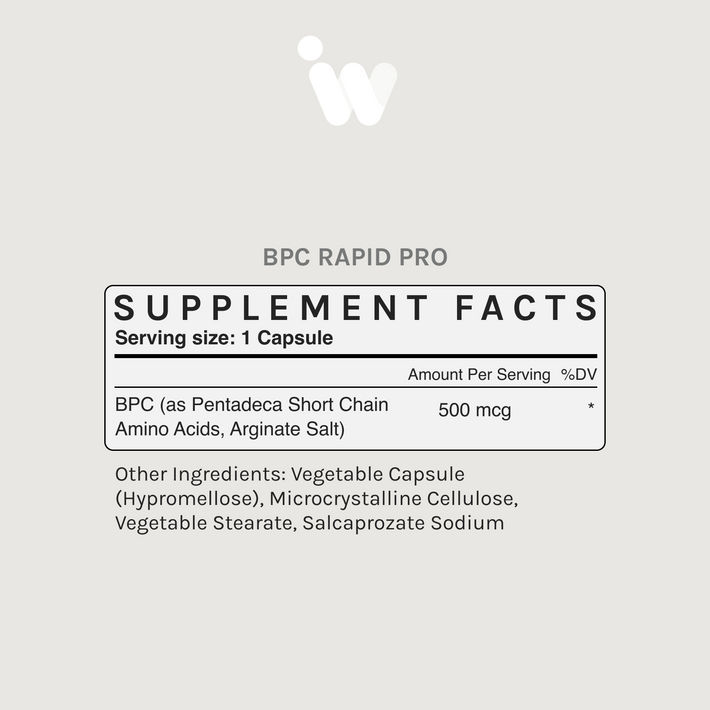
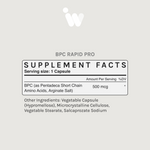
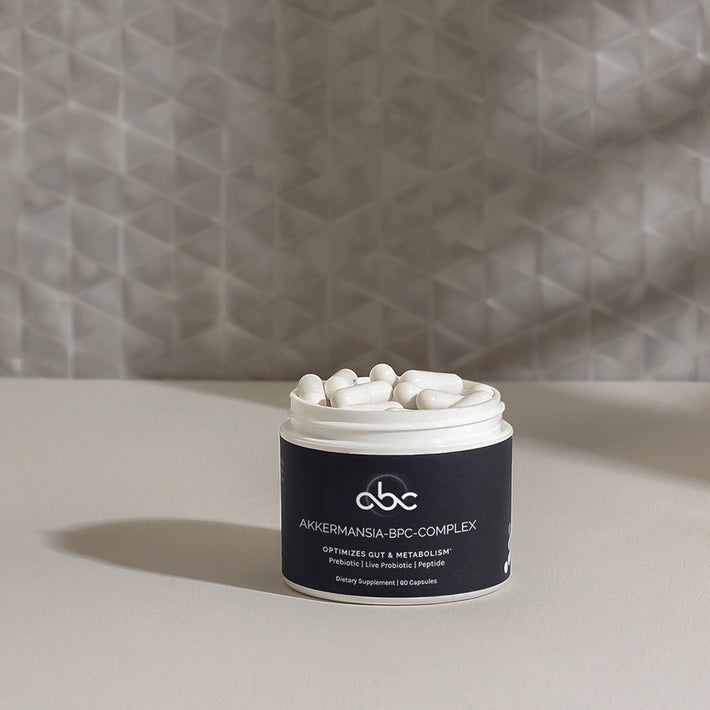
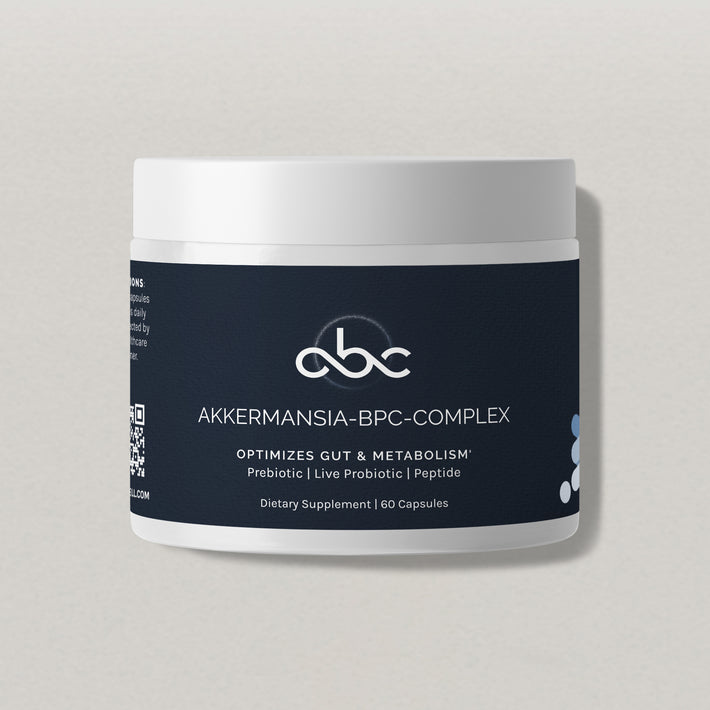
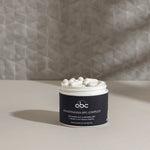
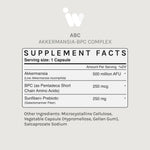
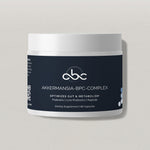
At InfiniWell, we focus on structure, delivery format, and honest positioning within the wellness supplement category, not medical claims. You can explore our oral BPC products to see how we approach formulation and labeling.
Are peptides considered supplements?
It depends on the product. Some peptides are sold as dietary supplements for general wellness. Others are marketed as research chemicals or used as regulated medications under medical supervision. The category a peptide falls into depends on how it's formulated, how it's intended to be used, and its regulatory status.
Here's how to tell the difference:
Dietary supplements
-
Marketed for general wellness in healthy adults
-
Use serving size language (like "take 2 capsules daily")
-
Avoid claims about treating, curing, or preventing diseases
-
Typically meant to be taken by mouth (oral administration) and formulated to work within your gastrointestinal tract
Medications
-
Tested in clinical trials with rigorous safety and efficacy standards
-
Used under medical supervision for specific medical purposes
Research chemicals
-
Labeled "not for human consumption"
-
Sold for laboratory or research purposes only
-
Should never be taken as a supplement
Red flags to watch for
If a product seems to blur these lines, like a "supplement" making medical claims or a research chemical being marketed for human use, that's a warning sign.
Here's what to look for instead:
-
Clear labeling that states whether it's a dietary supplement or research material
-
Honest language that doesn't promise to treat diseases or conditions
-
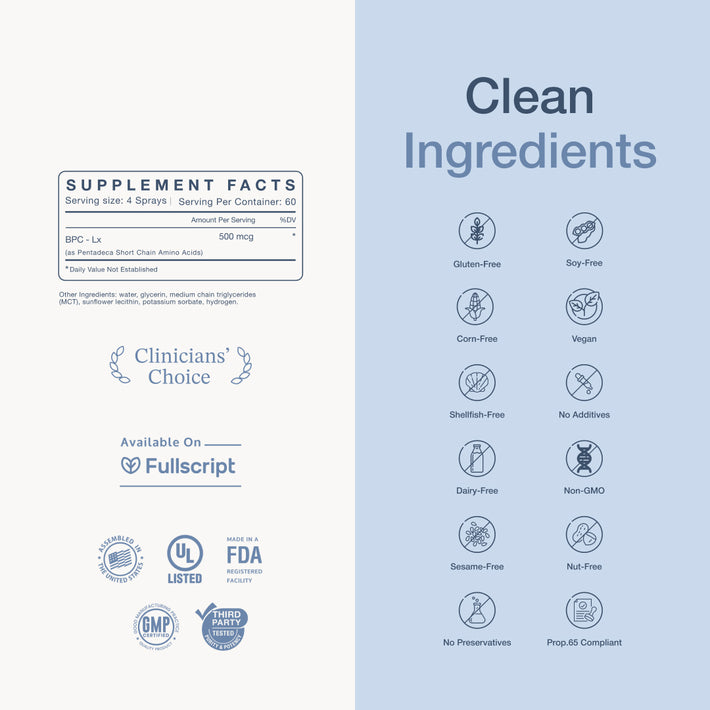
Transparent ingredients, where what's on the label matches what's actually in the product
-
Appropriate disclaimers if the product is not intended for human consumption
Potential downsides and limitations of peptides
Every category has trade-offs. With peptides, common limitations include:
-
Format sensitivity: Oral peptides can break down in the GI tract, limiting impact if formulation isn't addressed.
-
Evidence variability: Some peptides have solid research backing, while others rely on small clinical studies, or lab findings. The science is still evolving.
-
Safety risks: Any bioactive compound can have potential adverse effects or immune responses in some people. Preclinical testing helps, but it doesn't guarantee real‑world outcomes.
-
Regulatory gray areas: Peptides exist as dietary supplements, research chemicals, or prescription drugs, each with different rules and standards.
-
Lifestyle fit: If you prefer simple supplementation, adding specialized peptides may feel more involved than taking a basic multivitamin.
- For athletes: Verify any supplement against your sport's rules. The World Anti-Doping Agency maintains a prohibited list used by many organizations. When in doubt, check first.
Final takeaway: Should you take peptides?
Peptide supplements are designed for healthy adults. They're not recommended for:
-
Pregnant or nursing individuals
-
Anyone with allergies or sensitivities to ingredients in the formula
-
People taking prescription medications (talk to your doctor first)
-
Competitive athletes subject to drug testing (verify compliance with your sport's rules first)
-
Anyone under 18
When in doubt, consult a qualified healthcare professional before starting any new supplement.
How to decide
If your priority is foundational nutrition, start with whole foods and consider basic vitamins and minerals as needed. If you're exploring more targeted support, bioactive peptides can fit into a well-thought-out routine—but only if the brand is transparent.
Look for companies that:
-
Clearly list peptide sequences and ingredients
-
Explain their oral delivery strategy
-
Use realistic language about research ("emerging evidence," not guarantees)
-
Distinguish between dietary supplements, prescription peptide drugs, and research chemicals
Ultimately, choose products that align with your goals, your comfort with newer categories, and professional guidance when needed.
To see how InfiniWell formulates and labels oral BPC supplements, you can explore our BPC products here.
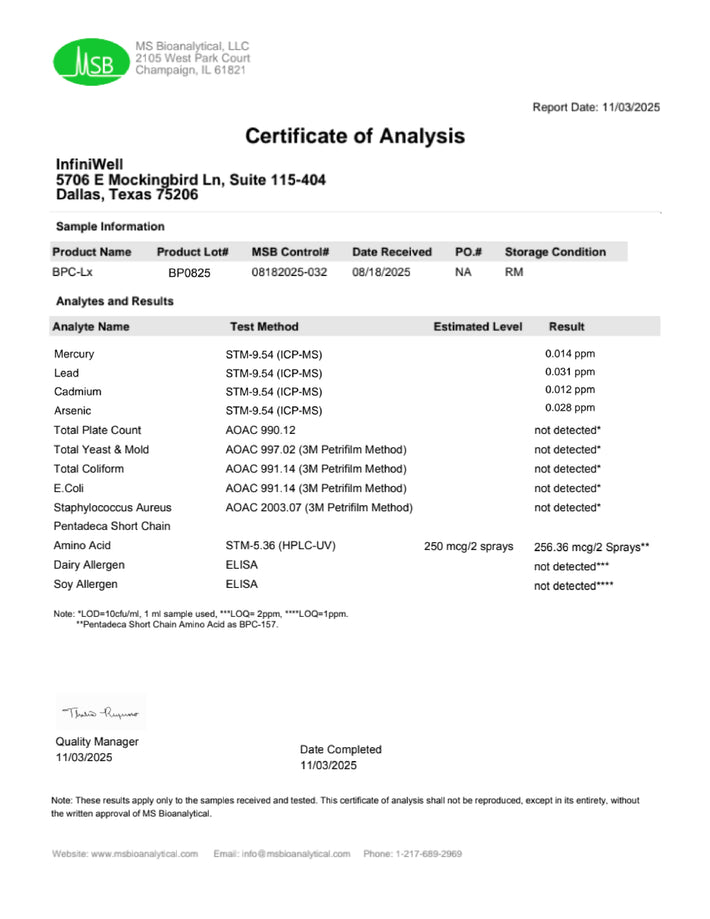
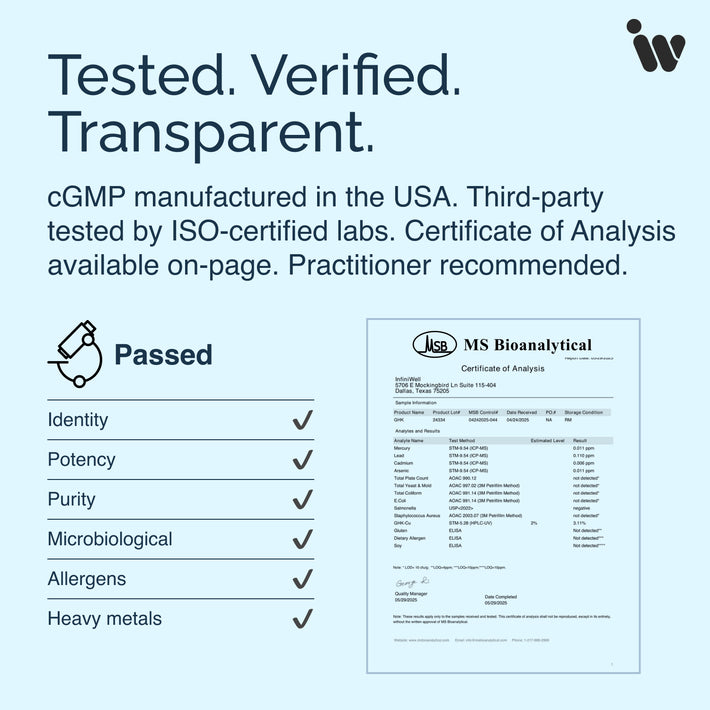
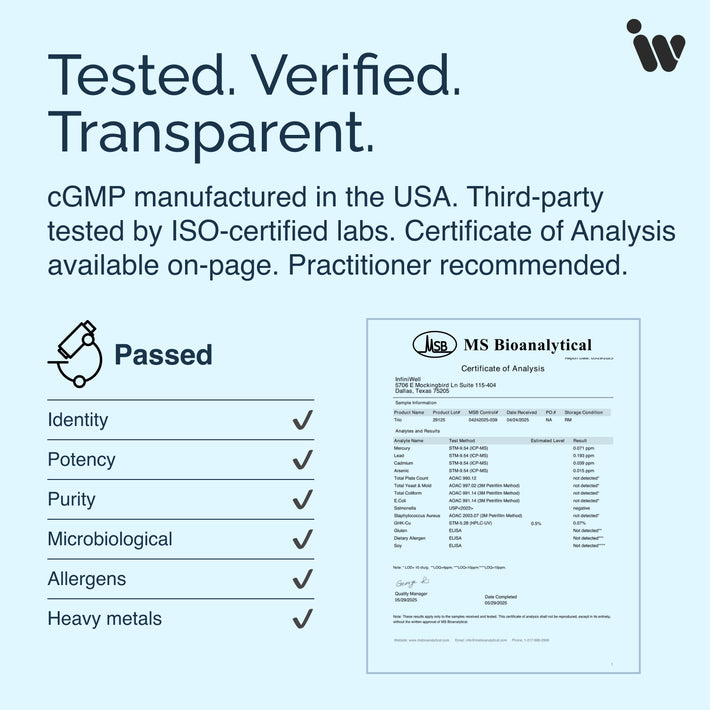
Certificates of Analysis are also available upon request for those who want to review third-party testing documentation.
What to read next:
-
The Ultimate Peptide Guide: Understanding Peptides for Beginners
-
Best Peptides for Weight Loss? Maybe. Sustainable Results? That’s the Bigger Question.
Bioactive peptides: FAQs
-
SOURCES
Products mentioned in this article


You May Also Like
View All Articles

BPC + KPV: Why the Two Are Combined
Why are BPC and KPV often combined? Learn how these two peptides differ, where their areas of research overlap, and why they’re paired in oral wellness formulas.

Can Peptides Help Joint Comfort? A Comprehensive Guide
Peptides for joint health are getting more attention as research grows. Learn how collagen peptides, BPC-157, and key nutrients may support comfort and mobility.