





















































Key takeaways
-
The FDA's Pharmacy Compounding Advisory Committee voted in July 2026 to recommend adding six of seven reviewed peptides—BPC-157, KPV, TB-500, MOTS-c, semax, and epitalon—to the 503A list of substances that compounding pharmacies may use. The seventh, emideltide (also called DSIP), was not recommended.
-
While the vote is non-binding, the FDA has historically followed its advisory committees' recommendations in most cases. That said, any policy change would still need to move through a formal rulemaking process, which typically takes 12-24 months or longer.
-
FDA scientists had recommended against the peptides, pointing to limited human data and open questions about purity and safety. The advisory panel voted the other way.
-
For now, how these peptides are sold has not changed, which is why sourcing and product transparency are the main things to watch.
In late July 2026, a two-day meeting at the Food and Drug Administration put peptides on the front page. An FDA advisory committee spent two days reviewing seven of the most talked-about peptides, and by the end, it voted to recommend adding six of them to a special list used by compounding pharmacies.
The headlines moved fast, and many of them blurred one line worth keeping straight: a committee vote like this is not the same thing as FDA approval. It was still a closely watched decision, though. The FDA had restricted several of these peptides from compounding back in 2023, so a recommendation to allow them marks a shift in direction.
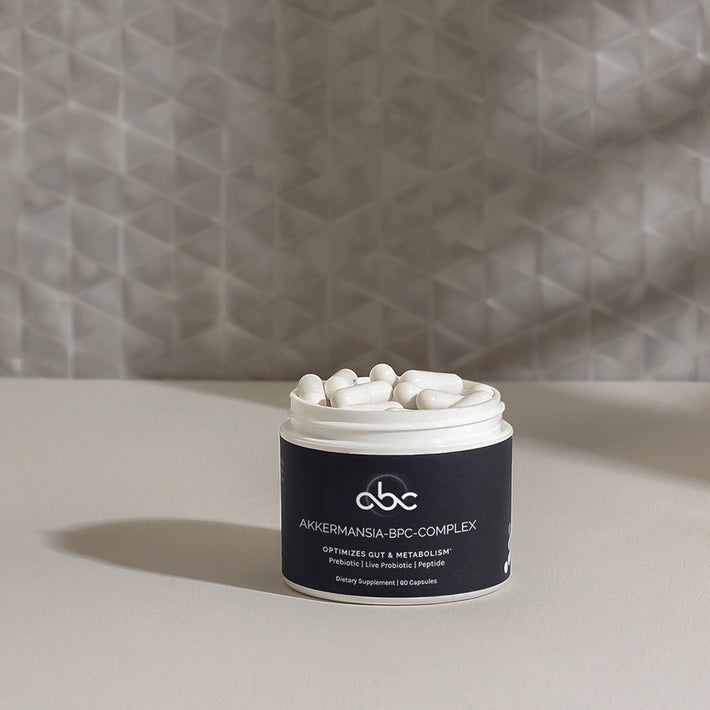
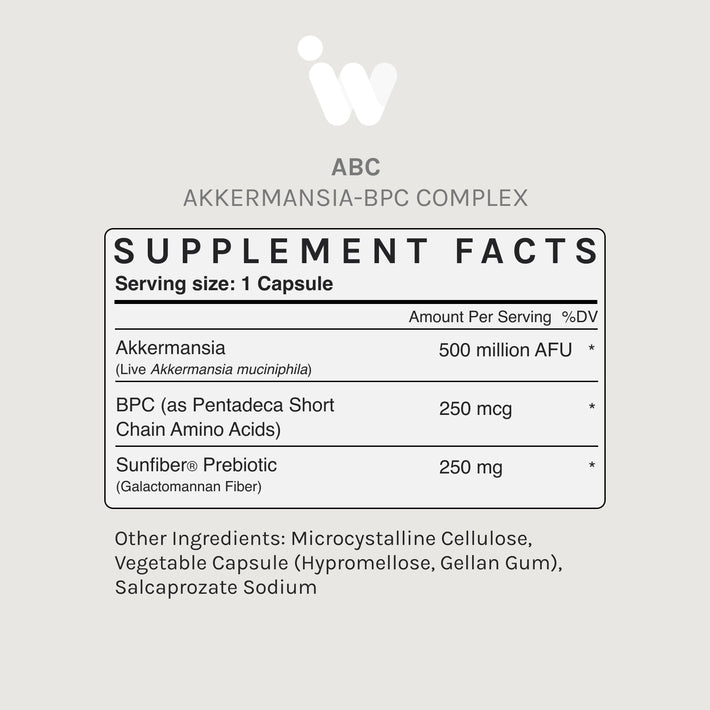
Peptides are short chains of amino acids that act as signaling molecules in the body. If you follow this space, or you take a BPC supplement, it helps to know what the committee decided, what changed, and what didn't.
Here's the plain-English version.
What the FDA advisory committee voted on
The group that met is the Pharmacy Compounding Advisory Committee, an FDA advisory committee that reviews which bulk substances compounding pharmacies are allowed to use. Compounding pharmacies prepare customized medications for individual patients when prescribed by a healthcare provider.
During the two-day meeting, the committee reviewed seven peptide substances: BPC-157, KPV, TB-500, MOTS-c, semax, epitalon, and emideltide (DSIP). The committee weighed each peptide’s evidence and voted to back the first six across the two days, declining only emideltide.
The FDA’s own scientists had recommended against adding the peptides, noting that much of the supporting evidence comes from animal studies rather than large clinical trials and that human trials are limited. The panel’s recommendation went against that staff guidance, which is part of why the meeting drew so much coverage.
FDA approval vs. the compounding list: What's the difference?
FDA drug approval and the 503A compounding list are two separate things. An FDA-approved drug has gone through clinical trials and formal FDA review before it can be marketed. The 503A list, by contrast, is about which bulk substances a licensed pharmacy may use to prepare compounded medications for individual patients under a valid prescription. Adding a substance to that list does not turn it into an FDA-approved drug.
Here's the difference at a glance:
|
|
FDA drug approval |
503A compounding list |
|
What it is |
A drug is tested in clinical trials and reviewed by the FDA before it can be sold |
A substance may be used by compounding pharmacies to prepare customized medications |
|
Who it is for |
The general public, as a marketed drug |
Individual patients, under a healthcare provider's prescription |
|
The reviewed peptides |
Have not gone through FDA drug approval |
Recommended for the list by the committee; not yet finalized |
So, are peptides FDA-approved?
Some are. Insulin, for example, is a peptide that has been an FDA-approved medicine for decades.
The peptides at the center of this news are a newer group. They have not gone through the FDA’s drug approval process, and the July vote did not change that.
If you've searched “bpc 157 fda” or “bpc-157 fda approved” recently and come away confused, here's the short version:
The July vote was a compounding recommendation, not a drug approval. What changed is that an FDA advisory committee recommended a possible path for compounding pharmacies, and any such pathway would still depend on the FDA completing the rulemaking process.
Where RFK Jr. fits in
You may have seen the term “RFK peptides” alongside this story. “RFK peptides” is an informal name for a group of peptides publicly promoted by Robert F. Kennedy Jr.
As Secretary of Health and Human Services, he has publicly supported loosening restrictions on peptides, and that position has been part of the coverage around the committee and its vote.
What the vote means for you
If you take peptides or you're thinking about it, it's worth keeping the vote in perspective. Nothing about how these products are sold changed on the day of the vote, and any rule change is a long process away. So the useful questions are not about approval headlines. They're about the product in front of you.
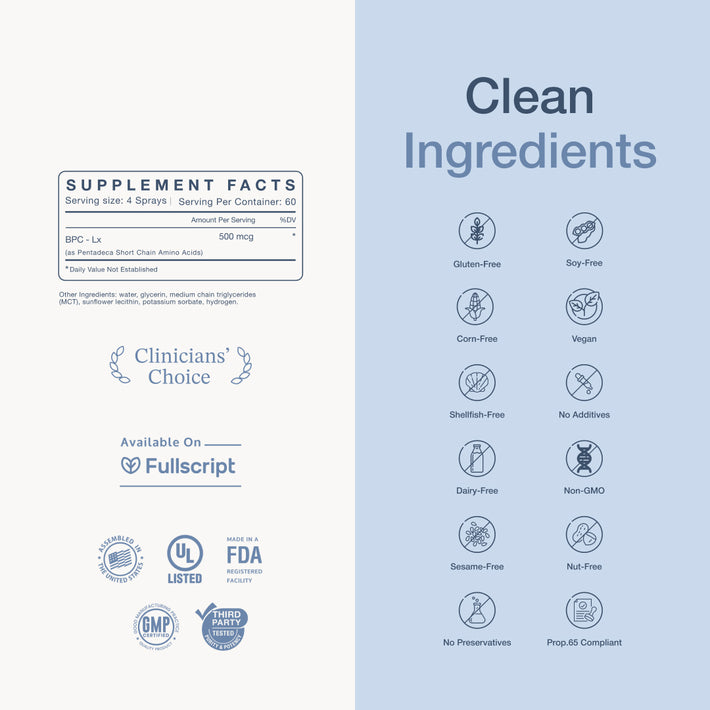
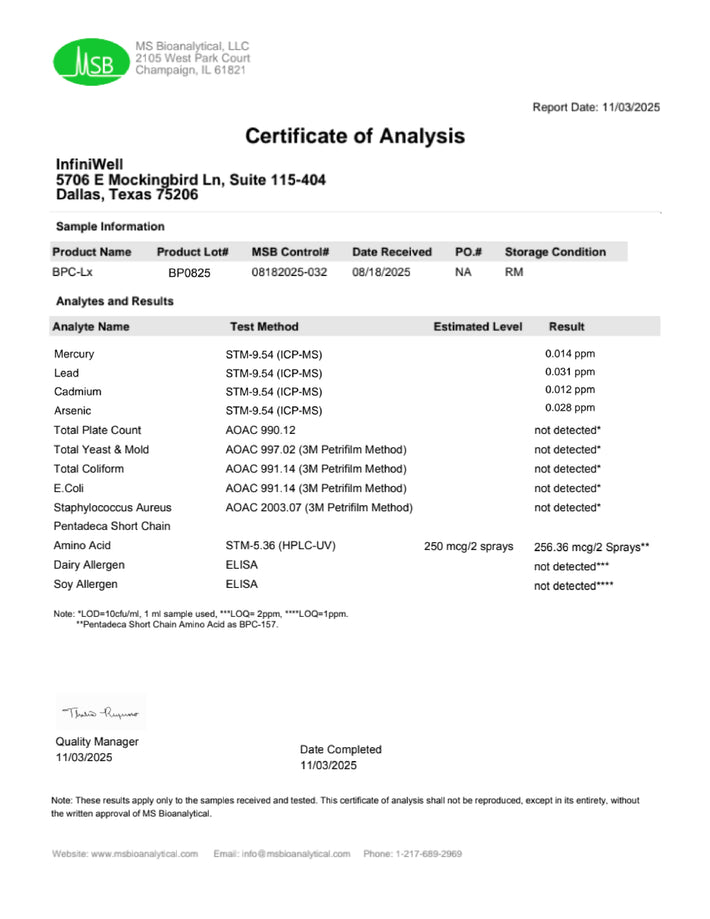
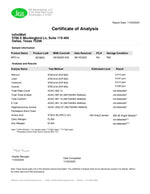
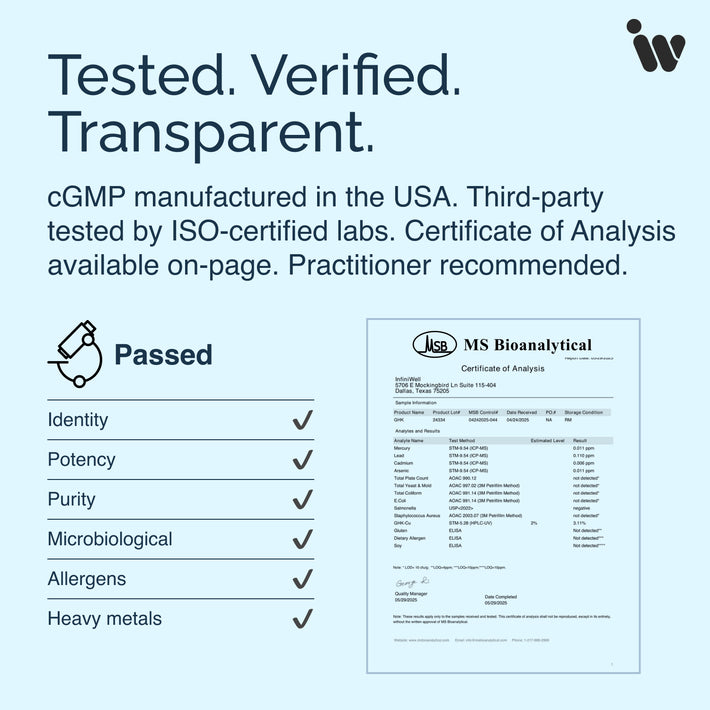
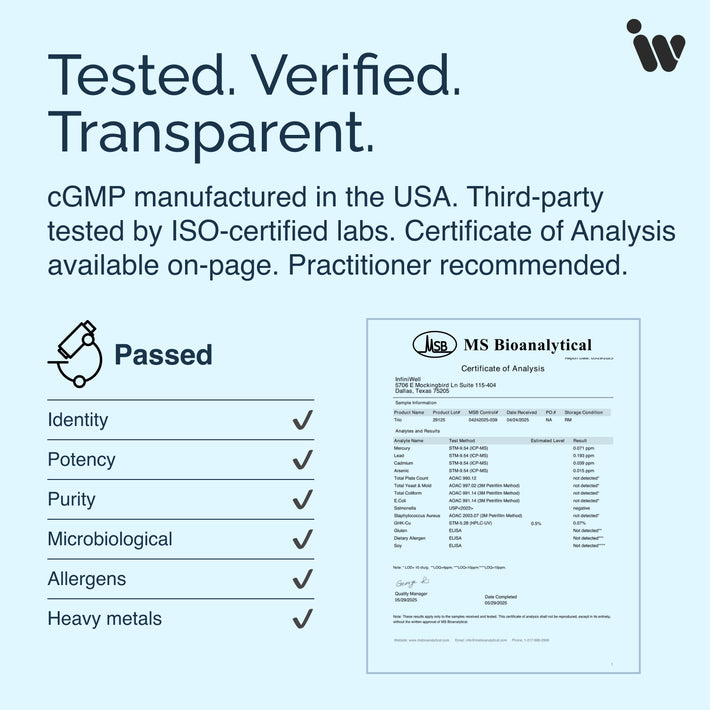
Because product quality has varied across the marketplace, quality and transparency are what separate one product from the next. Look for:
-
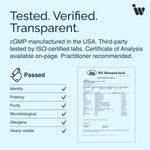
Third-party testing
-
Clear labeling
-
A company you can reach with questions
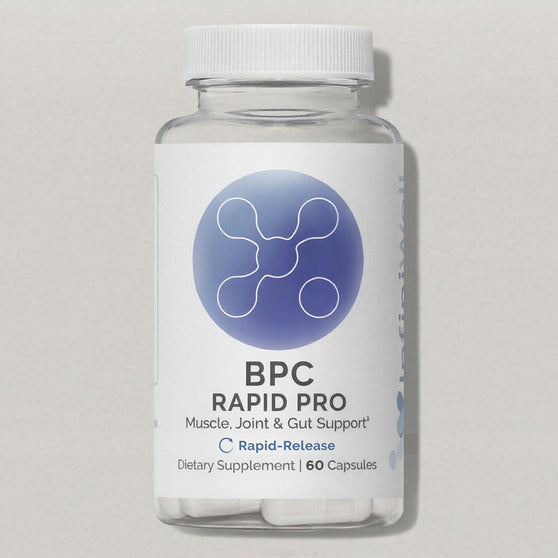
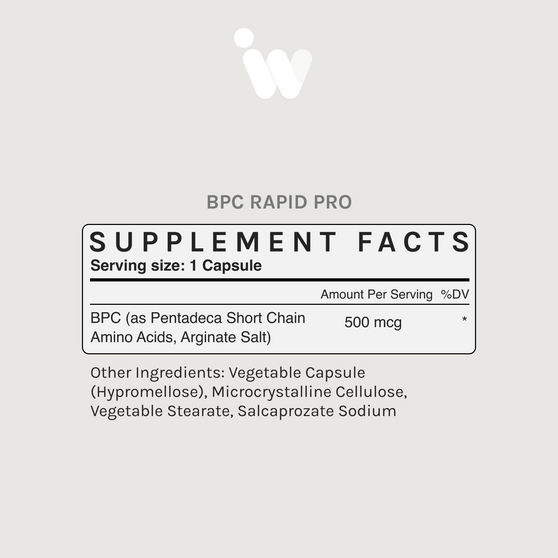
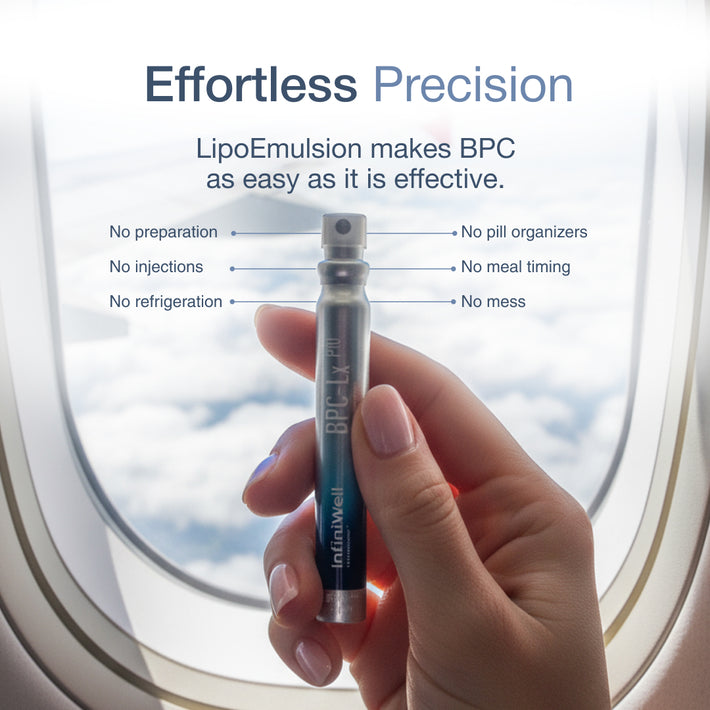
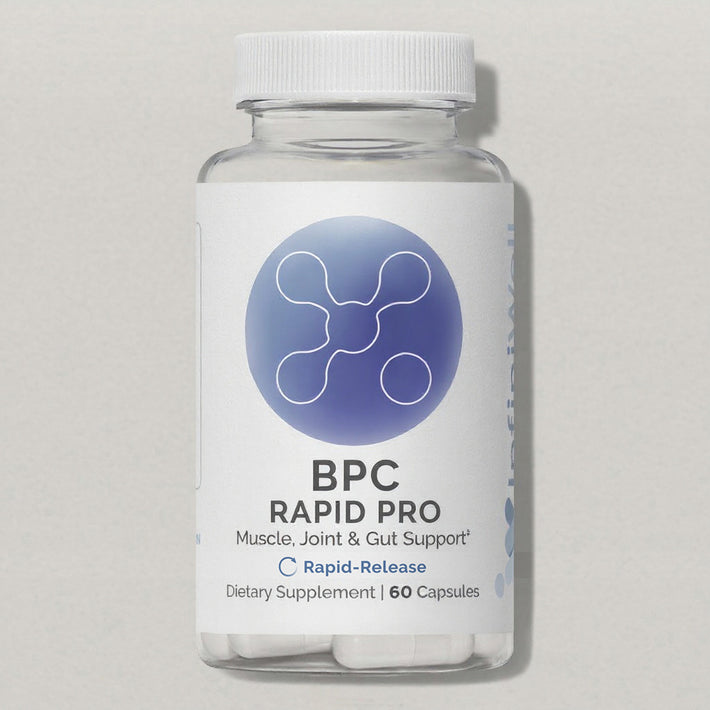
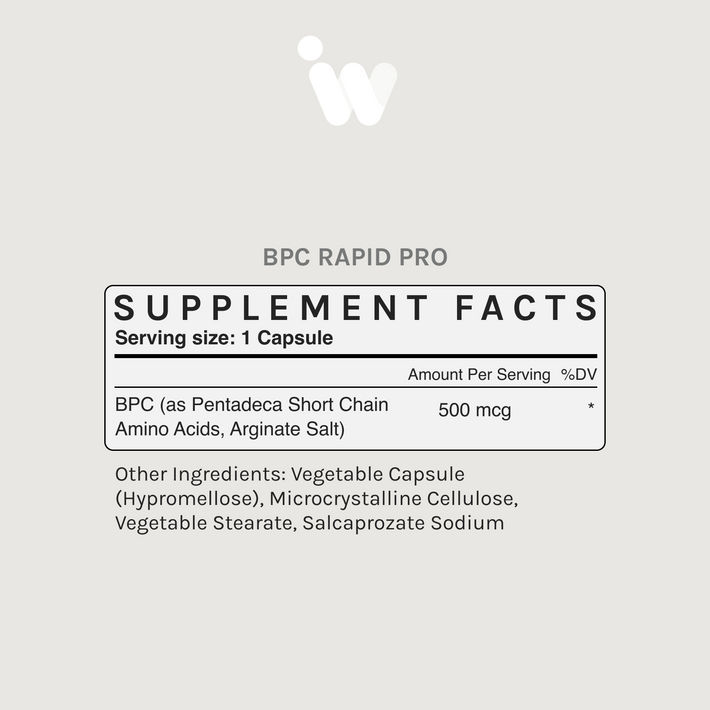
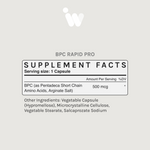
Our guide on how to choose a quality BPC peptide walks through what to check, and you can see how we approach transparency with products like BPC Rapid Pro.
While the FDA's final decision is still ahead, the committee's recommendation is an important step in an ongoing regulatory discussion. As the process continues, product quality, transparency, and informed decision-making remain the best guide for consumers.
July 2026 FDA peptide vote: FAQs
-
SOURCES
Products mentioned in this article


You May Also Like
View All Articles

How to Tell If a Peptide Company Is Legit: What to Check
Not every peptide company provides the same level of transparency. Learn how to verify testing documents, review product labels, and spot warning signs before buying from a new source.
How to Tell If a Peptide Company Is Legit: What to Check
Not every peptide company provides the same level of transparency. Learn how to verify testing documents, review product labels, and spot warning signs before buying from a new source.