


























































Key takeaways
-
Check that the company provides verifiable business details, clear contact information, and responsive customer support.
-
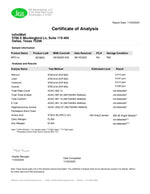
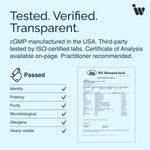
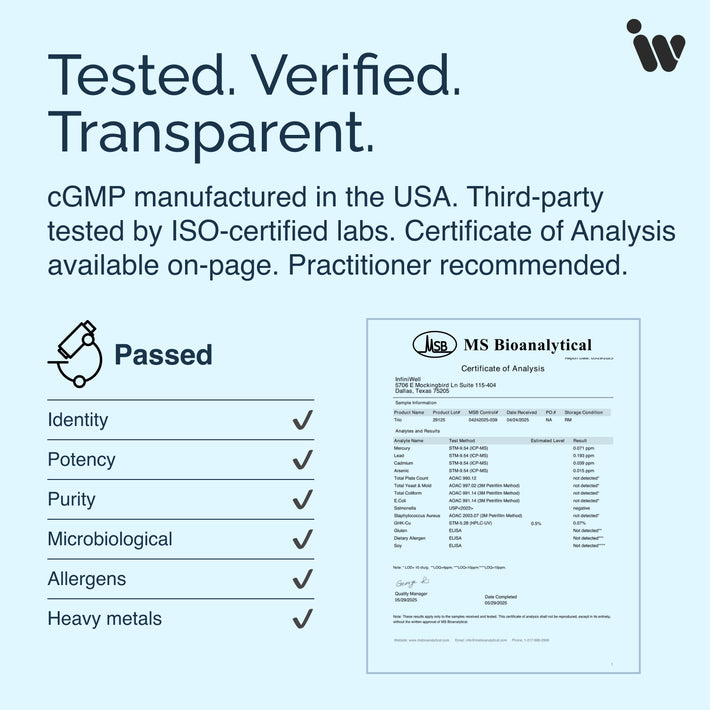
Look for a batch-specific Certificate of Analysis (CoA) that identifies the testing lab and matches the lot number on the product.
-
A purity percentage alone is not enough. The report should also confirm identity and include other testing relevant to the product.
-
Unverifiable lab reports, unclear labeling, unusually low prices, and payment methods with limited buyer protection warrant closer scrutiny.
-
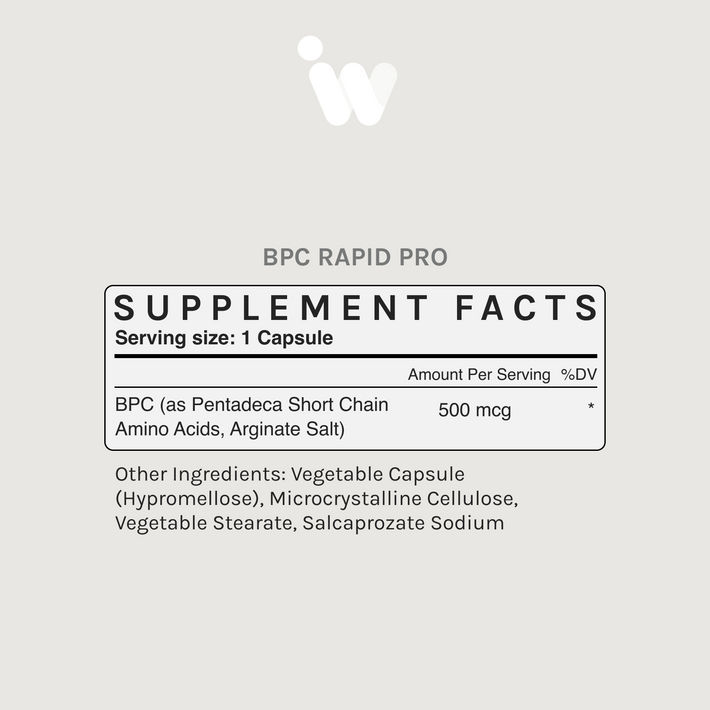
Confirm the product type and intended use. Companies offering dietary supplements should provide clear labels, complete ingredient information, and suggested-use directions.
-
Check the company's customer reviews alongside feedback on independent platforms. Consistent patterns and the company's responses to concerns can provide a fuller picture.
Learning how to tell if a peptide company is legit requires looking beyond the claims on its product pages.
In a July 2026 CBS News investigation, reporters examined a peptide vendor that claimed its products had undergone third-party testing. One certificate on the vendor's website appeared to identify a different compound from the one advertised. The laboratory named on the certificate then confirmed that it had not issued the report and did not have the vendor as a client.
The case showed why buyers should verify testing documents directly with the named laboratory instead of relying only on reports published by a seller.
Companies also differ in how clearly they disclose their testing, ingredients, manufacturing standards, and business information. This guide explains which documents and details to check, along with warning signs that may warrant closer scrutiny.
What to check about a peptide company
Start by confirming that the company is identifiable and easy to contact. Check for:
-
A registered business name that can be verified through the appropriate state or corporate registry
-
A physical or mailing address that is consistent across the company's website and business records
-
Clear contact details and a support team that responds to questions about orders, products, and batch numbers
-
Consistent company and product information across its website, labels, and testing documents
These checks do not establish product quality on their own. Consider them alongside CoAs, manufacturing standards, ingredient disclosures, labeling, and customer reviews. A company that provides clear, consistent information gives buyers more evidence to evaluate.
Why verification has become more important
A June 2026 Chainalysis analysis found that cryptocurrency payments to identified gray-market peptide vendors had reached $32 million in the first quarter of 2026, up from approximately $1 million per quarter during much of 2024. Based on the activity available when the report was published, Chainalysis estimated an annual run rate of more than $100 million.
Although these figures capture only the cryptocurrency activity tracked in the analysis, they point to rapid growth among gray-market peptide vendors using cryptocurrency.
The analysis also estimated that average spending on independent purity testing had fallen by 88% per buyer, even as total payments to one testing laboratory grew. The data do not reveal how many products went untested, but the decline in per-buyer spending suggests greater reliance on certificates supplied by vendors.
Buyers should therefore verify testing documents independently and review them alongside labeling, manufacturing standards, and business information.
How to read a Certificate of Analysis
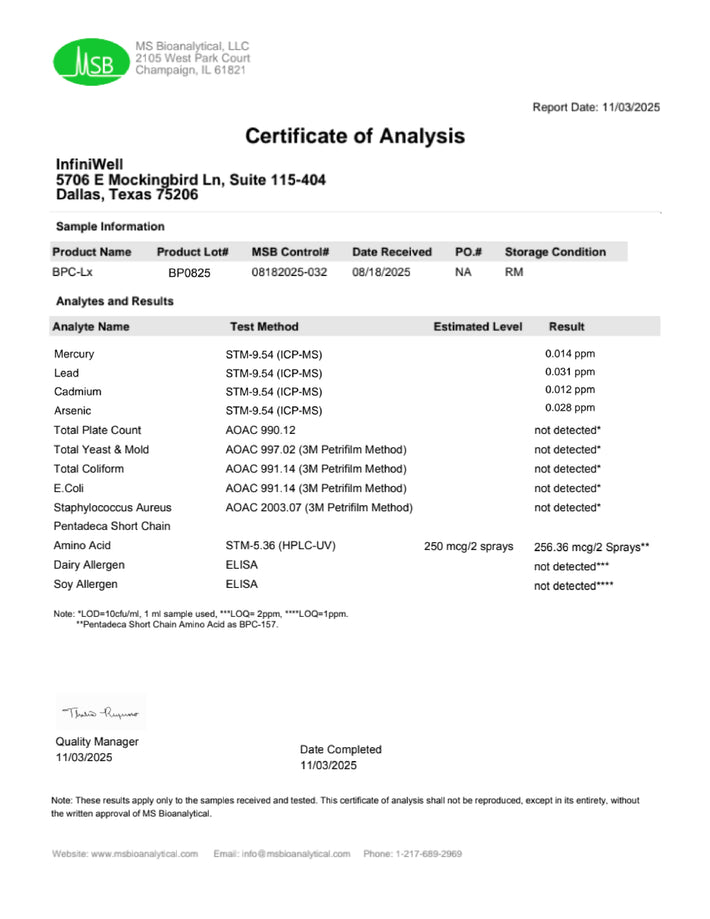
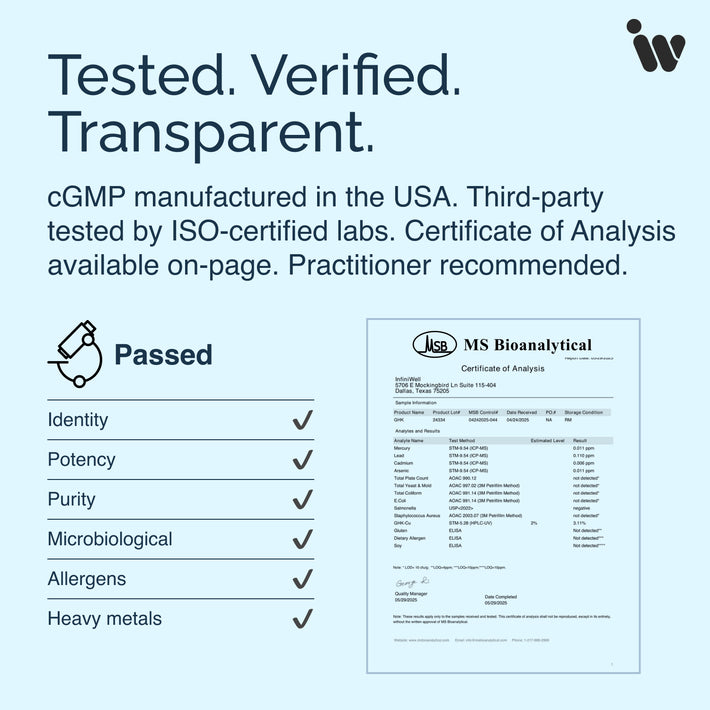
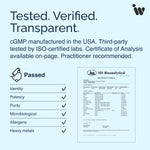
A Certificate of Analysis, or CoA, is one of the most useful documents for evaluating a product's identity, purity, label accuracy, and other tested specifications. Its value, however, depends on whether the report is authentic, applies to the correct batch, and includes testing appropriate for the product.
Our guide to reading a CoA explains the document in more detail, but these are the main elements to check:
-
Batch or lot number: The number on the CoA should match the one printed on the product label.
-
Testing laboratory: Search for the laboratory independently and verify its contact details through its official website. You can also contact the lab to confirm that it issued the report.
-
Identity testing: The report should confirm that the tested ingredient is the substance named on the label. Mass spectrometry is commonly used for this purpose because it measures a compound's molecular mass and compares the result with the expected profile of the ingredient.
-
Purity testing: High-performance liquid chromatography (HPLC) separates the detectable components in a sample and estimates their relative amounts.
-
Label accuracy: If the laboratory measured the amount of the ingredient, compare the result with the amount stated on the product label.
-
Additional testing: Depending on the product, relevant tests may cover heavy metals, microorganisms, allergens, or other specifications.
-
Report details: Check the testing date, sample description, laboratory contact information, and any report or verification number.
A 2026 analysis of more than 6,000 gray-market research peptide samples found a median purity of 99.8%, but many samples failed broader checks that included identity and labeled amount. The study had not undergone peer review, and its samples were not randomly selected, so the results may not represent the entire market. Still, the findings show why purity should not be evaluated on its own.
Red flags when evaluating a peptide company
No single warning sign proves that a company is illegitimate. Several appearing together, however, should prompt closer scrutiny. Watch for:
-
No clear explanation of the product category or intended use
-
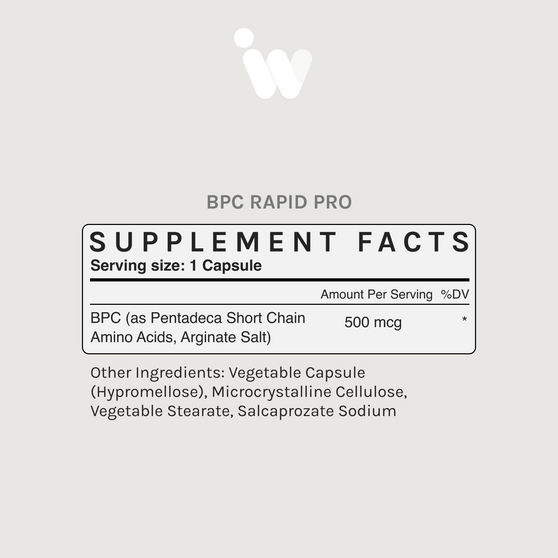
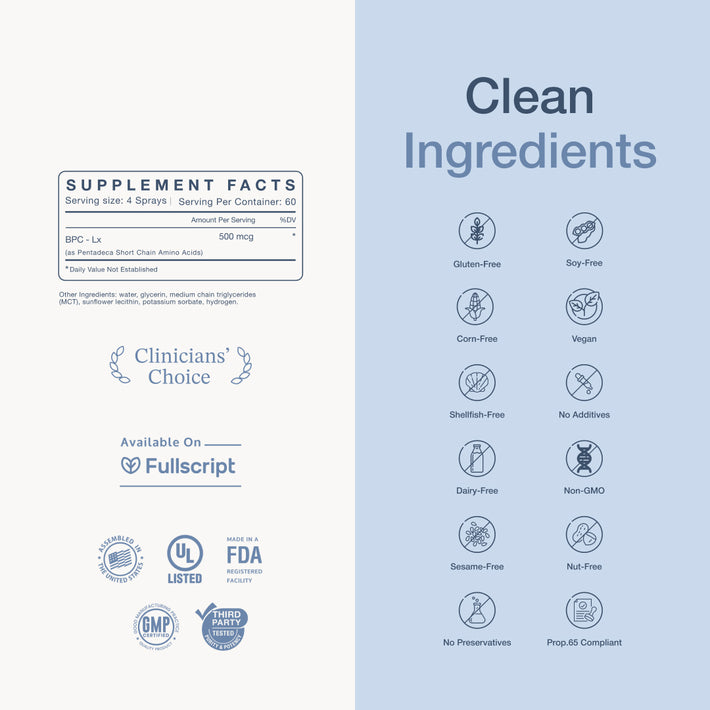
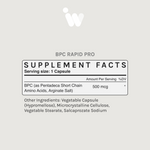
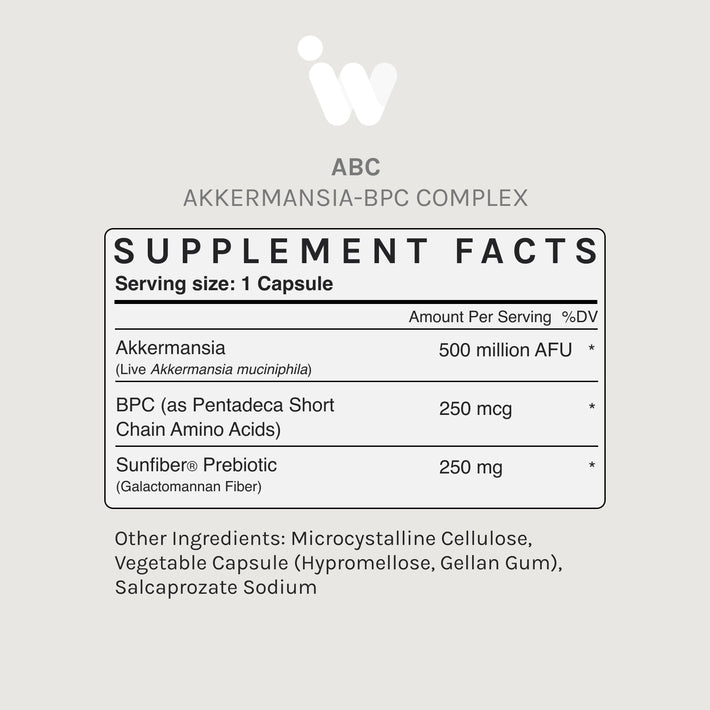
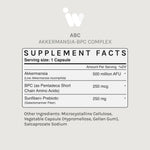
Missing Supplement Facts, incomplete ingredient amounts, or product information that changes across pages
-
A generic, undated, or incomplete CoA that cannot be matched to the product's batch or lot number
-
A testing laboratory that cannot be verified independently or contacted through its own official website
-
Marketing claims that go beyond general wellness support or imply that a dietary supplement has received regulatory approval
-
Business information, contact details, or customer service channels that are missing or inconsistent
-
Payment methods that offer limited options for disputes or refunds, especially when other business information is also difficult to verify
-
Prices far below comparable products without a clear explanation of the company's testing and manufacturing standards
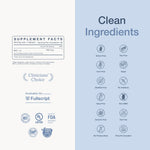
For an example of clear product disclosure, our ingredient transparency page lists the ingredients and source details for our formulas.
Final thoughts: What to do before you buy from a new source
Before placing your first order:
-
Search the company name with terms such as “reviews” and “complaints.” Compare feedback from the company's website with reviews on independent platforms.
-
Verify the company's business name, contact details, and return or refund policies.
-
Check that the lot number on the product matches the batch-specific CoA.
-
Find the testing laboratory through its official website and contact it if you want to confirm that it issued the report.
-
Compare the product label, Supplement Facts, and online description for consistency.
-
Ask customer support a specific question about the product or its testing. Consider both the response time and the clarity of the answer.
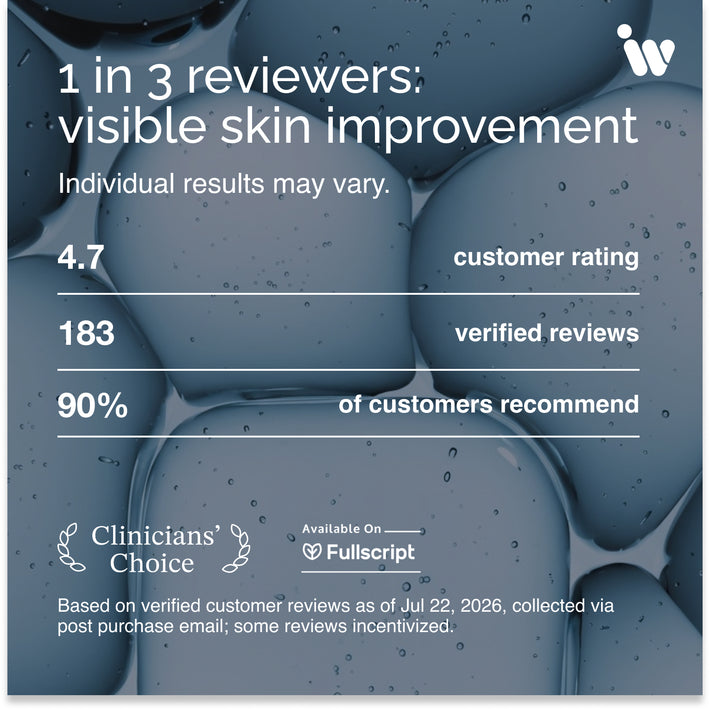
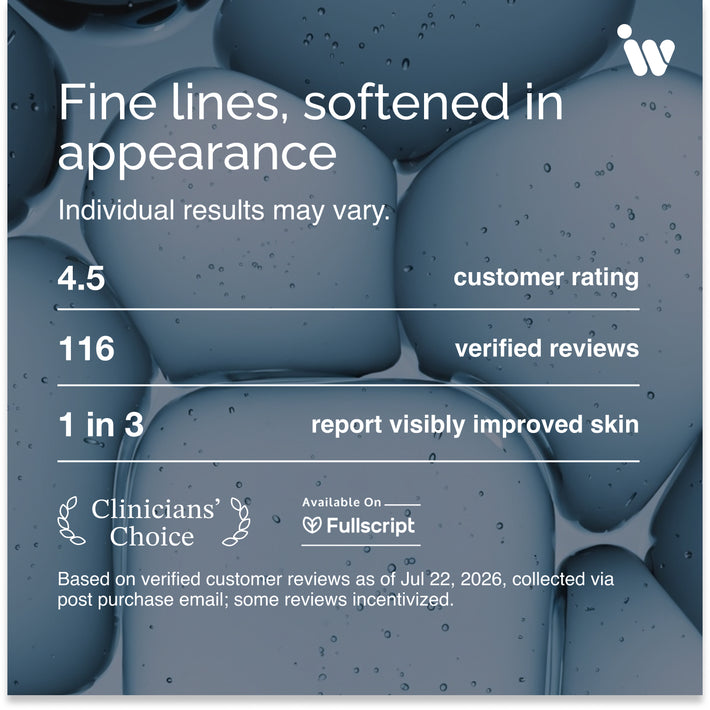
Customer feedback can provide additional context. InfiniWell publishes customer reviews, while our review roundup examines feedback posted on Trustpilot. Recurring comments about shipping, support, and product experience can help you form a broader view of the company.
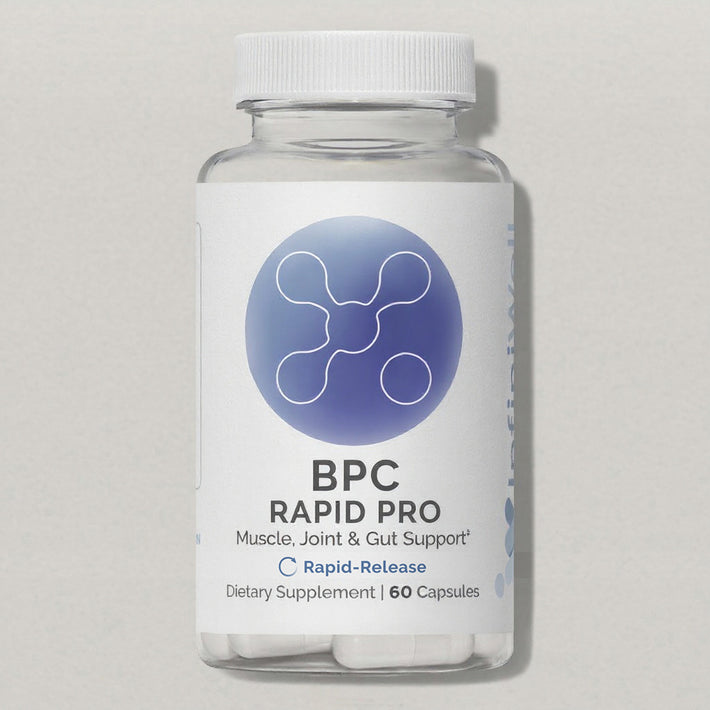
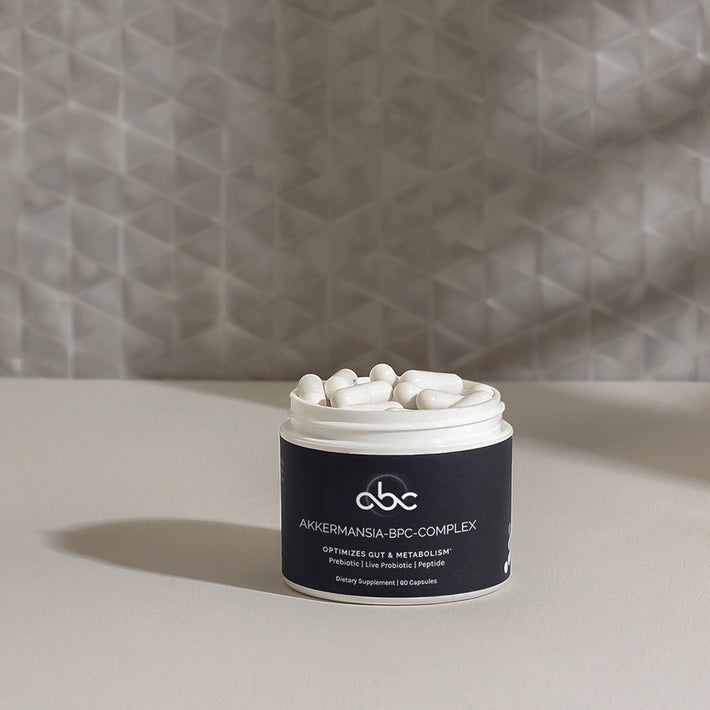
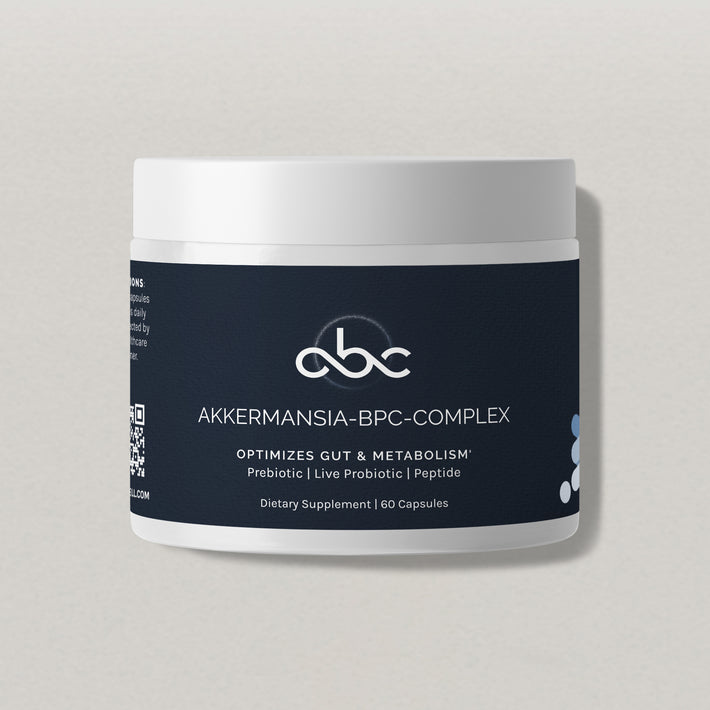
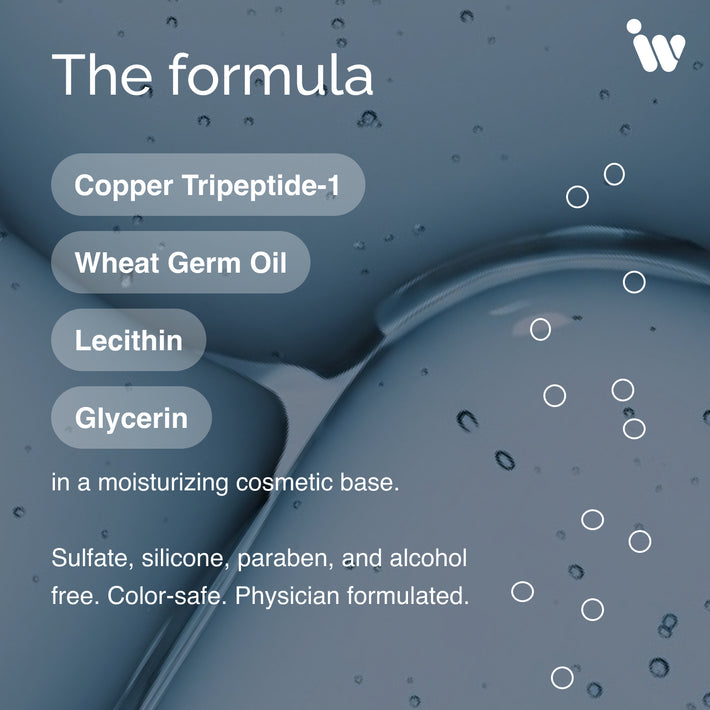
For more background on peptide supplements, including common formats and factors to consider before adding one to your routine, read our peptide safety guide. To compare InfiniWell's dietary supplement formulas and delivery formats, explore our BPC Precision Aminos collection.
How to tell if a peptide company is legit: FAQs
-
SOURCES
Products mentioned in this article


You May Also Like
View All Articles

Biohacking Gifts for the Wellness Enthusiast in Your Life
Shopping for someone who tracks their sleep, fine-tunes their routines, or follows healthy aging research? This guide offers biohacking gift ideas, from simple sleep tools to wearables and supplements, and helps you choose one that fits their interests.
Biohacking Gifts for the Wellness Enthusiast in Your Life
Shopping for someone who tracks their sleep, fine-tunes their routines, or follows healthy aging research? This guide offers biohacking gift ideas, from simple sleep tools to wearables and supplements, and helps you choose one that fits their interests.