








Key takeaways
Postpartum shedding is usually a temporary response to the drop in estrogen after birth, not permanent hair loss.
It commonly shows up a few months after giving birth and often peaks around month four.
Gentle handling, loose styles, and simple products can make day-to-day care easier.
A balanced diet supports overall health, including hair health, and shedding alone doesn't point to a missing nutrient.
Talk to a healthcare provider about patchy or worrying changes, or if heavy shedding shows no sign of easing.
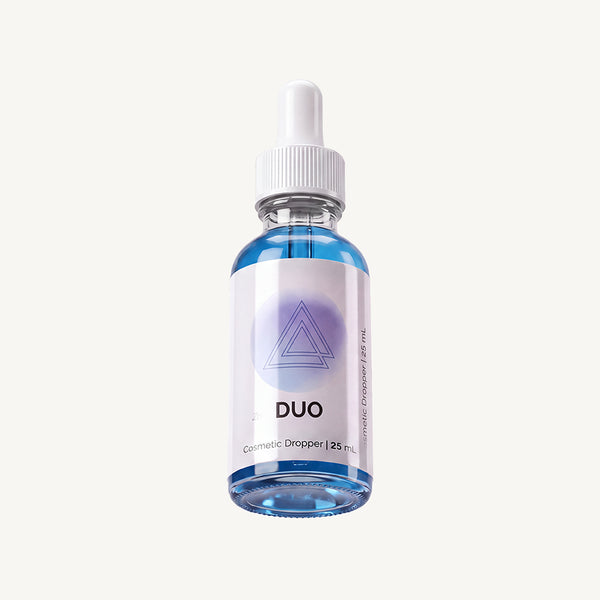
Postpartum hair shedding is a common, usually temporary phase of extra shedding that starts a few months after giving birth. It's driven by the natural drop in estrogen after delivery, and most women see their hair return to its usual fullness by their child's first birthday. If you'd like a gentle scalp-care step along the way, our DUO scalp serum is an optional cosmetic for the look of fuller hair, not a way to stop shedding.
Knowing it's normal can be reassuring and still feel unsettling when you see so much hair in the shower drain. You don't need to dismiss the experience or build an elaborate routine. Gentle care and realistic expectations are a good starting point, with professional advice whenever the pattern worries you.
This guide is written for new mothers and parents noticing extra shedding: why postpartum hair shedding happens, the usual timeline, gentle hair care that helps, and when to check in with a professional.
Why postpartum hair shedding happens after giving birth
Hair grows in a cycle. At any given time, most hairs are in the growth phase, while the rest move through a short transition and then a resting phase before those hairs shed.
During pregnancy, higher hormone levels keep more hairs in the growth phase and hold back normal shedding, which is why many women notice thicker hair. After childbirth, estrogen levels drop, and a large number of hair follicles move into the resting phase at about the same time. A few months later, those hairs shed together, and the extra hair fall becomes noticeable.
This is extra shedding rather than true hair loss, and it's a familiar, temporary pattern after birth for many new mothers.
How much shedding is normal?
Most people lose about 100 hairs a day without noticing. Postpartum hair shedding means losing more than that each day for a while, which is why it can look like a sudden drop in fullness even though it's a normal part of the postpartum period.
When does postpartum hair shedding start and stop?
People often search for “postpartum hair loss” when they first notice extra shedding. It usually begins within the first few months after giving birth, often peaks about four months after delivery, and generally eases over the following months. For most people, it settles within the first year, though the exact timing varies.
Use those milestones as a broad guide rather than a deadline, since a calendar can't tell you whether your own pattern is typical. The table below shows what many women notice at each broad stage:
Broad stage |
What you may notice |
During pregnancy |
Hair may feel thicker and fuller than usual |
First few months postpartum |
Increased shedding may become noticeable |
Around month four |
Shedding is often most noticeable |
Following months |
The temporary pattern generally begins to settle |
Around one year |
Most people have returned toward their usual fullness |
A gentle hair care routine
The goal is to keep care comfortable and manageable while your hair moves through this phase. You don't need a complicated set of products, and a routine doesn't have to be perfect to be useful.
Choose a few steps that fit the time and energy you have, because a new parent’s day can be unpredictable. Hair care shouldn't become another standard you feel pressured to meet.
Handle hair without pulling
Proper care starts with a light touch. A few simple habits help keep washing and styling comfortable:
Be gentle when brushing: Use a soft brush and work through tangles patiently rather than dragging a brush through them.
Avoid tight hairstyles: Tight ponytails and styles that pull hard add tension, so a loose style may feel more comfortable, especially around the hairline.
Turn down the heat: Use a lower setting on dryers and irons, or let hair air-dry when you can.
Enjoy a scalp massage: A gentle scalp massage while you shampoo can be a calming moment in a busy day.
These are practical care choices rather than a way to control the hormonal shift. They make the routine easier without changing how many hairs move through the shedding phase.
Try a volumizing shampoo and lighter styling
The right products can help hair look fuller while it settles. A volumizing shampoo with protein can coat strands, while heavy conditioning shampoos and intensive conditioners can weigh fine hair down. A conditioner made for fine hair, applied mainly to the ends, keeps things light.
A different part, a simple style, or a cut that's easier to manage may also help you feel more comfortable with your hair right now, and some haircuts make hair look fuller. Change one thing at a time so you can tell whether you like the result without buying an entirely new routine.
Avoid turning wash day into a test
Seeing loose hair in the shower can make wash day stressful, and the amount on a given day also depends on how recently you washed or brushed. One shower doesn't give a complete picture of the pattern.
If keeping a simple record helps, note when the change began and whether it seems to be easing. You don't need to count every strand, and you can bring your notes to a professional if you'd like an individual assessment.
Nutrition for healthy hair without a long supplement list
Regular, varied meals support overall health, including hair health. An eating pattern that's practical for your circumstances and includes protein sources, produce, and other foods you enjoy and tolerate is a realistic goal for most new parents.
Extra shedding alone doesn't tell you which nutrient, if any, is low. An online checklist can't tell you what's behind your own shedding, and adding several vitamins in the hope that one will change the pattern isn't a reliable plan.
If eating regularly is hard or you're worried about your nutritional needs, talk with a healthcare professional. They can decide whether an assessment is useful and what guidance fits your situation, including during breastfeeding.
Accept practical help where available
A prepared meal, help with shopping, or someone holding the baby while you shower can be more useful than another complicated self-care plan. If support is available, ask for something concrete that makes the day easier.
Rest and stress relief count toward your overall wellbeing, too, but perfect sleep is rarely realistic with a new baby. Do what's manageable, and remember that postpartum shedding isn't evidence that you failed to sleep, eat, or care for yourself correctly.
Where a scalp serum fits
A scalp serum is optional cosmetic care. It isn't necessary for the normal postpartum transition or a way to stop shedding, and that decision is separate from understanding why the temporary pattern happens.
DUO combines GHK-Cu (glycine-histidine-lysine with copper) and zinc thymulin for scalp care and the appearance of fuller, thicker-looking hair. That description isn't evidence that it changes the postpartum hair cycle or that it's been studied in breastfeeding users.
Before adding a serum, review the full label with your healthcare professional if you're breastfeeding or have questions about suitability. For general comparison criteria, our guide to what to look for in a scalp serum can help you assess a formula. If you use a topical product, follow its directions and stop if irritation develops.
When to speak with a professional
You don't have to wait until a particular month if something worries you. It's worth checking in with a healthcare provider if shedding leaves patches, your scalp feels itchy or uncomfortable, heavy shedding shows no sign of easing, or your hair hasn't come back toward its usual fullness by about your child's first birthday.
A professional can look at the full context and take a closer look at your situation instead of assuming every change after birth has the same explanation. Bring a short description of when it started, what you've noticed, and which products or supplements you use.
In the meantime, a simple, gentle routine is all most people need while hair finds its rhythm again. When you're ready to add a comfortable scalp-care step, browse our hair and scalp collection.
Postpartum hair shedding : FAQs
-
SOURCES
Products mentioned in this article
You May Also Like
View All Articles

Best Time to Take Probiotics: Should You Take One Daily?
There's no single morning-or-night rule for probiotics. Here's what meal-timing research found, why consistency counts for more than the clock, and how to build a daily routine around your product's label.

Copper Peptides for Hair: What Early Research Suggests
Copper peptides such as GHK-Cu are studied in skin and scalp research and used in topical cosmetic formulas. This guide explains what early research can and can't tell you, how to read before-and-after photos, and what to look for in a scalp serum.