
































































































Key takeaways
-
There's no single list of the best supplements for menopause brain fog. B vitamins, vitamin D, magnesium, and omega-3s support normal brain function, but research has not established that they reliably address menopause-related brain fog.
-
Brain fog is commonly reported during the menopause transition. It's estimated that roughly 44% to two-thirds of women, depending on the study population, experience subjective changes in memory, attention, or mental clarity.
-
Changing estrogen levels may affect brain energy metabolism, but sleep, stress, and other midlife factors can also influence memory and focus.
-
Bacopa monnieri, saffron, citicoline, and creatine have been studied for memory or mental fatigue, but the evidence is not specific to menopause brain fog, and many trials are small or short.
-
Sleep, regular meals, movement, and stress management can also support mental clarity. If sleep is part of your broader wellness focus, DHH-B is formulated to support relaxation and healthy sleep cycles, not menopause brain fog itself.
-
These cognitive changes may become less noticeable as the menopause transition progresses, although experiences vary. Talk with a healthcare provider if they persist, occur more frequently, or interfere with everyday activities.
You walk into a room and forget why. A name sits right at the edge of your memory and won't come. These lapses are often described as brain fog, an informal term for cognitive changes such as forgetfulness, difficulty concentrating, losing your train of thought, or struggling to find the right word.
A 2026 perspective found that about two-thirds of women report changes in memory or concentration during the menopause transition. Although common, brain fog remains less recognized and researched than hot flashes and night sweats.
There's no single best supplement for menopause brain fog. Nutrients such as B vitamins, vitamin D, magnesium, and omega-3s have been studied for brain function, but much of the evidence is not specific to menopause. Shifting hormone levels may be one factor behind menopause-related brain fog, while sleep, stress, and other midlife factors can also affect memory and focus.
This guide compares popular supplements, explains what the research shows and where it remains limited, and covers when cognitive changes are worth discussing with a healthcare provider.
Why brain fog can happen during menopause
Perimenopause is the stretch of years leading up to menopause, when menstrual cycles change and hormone levels fluctuate. The transition generally begins between ages 45 and 55 and may last several years.
Estrogen also interacts with areas of the brain involved in memory and attention. In a brain-imaging study of 161 women, researchers observed differences in brain structure, connectivity, blood flow, and glucose metabolism across premenopause, perimenopause, and postmenopause.
Some measures appeared to stabilize or partially recover after menopause, suggesting that the brain may adapt as hormone levels settle. Because the study primarily compared women at different stages, however, it cannot prove that estrogen changes directly caused brain fog.
Brain fog is likely shaped by more than one factor. Hormonal shifts may overlap with common perimenopause symptoms, including disrupted sleep, hot flashes, mood changes, and low energy. Together, these experiences may make memory, concentration, and mental clarity feel less reliable during the transition.
Nutrients studied for brain function
Several familiar nutrients have been studied in relation to memory, attention, or factors such as sleep. However, results vary, and much of the research is not specific to menopause brain fog.
B vitamins and homocysteine
Folate, vitamin B12, and vitamin B6 help regulate homocysteine, an amino acid associated with cognitive changes in observational research. Most clinical trials of B vitamins have not shown consistent changes in cognitive function, although one trial found slower cognitive decline among women with low B vitamin intake at the start.
For people who are not getting enough through food, a methylated B-complex can help supply several B vitamins. Research specific to methylated B-complex supplements and menopause brain fog remains limited, but adequate B vitamin intake supports normal nervous system function.
Vitamin D
Vitamin D receptors are found on neurons and other brain cells, which has prompted research into vitamin D's role in brain health. The NIH vitamin D review notes that supplementation has not shown consistent effects on mood in clinical trials. Research specifically examining vitamin D for cognitive changes during menopause remains limited.
Vitamin D does have established roles in calcium absorption, bone health, and normal muscle function. Because age, sun exposure, diet, and other factors can affect vitamin D status, a healthcare provider can help determine whether testing is appropriate.
Magnesium
Magnesium participates in hundreds of enzyme reactions, including processes involved in normal nerve function and energy production. It has also been studied for sleep, which can affect concentration and memory.
A 2021 magnesium review combined three small trials involving 151 older adults with sleep difficulties. Participants taking magnesium fell asleep about 17 minutes sooner than those taking placebo, although the researchers rated the evidence as low to very low certainty.
The findings are not specific to menopause brain fog, but adequate magnesium intake remains relevant to normal nerve function and sleep-related wellness.
Omega-3 fatty acids
DHA is an omega-3 fatty acid concentrated in the brain. In one large observational study of women, a higher omega-3 index was associated with greater volume in the hippocampus, a region involved in memory. Although the observational findings are encouraging, supplementation trials in older adults have not yet shown a clear, consistent effect on cognitive performance.
Fish and other seafood provide DHA and EPA as part of the diet. Research specific to omega-3 supplements and menopause brain fog remains limited, but these fatty acids retain an established role in cell membranes throughout the body, including the brain.
Botanicals and nootropics studied for memory and focus
Beyond essential nutrients, several botanical and nootropic ingredients have produced encouraging findings in human research. Most studies remain small or are not specific to menopause brain fog, but they offer useful starting points for comparing the options.
Bacopa monnieri
A review of six clinical trials found that Bacopa monnieri produced favorable results on nine of 17 tests of free-recall memory. Results in other areas of cognitive performance were less consistent, although those abilities were also studied less extensively.
All six trials lasted 12 weeks, so the findings reflect regular use over several months rather than an immediate effect. Research has not yet established whether bacopa offers the same support for menopause brain fog specifically.
Saffron
Saffron has shown encouraging cognitive results in a small number of trials. A review of four clinical trials found favorable differences on standard cognitive assessments compared with placebo. However, the participants already had memory concerns, so the results may not apply directly to everyday brain fog during menopause.
A separate 12-week saffron trial involving 86 women aged 50-70 reported favorable changes in mood and one sleep-related measure. These outcomes may have some relevance to mental clarity, although the study did not evaluate menopause brain fog directly.
Citicoline and creatine
Citicoline supplies choline and cytidine, which the body uses to make phosphatidylcholine, a component of cell membranes. A review of citicoline research found that some small trials reported favorable changes in attention or memory. Findings have differed across studies, and many of the studies were supported by supplement manufacturers. More independent research is needed to determine whether citicoline supports cognitive function during menopause specifically.
Creatine is best known for its role in muscle energy, but the brain also uses creatine as part of its cellular energy system. In a recent eight-week randomized trial, one of the creatine forms tested was associated with faster reaction time in perimenopausal and menopausal women. This is an encouraging early finding, although the study was small and does not yet establish broader effects on memory or menopause brain fog.
Red clover during menopause
Red clover is another botanical commonly explored during menopause. A 2021 red clover review examined its relationship with hot-flash frequency. Based on the available research, red clover fits more naturally among supplements for broader menopause support than those studied specifically for memory and focus.
Lifestyle factors that shape mental clarity
Supplements are one part of supporting mental clarity. Movement, eating patterns, sleep, stress, gut health, and hydration may also affect how focused and alert you feel.
Regular movement
In a year-long exercise trial, older adults with mild memory changes completed 3-5 aerobic exercise sessions each week. Those who completed the program showed greater blood flow to the brain, although the study did not detect changes in memory or other cognitive measures.
Steady eating patterns
Skipping meals or relying heavily on refined carbohydrates can leave some people feeling tired or unfocused as energy levels shift. Meals containing protein, fiber-rich carbohydrates, and healthy fats may provide steadier energy throughout the day.
A nutrient-rich diet
The MIND eating pattern combines elements of the Mediterranean and DASH diets. A 10-year MIND diet study involving nearly 14,000 adults associated closer adherence with slower cognitive decline. The association was stronger among women, although the observational design cannot establish cause and effect.
Sleep and stress
Sleep disruptions are common during the menopause transition and can leave attention and memory feeling less reliable. A consistent sleep schedule, regular movement, and relaxing evening habits can form part of a broader routine for mental clarity.
Gut health
The gut and brain communicate through neural, immune, and metabolic pathways. Researchers are still determining how these connections relate to day-to-day cognition, but a varied, fiber-rich diet can support the gut microbiome.
Our guide to SuperAgers and gut-brain health explores this relationship further.
Hydration
In a study of middle-aged adults, dehydration was associated with weaker sustained attention, although other cognitive measures were unaffected. Drinking fluids regularly is a simple way to support normal physical and mental function.
Where InfiniWell formulas may fit
Some InfiniWell formulas address broader wellness areas discussed in this guide rather than menopause brain fog itself. Our NMN formula is designed to support NAD+ production and healthy aging, while DHH-B is formulated to support calm, relaxation, and healthy neurotransmitter activity.
Neither finished formula has been studied specifically for menopause brain fog, but they may fit into a broader routine based on individual wellness priorities.
How to choose supplements and when to seek care
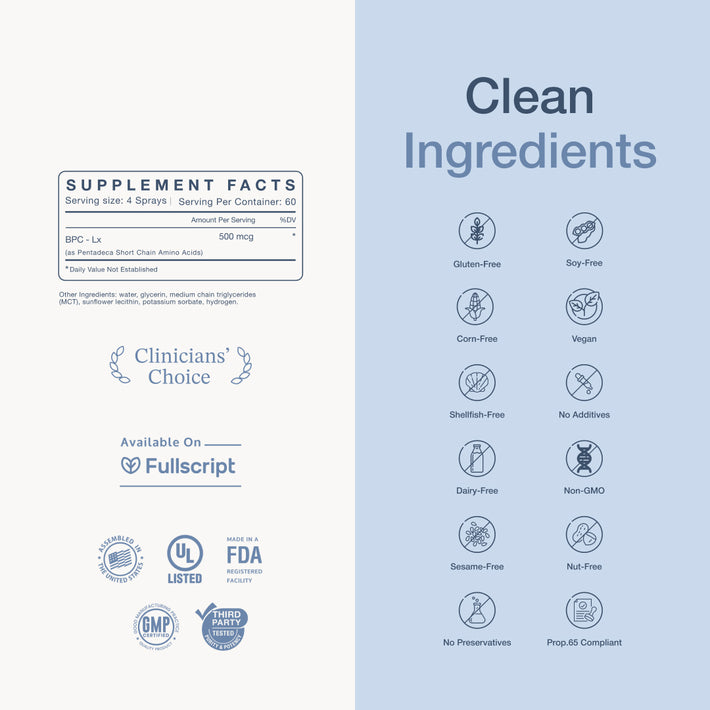
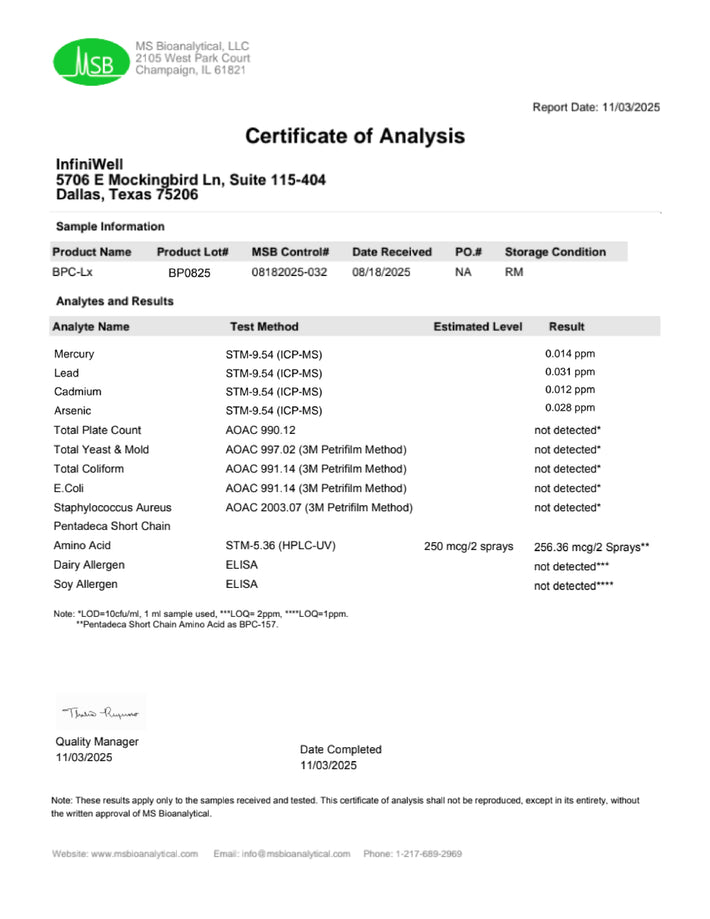
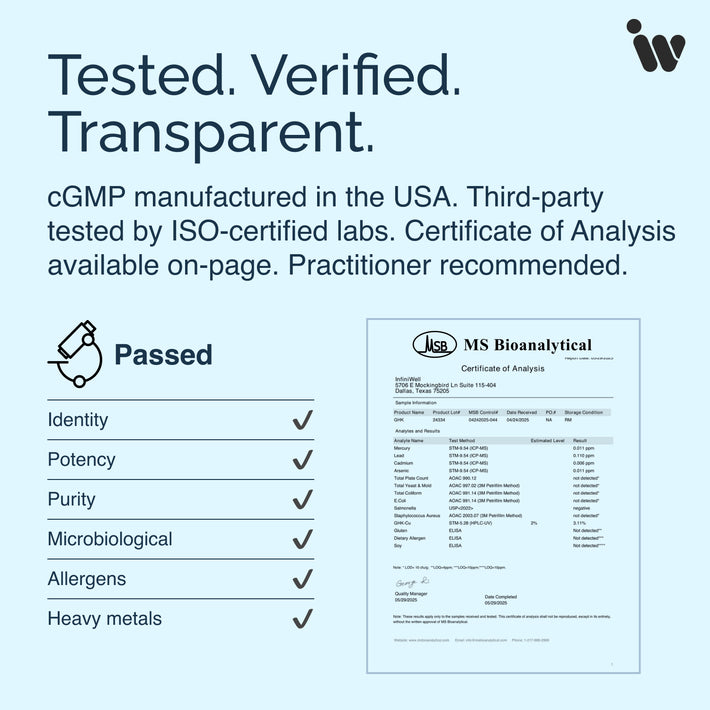
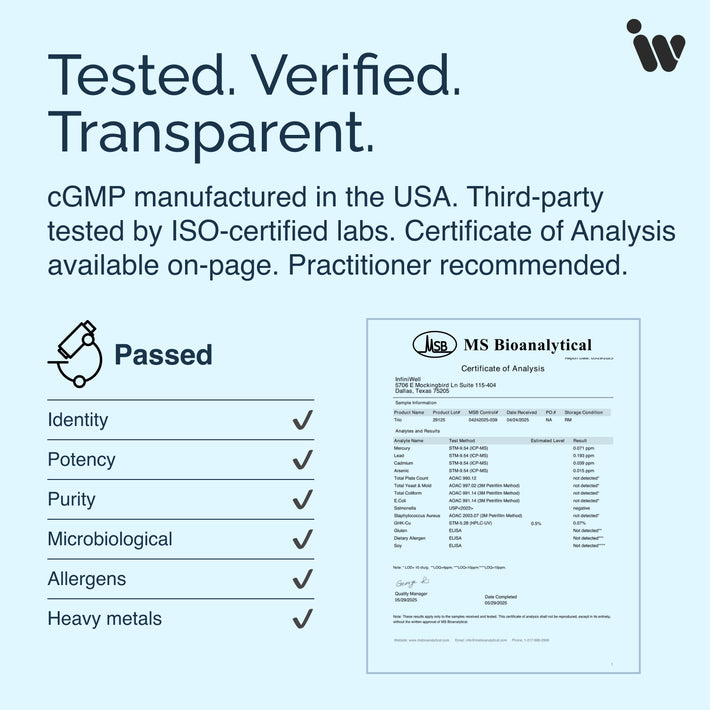
The FDA does not approve dietary supplements for safety and effectiveness before they're sold, making label transparency and third-party testing useful points of comparison. Its dietary supplement guidance recommends checking the ingredient list, amounts per serving, and suggested use.
Research timelines vary by ingredient and outcome. Follow the product directions and share your supplement list with a healthcare provider or pharmacist, especially if you use medication or combine several products.
Menopause-related brain fog may reflect overlapping factors, including hormonal changes, sleep, stress, and nutrition. Sudden, severe, or rapidly worsening cognitive changes should be discussed with a healthcare provider. A clinician can look for other possible causes, determine whether testing is appropriate, and review available care options.
Supplements can complement sleep, nutrition, movement, and other wellness habits, but they don't replace individualized care. If you're ready to explore healthy aging options, browse InfiniWell's aging and longevity support collection for formulas centered on cellular energy and long-term wellness, or explore the sleep and mood collection for options focused on rest and relaxation.
Best supplements for menopause brain fog: FAQs
-
SOURCES
Products mentioned in this article


You May Also Like
View All Articles

Biohacking Gifts for the Wellness Enthusiast in Your Life
Shopping for someone who tracks their sleep, fine-tunes their routines, or follows healthy aging research? This guide offers biohacking gift ideas, from simple sleep tools to wearables and supplements, and helps you choose one that fits their interests.

Longevity Supplements: Ingredients to Know for Healthy Aging
Longevity supplements are studied for specific aspects of healthy aging, but none has been shown to extend human life. This guide examines the evidence behind NMN, fisetin, Akkermansia, AC-11, and epicatechin, including what human studies have found and where research remains limited.