









Key takeaways
-
Hair follicles move through growth, transition and resting phases, so everyday shedding happens right alongside steady growth.
-
Studies have observed a seasonal pattern, with more shedding often noticed in late summer and fall, but group patterns do not predict any one person's schedule.
-
Most people shed about 50 to 100 hairs a day, and hair length, wash timing and styling all change how that looks.
-
A seasonal change is usually temporary and tends to settle over a few weeks to a few months.
-
Cosmetic scalp serums are for scalp care and the appearance of fuller hair, not a way to switch off seasonal shedding.
If you are a healthy adult who notices more hair in the brush or shower as summer turns to fall, you are seeing something researchers have studied for decades.
Seasonal hair shedding describes a rise in hair falling that many people notice at certain times of year. The short answer is that it is real, usually temporary, and shaped as much by your hair's natural growth cycle as by the calendar.
Studies suggest the shedding people notice tends to build in late summer and autumn, yet the timing and size of the change vary from one person to the next.
This guide walks through how the hair cycle works, what the research on seasonal hair shows, how much daily shedding is normal, and how to keep your routine gentle while the season shifts. If you are weighing cosmetic options along the way, you can browse cosmetic hair and scalp serums and compare each label as you read.
How does the hair cycle work?
Your scalp does not shed on a fixed schedule because hair follicles do not all move through their life cycle at the same moment. At any time some follicles are growing, a few are in transition, and others are resting before they release a hair shaft. That overlap is why ordinary hair shedding happens at the same time as steady hair growth.
The hair growth cycle has three phases, and a plain map of them explains far more than counting any single strand.
|
Phase |
What happens |
What it helps explain |
|
Anagen |
Active growth, when the hair fiber lengthens |
Most follicles sit here, and a typical growth cycle runs long |
|
Catagen |
A short transition |
The follicle steps back from active growth |
|
Telogen |
The resting phase |
A hair rests in place before it is released |
|
Exogen |
Release of the hair |
A shed hair turns up on a brush or in the shower |
A full scalp hair cycle can last between 24 and 72 months, and most of that time is spent in the growth phase. The telogen phase, or resting phase, lasts roughly two to three months, and research suggests about 10% of hairs may sit in that resting hair stage at any one time.
Because the strands you see today may have entered their resting stage months ago, a single date, a new shampoo, or one wash day cannot pin down a cause. Hair itself is built largely from keratin, a protein made from amino acids, which is why overall hair health tends to track with general wellness rather than with any single season.
What does the research on seasonal shedding show?
Research on human hair growth has pointed to a seasonal pattern for decades, though most of it comes from small or specific groups.
A 1991 study in the British Journal of Dermatology followed 14 healthy men over time and found an annual rhythm in scalp-hair measurements, with the largest share of resting hairs, and the most shedding, arriving in late summer and early fall.
The sample was small, so it supports the idea of seasonal changes without setting a fixed calendar for everyone.
A larger 2009 analysis in the journal Dermatology reviewed records from 823 healthy women and found the proportion of resting, or telogen, hairs was highest in the summer months, peaking in July, with a smaller peak in spring and the lowest share in late winter.
Those women had sought assessment for shedding, so the group is not a random cross-section, and a rise in resting hairs is related to, but not the same as, the moment someone first notices strands in the brush.
Read together, the two studies support real seasonal variation while leaving plenty of room for individual differences. Research suggests that "it is fall" is part of the picture, not a complete explanation for any one person's change.
Where you live, how you wash and style your hair, and even how closely you are watching can all shift what you notice. One idea is that people may carry a seasonal shedding rhythm inherited from our evolutionary past, since many mammals shed with the seasons, though that remains a theory rather than a settled explanation.
Why does hair seem to shed more in fall?
Two things tend to line up in autumn. First, if more hairs moved into the resting phase over the warmer months, more of them may be released a little later, which is one reason people report more hair on the brush as the weather cools.
In the 1991 study, late-summer shedding ran more than double the winter rate, so a seasonal rise can be noticeable even while it is still temporary. It is best to treat a figure like that as a finding from one study rather than a benchmark for your own head.
Other factors are purely about what you see. Long strands and mid lengths can make a small amount of hair look like a lot, and a wash after several days gathers strands that were already released on earlier days. Comparing a dramatic wash day against a day when you barely touched your dry hair will not give you a fair baseline.
Environmental factors such as drier air can also change how your hair and scalp feel from one season to the next, which adds to the impression of increased shedding without necessarily changing the underlying count.
How much daily shedding is usual?
Most people shed about 50 to 100 hairs a day as part of the normal hair cycle, according to the American Academy of Dermatology. That range is a general reference, not a number to count against, and counting methods vary so much that a single tally rarely means much on its own.
During a seasonal peak, some sources suggest the daily figure can climb higher, with estimates up to around 150 hairs or more, but those numbers are best read as rough signals rather than targets.
It also helps to separate everyday shedding from what people loosely call hair loss. Shedding is hair leaving the scalp as the cycle turns over, and losing hair this way is expected.
The searcher phrase "seasonal hair loss" usually points to this same temporary shedding rather than to anything permanent, so a busier brush in fall is not, on its own, a sign that something has gone wrong.
If the pattern keeps changing or you have questions about it, a qualified healthcare professional is the right person to help you read it.
How long does seasonal shedding last?
A seasonal change is usually temporary. Many sources describe it settling within a few weeks to a few months, with ranges like four to eight weeks, or about six weeks to two or three months, commonly cited, roughly in step with how long the resting phase lasts.
Rather than a fixed dip to wait out on a set date, it helps to think of it as a temporary rise in shedding that tends to pass as the cycle moves on, with new hairs following over the coming several months.
Hair grows and sheds year round, so some turnover is always happening in the background even when nothing feels different. If shedding carries on for several months, or anything about it concerns you, it is worth talking with a qualified healthcare professional rather than waiting for the season to change.
Everyday factors that affect shedding
Season is only one influence among many. Everyday factors such as stress, sleep and the overall balance of your diet can all affect how much hair you shed from week to week, and hormonal changes across the year may play a part too.
These are general wellness considerations, not a reason to overhaul everything at the first sign of a seasonal change. Keeping expectations realistic here tends to help more than chasing a single cause, because several ordinary factors usually overlap at once.
Track changes consistently
If you want to keep an eye on things, consistency beats counting. Choose the same light, the same part, and the same angle for any occasional photos, and always compare dry hair with dry hair, since wet hair and fresh styling change how full it looks.
Note anything that shifts, like a new color service or a different styling routine, because those alone can change apparent hair density.
Watch the overall picture rather than a daily number on the brush:
-
Look at the trend, not the day: A gradual change in fullness over weeks says more than one heavy wash day after a few days of not brushing.
-
Keep notes short: A quick line about when you washed and what changed in your routine is easier to work with than an exact strand count.
-
Go easy on yourself: Avoid pulling at strands to test them, and if tracking starts to feel like a chore, scale it back.
Keep cleansing and handling gentle
Gentle, predictable care is the most useful response to a seasonal change. Pick a washing routine that suits your scalp rather than reacting to a single wash day. Frequent washing is not the enemy, and neither is spacing washes out, but delaying a wash only to see fewer hairs at that moment tends to make the next wash look more dramatic.
Handle your hair kindly between washes:
-
Mind the heat: Give heat styling tools like flat irons a lower setting when you can, and use heat protection before you style. Very hot water in the shower, along with long sun or salt water exposure, can leave dry ends, so rinse and condition with that in mind.
-
Detangle with care: Work through split ends and knots gently from the bottom up, which protects the hair shaft and keeps breakage separate from true shedding.
-
Look after the scalp: A comfortable scalp supports overall scalp health, so keep styles loose and avoid anything that tugs at the roots all day.
Drier seasons affect skin as much as hair. The Mount Sinai health team suggests moisturizing well through drier months, grooming gently and eating a balanced diet to support scalp and hair through the change. Thinking about your skin care and hair care together, a more holistic approach, tends to be easier to keep up than a routine you rebuild every week.
If dry skin on the scalp is part of the picture, a gentle and consistent routine usually serves most hair types well.
Where do scalp serums fit?
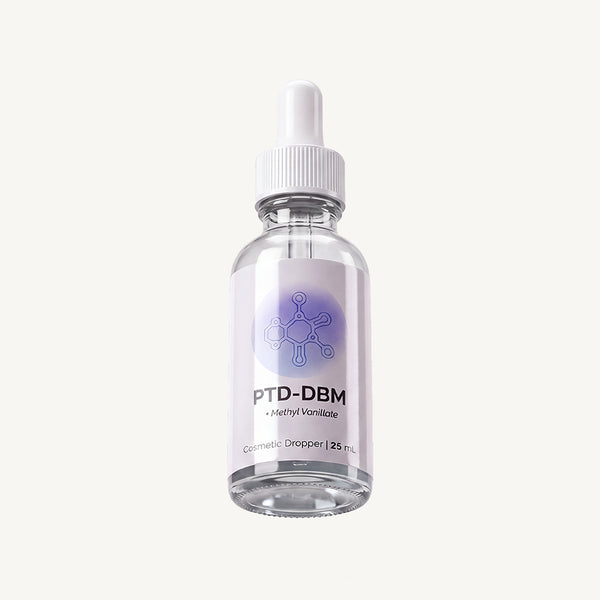
Cosmetic scalp serums belong in the care-and-appearance part of your routine, separate from any explanation for seasonal shedding. DUO pairs GHK-Cu with zinc thymulin, while PTD-DBM with methyl vanillate takes a different ingredient approach.
Both are cosmetic topical serums that support the appearance of fuller, thicker-looking hair, which is a matter of hair thickness and look rather than the hair growth cycle itself. Neither is a way to stop seasonal shedding.
If you are comparing options, our guide on how to compare scalp serums walks through reading an ingredient list and a product label, and you can read more about peptides for scalp wellness or what PTD-DBM is before you decide.
Let the full label and its suggested use guide how you apply anything new, and introduce one product at a time so you can tell what your scalp is comfortable with.
Food, rest, and everyday care
A varied, balanced diet and steady rest are reasonable foundations for general wellness, and they support your hair the same way they support the rest of you. A seasonal change is not a reason to pile on a long list of supplements or to cut your eating down to a restrictive plan.
Keep meals varied, aim for regular sleep, and treat everyday stress management as part of the same picture. These habits help your overall wellbeing rather than promising to end shedding by a certain date, and if you have questions about nutrition or a change that lingers, a qualified healthcare professional can help more than guesswork.
Keep the routine consistent
Use the hair cycle to understand why the timing is tricky, then keep your care gentle and steady through the season. A little seasonal shedding in fall is usually part of the normal rhythm of hair growth, not a sign that something is wrong.
If you want to support the look and feel of your hair along the way, explore InfiniWell's cosmetic hair and scalp serums and keep cosmetic care separate from any explanation for seasonal hair falling. When a change is persistent or unusual, check in with a qualified healthcare professional rather than waiting on the calendar.
Seasonal hair shedding: FAQs
-
SOURCES
Products mentioned in this article

You May Also Like
View All Articles

Hair Density vs. Thickness: What's the Difference?
Hair density is how many strands you have, and hair thickness is how wide each strand is. They sound similar, but they're two different things, and mixing them up leads to the wrong styling and product choices. Here's how to tell them apart and work with what you've got.