



















































































Key takeaways
-
SuperAgers show that sharp memory into our 80s isn't a fluke or a genetic lottery. Their habits appear to play a major role, which means a lot of the upside is within reach for the rest of us.
-
The gut and brain are in a real, two-way conversation through the vagus nerve, the enteric nervous system, and the gut microbiome. That network helps shape mood, focus, and cognitive function every day.
-
Fiber-rich whole foods, steady sleep, daily movement, and meaningful social time show up in research as supporting both gut and brain health. It's all pretty simple, and that's the point.
-
SuperAger-level mental sharpness isn’t tied to one food, supplement, or routine. It comes from a stack of small, consistent habits working together over time, not a hero ingredient.
-
Consistency is the multiplier. A weekly habit you can keep beats a daily plan you end up abandoning, and those small choices compound quietly over decades.
Some people in their 80s walk into a memory study and outscore folks half their age. Researchers call them SuperAgers, and their brains look and behave more like those of someone decades younger.
So what's their secret?
Genetics play a part, but lifestyle does the heavy lifting, and a growing body of research keeps pointing in one direction: the gut-brain connection. Scientists are now looking past the brain alone and asking how the trillions of microbes living in our digestive system shape memory, mood, and long-term cognitive function.
This article unpacks what SuperAgers can teach us, what the gut-brain connection actually is, and the daily habits that support whole-body wellness as we age.
What is a SuperAger?
A SuperAger is an older adult, typically over 80, with memory performance closer to people in their 50s and 60s. They aren't a separate category of human. They sit on the healthier end of the aging spectrum, and that's the encouraging part.
SuperAgers tend to share a few traits:
-
Strong recall and quick learning of new information
-
Steady cognitive function year over year
-
Active social lives and engaged minds
Researchers don't view SuperAging as a label you give yourself. It's identified through cognitive testing in academic studies. The takeaway for the rest of us isn't whether we qualify but what their habits suggest about healthy aging.
The gut-brain connection explained
The gut and the brain are in constant communication. Sometimes people call the gut a "second brain" because the lining of the digestive system is packed with nerve cells that make up the enteric nervous system. The vagus nerve runs between the gut and the central nervous system like a two-way phone line, sending signals all day long.
This network is what scientists call the gut-brain axis. The gut microbiome (the community of bacteria living in the gastrointestinal tract) helps produce neurotransmitters, talks to the immune system, and influences how the body handles stress.
Early research suggests that a balanced gut environment may support mood, focus, and overall brain function. The science is still emerging, but the connection is becoming clearer in research.
What sets SuperAgers apart?
When researchers compare SuperAgers with the rest of their age group, a handful of patterns keep showing up:
-
Consistent physical activity (walking, swimming, or gardening—nothing extreme)
-
Strong social engagement and close relationships
-
Mentally stimulating routines like reading, music, or learning new skills
-
An interest in their own well-being, including what they eat
Newer studies are adding gut health to that list. Scientists are exploring how the gut microbiome differs between sharp older adults and their peers, and the early signals are interesting enough that nutrition is now a serious part of the conversation.
What do SuperAgers eat?
There's no single SuperAger diet, and anyone selling one is selling a story. What you do see is a pattern that looks a lot like a Mediterranean-style, plant-based diet:
-
Whole, minimally processed foods most of the time
-
Plenty of fiber from leafy greens, beans, whole grains, fruit, and nuts
-
Healthy fats like olive oil, avocado, and fatty fish
-
Less sugar, less refined flour, fewer ultra-processed snacks
The common thread is fiber, which feeds the gut microbes that keep the gut-brain axis running smoothly. Consistency matters more than perfection. A weekly habit beats a 30-day cleanse every time.
For more on how everyday eating shapes the gut, see our guide on BPC and diet for gut health.
Daily habits that support the gut-brain axis
Diet doesn't work in isolation. The gut-brain axis responds to your whole rhythm:
-
Sleep on a schedule: Your gut microbes have a circadian rhythm, too. Going to bed and waking around the same time helps both gut and brain health.
-
Move every day: Examples include walking, stretching, and light strength training. Movement supports digestion and supports brain function.
-
Manage stress: Chronic stress reshapes the gut microbiome. Breathwork, time outside, and saying no to things you don't want to do all count.
-
Eat mindfully: Sitting down for meals (instead of eating at a screen) helps the digestive system do its job.
Curious about a specific microbe getting a lot of attention in healthy aging research? Take a look at the benefits of the Akkermansia probiotic.
Where brain health supplements fit in
Supplements are support, not a shortcut. They sit on top of a solid foundation of food, sleep, movement, and connection. With that said, certain nutrients come up often in healthy aging research:
-
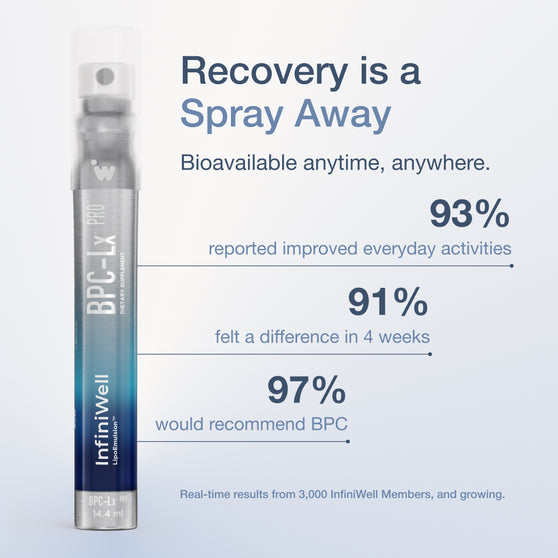
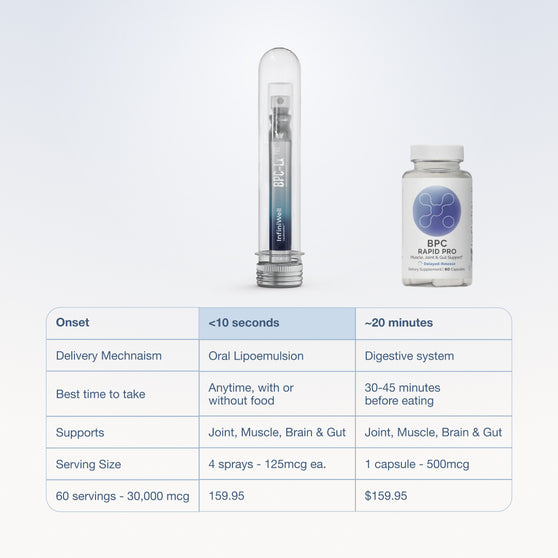
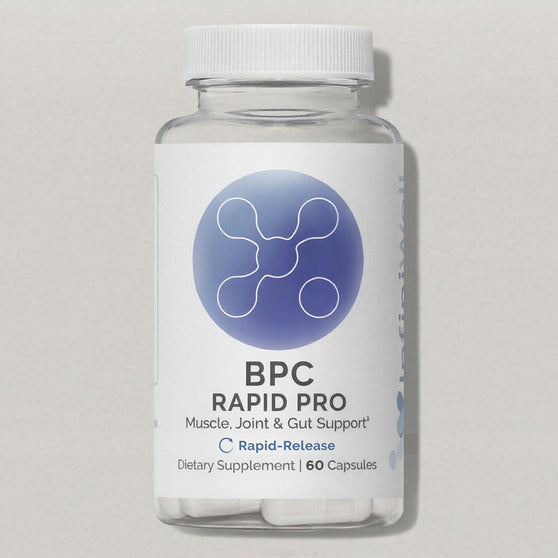
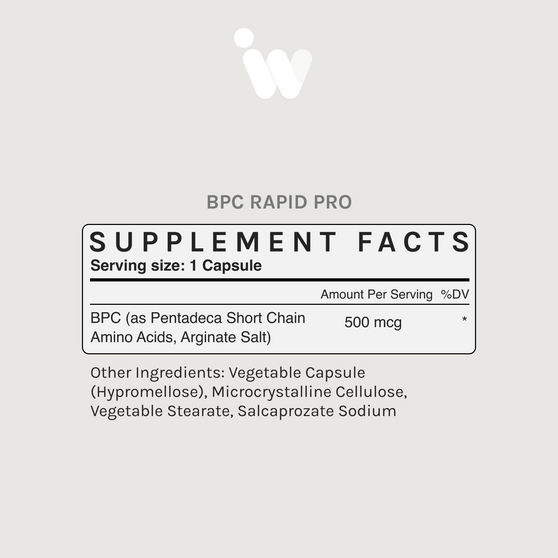
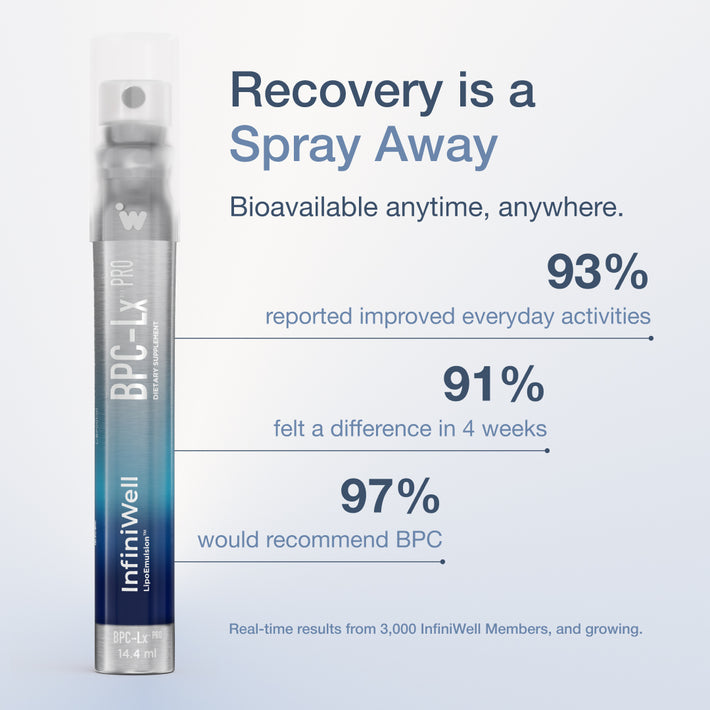
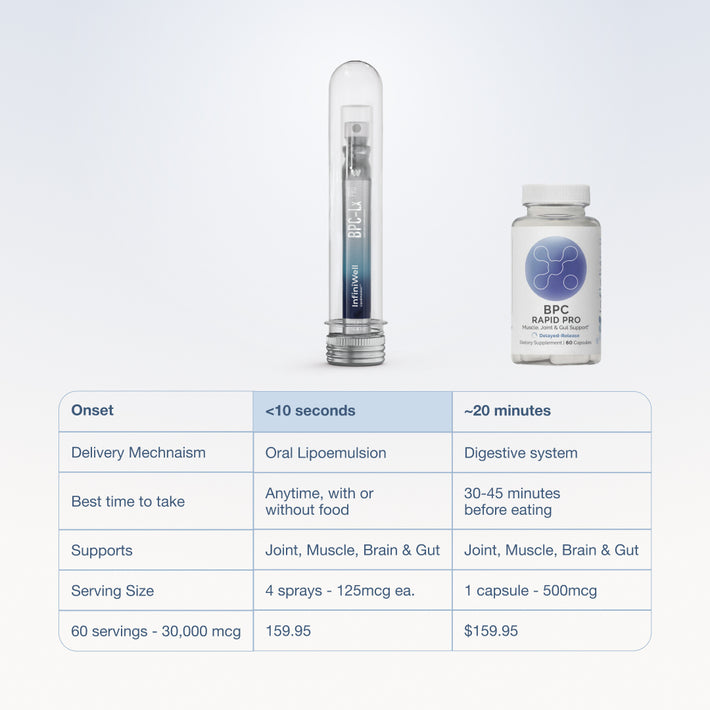
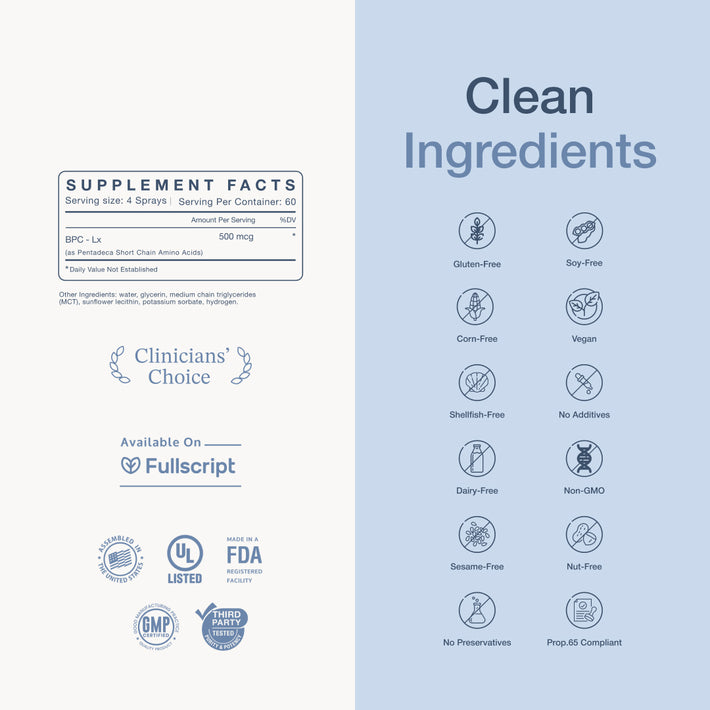
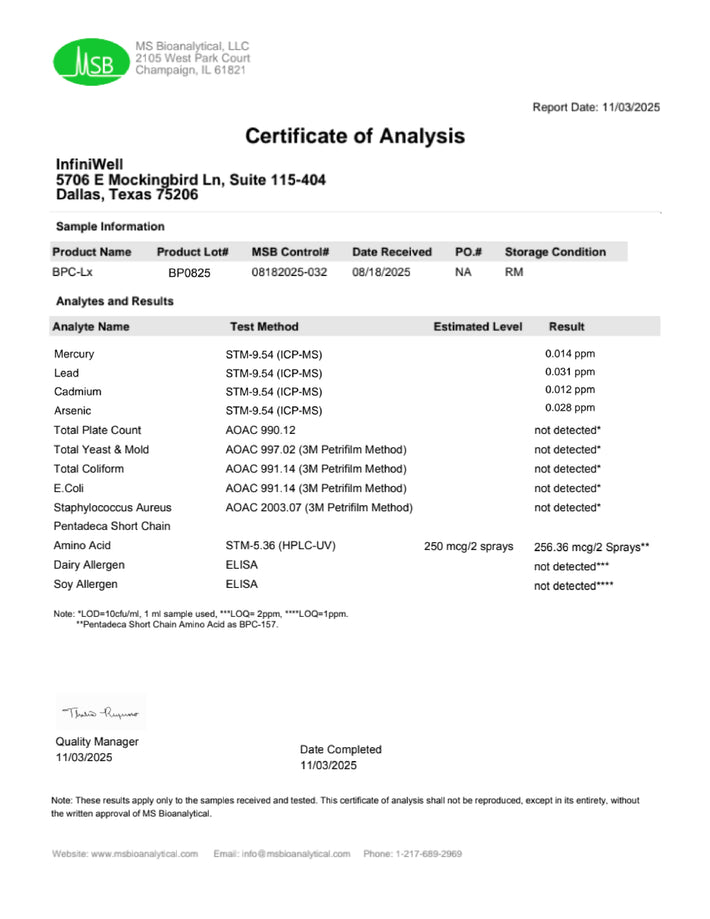
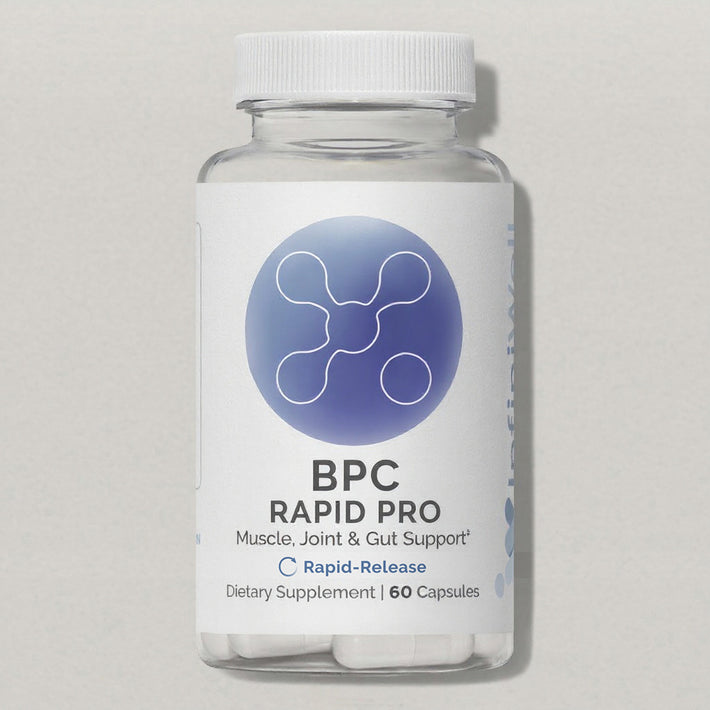
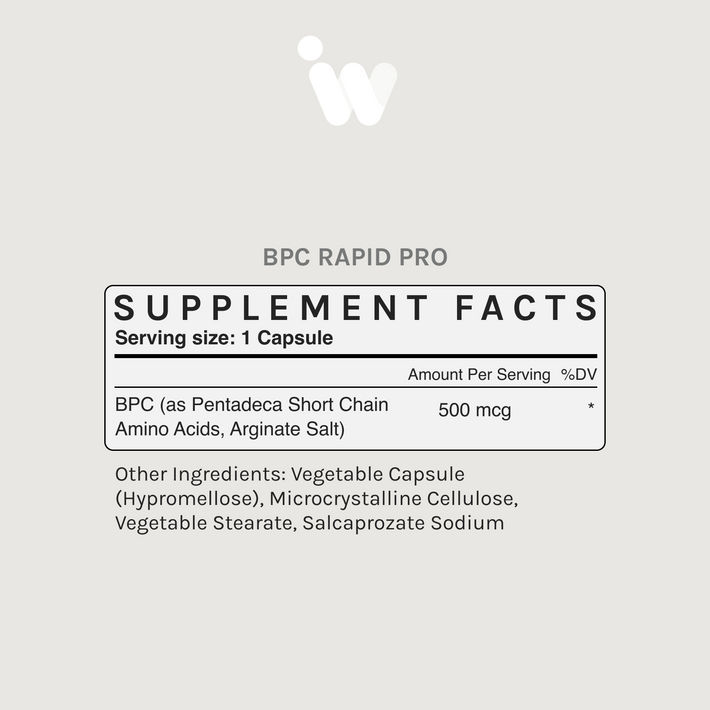
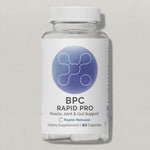
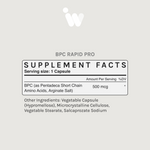
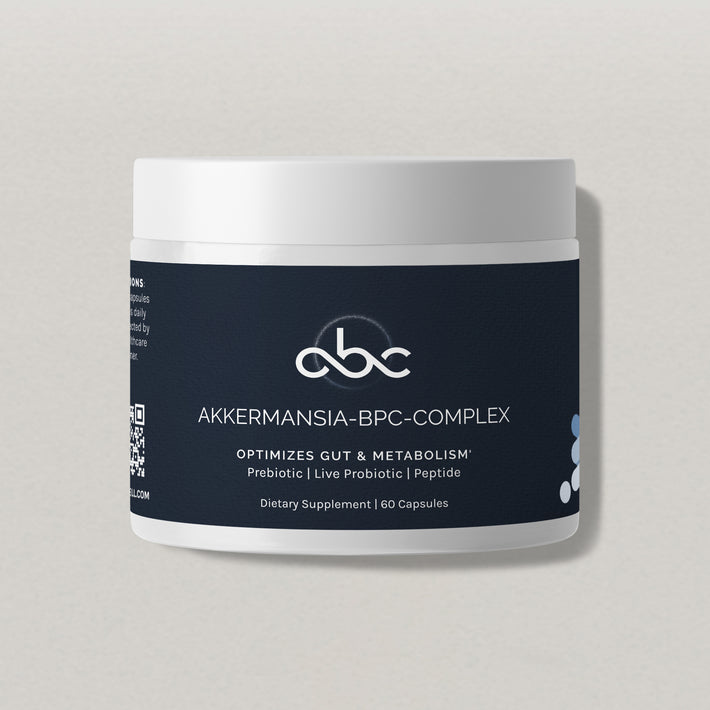
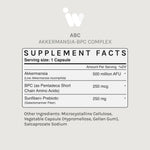
Pentadeca short-chain amino acids, the focus of InfiniWell's BPC supplements, which are designed for use in the gut, the same place the gut-brain axis begins.
-
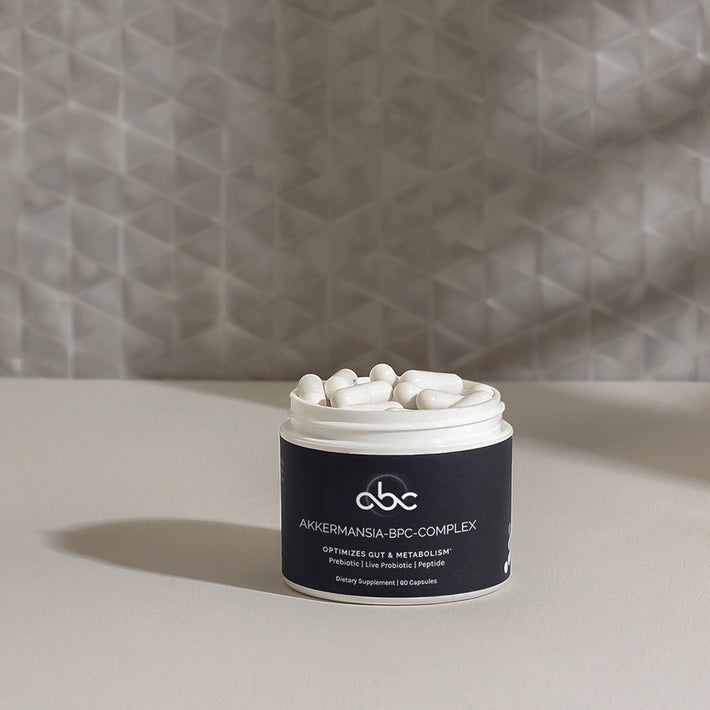
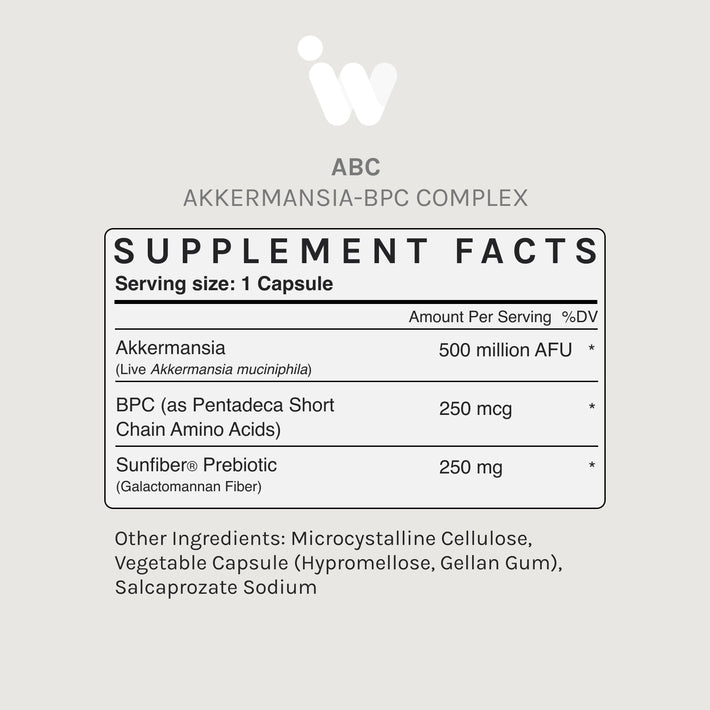
Akkermansia muciniphila, a single strain of beneficial bacteria found in healthy guts. Our Akkermansia probiotic is formulated to support gut microbiome balance.
-
Nicotinamide mononucleotide (NMN), a precursor that supports NAD+ levels, which the body uses for cellular function. Our NMN supplement sits in the healthy aging category.
Results vary from person to person, and supplements work best as part of a broader routine, not in place of one. Always talk to a qualified healthcare professional before starting anything new.
Browse our gut health collection and find a formula that fits your routine.
What to read next:
-
What Is Pentadeca Arginate? Understanding Short-Chain Amino Acid Supplements
-
NMN and Aging: What Early Research Suggests About NAD+ Levels and Longevity
-
7 Simple Ways to Improve Digestion Naturally (Plus When to Consider Digestion Supplements).
SuperAger FAQs
-
SOURCES
Products mentioned in this article


You May Also Like
View All Articles

Mitochondrial Health Supplements: A Complete Guide
Can a supplement support the tiny structures that help your cells produce energy? Explore what researchers have found about NMN, urolithin A, CoQ10, and other mitochondrial health ingredients—and where the evidence is still limited.

Longevity Supplements: Ingredients to Know for Healthy Aging
Longevity supplements are studied for specific aspects of healthy aging, but none has been shown to extend human life. This guide examines the evidence behind NMN, fisetin, Akkermansia, AC-11, and epicatechin, including what human studies have found and where research remains limited.