

























































Key takeaways
-
KPV is a tiny peptide made from just three amino acids: lysine, proline, and valine. Researchers have studied it for immune, skin, and everyday gut wellness support, though most of the evidence is still early.
-
KPV and BPC are different peptides with different areas of focus. KPV is studied more for immune and skin wellness, while BPC is commonly researched for soft tissue support and everyday gut comfort.
-
KPV is available in oral and topical forms, with oral capsules being the most common for daily use. If you choose to take it, follow the suggested use on the product label and look for third-party tested supplements.
-
Current KPV research comes mainly from laboratory, animal, and limited human studies. While the findings are promising, larger human trials are still needed, and results can vary from person to person.
-
People who are pregnant or breastfeeding, under 18, or managing a health condition or taking medication should talk with a qualified healthcare professional before using KPV. As with any supplement, it should be part of a broader wellness routine rather than a replacement for medical care.
Peptides have moved from a niche corner of wellness into the mainstream.
The peptide supplements market is projected to grow from about $4.1 billion in 2025 to $11.2 billion by 2035, and consumer awareness is climbing alongside it, with recent surveys showing many younger adults now recognize peptides by name.
KPV is one of the newer names in that wave. If you've seen it mentioned and wondered what it is, here's the short version: it's a very small peptide, built from just three amino acids, that researchers have studied for its role in supporting the body's normal wellness processes.
What is KPV?
KPV is a tripeptide, which is a simple way of saying it's a peptide made of only three amino acids: lysine, proline, and valine. That's where the name comes from, since those amino acids are often written with the letters K, P, and V. Because it's so small, KPV is described as a minimal sequence and easy-to-recognize building block rather than a large, complex molecule.
It also has an interesting backstory. KPV is a fragment of alpha-melanocyte-stimulating hormone, a signaling molecule your body makes on its own. When that parent hormone breaks down, KPV is one of the small pieces left behind. Scientists got curious because those three amino acids seem to carry some of the useful qualities of the larger hormone in a much simpler form.
As its name hints, alpha-melanocyte-stimulating hormone is best known for telling skin cells called melanocytes to make melanin, the pigment that gives skin its color and drives tanning. That pigment-driving behavior is part of the full hormone, so you can't tap into its other qualities without it.
What makes KPV interesting is that it's only the tail end of that hormone. Researchers have explored whether KPV may retain some of the signaling characteristics associated with the larger molecule without producing the same pigment-related activity observed in research settings.
If peptides are new to you, it helps to start with the basics of bioactive peptides before going deep on any single one.
KPV at a glance
-
What it is: A tripeptide, made of three amino acids
-
Made of: Lysine, proline, and valine
-
Comes from: Alpha-melanocyte-stimulating hormone, a natural signaling molecule
-
Studied for: Immune and skin wellness support
Potential benefits of KPV
So what has this research looked at so far?
Set expectations first. Most of what we know about KPV comes from laboratory and animal models, with human evidence still limited, so treat the points below as early signals rather than settled facts.
Support for healthy immune function
Early research suggests KPV may play a role in how immune cells respond to everyday stressors. Some of this work in research settings has looked at how KPV interacts with NF-κB, a signaling pathway the body uses to help manage immune activity across the immune system.
In plain terms, it appears to help the body keep its own responses balanced, which is part of why the immune angle gets so much attention.
Skin and complexion support
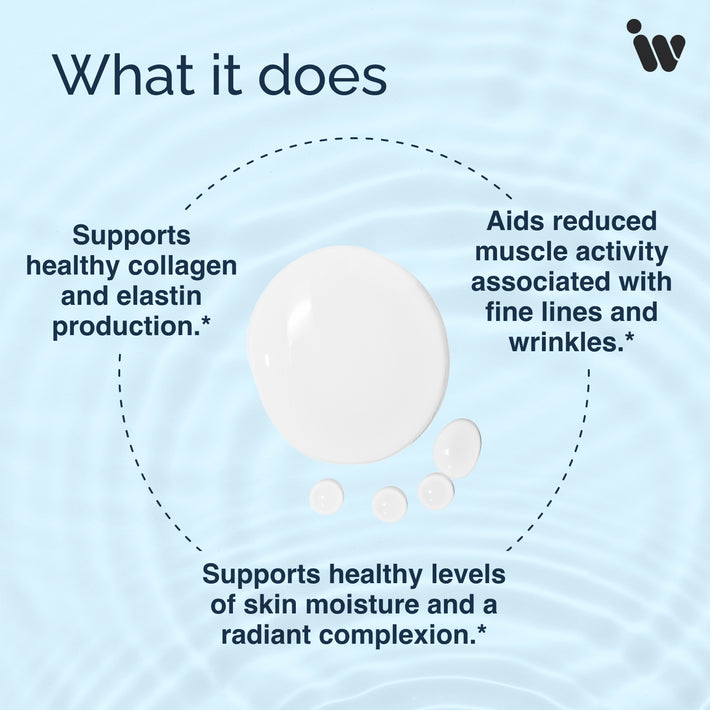
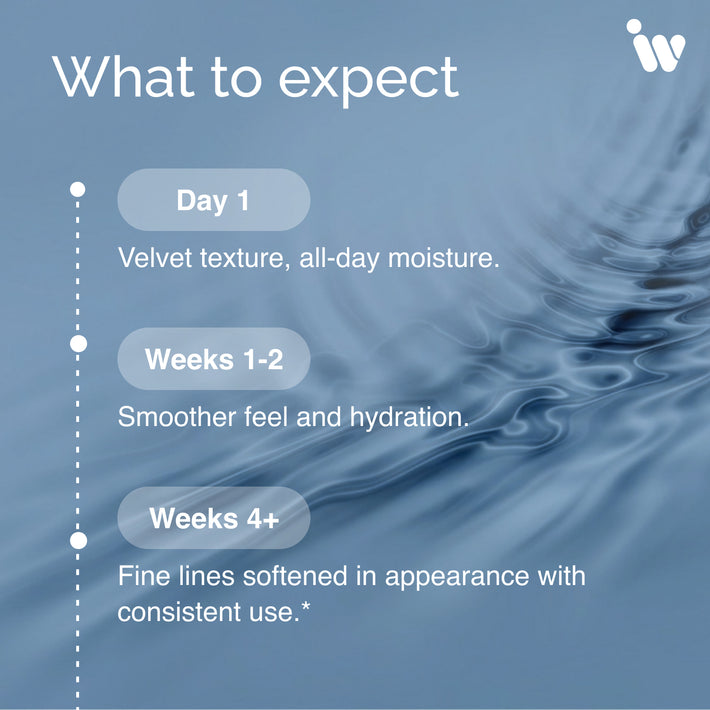
KPV has also been studied in the context of skin wellness. Some early work points to a role in supporting the look of healthy, clear-feeling skin, which is why you'll see it come up in skincare-focused peptide conversations.
Everyday gut wellness
Another area of interest is gut health, sometimes described more broadly as gastrointestinal health. Preliminary studies have explored how KPV interacts with intestinal cells, including the intestinal epithelial cells that line the gastrointestinal tract, and whether it can support digestive comfort and a healthy intestinal barrier.
This research is early, though, and much of it comes from animal studies, with early clinical research in people still limited.
Antioxidant support
Finally, KPV has been looked at as an antioxidant, meaning it may help the body manage the everyday oxidative stress that comes with normal living.
Keep one thing in mind: KPV research is still emerging. Current evidence looks promising in places, but a lot of it has not yet been confirmed in large human trials, and results can vary from one person to the next.
KPV vs. BPC: How they compare
One question that comes up a lot is how KPV stacks up against BPC, since the two often appear side by side. BPC is a different peptide, studied mostly for soft tissue support and everyday gut comfort. KPV, as we have covered, leans more toward immune and skin wellness.
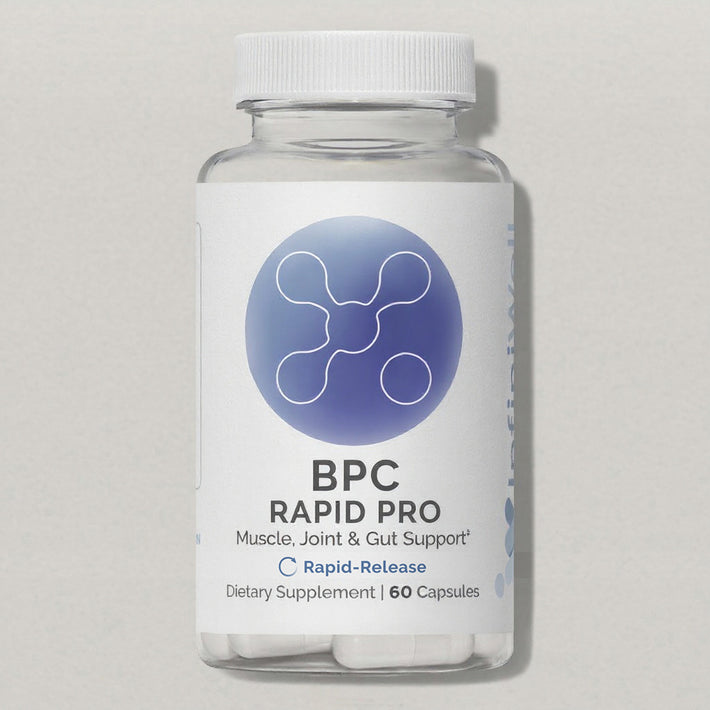
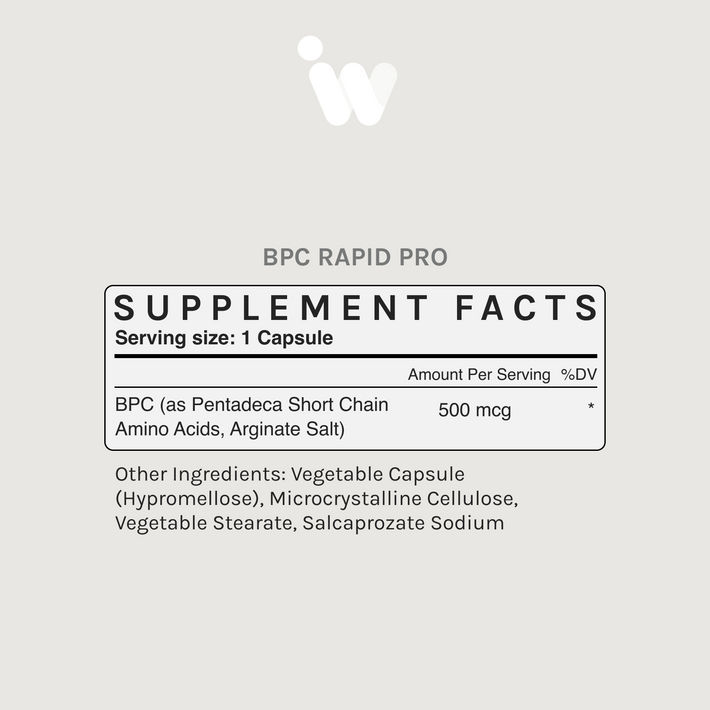
They're not the same molecule, and they're not interchangeable. They're sometimes included in the same formula because they've been studied in different areas of general wellness. InfiniWell's oral BPC + KPV formula includes both peptides in a single dietary supplement.
|
|
KPV |
BPC |
|
What it is |
Tripeptide (lysine, proline, valine) |
A longer peptide sequence |
|
Derived from |
A fragment of alpha-melanocyte-stimulating hormone |
A sequence first identified in a naturally occurring protein |
|
Often studied for |
Immune and skin wellness support |
Soft tissue support and everyday gut comfort |
|
Common formats |
Oral, topical |
Oral and other formats |
How people take KPV
If you decide KPV is worth a try, the next question is usually how people take it. KPV shows up in a few formats. Oral capsules are the most convenient for daily use, and you'll also find topical versions in skincare.
Researchers have studied KPV through multiple routes, including transdermal delivery and injectable forms used in studies, which is part of why it's such a flexible little peptide. Oral is where most people start, and it raises a fair question: can a peptide survive digestion and still do anything useful?
The short answer is that it depends on the peptide and the formulation.
KPV is small, which works in its favor. Laboratory research has explored whether KPV may interact with PepT1, a transporter involved in moving certain small peptides across intestinal cells. However, more research is needed to understand how this process applies to KPV supplements in people.
The route of administration is another important consideration. How a peptide is delivered can influence how much of it is absorbed, which is why the same ingredient may behave differently as a capsule, a cream, or a research injectable.
If you want to know more, here's a closer look at how oral peptides are absorbed.
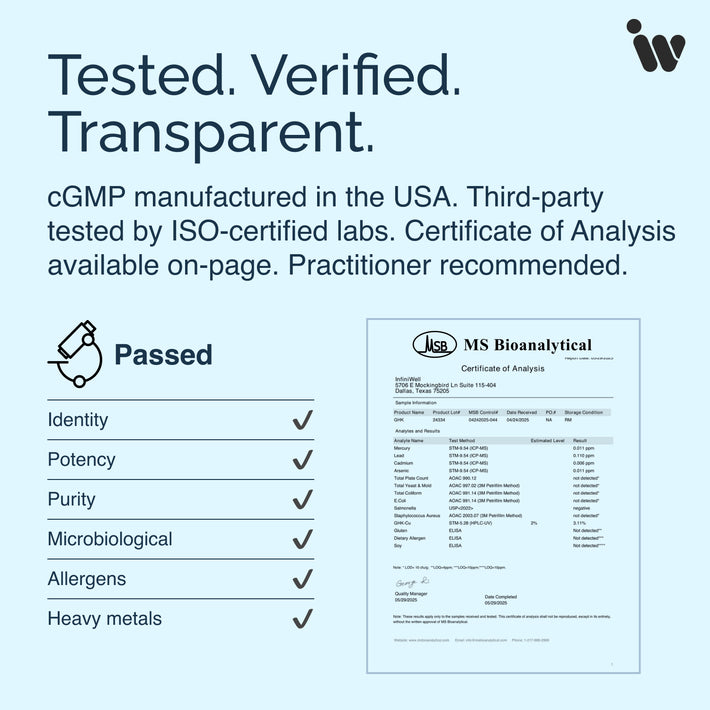
If you're buying KPV as a supplement, follow the directions on the label, stick to the suggested serving for capsules, and pick a product that's third-party tested for quality.
Is KPV safe, and who should be cautious?
Safety is where you want to slow down and think. Available human research on KPV remains limited, so its broader safety profile has not yet been firmly established. KPV is also not a replacement for professional medical care.
A few groups should be extra careful, especially those in the situations below, and talk with a healthcare professional before trying it:
-
People who are pregnant or breastfeeding
-
Anyone managing an ongoing health condition or taking regular medication
-
Anyone under 18
-
People new to peptides who want guidance tailored to them
Anyone considering KPV should follow the product's suggested use and speak with a qualified healthcare professional when appropriate.
For a wider look at this topic, see our peptide safety overview.
Can you take KPV every day?
Many people choose to include oral KPV in their daily wellness routine. As with any dietary supplement, follow the suggested use on the product label. If you have questions about timing or duration, a qualified healthcare professional can help you decide what's appropriate for your individual circumstances.
The bottom line on KPV
So, what is KPV? It's a tiny peptide based on a naturally occurring amino acid sequence, made from just three amino acids, that early research has connected to immune and skin wellness support. It's related to but distinct from BPC. It comes in oral and topical formats, and oral products are commonly formulated for daily use.
The science is still young, so treat KPV as a promising area to watch rather than a sure thing.
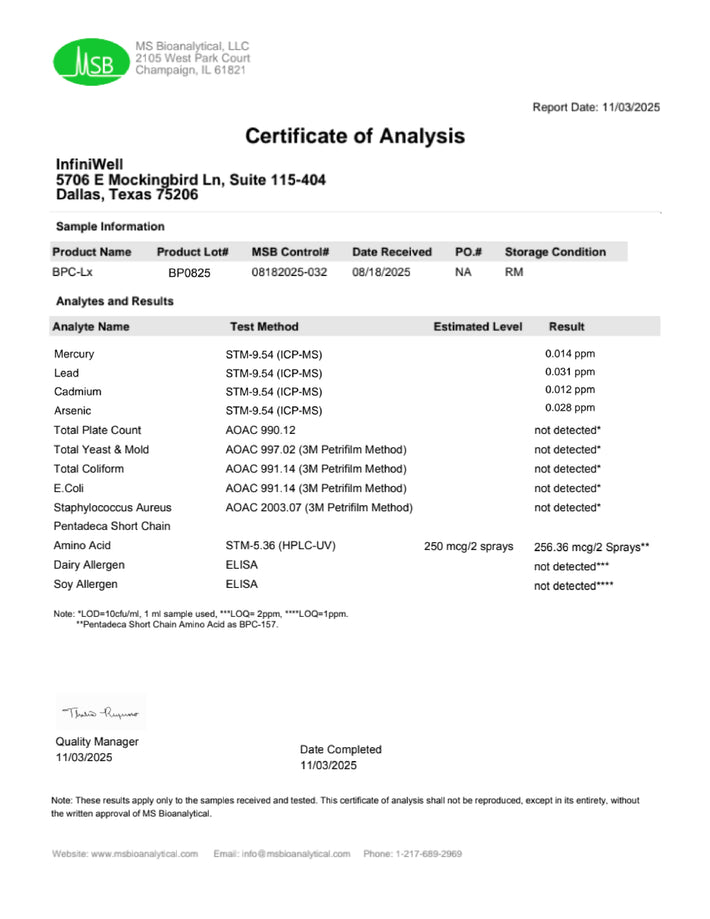
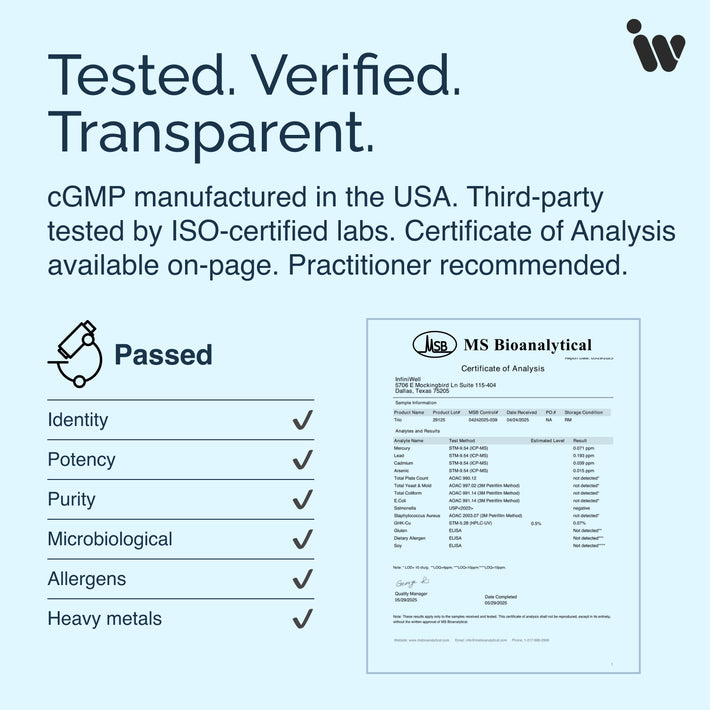
Learn more about InfiniWell's oral BPC + KPV formula, including its ingredients, suggested use, and third-party quality testing.
What is KPV: FAQs
-
SOURCES
Products mentioned in this article

You May Also Like
View All Articles

How to Tell If a Peptide Company Is Legit: What to Check
Not every peptide company provides the same level of transparency. Learn how to verify testing documents, review product labels, and spot warning signs before buying from a new source.

Is InfiniWell Legit? What to Know Before You Buy
InfiniWell combines third-party testing, GMP manufacturing, accessible Certificates of Analysis, and customer feedback to help shoppers evaluate the brand. This guide looks at these quality standards, independent reviews, and other factors to consider before buying an InfiniWell supplement.