





































































































Key takeaways
-
Butyrate is a short-chain fatty acid that gut bacteria make when they ferment certain dietary fibers in your large intestine.
-
Most butyrate is produced naturally inside the gut rather than eaten directly, so getting enough fiber is more important than buying a product just because it contains butyrate.
-
Fiber-rich foods like oats, beans, green bananas, and cooked and cooled potatoes feed the bacteria that produce butyrate.
-
Early research suggests butyrate may play a role in supporting the gut barrier and the broader gut microbiome, but the evidence is still emerging, and results vary from person to person.
-
If butyrate supplements interest you, talk with a qualified healthcare provider about what fits your routine.
Your large intestine is home to trillions of gut microbes that ferment the fibers you eat. One of the main compounds they produce is butyrate.
So, what is butyrate?
It's a short-chain fatty acid made naturally in your gut. Interest in butyrate has grown alongside research into the gut microbiome, as more people look at how everyday food choices support a healthy gut. This guide explains what butyrate is, how your body produces it, and what current research says.
What is butyrate?
Butyrate, also called butyric acid, is one of several short-chain fatty acids (SCFAs). The three most commonly discussed SCFAs are acetate, propionate, and butyrate.
What sets butyrate apart is where it comes from. Rather than being something you consume in large amounts, most butyrate is produced naturally in your gut when beneficial bacteria ferment fiber. It's a normal part of a balanced gut environment, made fresh each day by the microbes living in your large intestine.
How does the body produce butyrate?
When you eat fiber-rich plant foods, some of that fiber passes through your small intestine without being fully broken down by digestive enzymes. Once it reaches the colon, beneficial gut bacteria ferment it, producing butyrate as one of the byproducts.
Two types of fiber do most of this work:
-
Resistant starch, which resists digestion and feeds gut microbes once it reaches the colon
-
Prebiotic and soluble fibers, which are found in many everyday plant foods
Common sources include oats, green bananas, beans, garlic, onions, and whole grains. A diverse gut microbiome also plays a role, since different bacteria produce different amounts of butyrate. That's one reason why eating a wide variety of fiber-rich foods is often encouraged as part of a healthy diet.
Beyond the gut itself, researchers are also exploring how butyrate may be involved in the gut-brain axis, the two-way communication system linking the digestive tract and the brain.
Why is butyrate getting so much attention?
A few things have put butyrate in the spotlight. It's the preferred fuel for the cells lining your colon, meeting up to about 70% of their energy needs, according to the Cleveland Clinic. Because these cells help maintain the gut barrier, butyrate often comes up in discussions about gut barrier function and everyday digestive wellness.
Researchers are also exploring how butyrate fits into the broader relationship between the gut microbiome and whole-body wellness. Some studies focus on the gut barrier, including how butyrate may support the tight junctions that help maintain its structure. Others are investigating how butyrate may interact with immune cells, including regulatory T cells that help support a balanced immune response.
It's worth keeping in mind that much of this research is still emerging, with many studies conducted in animals rather than humans. Results vary from person to person, and scientists are still working to better understand butyrate's potential role in overall health.
Butyrate and the microbiome connection
Butyrate and the gut microbiome are closely linked because the amount your body produces depends largely on the microbes living in your gut. A diverse microbiome with plenty of fiber to ferment generally creates a more favorable environment for butyrate production, which is why diet and microbiome diversity are often discussed together.
Some gut bacteria are associated with a gut environment that supports butyrate production. Akkermansia muciniphila is one example that's attracted growing research interest. If you'd like to explore the topic further:
-
Learn more about Akkermansia muciniphila in our guide to Akkermansia and butyrate.
-
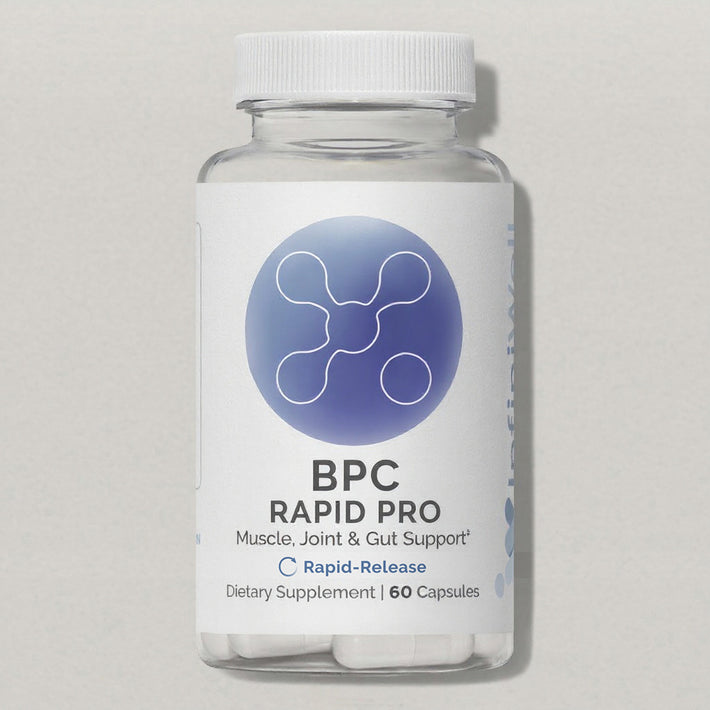
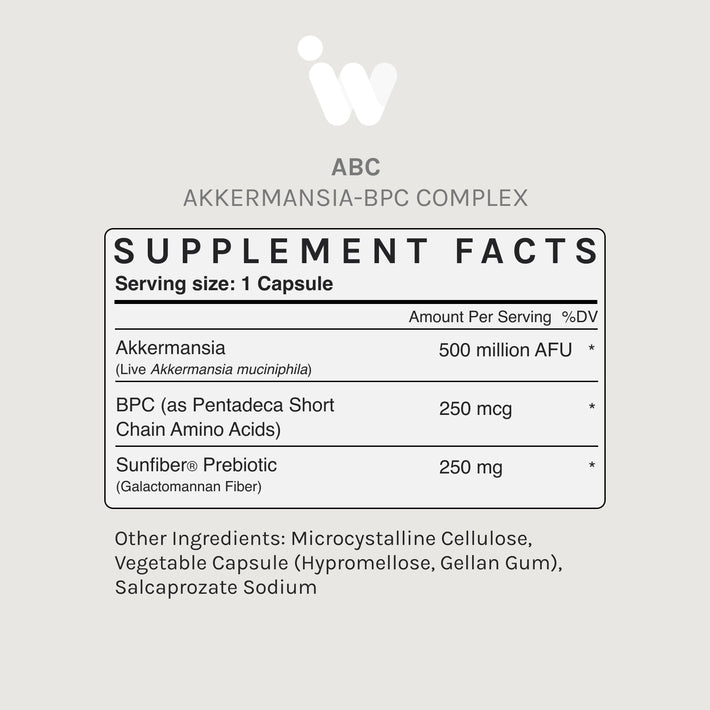
Explore gut-focused supplements such as Akkermansia, GI Prime, and BPC Probiotic in InfiniWell's gut health collection.
-
Read more about gut wellness in our guide to BPC peptides and gut health.
Foods commonly associated with butyrate production
You can't sprinkle butyrate on your toast, but you can eat the fibers that help your gut microbes make more butyrate. To encourage butyrate production, aim for a healthy diet built on high-fiber foods.
General guidelines recommend about 25-38 grams of dietary fiber a day for most adults, though the average American gets only about half that. These fiber-rich foods are good places to start.
|
Food |
Why it helps |
|
Oats |
Supply soluble fiber, including beta-glucan, that beneficial gut bacteria can ferment. |
|
Green bananas |
Contain more resistant starch than fully ripe bananas. |
|
Beans and lentils |
Provide resistant starch along with fermentable fibers that support beneficial gut bacteria. |
|
Garlic and onions |
Provide prebiotic fibers that feed beneficial gut bacteria. |
|
Apples |
Offer soluble fiber such as pectin. |
|
Whole grains |
Provide fermentable fibers found in foods such as barley, rye, and whole wheat. |
|
Cooked and cooled potatoes or rice |
Cooling forms resistant starch that reaches the colon. |
Other everyday sources of dietary fiber include nuts and seeds such as chia, flax, and pumpkin seeds, along with vegetables like asparagus, leeks, and artichokes, and fruits like berries and pears. While these foods contain little butyrate themselves, they provide fermentable fibers that help support natural butyrate production in the gut.
The final takeaway on butyrate
Butyrate is one of several short-chain fatty acids that highlight the close relationship between gut microbes and the foods you eat. Learning where it comes from helps make sense of why fiber, microbiome diversity, and everyday eating habits are such common themes in gut health discussions.
There's no need to focus on a single compound. Consistently eating a variety of fiber-rich foods does more to support your gut over time than chasing any one nutrient.
If you're looking to build on those habits, explore InfiniWell's gut health collection, featuring supplements designed to complement a gut-friendly lifestyle.
What to read next:
-
Gut Check: What Athletes Get Wrong About Digestive Health and "Clean Eating"
-
Forget Just Living Longer—Akkermansia Muciniphila May Support Better Living, Too
What is butyrate: FAQs
-
SOURCES
Products mentioned in this article


You May Also Like
View All Articles

Longevity Supplements: Ingredients to Know for Healthy Aging
Longevity supplements are studied for specific aspects of healthy aging, but none has been shown to extend human life. This guide examines the evidence behind NMN, fisetin, Akkermansia, AC-11, and epicatechin, including what human studies have found and where research remains limited.

Oral KPV: How KPV Capsules Work in the Body
How does oral KPV work? Learn how KPV capsules are thought to be absorbed, what early research suggests about their role in everyday wellness, and why KPV is sometimes paired with BPC.