







































































Key takeaways
-
The peptide BPC-157 is a specific 15-amino acid sequence originally identified in human gastric juice and studied primarily in research settings, which means product naming and labeling vary widely across the supplement market.
-
Interest in BPC-157 peptides for gut support is driven largely by preclinical research and anecdotal reports. Robust human evidence and long-term safety data remain limited.
-
Oral peptide supplements face a real challenge because the digestive process may degrade peptides before absorption, so formulation, delivery design, and real-world variability matter.
-
Treat BPC-157 for gut health as general wellness support rather than a treatment with predictable results, and avoid products that make disease claims or "miracle" promises.
-
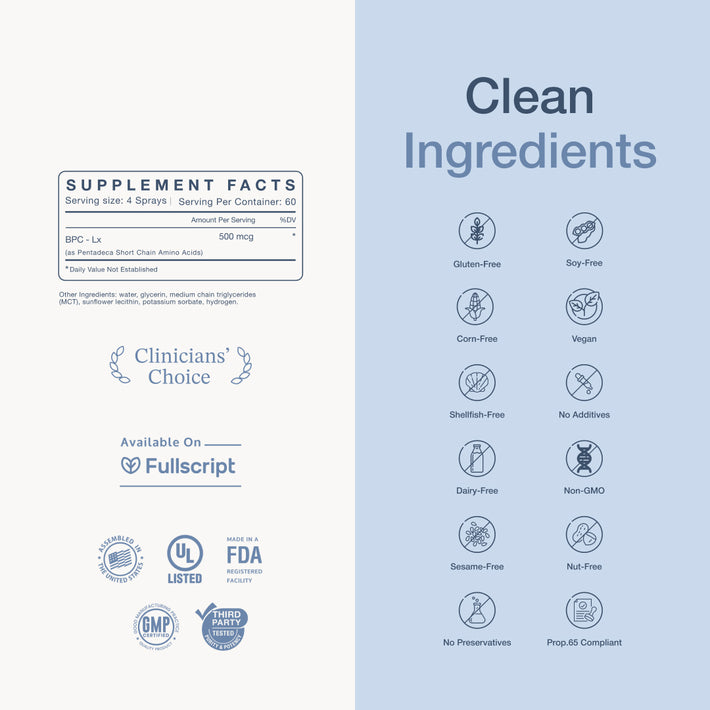
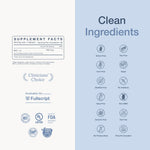
Look for products with clear ingredient labeling, third-party testing for identity and purity, transparent serving information, and marketing that stays within dietary supplement boundaries.
-
If you have ongoing digestive concerns or take medications, consult a qualified healthcare professional before adding BPC-157 to your routine.
You've probably seen BPC-157 discussed in the context of digestive health and overall wellness, and it's easy to get drawn in by bold claims and confusing product labels.
Here's the more grounded reality: the science around BPC-157 for gut health is still emerging. Much of it comes from preclinical research, and not all oral peptide supplements are created equally or labeled consistently.
This article takes a clear look at a common question: Do BPC-157 peptides help with digestion? We’ll walk through what this peptide is, what early research has examined, and how to think about oral supplements responsibly without stretching beyond what current evidence supports.
What are BPC-157 peptides?
BPC-157 is a short chain of 15 amino acids, a pentadecapeptide, originally identified in gastric juice and studied primarily in research settings. The name began as a research classification rather than a consumer supplement identity, which is part of why labeling and product descriptions vary so widely across the market.
A few basics worth knowing
Peptides are smaller than full proteins, and this particular sequence has drawn attention in early research for its behavior in digestive environments. Over time, "BPC-157" has been applied inconsistently across supplements, research compounds, and online discussions, which has created genuine confusion for consumers.
One regulatory point that matters
Dietary supplements referencing BPC-157 are not drugs and are not intended to diagnose, treat, cure, or prevent any disease.
What does research suggest about BPC-157 for gut health?
Early research has explored how BPC-157 behaves in digestive environments, including its stability in gastric conditions and how it behaves in digestive environments. Much of this work comes from laboratory and animal studies rather than large human trials.
Key context to keep in mind:
-
Most findings are preclinical and exploratory
-
Human data and long-term safety research are still limited
-
Mechanistic insights do not automatically translate into real-world outcomes
-
Oral supplements introduce additional variability in formulation, quality, and absorption
The takeaway: If you're exploring BPC-157 for gut health, expectations should stay grounded in general wellness support rather than specific or guaranteed results.
Do oral peptides survive digestion?
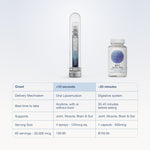
Peptides are protein-like compounds, and your digestive system is designed to break them down. That means oral BPC-157 supplements may be partially degraded before absorption, a real formulation challenge that not all products address equally.
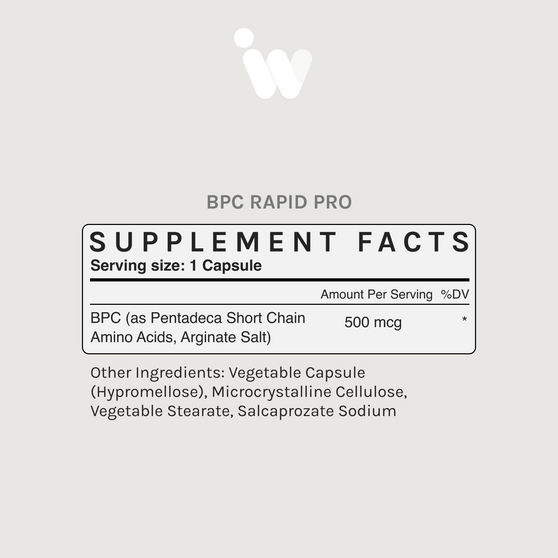
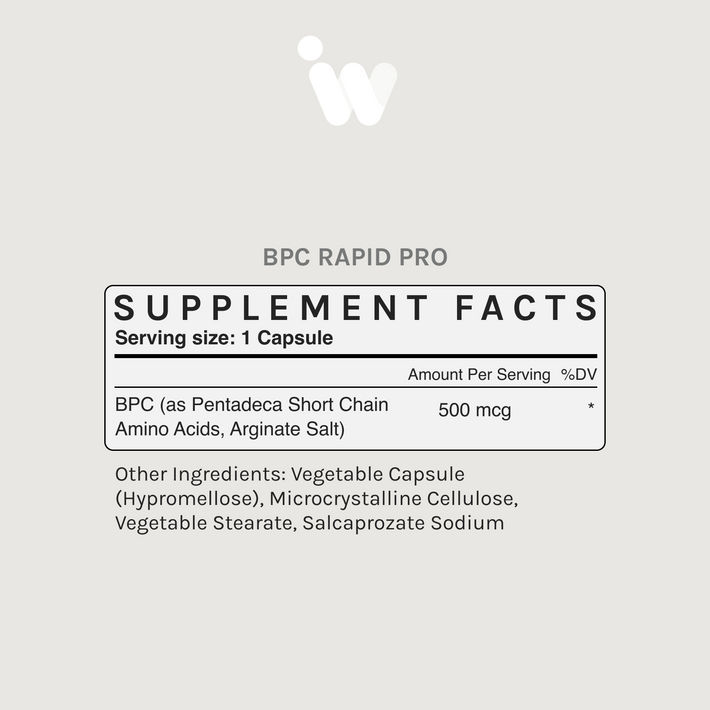
Some products use delivery designs intended to support stability (such as including arginate salt in certain oral products), but quality and testing standards vary significantly across the market. What counts just as much as the ingredient itself is product quality, transparency, and manufacturing standards.
What separates high-quality products from marketing noise
If you're exploring an oral peptide supplement to support gut health, a few quality markers are worth prioritizing:
-
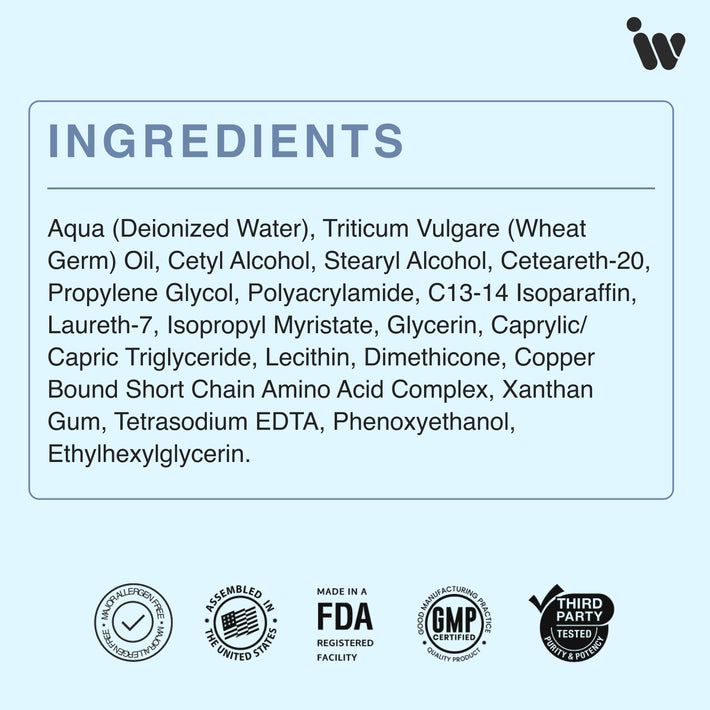
Clear, accurate ingredient labeling (no vague proprietary wording that makes it hard to know what you're taking)
-
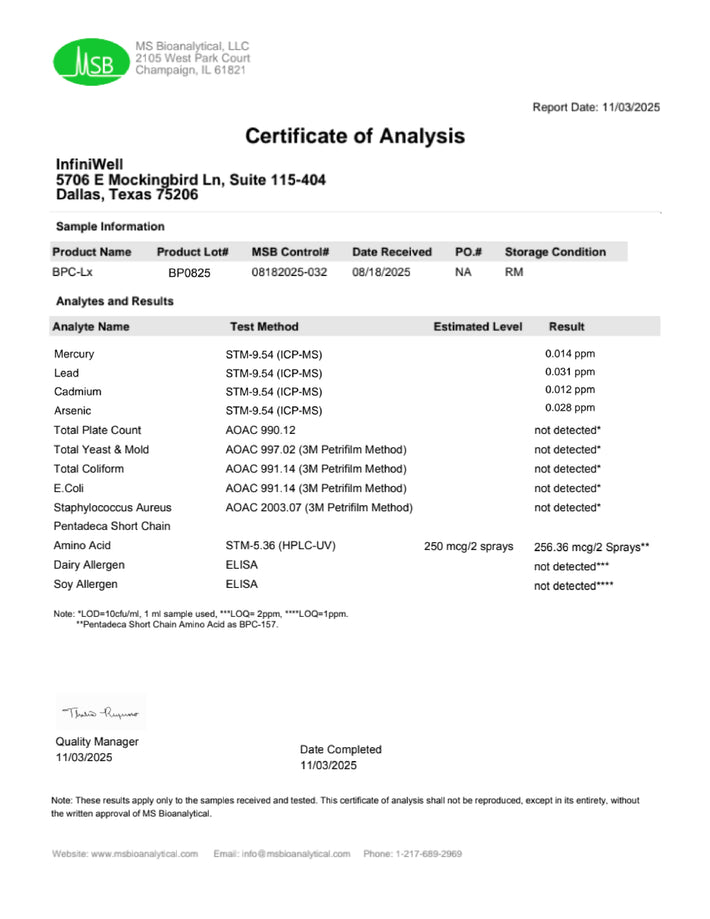
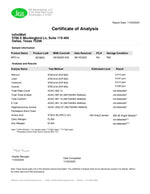
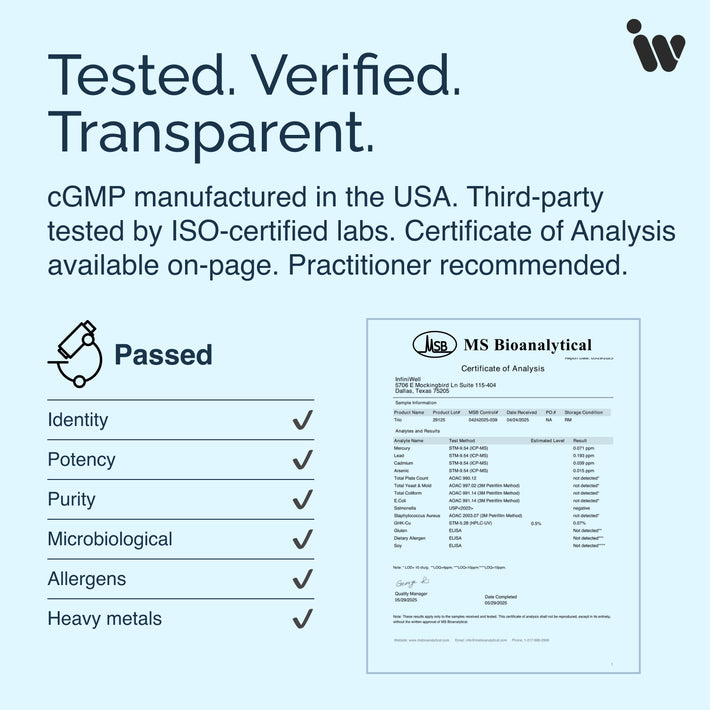
Third-party testing and verification for identity, purity, and quality
-
Transparent serving information
-
Responsible marketing language that stays within general wellness framing and avoids medical promises
Any product making disease claims or promising guaranteed outcomes is worth approaching with skepticism.
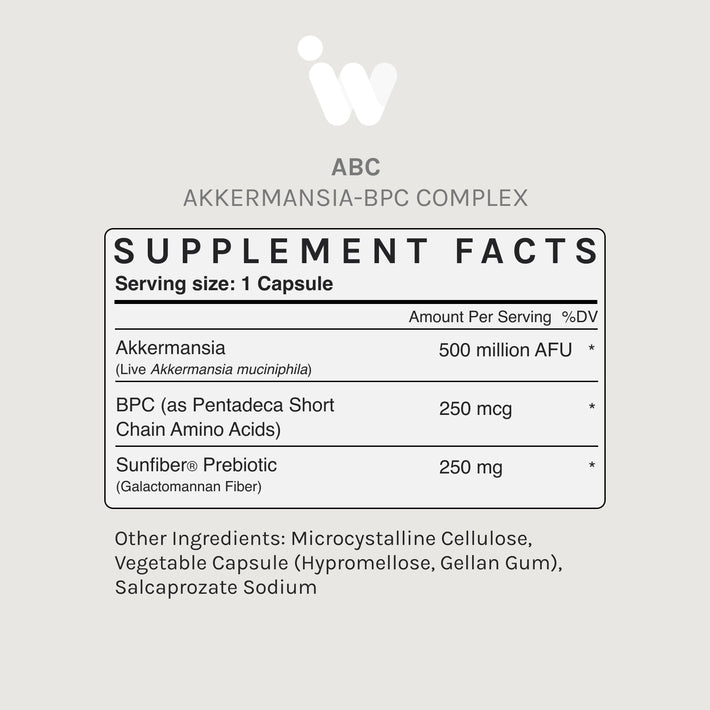
Introducing pentadeca short-chain amino acids
The underlying problem is that “BPC-157” started as a research classification and has been used inconsistently across supplements, research compounds, and other contexts. That inconsistency creates real confusion for consumers trying to make informed purchasing decisions.
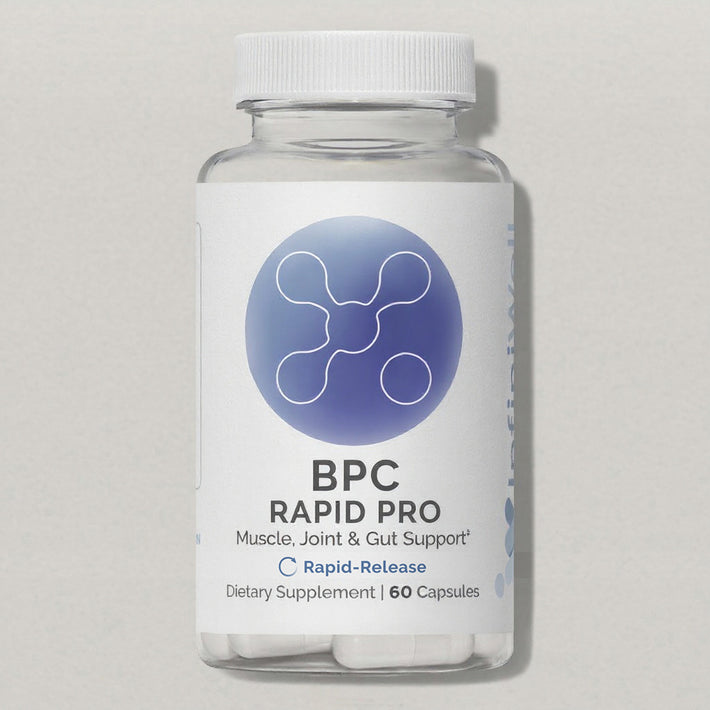
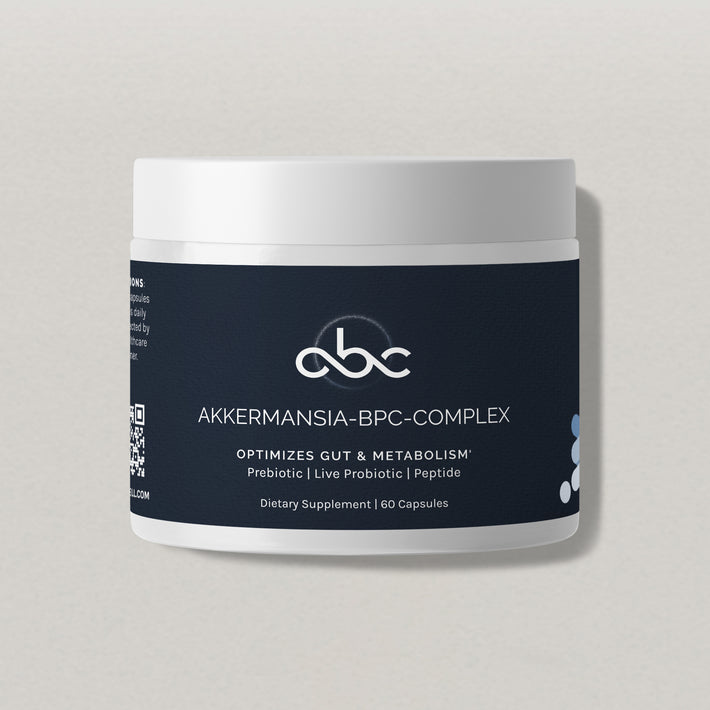
At InfiniWell, we chose a more precise, descriptive term: pentadeca short-chain amino acids.
-
"Pentadeca" = 15, referring to the defining 15-amino-acid sequence
-
"Short-chain amino acids" describes the structural nature of the molecule in plain language
This naming also reinforces the correct category expectations. Our products are dietary supplements, not injectables, prescription compounds, or gray-market research chemicals.
The goal is to set a cleaner, more responsible standard for how this category is communicated so you can make confident, informed choices.
Check out our research-backed line of amino acid-based gut health products here.
Final takeaway: Can BPC-157 support digestive wellness?
BPC-157 is a widely discussed ingredient with an active but still early research profile. If you're exploring it for general digestive wellness support, approach it with realistic expectations.
Prioritize transparent products, and if you have ongoing digestive concerns or take medications, consult your healthcare provider before adding BPC-157 to your routine.
What to read next:
-
How to Choose the Right BPC-157 Peptide: Everything You Need to Know
-
When's the Best Time to Take BPC-157? Timing, Amount, and Usage Tips
BPC-157 peptides: FAQs
-
SOURCES
You May Also Like
View All Articles

BPC 157-Peptide Delivery Explained: How Different Formats Work in the ...
Peptide delivery determines how much of a compound stays intact as it moves through the body, making format and formulation just as important as the ingredient itself. Learn how oral, sublingual, and injectable BPC-157 options differ—and what to look for in a responsible, well-labeled supplement.

What Is Butyrate? The Short-Chain Fatty Acid Explained
What is butyrate, and why is it important for gut health? Learn how your gut bacteria produce this short-chain fatty acid from fiber, what researchers are discovering about its role in the gut, and which foods can support natural butyrate production.