







































































































Key takeaways
-
Lifestyle patterns are still a leading cause of cardiovascular risk, and daily habits drive most of the long-term picture.
-
Risk factors are showing up across more population groups and age ranges, not only older adults.
-
A healthy diet built on whole foods, plus daily movement and steady sleep, does the heavy lifting for long-term cardiovascular wellness.
-
Supplements can play a supporting role, not a foundational one.
-
Research on heart health supplements and cardiovascular nutrients is still developing, and individual responses vary.
Nearly half of U.S. adults, roughly 47.3%, now have high blood pressure, according to the American Heart Association's 2026 Heart Disease and Stroke Statistics Update, and the gap between what we know about heart health and how we live each day remains.
Cardiovascular risk statistics in 2026 reflect a longer story about modern routines, food access, and stress patterns. This piece walks through the latest numbers, the lifestyle shifts driving them, and where heart health supplements fit into the picture.
Cardiovascular health statistics in 2026
The most recent federal survey data available, published by the CDC's National Center for Health Statistics in September 2025, found that nearly two-thirds of U.S. adults had at least one cardiovascular risk factor, including elevated blood pressure, imbalanced blood lipids, higher blood glucose levels, or a higher body mass index (BMI). Close to 29% have two or more of these markers, a share that has been rising since 2013.
The AHA's 2026 Heart Disease and Stroke Statistics Update breaks the numbers out further:
-
Elevated blood pressure alone affects 125.9 million U.S. adults, up from 122.4 million in the prior reporting period.
-
Nearly 29.5 million adults show elevated blood glucose markers, and fewer than half of those being monitored report their levels within the typical range.
-
High BMI rates among adults have edged down slightly, from 51.1% to about 50%, while the trend among children and adolescents ages 2-19 has moved in the opposite direction, rising from 25.4% to 28.1%.
Globally, cardiovascular health trends remain a major concern, with an estimated 17.9 million lives affected each year. An unhealthy diet, physical inactivity, tobacco use, and harmful alcohol use rank as the most significant behavioral drivers.
The WHO's cardiovascular fact sheet notes that most long-term outcomes are influenced by daily habits and environmental factors. Awareness keeps climbing, but day-to-day behavior change has not kept pace.
What's driving cardiovascular risk today
The patterns behind these numbers haven't shifted much. They've just become more common in daily routines.
Sedentary routines and daily movement gaps
Long stretches at a desk, more hours behind a wheel, and fewer steps in a typical day add up. Research tracked by the National Heart, Lung, and Blood Institute links low daily movement with elevated cardiovascular risk markers across age groups.
Dietary patterns and nutrient intake trends
Modern eating habits lean heavy on processed foods, saturated fat, and added sugar, while fiber intake and oily fish consumption fall short for most adults. These nutrient gaps show up across most adult age groups and shape long-term cardiovascular risk.
Sleep, stress, and modern routines
Short or fragmented sleep and steady stress affect blood pressure regulation and circulatory system function. Both have become more common over the last decade, especially among working-age adults.
Shifting patterns in younger adults
What used to be considered an older-adult concern is showing up earlier. More than half of U.S. young adults show elevated LDL cholesterol levels, yet they're much less likely than older adults to be aware of those levels or receive recommended follow-up care.
A report from the American College of Cardiology found that among adults aged 18-39 with very high LDL levels, fewer than half had begun follow-up support within five years of their first elevated reading.
On the blood pressure side, the AHA notes that elevated blood pressure in childhood is on the rise, affecting roughly one in 25 U.S. youth, and that early elevated blood pressure is linked to long-term cardiovascular patterns.
These trends point to lifestyle and routine as key drivers, not age alone.
Where supplements enter the conversation
Let's be clear: heart health supplements play a supportive role. They sit alongside the basics like food, movement, and sleep—never above them. They're not a substitute for medical care, and they're not a fix on their own.
Most people turn to dietary supplements when they want extra support for nutrient gaps in their diet or want to round out a routine that already includes daily movement, steady sleep, and balanced meals. The key is realistic expectations and consistency, not a single capsule doing all the work.
Before adding a new supplement, check in with a qualified healthcare professional, especially if you're already taking medications or managing other health priorities. They can help you figure out what fits your individual needs.
Supplements for heart health: What the research focuses on
Several categories of ingredients have become regulars in cardiovascular wellness research.
Omega fatty acids and dietary gaps
Omega-3 fatty acids from fish oil and oily fish are among the most studied nutrients for heart and circulatory wellness. Yet most adults fall well short of recommended intake from food alone.
Data from the National Health and Nutrition Examination Survey (NHANES) shows 90% of Americans below the recommended 250 mg of DHA (docosahexaenoic acid) and EPA (eicosapentaenoic acid) per day, with gaps observed across all age groups, genders, and racial and ethnic backgrounds.
That shortfall, documented across multiple NHANES analyses, is a key reason omega supplements have become a common addition to cardiovascular wellness routines.
Magnesium and everyday wellness support
Magnesium has been studied for its potential role in supporting cardiovascular wellness. According to the National Institutes of Health Office of Dietary Supplements, magnesium supports the active transport of calcium and potassium ions across cell membranes, a process tied to nerve impulse conduction, muscle contraction, and normal heart rhythm.
More research is still needed to understand its effects on cardiovascular wellness.
Plant compounds and antioxidant-related research
Plant-based compounds like flavonoids and polyphenols are studied for their potential antioxidant activity and possible cardiovascular benefits, though definitive data are still lacking. Results vary based on the type of compound, the amount consumed, and the population studied.
A review published in PMC notes that while flavonoids show promising effects in early research, multiple signaling pathways are involved, and more human data are needed before precise dietary or supplement recommendations can be made.
Combination formulas vs. single ingredients
Supplement use among adults in cardiovascular-focused populations is common.
In a population-based NHANES analysis published in the Journal of the American Heart Association, about 73% of U.S. adults in this group reported taking at least one dietary supplement
This pattern reflects broader trends in supplement use across the general population, where many people include supplements as part of their daily routines.
Some supplement formulas combine multiple ingredients in a single product, while others focus on one ingredient at a time. Combination products can offer convenience, while single-ingredient options give more control over what you're taking—something to consider when building a routine.
Building a heart health routine that makes sense
A sustainable cardiovascular wellness routine looks less like a strict plan and more like layered habits. Food, movement, and sleep form the foundation. Supplements are an add-on, not a replacement.
A practical day might include 30 minutes of movement, a diet rich in fiber, leafy greens, and oily fish, 7-8 hours of sleep, and a quality supplement like Cardio Prime+ or Control for everyday metabolic balance. For longevity-minded routines, NMN is another option to explore.
If you're adding a supplement to your routine, quality and transparency matter more than chasing trending ingredients. A few markers separate the ones worth trying from the noise:
-
Label transparency: Every active ingredient and amount should be listed clearly, with no proprietary blends hiding key amounts.
-
Ingredient relevance: The formula should match the goal, not just what's popular right now.
-
Third-party testing: Independent verification confirms what's on the label is in the bottle.
-
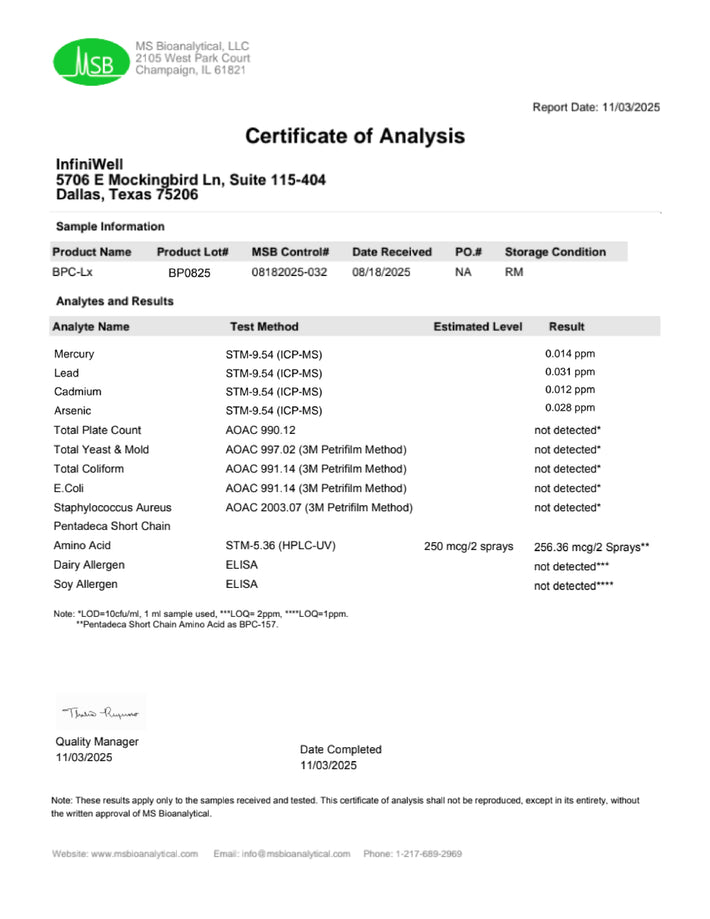
Manufacturing standards: Look for Good Manufacturing Practices (GMP)-certified facilities and a published Certificate of Analysis document.
-
Realistic expectations: A solid supplement for heart health supports a routine. It doesn't replace one.
Browse the full Cardio Metabolic collection from InfiniWell.
Final takeaway: The role of supplements in context
Cardiovascular risk statistics highlight a broader picture: long-term health is shaped more by everyday habits than by any single product. Nutrition, movement, sleep, and consistency tend to have the biggest impact over time, and supplements work best as support alongside those foundations.
Explore InfiniWell's healthy aging and longevity formulas: https://infiniwell.com/collections/aging-and-longevity-support
Cardiovascular risk statistics: FAQs
-
SOURCES
Products mentioned in this article


You May Also Like
View All Articles

Should I Use Glycine for Sleep: Benefits, Amounts, and Best Sources
Can glycine support a better nighttime routine? Explore what early research says about glycine and sleep, the serving amounts studied, food sources, and what to consider before adding a supplement.

NMN and TMG: Why Are They Often Taken Together?
NMN and TMG are frequently paired together to support cellular energy and methylation, but is the combination necessary? Discover the science behind how these two popular supplements interact in your body and what to consider before adding them to your wellness routine.