













































































Key takeaways
-
KPV has no official best hour, so the goal is a time you can stick with every day rather than a perfect window.
-
It is commonly taken on an empty stomach, which is a common supplement practice rather than a research-proven rule, so follow your product's label.
-
Human clinical research on KPV is still limited, so its effects in people are not yet well-established. Speak with a qualified healthcare professional if you have questions.
-
KPV is not studied as a sleep aid, so evening use is fine for consistency, but do not expect it to help you sleep.
-
KPV can be paired with BPC, and taking them together in one daily serving can help keep your routine simple.
You bought a quality supplement, you take it whenever you remember, and a few weeks later, you're not sure it did anything. If this sounds like you, it may be worth taking a closer look at your timing.
With small peptides like KPV, building a consistent routine is generally considered more important than finding a perfect time of day. Here's a look at when to take KPV, how much people typically use, and the simple habits that help it fit your day.
What is KPV?
KPV is a small peptide made of three amino acids: lysine, proline, and valine. It occurs as the tail end of a larger naturally occurring signaling molecule called alpha-melanocyte-stimulating hormone, often shortened to α-MSH, which is part of the body's melanocortin system, a network involved in processes such as immune function, skin pigmentation, and energy balance.
Early laboratory and animal research has explored how KPV interacts with cells throughout the digestive tract and with melanocortin receptors found on many cell types. Researchers have also examined its potential role in supporting gut health and normal immune system function.
Because most of this evidence comes from cell and animal studies and human clinical research remains limited, conclusions about its effects in people remain preliminary.
When to take KPV: Timing basics
There is no official schedule for KPV. Instead, most guidance comes from early research and common supplement practices. The three questions people ask most are what time to take it, whether to take it with food, and how consistent you need to be.
Morning or night?
Many people take it in the morning as part of a daily routine, while others prefer the evening. The key is choosing a time you can stick with. With KPV, consistency is generally considered more important than a specific hour of the day.
With or without food
KPV is often taken on an empty stomach, although this recommendation comes from common supplement practice rather than studies comparing fed and fasted use. While early research has shown that KPV can be transported into intestinal cells, it has not established that taking it on an empty stomach affects absorption or how well it works.
If your product label recommends taking it with food or at a particular time, follow those instructions.
Consistency over the perfect time
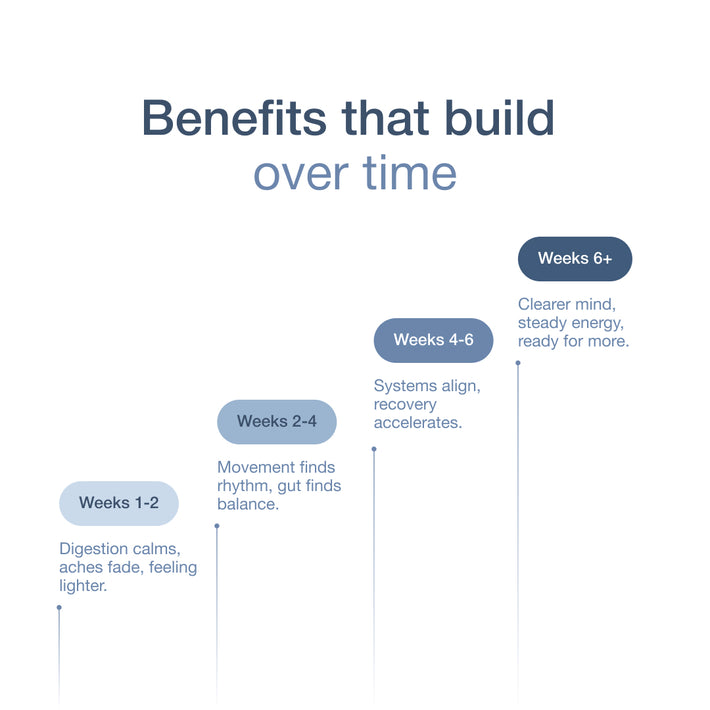
Small peptides like KPV are generally thought to clear from the body relatively quickly, so building a steady daily habit is usually more important than chasing an ideal hour. Taking KPV at about the same time each day, for several weeks, also gives you a fairer sense of how it fits into your routine.
Does KPV help with sleep?
KPV is not studied as a sleep aid, and there is no research showing it helps you fall asleep or stay asleep. If better rest is your goal, choose your KPV timing based on what fits your daily routine rather than your sleep schedule.
If you're looking for support specifically for sleep, InfiniWell also offers formulas designed with sleep and mood support in mind.
How much KPV to take
KPV is measured in micrograms, and the appropriate serving depends on the product and format you choose. Because human serving guidelines have not been established, the best approach is to follow the suggested serving on your product's label and speak with a qualified healthcare professional before adding KPV to your routine.
Human clinical research on KPV remains limited, so more research is needed to better understand its use in people. If you experience any unexpected reactions while taking a supplement, stop using it and consult a qualified healthcare professional.
Here's everything we've covered so far, condensed into a quick-reference table:
|
Question |
Quick answer |
|
Best time of day |
No set hour; pick one you'll stick with. |
|
With or without food |
Often on an empty stomach; follow the product label. |
|
How often |
Once daily is common, at about the same time each day. |
|
How much |
Follow the product's suggested serving. |
|
What counts most |
Consistency, rather than the exact hour. |
The best way to take KPV
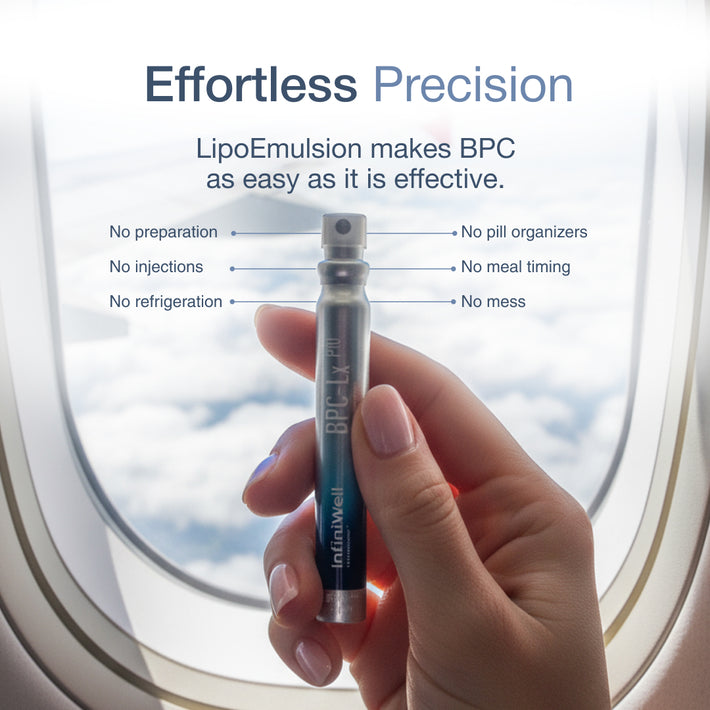
KPV comes in a few different formats. In research, it has been studied in oral, topical, and injectable forms. For everyday supplement use, the most practical options are:
-
Oral KPV: The most common format for everyday supplementation and gut wellness support.
-
Topical KPV: Available in creams and gels for localized application.
If you're new to peptides, an oral format is often the easiest way to build a consistent daily habit. Consistency is generally more important than choosing a specific time of day or format.
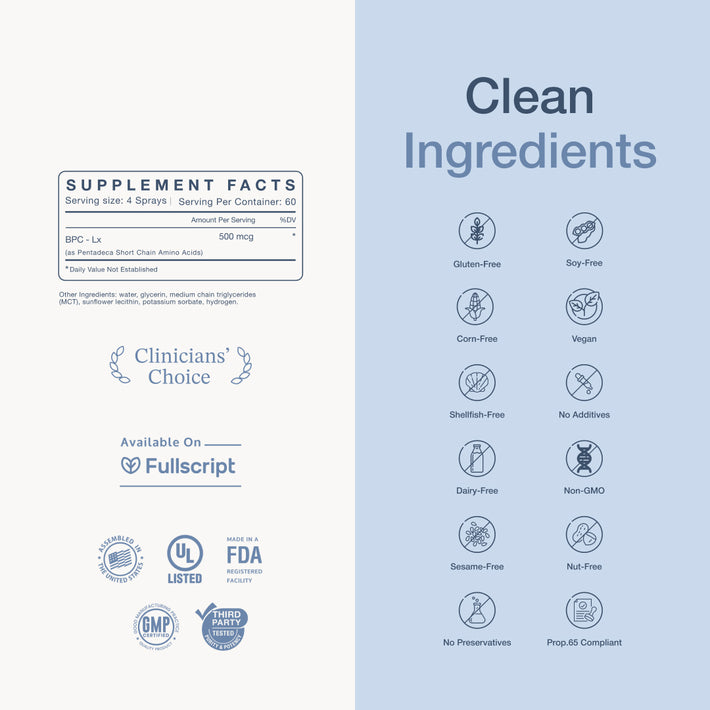
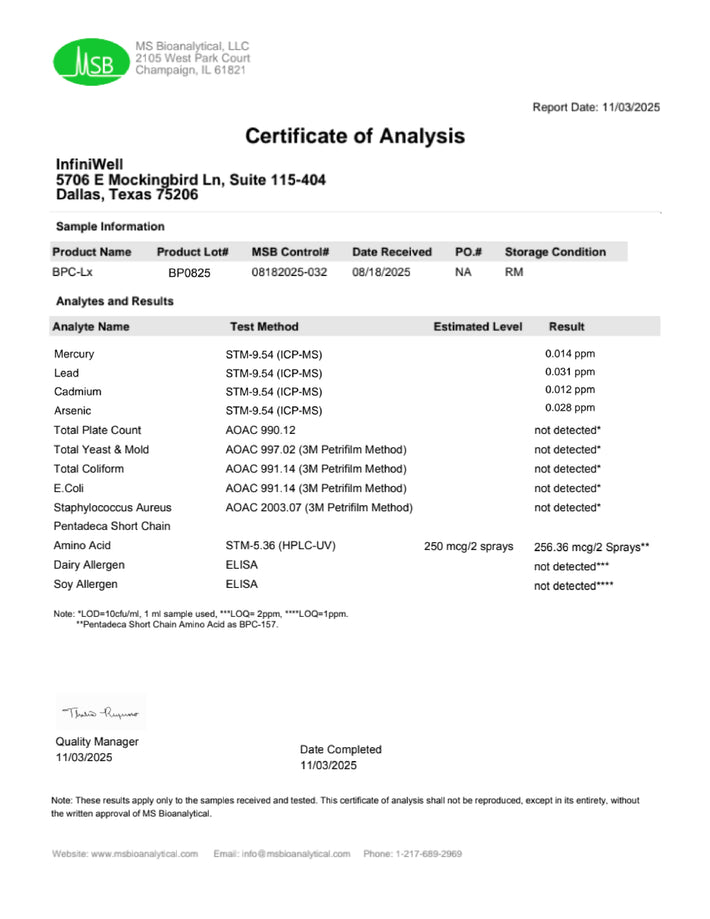
To learn more, see how oral peptides are absorbed and how different peptide formats work in the body. When choosing a supplement, look for brands that clearly label their products and provide third-party testing.
Taking KPV with BPC
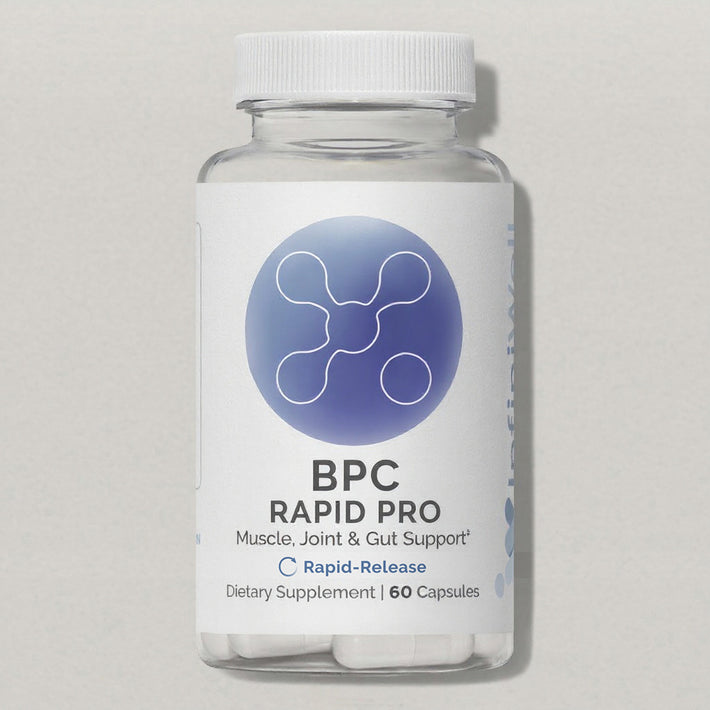
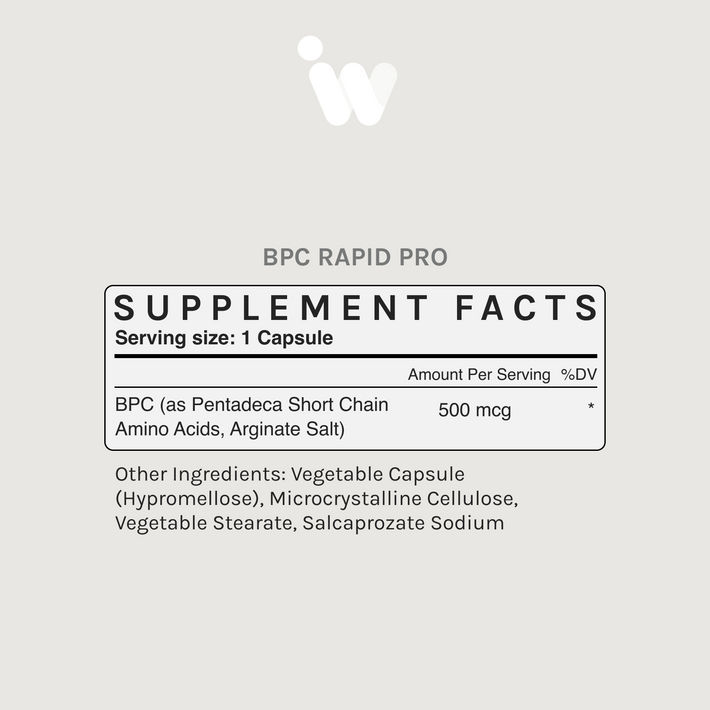
KPV is often paired with BPC, another peptide explored in early research for gut health and overall wellness. BPC, which you may also see written as BPC-157 in research literature, is commonly used alongside KPV as part of the same routine. InfiniWell's BPC + KPV combines both peptides in a single oral capsule, making it easy to stick to one daily serving.
If you already take a BPC formula, pairing it with KPV can help simplify your routine. To learn more about BPC timing, read our guide on when to take BPC. If you're not sure which option is right for you, our BPC formula quiz can help you compare the available formulas.
Building a simple KPV routine
A good KPV routine does not have to be complicated. A few simple habits can make it easier to stay consistent:
-
Pick a fixed time and pair it with something you already do, such as drinking your first glass of water in the morning.
-
Take it on an empty stomach unless your product label says otherwise.
-
Follow the suggested serving on your product label, and speak with a qualified healthcare professional before adding KPV to your routine.
-
Give it several weeks of consistent use before deciding how well it fits your routine.
When to take KPV: FAQs
-
SOURCES
Products mentioned in this article

You May Also Like
View All Articles

Longevity Supplements: Ingredients to Know for Healthy Aging
Longevity supplements are studied for specific aspects of healthy aging, but none has been shown to extend human life. This guide examines the evidence behind NMN, fisetin, Akkermansia, AC-11, and epicatechin, including what human studies have found and where research remains limited.

How to Tell If a Peptide Company Is Legit: What to Check
Not every peptide company provides the same level of transparency. Learn how to verify testing documents, review product labels, and spot warning signs before buying from a new source.