








































Key takeaways
-
Older men naturally experience changes in strength, stamina, and hormone patterns as the aging process continues, and the right habits make a noticeable difference in day-to-day energy, especially since the body burns calories differently than it used to.
-
Prioritize strength and power training 2–3 times weekly, including weight-bearing exercises, and walk briskly most days to stay strong, mobile, and energized.
-
Regular exercise matters. If your body allows and your doctor approves, aim for 6,000–8,000 daily steps and add two short, appropriately intense interval sessions weekly to support heart health and stamina.
-
Build meals around protein, fiber-rich plants, and healthy fats, and front-load protein earlier in the day to steady energy and weight.
-
Stay on top of preventive care with annual checkups, age-appropriate vaccines, and tailored screenings for vision, hearing, dental health, and vital organ function.
-
Protect sleep and mental health with a consistent wind-down routine, stress management, and purposeful social connection. Staying mentally active through learning, hobbies, and social interaction also supports well-being.
-
Discuss sexual health, prostate changes, and possible testosterone testing with a clinician to personalize decisions.
Life at 60 for a man can be purposeful and energizing when you support your body's natural changes with smart habits.
As the years progress, you'll notice shifts in muscle, hormones, sleep, and stamina, and that's perfectly normal. But with a clear plan for daily activity, nutrition, regular screenings, and social connection, men over 60 can feel steady in mind and body—and keep doing what matters most to you.
In this guide, you'll find age-related health tips designed to help you move confidently through your golden years, stay strong, and maintain a lifestyle that supports long-term well-being.
What changes at 60?
Several things, but nothing unexpected. Typical male body changes at 60 include:
Hormones and body composition changes
What changes: The amount of testosterone and related hormones your body makes may gradually decline, which can lead to less muscle mass, a bit more midsection fat, and shifts in libido.
What to focus on: Your muscle fibers are still capable. They just need more targeted effort to stay strong.
Practical tips:
-
Prioritize consistent resistance training and adequate protein at each meal to help preserve lean mass.
-
Protect sleep and manage stress. Both have meaningful effects on hormone patterns at this age.
-
Keep alcohol moderate, as it can influence energy, sleep, and body composition.
Joint and bone health changes
What changes: Your bones naturally feel different with age, and joints may feel stiffer or less forgiving than before.
What to focus on: Build strength and stability through regular loading and movement that keeps your range comfortable and controlled.
Practical tips:
-
Include weight-bearing and resistance exercises, plus simple balance work, to support steady everyday movement.
-
Add full-range strength exercises, brief daily stretching, and regular walks to stay nimble.
-
If something feels off, adjust the range, lighten the load, or shift the angle. Consistency matters more than intensity.
Heart health and metabolism changes
What changes: Resting heart rate, blood pressure patterns, and how your body handles carbohydrates can shift over time.
What to focus on: Support your cardiovascular system with regular activity and steady blood sugar patterns through balanced meals.
Practical tips:
-
Brisk walking, cycling, swimming, or hiking help strengthen your heart and maintain day-long energy.
-
Add short, faster intervals once or twice weekly for an extra boost.
-
Choose smaller meals built around protein, fiber, and healthy fats to keep your energy stable and support comfortable weight.
Vision, hearing, and skin changes
What changes: Reading distance, night vision, and hearing in noisy environments often shift in your 60s. Skin tends to get drier and thinner with time.
What to focus on: Keep up with regular eye and hearing exams, and make daily skin care part of your routine.
Practical tips:
-
Schedule yearly eye exams and hearing checks as needed to stay safe and confident.
-
Use daily SPF, moisturize regularly, and wear a wide-brimmed hat for extra protection if you need to be out in the sun.
-
Hydrate well to support your skin’s comfort.
Essential screenings and preventive care
Think of preventive care as a dashboard: quick, routine check-ins that help you course-correct early. Regular checkups give your healthcare provider a clear picture of your general health, and your schedule can be adjusted to what you need.
Annual checks and vaccines
Yearly visits can cover blood pressure, heart rate, lab work, weight trends, skin checks, and personalized discussions about your general health. Ask about age-appropriate vaccines and boosters, especially if you take certain medications that may affect immunity.
Age-related screenings
Discuss age- and history-based screening options with your healthcare provider. Together, you can review benefits, timing, and personal preferences. If you have a family history of major health concerns, mention it—this can influence the plan.
Dental, eye, and hearing care
Semiannual dental cleanings and yearly exams help you chew comfortably, speak clearly, and smile with confidence. Get your eyes checked every 1–2 years (or as advised) to stay ahead of reading and night-driving challenges. If conversations in restaurants are becoming harder to follow, consider a hearing assessment.
Sleep and mental health screening
Poor sleep and low mood don’t have to be dismissed as “just aging.” Share any changes in sleep quality, energy, or motivation with your healthcare provider. Many practical, non-pharmaceutical strategies can help, such as a more consistent bedtime routine, daytime outdoor time, and simple relaxation exercises.
Short questionnaires can also flag early concerns so you can adjust routines, light exposure, and daily structure.
Fitness and mobility plan for men at 60+
You need the strength to handle tougher tasks and the mobility to move comfortably through your day, carrying groceries, climbing stairs, traveling, and spending time with loved ones. The aim is training that supports real-life demands.
Always check with your doctor first if you're new to exercise or managing health concerns.
Strength and power training
Aim for 2–3 sessions per week covering push, pull, hinge, squat, and carry patterns. These movements support a healthy weight and help counter the extra strain that can come when metabolism slows with age.
Include a little power, such as controlled medicine ball throws, light kettlebell swings, or quick sit-to-stand drills. Keep reps crisp, not sloppy.
Use loads that you can move with clean form. Progress happens when you feel challenged but not wiped out.
Cardio for heart health and longevity
Get 150–300 minutes of moderate activity weekly or 75–150 minutes if you prefer a faster pace. Mix in two short interval sessions for extra benefit. This level of regular physical activity supports circulation, stamina, and cognitive health.
A realistic step goal for a 60-year-old man: 6,000–8,000 most days. More is fine if you feel good and recover well. If you’re trying to lose extra weight or avoid continuing to gain weight, daily steps help keep calorie balance steady, especially as the body burns fewer calories over time.
Flexibility, balance, and fall prevention
Spend 5–10 minutes most days on ankle, hip, and thoracic spine mobility. Add single-leg balance (stand near support), heel-to-toe walks, and light agility drills. Tai chi or yoga can be excellent options, and both support brain function as well as physical coordination.
Learning new skills—even simple physical ones—also plays a key role in keeping both body and mind engaged.
Nutrition for energy, weight, and blood sugar
Food in your 60s should be simple, satisfying, and steadying. You're fueling strength, focus, cognitive health, and stable energy. A heart-healthy diet becomes even more important in this decade.
Protein and muscle preservation
Target a protein source at each meal to support muscle maintenance: eggs, poultry, fish, lean meats, beans, tofu, or Greek yogurt.
Many men do well with a palm-and-a-half of protein per meal, adjusted to appetite and activity. Adequate protein also helps maintain a healthy weight as metabolism shifts.
Fiber, healthy fats, and micronutrients
Build plates around vegetables, fruit, legumes, and intact grains for fiber. These foods help you feel full, support digestion, and help prevent taking in too many calories at meals.
Include healthy fats like olive oil, nuts, seeds, and avocado for steady energy and satisfaction.
Key nutrients for men over 60 often include vitamin D, calcium, magnesium, and B vitamins. Check your current eating pattern and consider gaps.
Smart weight management
Use a simple plate guide: half colorful produce, a quarter protein, a quarter smart carbs (beans, quinoa, potatoes, whole grains), plus a thumb of healthy fats.
Front-load protein and fiber earlier in the day to curb late-night grazing. Keep an eye on liquid calories and alcohol. They add up fast and can disrupt sleep and unintentionally lead to weight gain.
Sexual health, prostate, and hormones
Sexual health, prostate changes, and hormone shifts are expected in your 60s and beyond. They're a natural part of normal aging, and you can stay sexually active and in good health with the right habits and guidance.
Erectile function
Sexual function reflects overall circulation, sleep, stress, and relationship dynamics. If firmness or staying power isn’t what it used to be, you’re not broken. Your body may simply need the basics tuned up, like movement, sleep, food, and stress.
Other factors, including changes in hormone levels, can also influence how things feel.
Regular cardio, strength training, and high-quality sleep are foundational. Limiting alcohol can also help. Talk with a qualified professional if concerns persist. There are multiple avenues you can explore together.
Prostate health discussions
The prostate naturally changes with age. If you notice new urinary patterns, such as going more often or feeling like it’s harder to empty your bladder fully, mention it at your next visit.
Talk with your clinician about prostate wellness as you age and whether any age-related evaluations are appropriate. Shared decision-making matters here.
Testosterone: When to test and treat
Some men experience gradual changes in energy, libido, or muscle mass as they age due to declining testosterone levels.
Unlike female menopause, which happens relatively quickly and affects all women, this male hormonal decline is slow and gradual, typically decreasing about 1% per year after age 30-40. Not all men experience noticeable symptoms from this decline, and unlike menopause, men can still maintain reproductive capability even with lower testosterone levels.
Consider testing if you notice a cluster of symptoms such as lower morning energy, reduced libido, or decreased muscle despite solid training and nutrition. If you’re tested, review results in context. Sleep, stress, medications, alcohol, and weight trends all influence hormone levels.
Any treatment decisions should be individualized and monitored by a qualified healthcare professional.
Brain health, purpose, and social connection
Your brain thrives on novelty, purpose, and people. Protect those three, and your days often feel fuller and calmer.
Cognitive fitness and sleep
Challenge your brain through learning, like languages, instruments, woodworking, or tech projects. Mix novelty with repetition.
Prioritize consistent sleep. Aim for a wind-down routine, a cooler room, morning light, and steady caffeine timing.
Stress, mood, and meaningful activities
Short daily breathwork, a quiet walk, or journaling can help lower mental load. Give your schedule a backbone: workouts, meals, and social plans at regular times. Structure frees up mental space.
Purpose doesn’t have to be grand. Mentoring, volunteering, or building something with your hands can all be meaningful.
Relationships and community
Strong ties may be one of the biggest indicators of long life. Invest in friendships, family rituals, teams, and clubs. Plan weekly “anchors”—a standing breakfast, a walking group, or a class. It’s easier to show up when it’s already on the calendar.
If you’ve moved or downsized, sample local groups until one feels right. Keep it light and consistent.
Science-backed supplements that may help
Daily habits carry most of the load, but certain supplements can offer added support for energy, focus, and everyday wellness in your 60s and beyond.
Important: Always check with your doctor or healthcare provider before adding new supplements, especially if you take medications or manage ongoing health considerations.
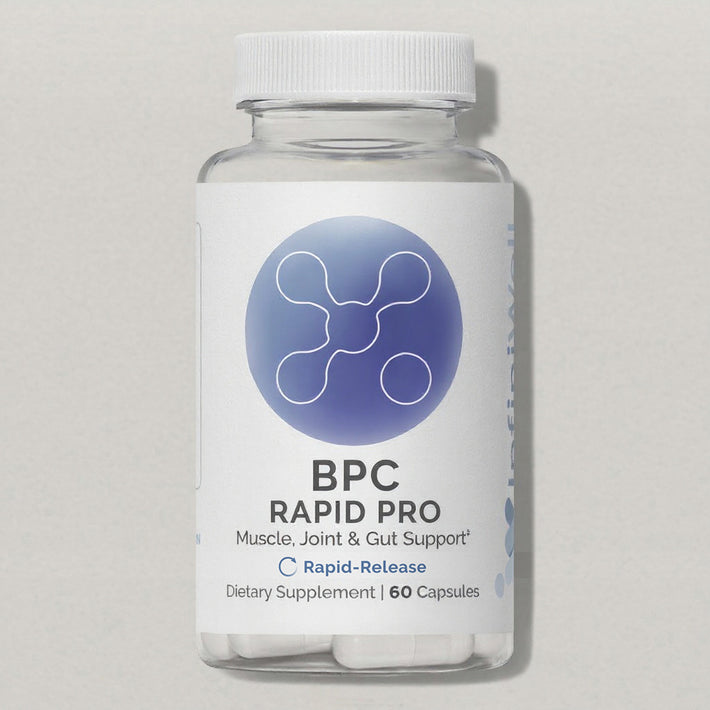
BPC-LX Pro Spray
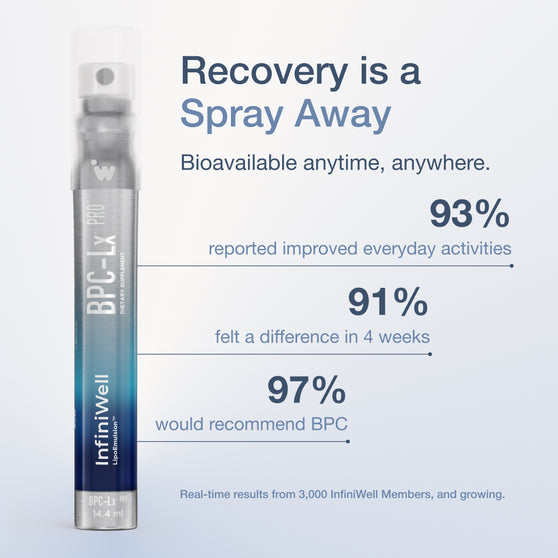
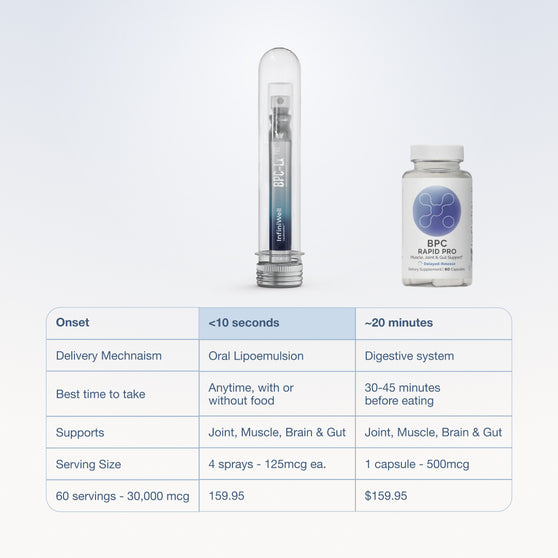
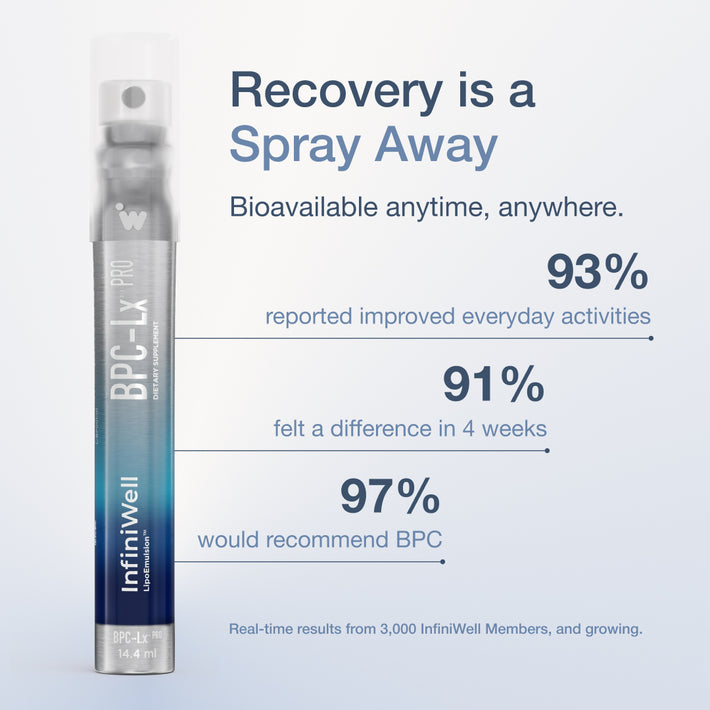
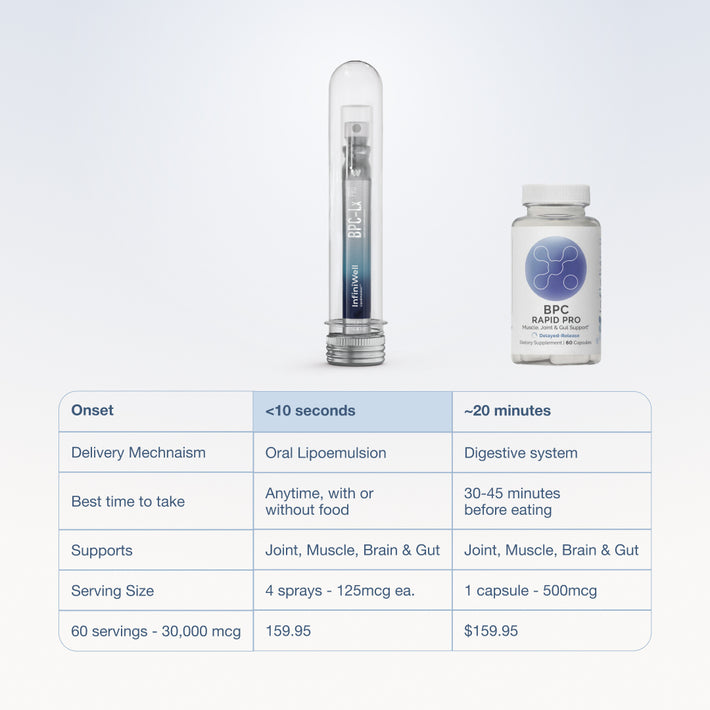
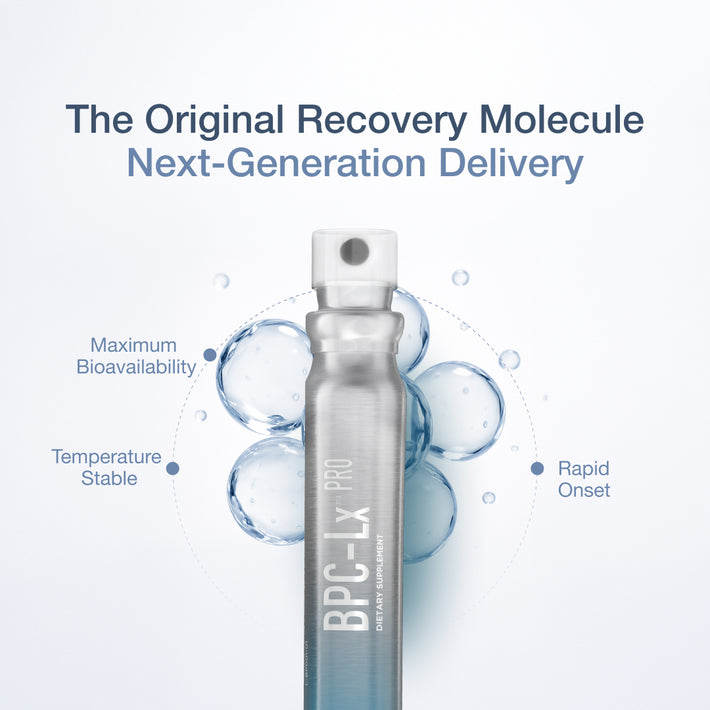
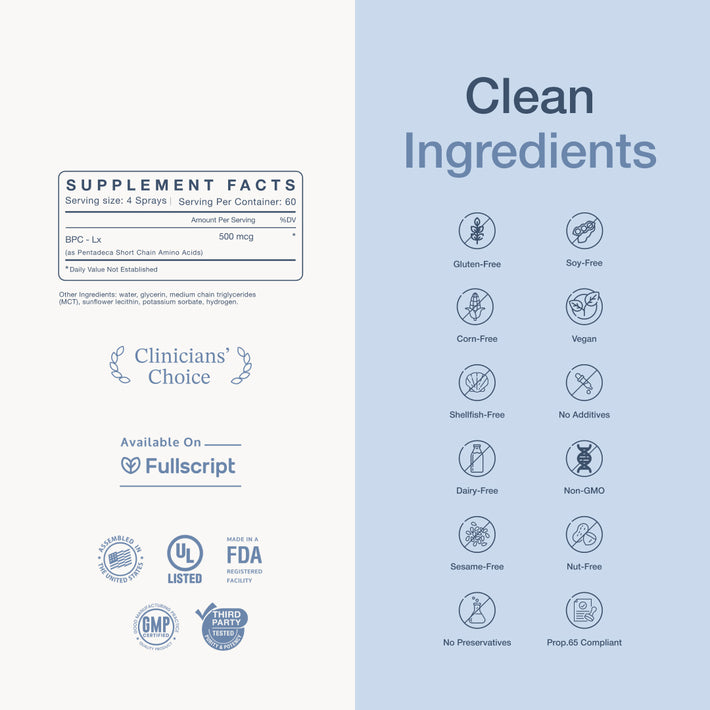
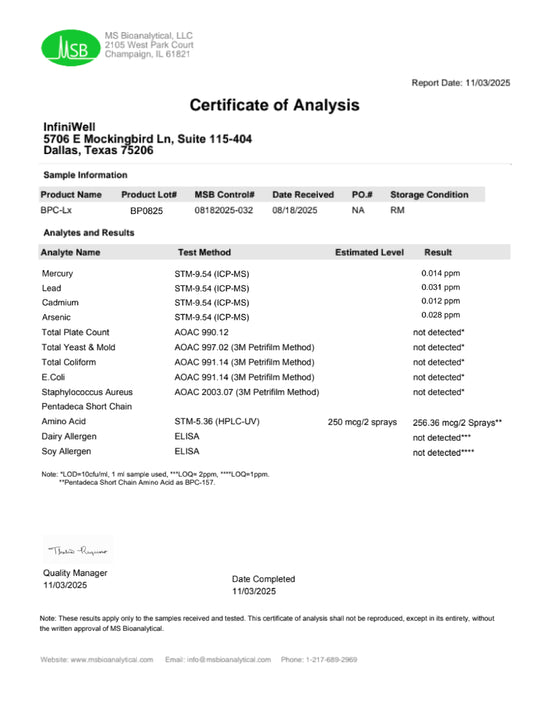
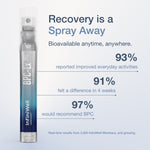
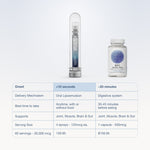
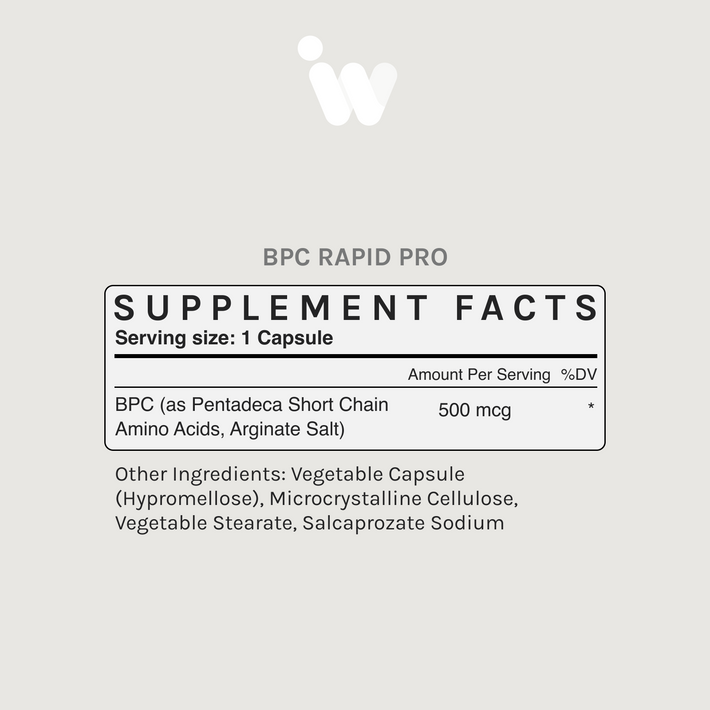
A convenient oral spray created to support overall vitality and active living. Each serving provides 500 mcg of BPC-Lx (pentadeca short chain amino acids), a compound studied for its potential to support cellular balance and everyday resilience.
The spray format makes it easy to pair with consistent movement, nutrition, and sleep habits.
Check out BPC-LX Pro Spray here.
InfiniWell Focus
A blend designed to support mental clarity, attention, and steady energy, especially helpful if you’re staying mentally active with learning, hobbies, and tech projects. The formula features ingredients such as RhodioPrime® 6X, LuteMax 2020®, InnovaTea®, Dynamine™, TeaCrine®, and Huperzine A.
Learn more about InfiniWell Focus here.
InfiniWell Activated Magnesium
Magnesium plays a key role in energy metabolism, sleep patterns, muscle–nerve function, and overall calmness. Activated Magnesium offers an easily absorbed form that supports restful sleep and steady daytime energy—valuable as your energy patterns and routines shift with age.
Check out Activated Magnesium here.
Remember to talk with your doctor first, especially if you take medications that interact with any of the above.
Moving forward: Your action plan for life after 60
What should a 60-year-old man be doing? Move most days, lift a couple of times a week, eat simply, sleep on purpose, and stay curious. Sixty isn’t old age. It’s a new middle lane, and many men feel clearer and more grounded than ever with the right habits.
Certain supplements may offer added support, but always talk with your doctor before adding anything new. Your seventh decade can be strong, social, and satisfying. Start with one small upgrade this week and build from there.
This content is for general informational purposes only and is not medical advice. Always talk to a qualified healthcare professional before starting any new supplement or making changes to your wellness routine.
Hero image designed by Freepik | Source
Life after 60: FAQs
-
SOURCES
You May Also Like
View All Articles
The Numbers Behind Heart Health: Trends Shaping Cardiovascular Risk Today
Cardiovascular risk statistics tell a bigger story than numbers alone. Explore the lifestyle patterns shaping heart health today and where supplements fit alongside the habits that support long-term wellness.
The Numbers Behind Heart Health: Trends Shaping Cardiovascular Risk Today
Cardiovascular risk statistics tell a bigger story than numbers alone. Explore the lifestyle patterns shaping heart health today and where supplements fit alongside the habits that support long-term wellness.