





















All Posts
-
![What Is NMN? A Beginner's Guide to Nicotinamide Mononucleotide Supplements]()

What Is NMN? A Beginner's Guide to Nicotinamide Mononucleotide Supplem...
Curious why NMN keeps showing up in longevity conversations? This guide breaks down how it connects to NAD+ and what that means for everyday energy and healthy aging.
-
![NMN and Aging: What Early Research Suggests About NAD+ Levels and Longevity]()

NMN and Aging: What Early Research Suggests About NAD+ Levels and Long...
What happens to your cells as you age, and where does NMN fit into that picture? This guide explores how NMN connects to NAD+ and what early research suggests about long-term wellness and cellular energy.
-
![Do BPC-157 Peptides Help With Digestion?]()

Do BPC-157 Peptides Help With Digestion?
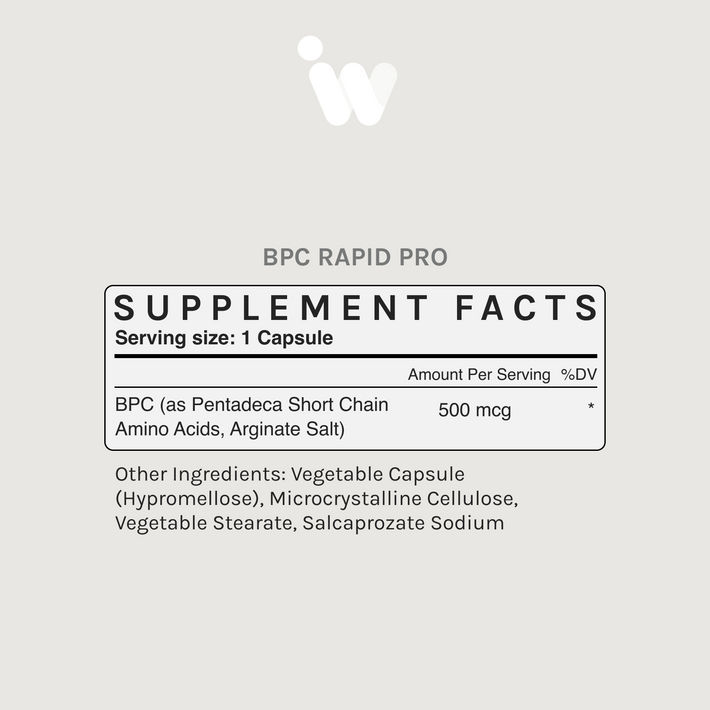
Curious whether BPC-157 peptides support digestion? Explore what early research suggests, how oral peptide supplements differ in formulation and quality, and how to approach gut wellness support with realistic expectations.
-
![Seeing the Bigger Picture: How Eye Health Is Key to Brain Health]()

Seeing the Bigger Picture: How Eye Health Is Key to Brain Health
Eye and brain health are more connected than you think. Supporting one can benefit the other in surprising ways. Learn how simple nutrients can sharpen both your vision and your mind.
-
![7 Simple Ways to Support Digestion Naturally (Plus When to Consider Digestion Supplements)]()

7 Simple Ways to Support Digestion Naturally (Plus When to Consider Di...
Support better digestion with simple daily habits like chewing slowly, staying hydrated, eating fiber-rich whole foods, and moving consistently. Learn when digestion supplements such as probiotics, digestive enzymes, and targeted oral BPC formulas may complement your routine.
-
![What SuperAgers Can Teach Us About the Gut-Brain Connection]()

What SuperAgers Can Teach Us About the Gut-Brain Connection
Some people in their 80s have memory and mental sharpness that rival people decades younger, and researchers call them SuperAgers. Discover what their habits reveal about the gut-brain connection and the everyday choices that may support healthy aging over time.
-
![Peptides for Skin: What Are They, and How Do They Benefit Your Skincare Routine?]()

Peptides for Skin: What Are They, and How Do They Benefit Your Skincar...
What are peptides for skin, and do they really work? Learn how these ingredients support smoother, firmer, more youthful-looking skin.
-
![Unlocking Cellular Health: Senolytics, Autophagy, and the Quest for Lifespan Extension]()

Unlocking Cellular Health: Senolytics, Autophagy, and the Quest for Li...
Cellular health starts from within. Discover how senolytics and autophagy work together to support healthy aging—and what you can do to keep your cells running at their best.
-
![Best Peptides for Weight Loss? Maybe. Sustainable Results? That’s the Bigger Question.]()

Best Peptides for Weight Loss? Maybe. Sustainable Results? That’s the ...
Peptides for weight loss are trending, but do they deliver lasting results? Learn how they work, what the science says, and why healthy habits still matter most.
-
![The Ultimate Longevity Duo: Akkermansia & BPC-157]()

The Ultimate Longevity Duo: Akkermansia & BPC-157
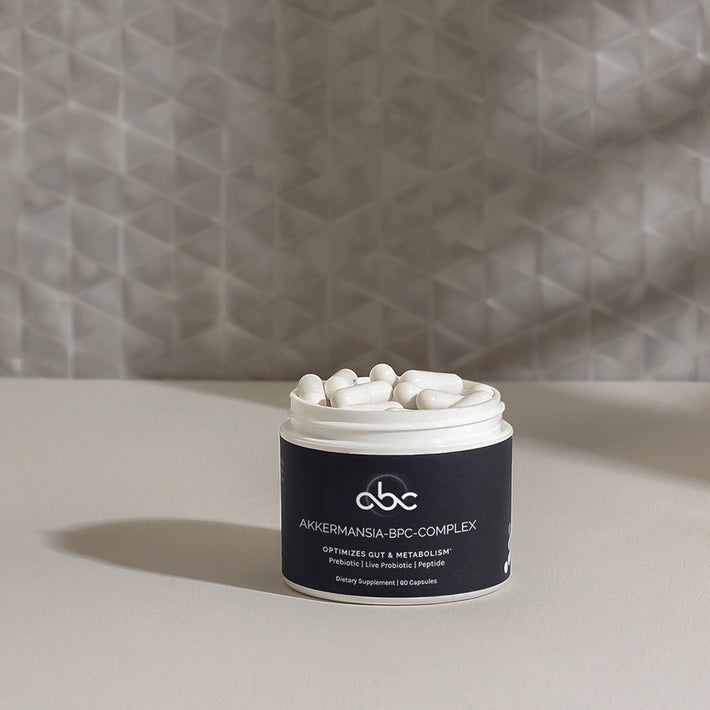
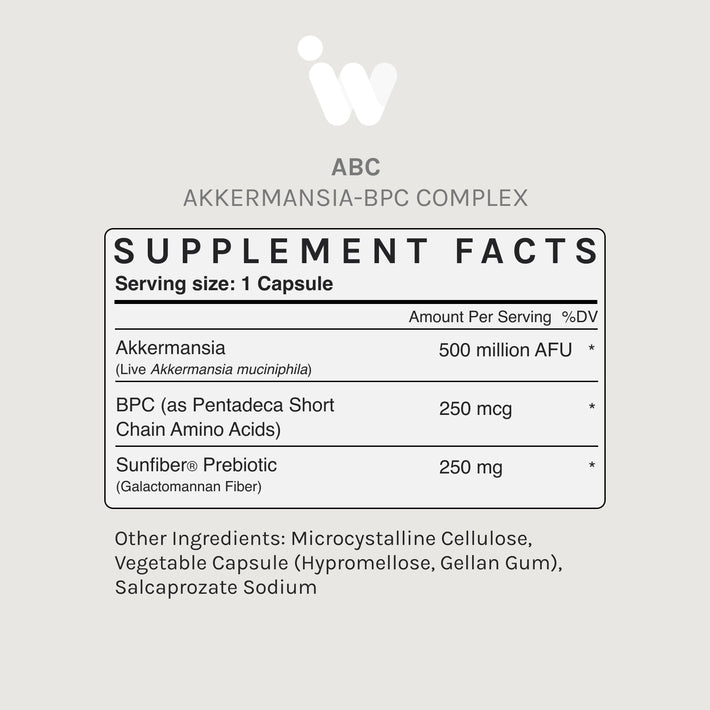
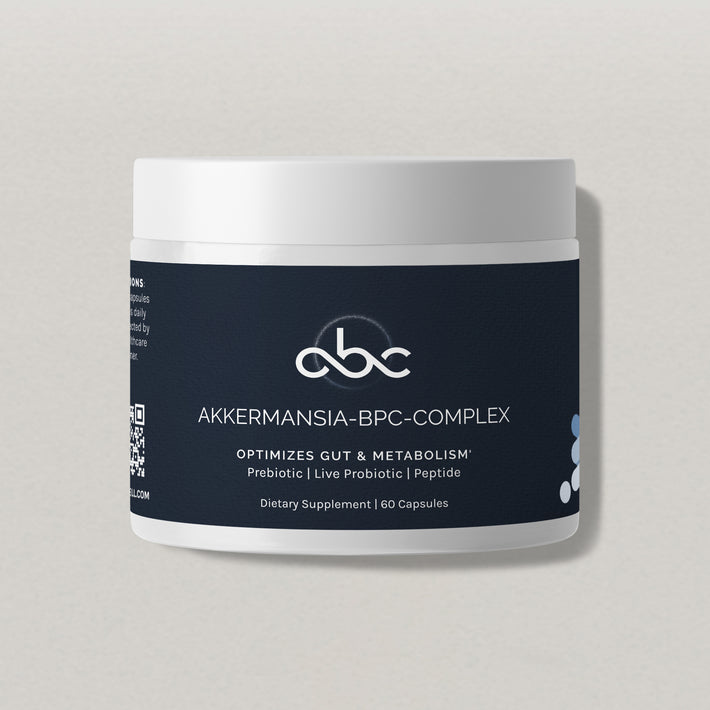
Gut health plays an important role in long-term wellness, and some people choose to pair Akkermansia with BPC-157 for complementary support. Learn what current research says about this combination and how it may fit into your daily routine.


