
































Key takeaways
-
Oral peptides can be effective when they can survive digestion and the product's delivery design helps them move through the gut more smoothly.
-
Choose how you take peptides based on your goal. Injections are more consistent but involve added risk and responsibility, while oral peptides are easier to use but can produce more variable results.
-
When evaluating peptide capsules, prioritize clear labeling and brands that explain how and why their products are made.
-
Don’t confuse collagen peptides with therapeutic oral peptides. Collagen supports nutrition, while oral peptides are designed to work in more targeted ways.
Peptides sit in a fascinating middle ground between small-molecule supplements, like vitamins and minerals, and full-size proteins, like enzymes or hormones. They're short chains of amino acids that can interact with biological systems in specific ways. The tricky part is delivery.
Many people assume peptides “must” be injected. But is that always true? And where do today’s oral peptide options fit into the picture?
In this guide, we break down what oral peptides are, how they're formulated, and what to look for if you're evaluating peptide capsules.
What are peptides, and why does the delivery method matter?
Peptides are short sequences of amino acids. Because they’re larger than typical small molecules but smaller than full proteins, they can be powerful but also delicate.
When we talk about "delivery," we’re referring to how a peptide gets into the body and reaches the place where it’s intended to work. That matters because the digestive system is designed to break peptides down, which makes oral delivery difficult.
The body has several built-in defenses that affect absorption, including:
-
Digestive enzymes (such as pancreatic enzymes) that break peptides into individual amino acids
-
The intestinal mucus layer, which acts as a protective coating and makes it harder for peptides to reach the gut wall
-
Tight junctions between the cells lining the gastrointestinal tract, which limit what can pass through
Together, these barriers lead to low oral absorption for many peptides, which is why oral delivery has historically been challenging.
That said, advances in formulation technology have changed what's possible. With smarter delivery strategies, such as protecting peptides as they move through digestion and supporting absorption in the intestine, more oral peptide products are moving from concept to real-world use.
Can peptides be taken orally?
Yes, some can. Whether oral peptides make sense depends on the specific peptide, how well it holds up during digestion, and how it’s formulated.
A few practical questions help guide the decision:
-
Does the peptide resist digestive breakdown?
-
Can the delivery system support absorption in the intestine?
-
Is the intended effect local (in the gut) or systemic?
When the goal is local support in the digestive tract, simpler oral strategies like standard capsules may be enough. For whole-body effects, more advanced oral approaches are often needed. These may include capsules that protect peptides as they pass through the stomach, coatings that release ingredients in the intestine, or delivery designs that help the body absorb peptides more effectively.
Why peptides are traditionally injected
Injections bypass the digestive system, avoiding breakdown by enzymes and absorption challenges. Historically, this has been the most reliable way to deliver peptides and proteins.
Oral administration, by contrast, has to make it through stomach acid, digestive enzymes, and the tightly controlled lining of the gut. Until fairly recently, there weren’t many reliable ways to help peptides survive digestion and be absorbed effectively, aside from a handful of prescription peptide medications developed for very specific uses.
Why some peptides can work orally
Several factors can make oral peptides more viable, especially when they’re designed with digestion and absorption in mind:
-
More stable peptide designs: Some peptides, such as cyclic peptides or those with small structural tweaks, are naturally more resistant to digestive breakdown.
-
Protection during digestion: Certain ingredients, such as plant-based enzyme blockers or protective coatings, can help shield peptides from digestive enzymes as they pass through the stomach and intestines.
-
Absorption-supporting approaches: Some formulations include absorption helpers, often derived from fats or naturally occurring compounds, that temporarily help peptides pass through the gut lining more easily.
-
Targeted delivery ideas: In more advanced cases, researchers are testing capsules that release only in certain areas of the gut or delivery designs that help peptides move from the digestive system into circulation.
-
Innovative delivery concepts: Experimental approaches even include ingestible devices designed to release peptides in a controlled way inside the body.
What influences how oral peptides perform?
It depends on the peptide and formulation.
Emerging research shows that oral delivery can work for certain peptide compounds when advanced delivery strategies are used, including versions that were once limited to injections. These developments highlight how much formulation influences whether an oral peptide is viable.
Oral peptides vs. injectable peptides: The trade-offs
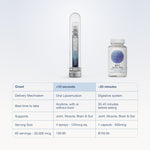
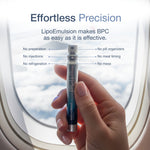
Oral peptides are easier to stick with long-term. No needles, no preparation, just consistent daily use. However, absorption can vary from person to person, and many oral formulations include additional ingredients designed to help the peptide survive digestion and cross into the bloodstream.
These enhancers are generally safe when used properly, but they're an important part of how the product works.
Injectable peptides offer reliability. What you inject is what your body receives. The downside? They require proper injection technique, sterile handling, and a higher level of commitment. There's also more room for user error and potential risks if not administered correctly.
Which is right for you?
The right choice depends on your goal, the specific peptide, and what fits realistically into your lifestyle. When in doubt, talk to a healthcare provider. They can help match the delivery method to your needs and ensure you're using peptides safely.
Oral peptides vs. collagen peptides: Important distinction
Collagen peptides are hydrolyzed protein fragments used for nutrition. During digestion, your body breaks them down into amino acids and small peptide fragments, contributing to overall protein intake.
Function-specific oral peptides, by contrast, are applied with specific formulation goals in mind and rely on specialized delivery approaches rather than simple digestion like other dietary proteins.
Final takeaway: Are oral peptides effective or just misunderstood?
They’re often misunderstood. Many peptides are difficult to deliver orally, but a growing range of formulation strategies has changed what’s possible. Advances such as protective coatings, enzyme shielding, absorption-supporting ingredients, and even experimental ingestible devices are helping move oral peptide delivery forward.
Note that these approaches are still evolving, and not all are widely available or suitable for supplement use.
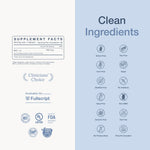
If you’re evaluating products, prioritize clear labeling, responsible claims, and how the formulation works. Convenience matters, but in the case of oral peptides, product design ultimately makes the difference between a promising option and wishful thinking.
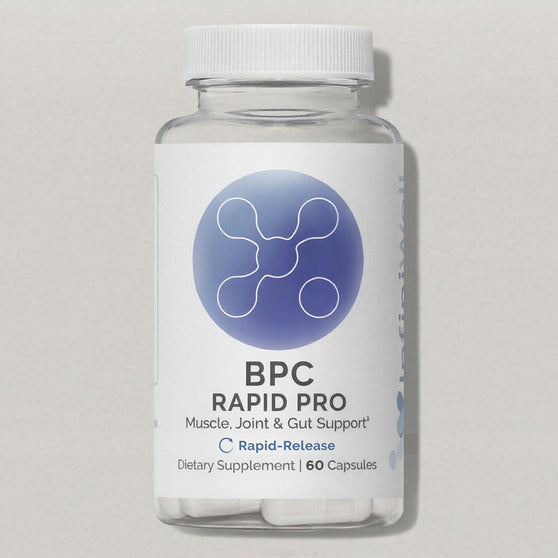
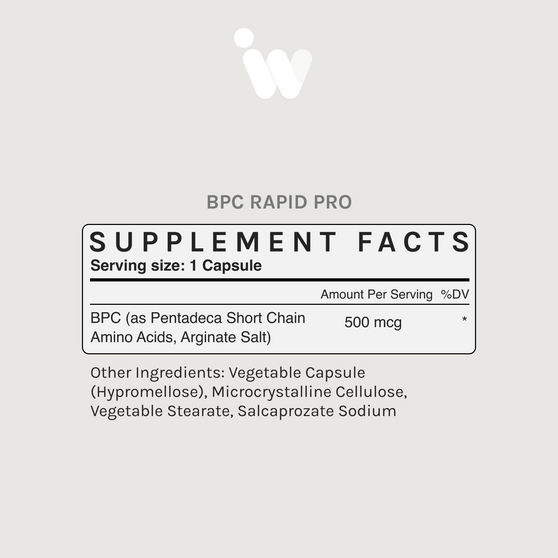
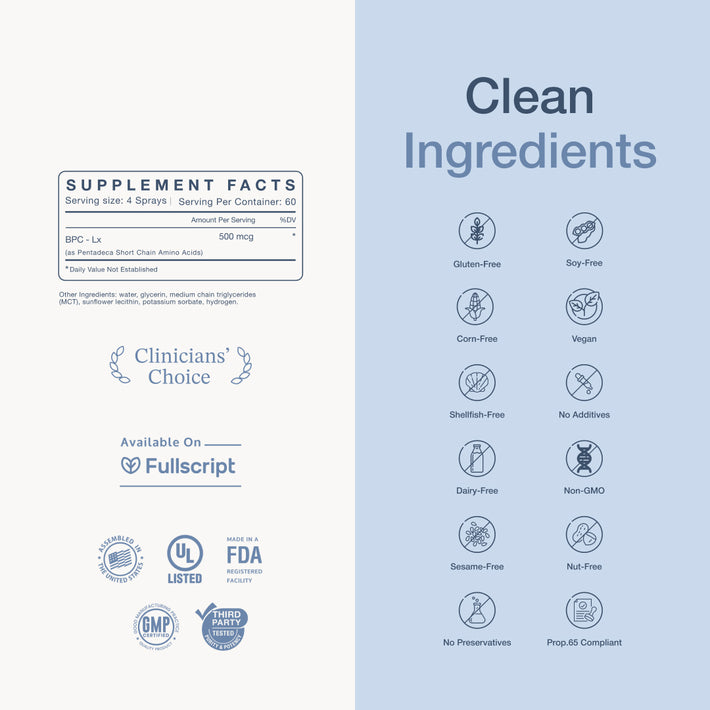
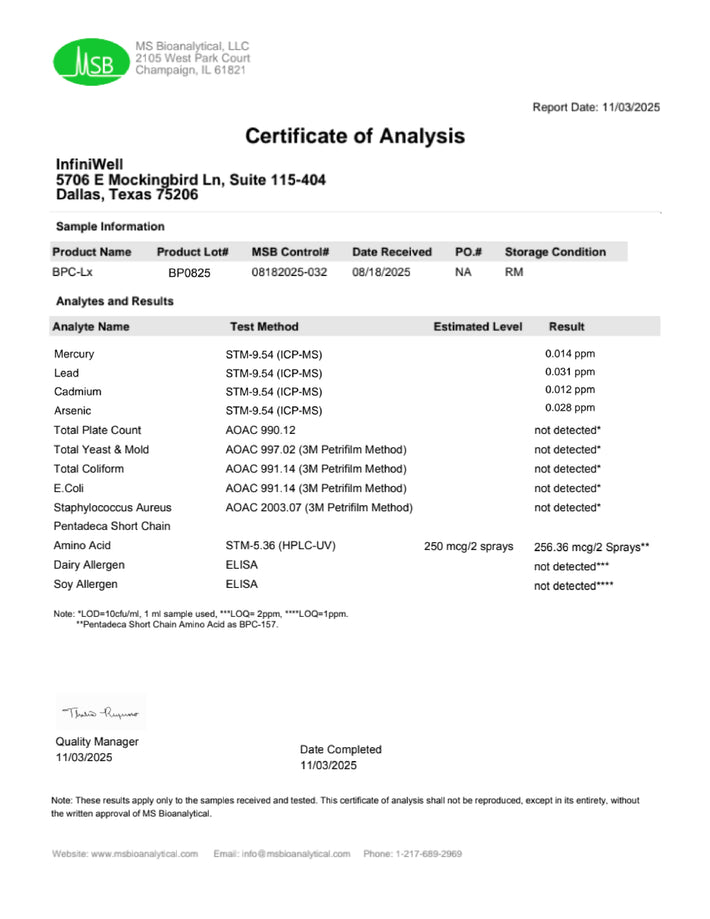
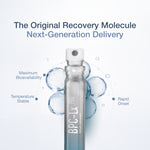
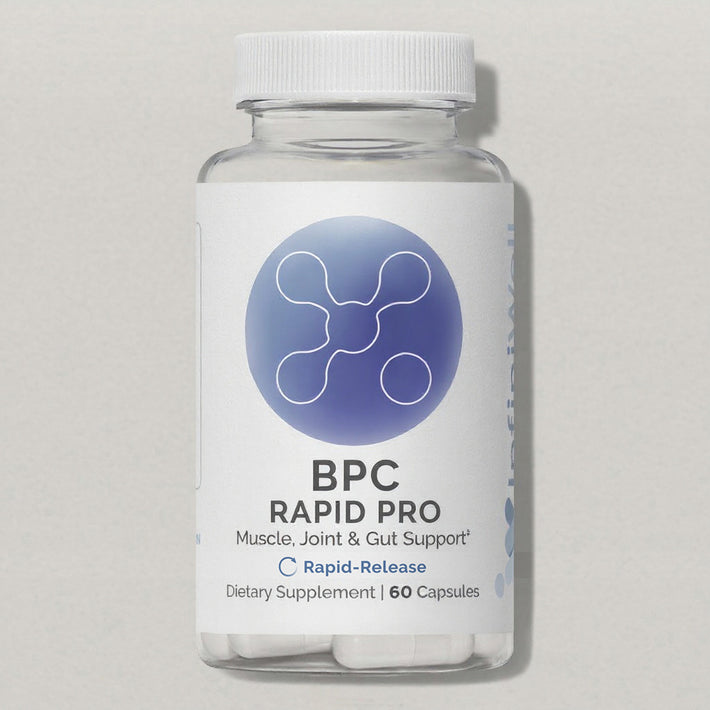
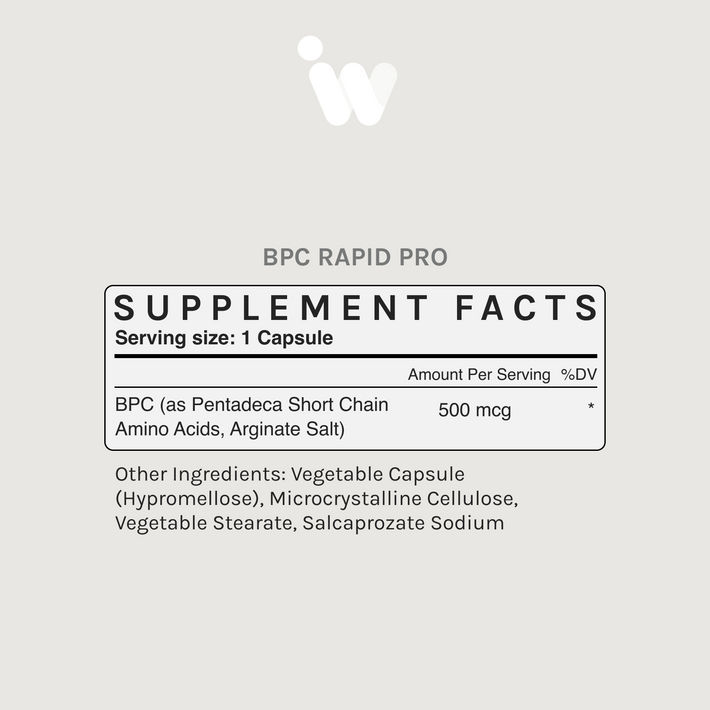
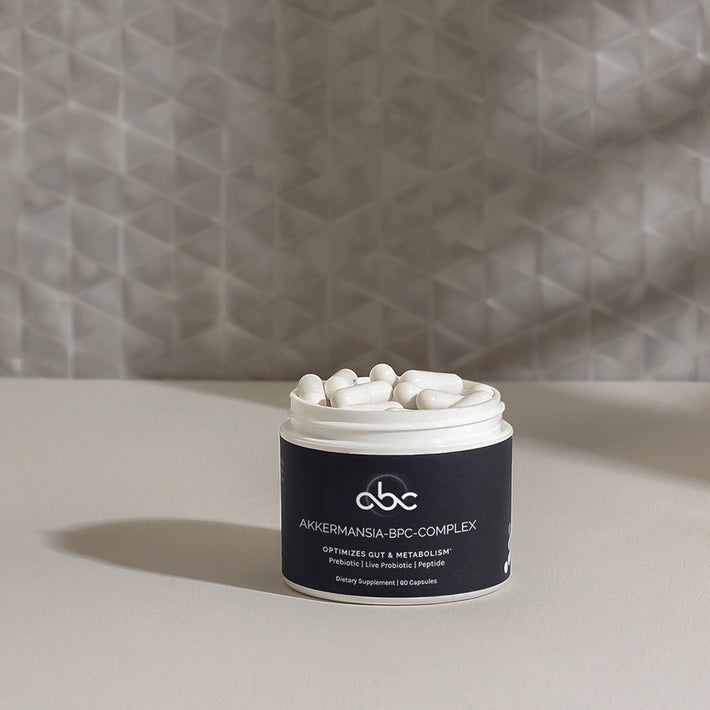
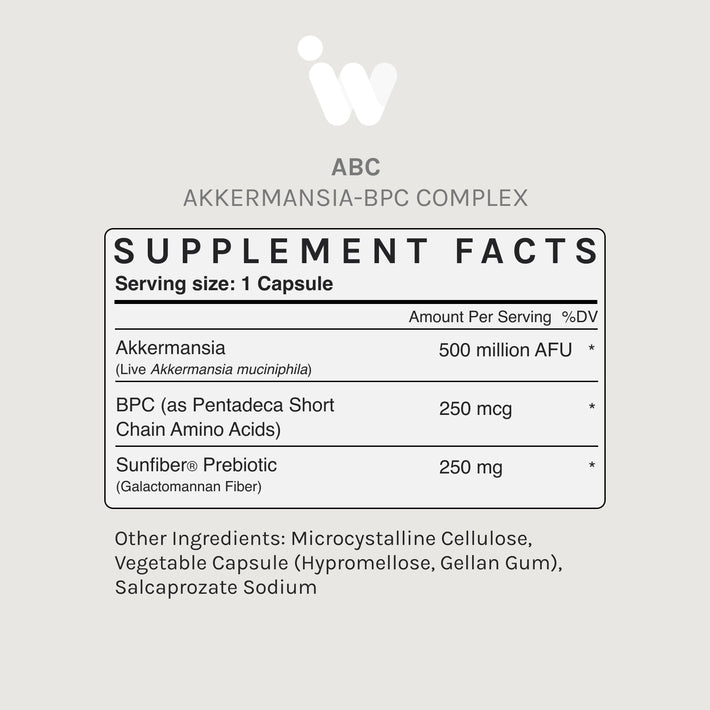
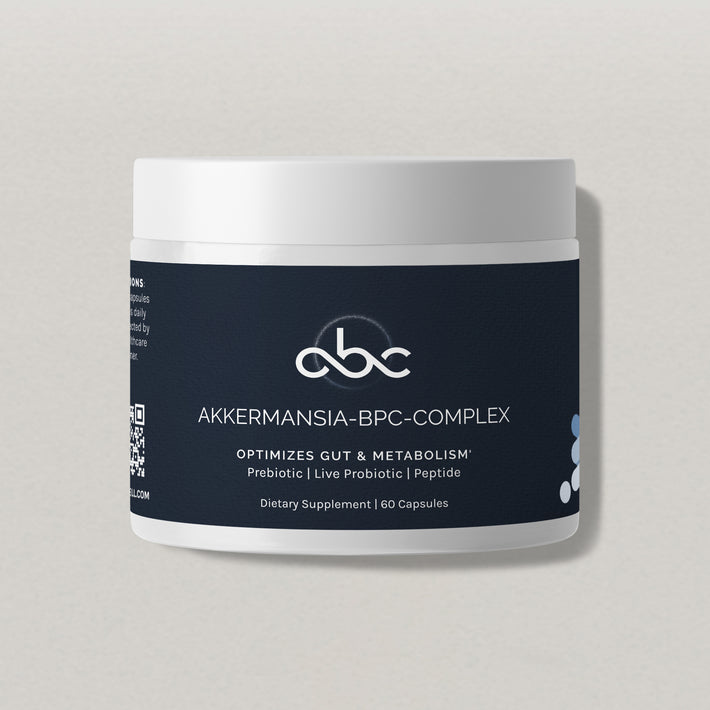
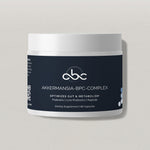
Looking to see how these principles are applied in practice? InfiniWell's BPC capsules are formulated with a focus on quality, consistency, and transparency. Batch-specific Certificates of Analysis (CoAs) are also available upon request, allowing you to review product composition, testing protocols, and quality verification before purchasing.
Oral peptides: Frequently asked questions
-
SOURCES
You May Also Like
View All Articles

What Is KPV?
What is KPV, and why is it gaining attention in peptide research? Learn how this three-amino-acid peptide works, how it compares to BPC, and what current research suggests about its role in everyday wellness.

The Sleep Peptide Debate: Real Rest or Just Grogginess?
Sleep peptides are gaining attention for their promise to support deep, uninterrupted rest—but are they actually helping, or just making people feel drowsy? This blog explores the science behind compounds like DSIP, what early research shows, and how they compare to natural sleep aids like magnesium and L-theanine.