





















































































Key takeaways
-
Peptides are short chains of amino acids that support various biological functions, including muscle growth, skin health, and metabolism. They are generally available as oral supplements, but some peptides can also be purchased as injectables.
-
Early research has explored peptides for tissue integrity, supporting muscle mass, and promoting radiant skin. Results may vary, so talk to a qualified healthcare professional before starting any new peptide supplement.
-
Peptide supplements aren’t suitable for everyone, particularly pregnant individuals or those with pre-existing health conditions.
-
To stay safe, buy peptides from trusted suppliers with high-quality standards. Start with small amounts and follow expert recommendations.
Peptides are making waves in the world of health, fitness, and skincare, touted as the secret weapon for pretty much everything—from glowing, youthful skin to faster muscle support after overexertion. With their rising popularity, social media buzz, and increasing availability, it’s easy to get swept up in the hype.
But are peptides really the miracle solution they’re claimed to be? Or is there more to the story?
Understanding peptide benefits, risks, and safe use is essential before jumping on this trending bandwagon. In this article, we’ll break down what you need to know about peptides, from what they are to how they work, and whether they’re right for you.
What are peptides?
Peptides are short chains of amino acids that naturally occur in the body and serve as building blocks for proteins. They play a fundamental role in various biological processes, including regulating hormones, supporting tissue integrity, and maintaining overall health and wellness.
In addition to those naturally produced by the body, peptides are also available in various supplemental forms, including:
-
Oral peptides: Taken as capsules or tablets, often for skincare and general health benefits.
-
Injectable peptides: Delivered directly into the bloodstream, commonly used in medical applications for faster results.
Synthetic vs. natural peptides
Synthetic peptides are lab-created to mimic natural peptides and often designed for specific purposes like muscle support or anti-aging.
Peptide applications span multiple industries:
-
Health: Certain therapeutic peptides are used to support soft tissue function. Some peptides are also studied in medical settings for cardiovascular and metabolic health.
-
Fitness: Athletes and bodybuilders often use peptides to promote muscle growth, fat metabolism, and post-exercise support.
-
Skincare: Peptides are a key ingredient in anti-aging products. They help reduce the appearance of fine lines, support skin firmness, and aid in moisture retention.
-
Advanced medical therapies: Certain peptides, such as BPC-157 and tumor-penetrating peptides (TPPs), are being explored in research for applications like immune system support and joint and muscle support.
Do peptides really work?
Peptides have garnered significant attention for their potential to deliver noticeable results in areas like muscle growth, skin health, and metabolic support. But do they live up to the hype?
Let’s dive into the science behind their effectiveness.
Muscle growth and post-exercise support
Certain peptides, such as growth hormone-releasing peptides (GHRPs), are popular in fitness circles for their ability to support the production of human growth hormone (HGH). Healthy levels of HGH can promote muscle growth and fat metabolism while also providing key soft tissue support after vigorous exercise.
Studies have shown promising results, particularly when peptides are used in conjunction with proper nutrition and exercise.
BPC-157, a peptide widely regarded for its potential in muscle support post-exertion, has shown promise in supporting healthy tendons, ligaments, and muscle tissue. Research suggests it may assist in mitigating the effects of physical strain and support the body's natural wellness processes.
Skin health and anti-aging
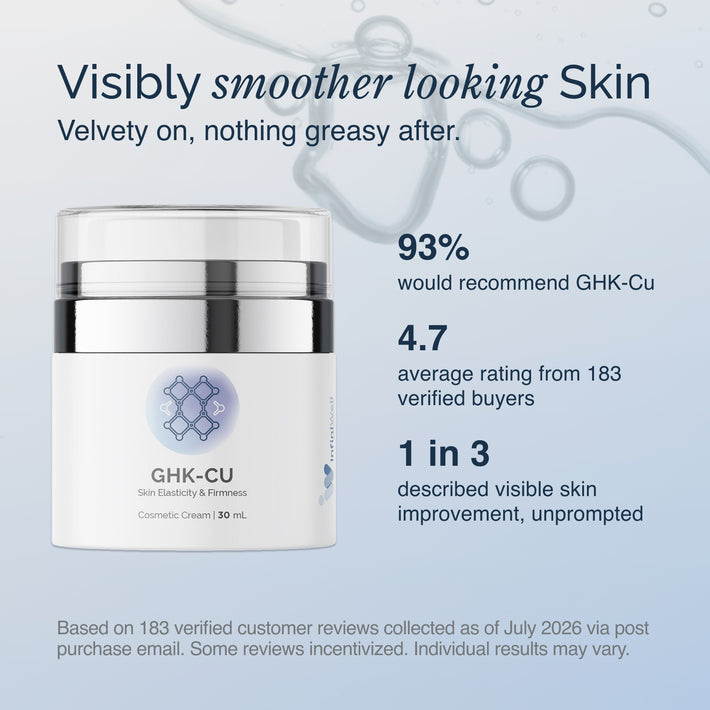
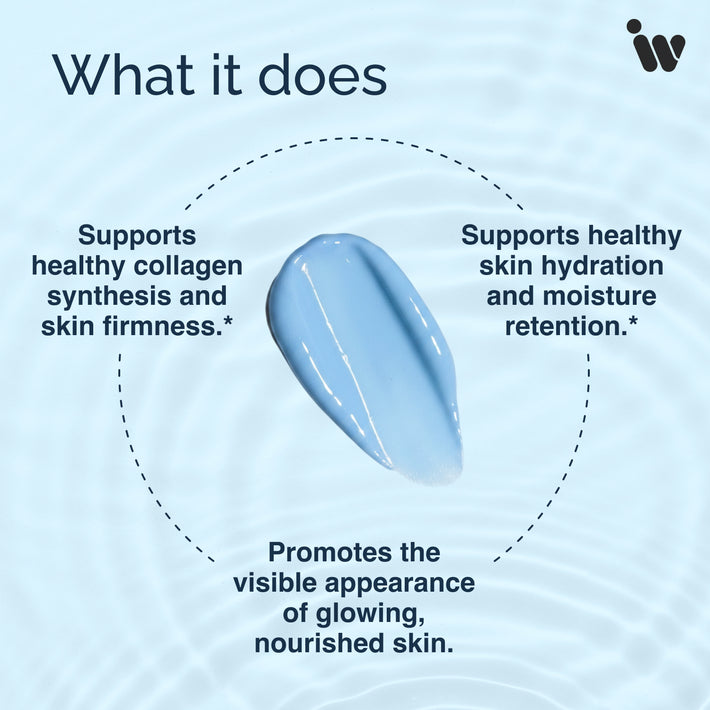
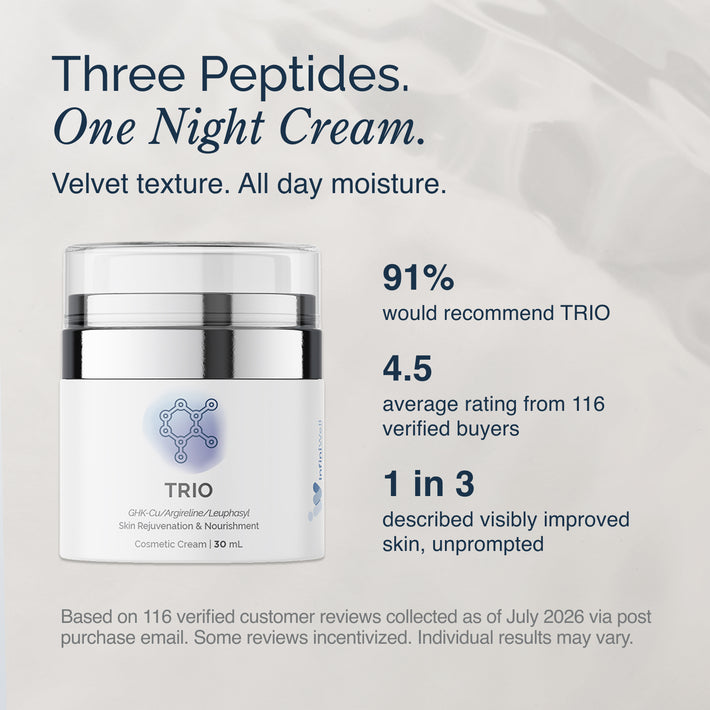
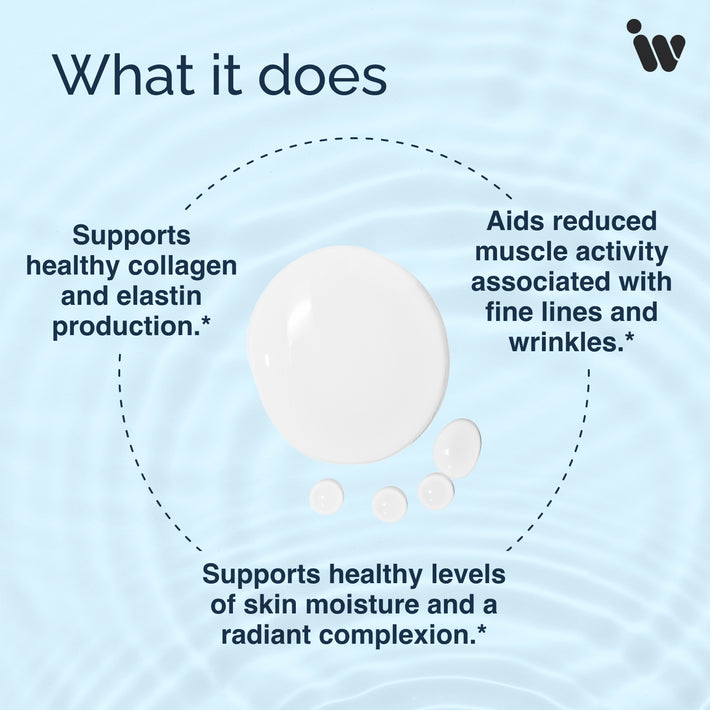
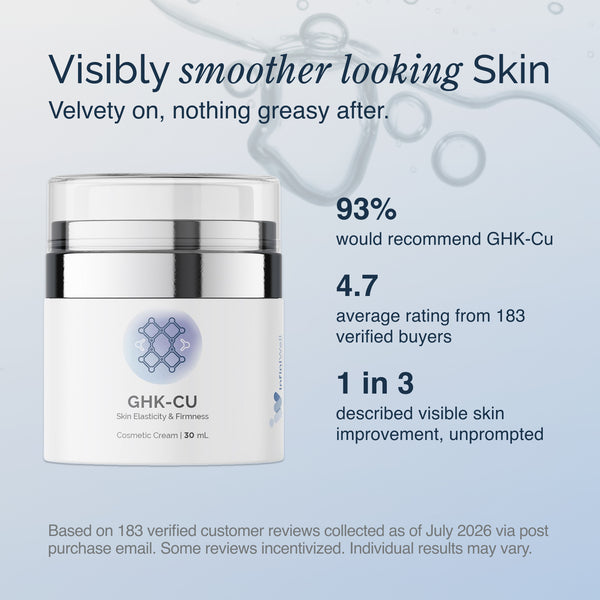
Peptides for skin, such as collagen peptides and copper peptides, are commonly used to combat signs of aging. These peptides help support collagen production, which can reduce the appearance of fine lines and wrinkles and promote skin elasticity and hydration.
Many users report visible changes, and scientific studies suggest that consistent use over time is key to achieving results.
Related reading:
Metabolic support
Peptides influencing insulin sensitivity and appetite regulation, such as GLP-1 analogs and PYY mimetics, are being studied for their role in metabolic processes. Early findings suggest they may influence satiety, food intake, and glucose regulation, though research is ongoing.
Peptide risks to watch
While peptides offer many potential benefits, they are not without risks. Understanding the possible side effects and taking proper precautions is essential for anyone considering their use.
Risks of misuse
Improper use of peptides can lead to more significant health concerns:
-
Overuse: Using higher amounts than recommended can lead to hormonal imbalances, such as elevated growth hormone levels, which may cause unwanted side effects like joint discomfort or puffiness.
-
Improper amounts: Taking the wrong amount can reduce effectiveness or raise the likelihood of adverse effects.
-
Self-administration errors: Without proper training, self-administering injectable peptides can lead to complications, including infections.
Peptide injections vs. oral peptides
The method of delivery can also influence the risks and side effects:
-
Injectable peptides: These are generally more potent but carry a higher risk of localized reactions, contamination, and administration errors.
-
Oral peptides: These peptides are safer and more convenient compared to injectables, but their bioavailability (absorption in the bloodstream) can vary. Some peptides may lose effectiveness when partially broken down during digestion.
The importance of reputable providers
Sourcing peptides from trusted suppliers is critical to avoid contamination and ensure product quality. Some risks include:
-
Contaminated products: Purchasing peptides from unverified sources can result in exposure to harmful additives or impurities.
-
Inconsistent purity: Non-reputable providers may offer products that don’t meet high-quality standards, reducing their safety and efficacy.
Are peptides safe for everyone?
While peptides offer significant potential benefits, they may not be suitable for everyone. Certain populations need to exercise extra caution to avoid complications or adverse effects.
Populations requiring extra caution
-
Pregnant or breastfeeding women: There is limited research on the safety of peptides for pregnant and breastfeeding women. Therefore, it's essential to avoid peptide supplements unless explicitly recommended by your doctor.
-
Individuals with chronic conditions: Those with underlying health conditions may experience interactions or heightened risks when using peptides.
-
People on medications: Peptides can interact with certain medications, potentially diminishing their effectiveness or causing unwanted side effects.
Consulting a healthcare provider
Before starting a peptide routine, consulting a qualified healthcare provider is crucial. They can:
-
Evaluate whether peptides are appropriate based on your medical history and health goals.
-
Recommend the correct peptide type and amount for your needs.
-
Monitor your progress to ensure safety and effectiveness.
A cautious, informed approach with medical supervision is essential to ensure safety, especially for individuals with unique health concerns. Always prioritize professional guidance to make the most of peptide supplements while minimizing risks.
When to avoid peptides
Peptides may not be suitable if you:
-
Have allergies to specific peptides or their ingredients
-
Have a condition that could be affected by changes in hormone activity
What to look for in peptide products
Choosing a high-quality peptide product ensures safety and effectiveness. Keep these key points in mind:
-
Reputable suppliers: Buy from trusted manufacturers that provide transparent information about their sourcing, production, and quality standards. Avoid unverified online sellers.
-
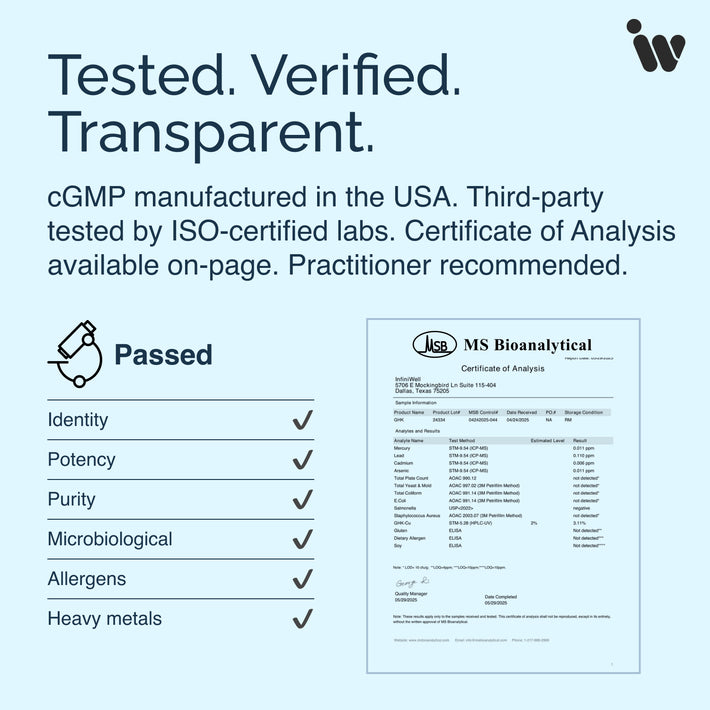
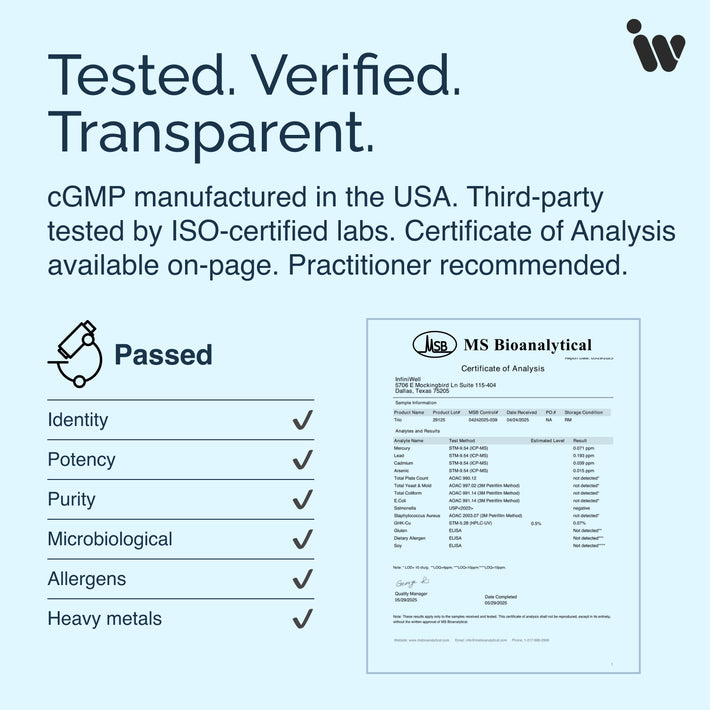
Purity and certifications: Select high-quality peptides tested by independent labs. Look for products made in facilities following Good Manufacturing Practices (GMP).
-
Research-backed claims: Ensure the peptide’s benefits are supported by scientific studies. Avoid products with exaggerated promises.
-
Safety checks: Confirm expiration dates, storage requirements, and accurate labeling to maintain product integrity.
How to use peptides safely
To get the most from peptides while minimizing risks, follow these guidelines:
-
Start low and adjust gradually: Begin with the lowest effective amount, and adjust it only under a healthcare provider's supervision.
-
Monitor side effects: Watch for symptoms like irritation, fatigue, or discomfort and report unusual reactions promptly.
-
Follow recommended routines: Stick to the recommended amount and schedule. Avoid self-adjusting amounts or methods.
-
Consult a professional: Seek guidance from a healthcare provider to choose the right peptide, monitor progress, and source reputable products.
-
Store properly: Keep peptides in a cool, dry place, or refrigerated as instructed, and never use expired products.
Peptide effectiveness varies
Peptides hold great potential, but results aren’t guaranteed, and careful consideration is needed before incorporating them into your health or skincare routine. Consulting a healthcare professional can help determine the best approach for your specific goals.
The effectiveness of peptides can vary based on several factors:
-
Type of peptide: Different peptides serve distinct purposes, so selecting one that aligns with your needs is key.
-
Delivery method: Injectable peptides may provide quicker results, while oral and topical forms are often more convenient and suitable for long-term use in skincare or general wellness. Each delivery method has its advantages, and a professional can help identify the most appropriate option for your needs.
-
Individual response: Factors like genetics, lifestyle, and overall health can impact how well peptides work for you.
Related reading:
Beyond peptides: Building a broader wellness strategy
Peptides are just one part of the conversation. A well-rounded approach to health often includes other nutrients that support how the body functions day to day.
Some people choose to pair peptide-based supplements with additional options that support energy metabolism, cellular function, and overall balance.
-
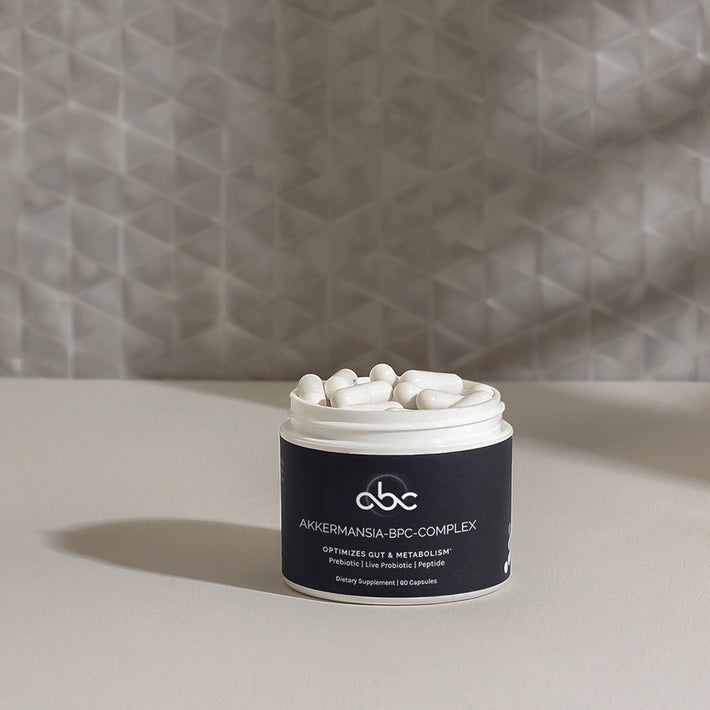
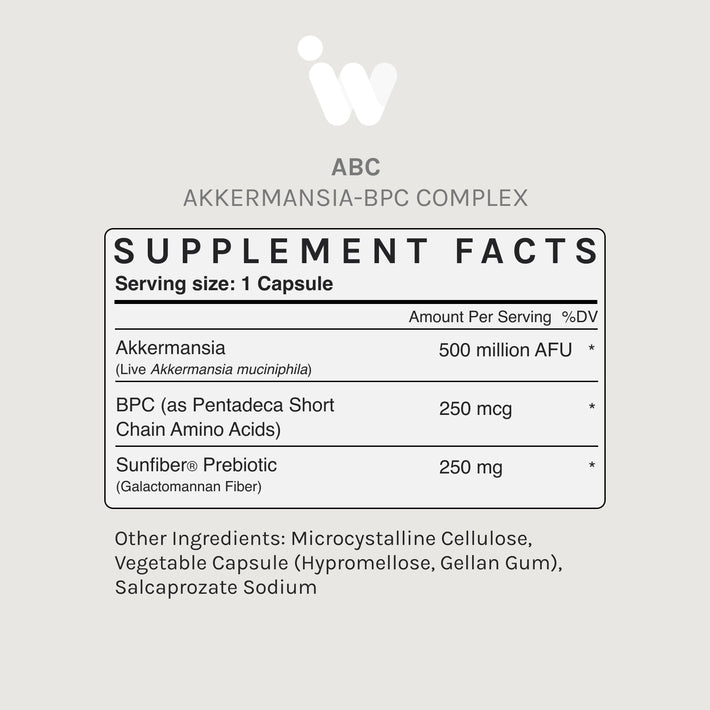
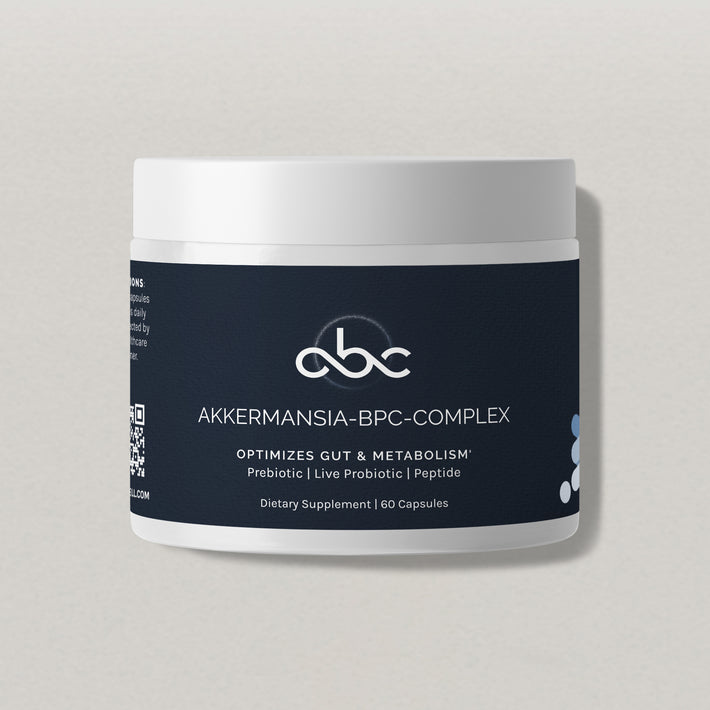
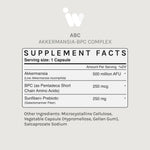
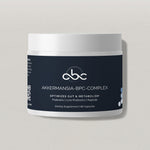
Targeted probiotics: Products like InfiniWell Akkermansia Probiotic include Akkermansia muciniphila, a beneficial gut bacterium associated with maintaining a balanced gut environment and supporting digestive wellness.
-
Cellular energy support: InfiniWell NMN is commonly used in longevity-focused routines. Early research has explored its role in supporting cellular energy pathways, though findings are still developing.
-
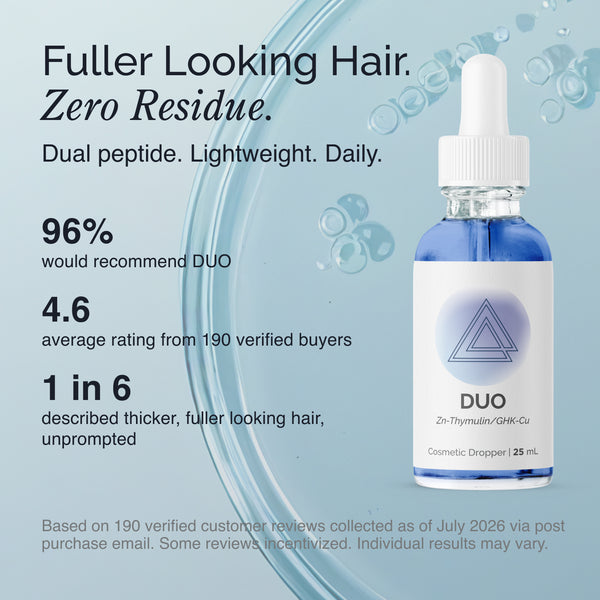
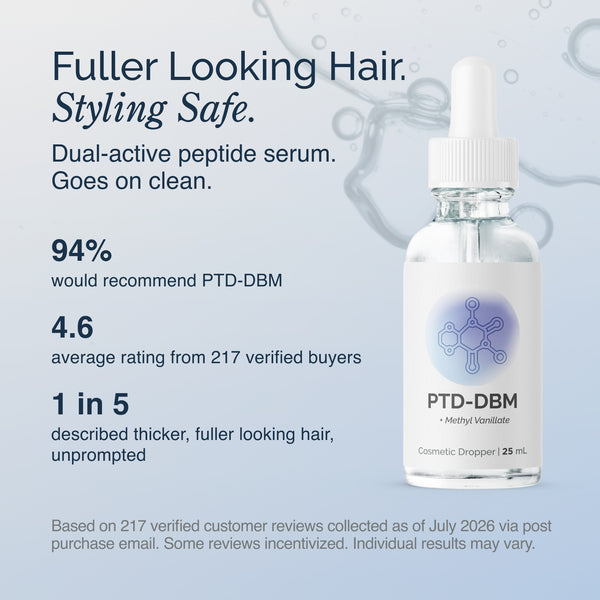
Hair and scalp wellness: InfiniWell DUO and InfiniWell PTD-DBM are formulated to support hair and scalp health, offering targeted options for those looking to maintain the appearance and condition of existing hair.
Research across these areas is still evolving, and results can vary from person to person. A balanced approach grounded in consistency, nutrition, and lifestyle tends to make the biggest difference over time.
Get started with peptides with InfiniWell's oral BPC
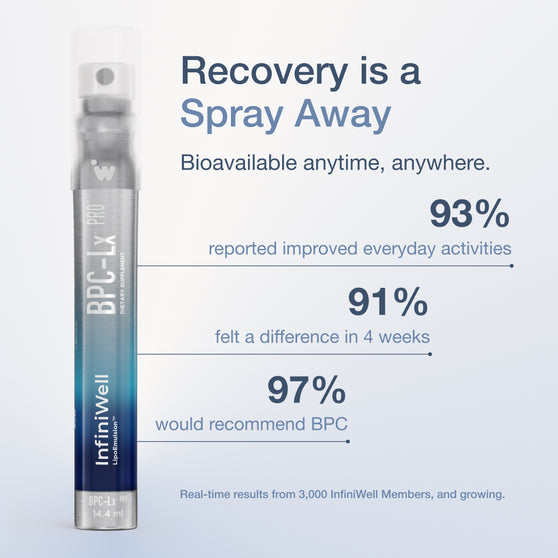
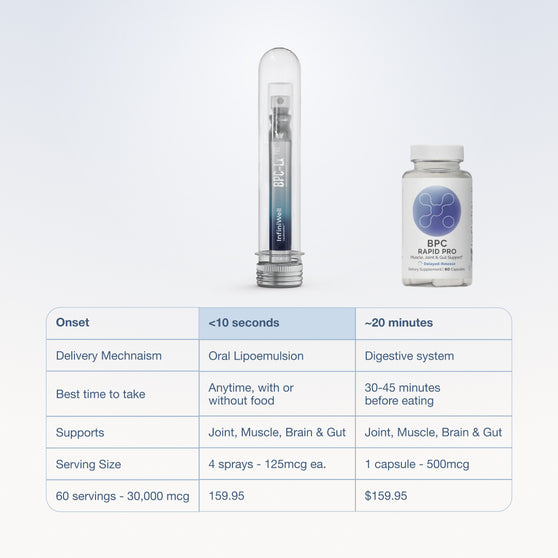
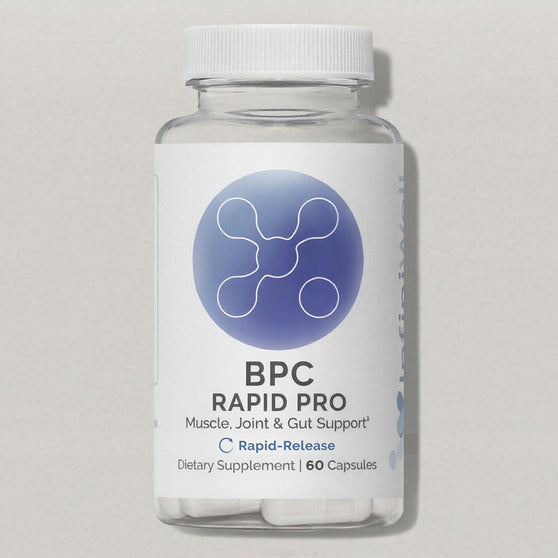
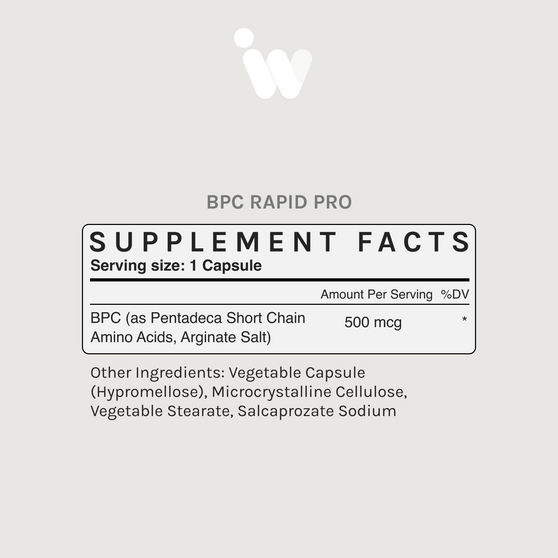
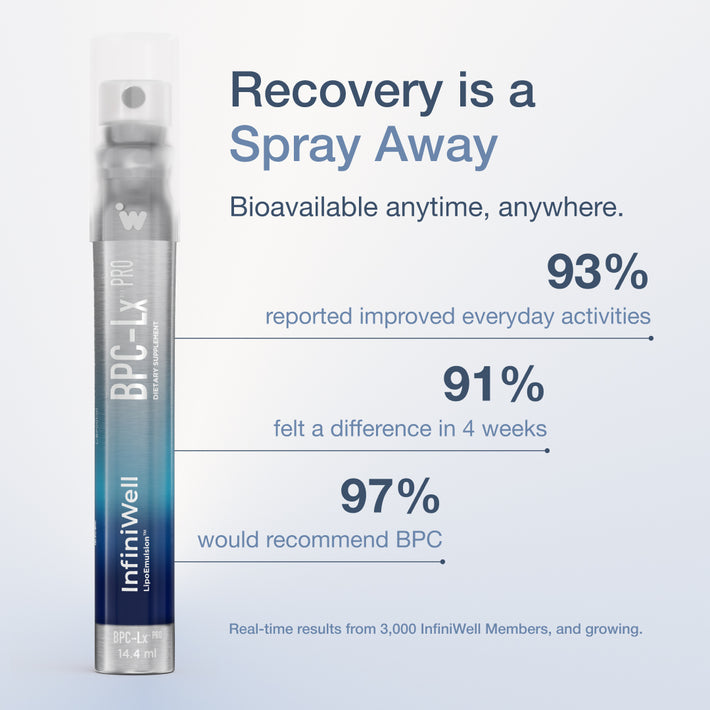
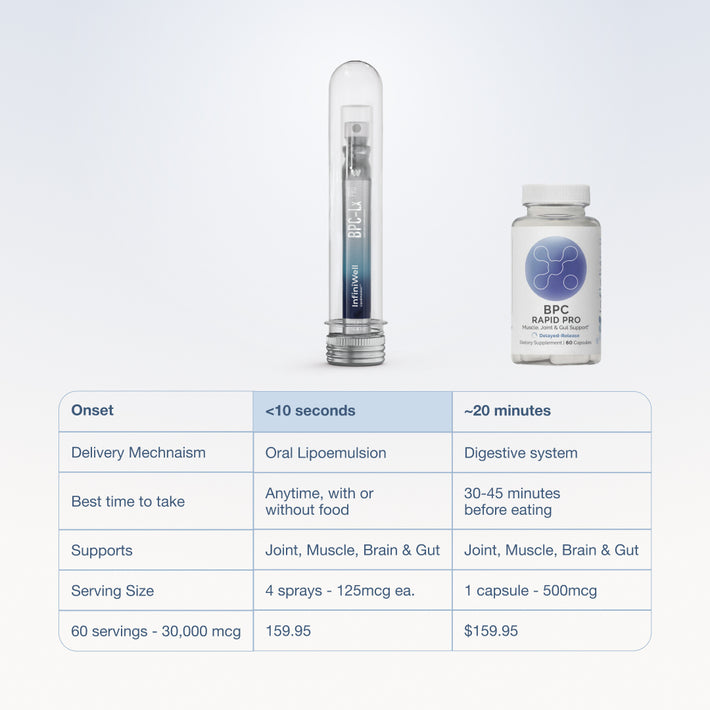
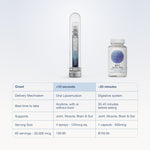
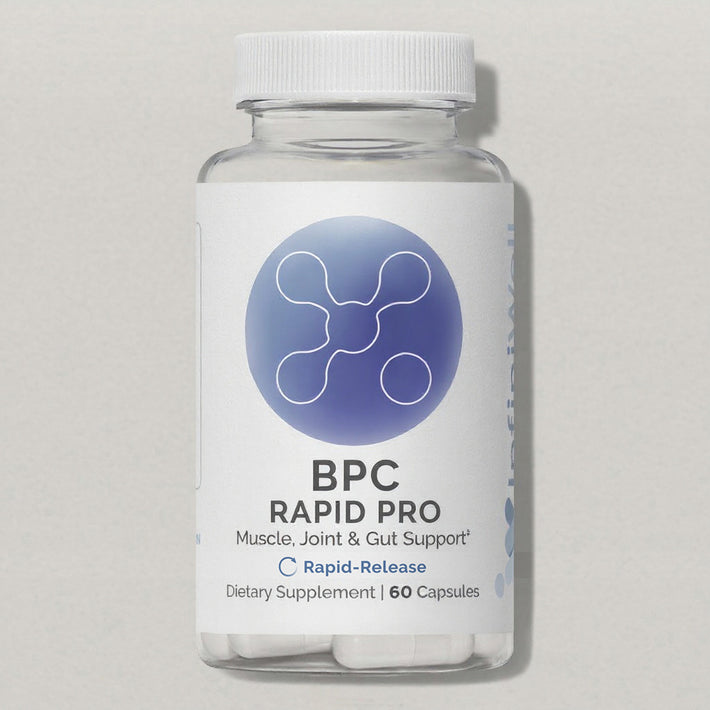
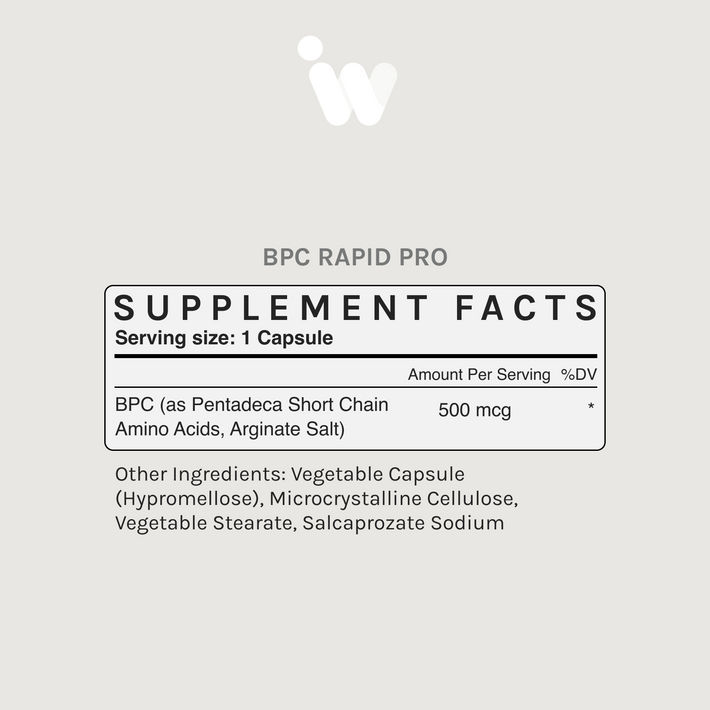
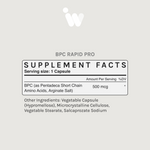
InfiniWell's oral BPC products, which include BPC capsules and a convenient oral spray, are designed for ease of use and to support your body's natural wellness processes and normal tissue function.
Why choose InfiniWell's BPC?
-
Convenience: Oral capsules eliminate the need for injections, making peptides accessible and straightforward.
-
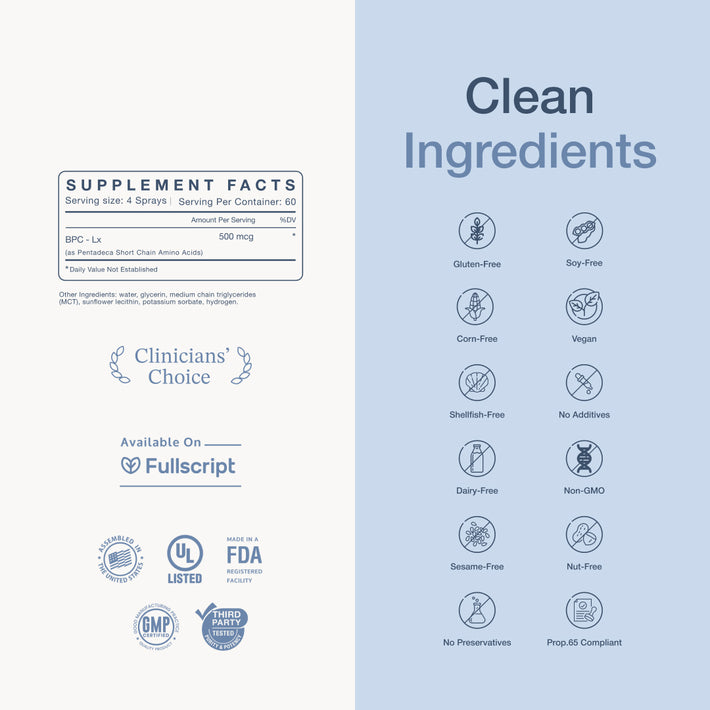
High quality: Our products are backed by scientific research, and we ensure they meet rigorous purity and safety standards.
-
Targeted benefits: InfiniWell BPC products are specifically formulated to support the body’s natural processes and overall wellness.
Take the first step toward unlocking the potential of peptides with InfiniWell's trusted solution.
Are peptides safe? Frequently asked questions
-
SOURCES
Products mentioned in this article


You May Also Like
View All Articles

Mitochondrial Health Supplements: A Complete Guide
Can a supplement support the tiny structures that help your cells produce energy? Explore what researchers have found about NMN, urolithin A, CoQ10, and other mitochondrial health ingredients—and where the evidence is still limited.

Longevity Supplements: Ingredients to Know for Healthy Aging
Longevity supplements are studied for specific aspects of healthy aging, but none has been shown to extend human life. This guide examines the evidence behind NMN, fisetin, Akkermansia, AC-11, and epicatechin, including what human studies have found and where research remains limited.