




































































Key takeaways
- Perimenopause is a normal biological transition. Supplements can be part of a broader wellness routine, but they're not a substitute for medical care.
- Vitamin D and magnesium support normal functions such as bone and muscle health. Individual needs vary, so professional guidance can help.
- Black cohosh and red clover have been studied during the menopausal transition, but results are mixed and these supplements may not be appropriate for everyone.
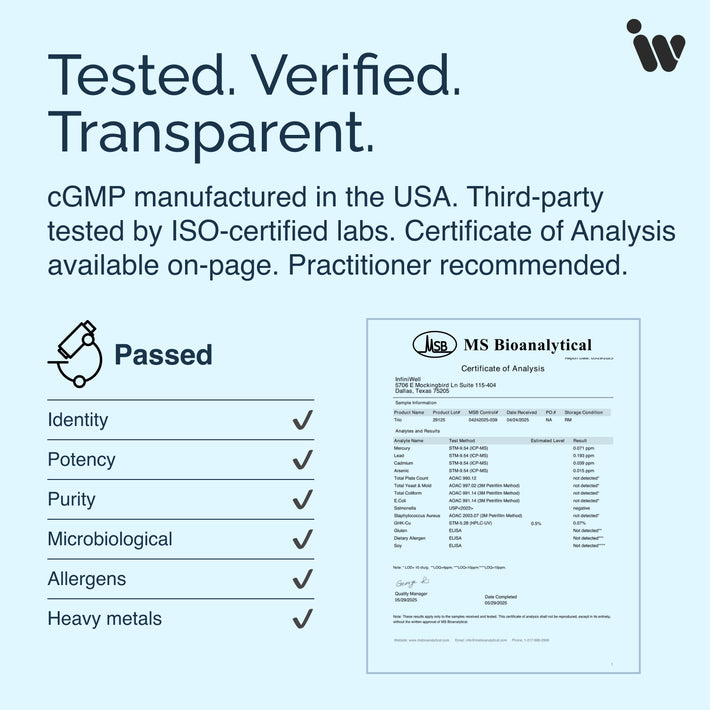
- The FDA does not review supplements for effectiveness before they're marketed. Look for clear labels and third-party testing when comparing products.
- NMN and epicatechin are studied for cellular and metabolic processes related to healthy aging, not for addressing changes associated with perimenopause.
Perimenopause is a normal stage of life, and it often overlaps with a growing interest in healthy aging, which makes supplements worth a closer look.
This guide covers nutrients and herbal supplements studied during this transition, along with ingredients such as NMN and epicatechin that are being researched for broader aspects of healthy aging.
What changes during perimenopause
Perimenopause is the stretch of years before the final menstrual period, when the ovaries gradually produce less estrogen and progesterone and hormone levels can fluctuate. Most women begin the menopause transition between ages 45 and 55, and it typically lasts several years.
The experience varies from person to person as hormone levels change. Menstrual cycles may become less predictable, and other changes during perimenopause can affect different aspects of everyday well-being.
Over the longer term, maintaining bone, cardiovascular, and overall health becomes an important part of healthy aging. Habits such as regular movement and getting enough nutrients, including calcium and vitamin D, can be part of that broader approach.
How to choose perimenopause supplements
“Perimenopause supplements” is a broad term for nutrients and herbal products marketed for use during the menopausal transition. It isn’t a standardized supplement category, and the ingredients and supporting evidence vary widely.
Before adding a supplement to your routine, consider a few things:
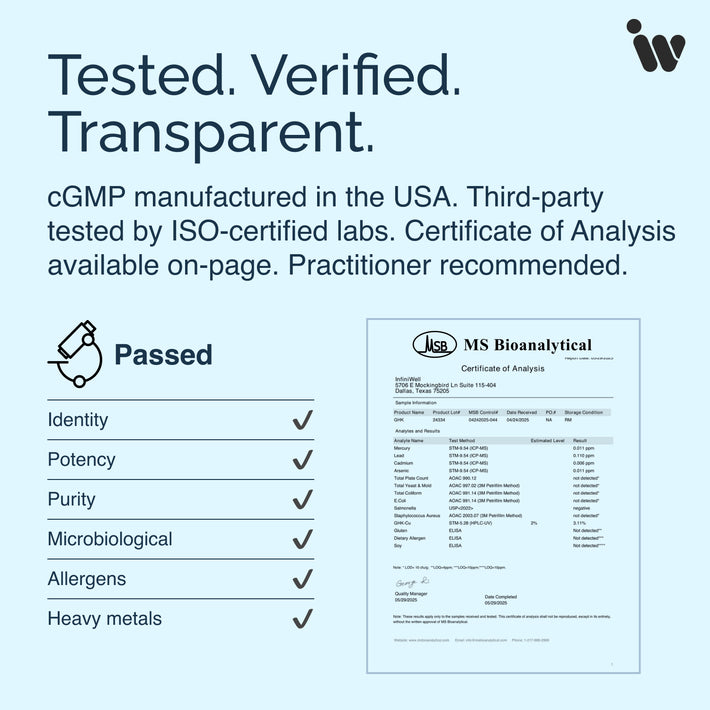
- Look at quality and transparency: The FDA does not review supplements for effectiveness before they're marketed. Look for clear labels that list ingredient amounts per serving and third-party testing when available.
- Consider the strength of the research: Evidence varies considerably by ingredient, and research on some nutrients and herbal supplements is still limited or mixed. Be cautious of products promising broad or guaranteed results.
- Consider your individual needs: Supplements aren't a substitute for medical care, and what's appropriate can vary from person to person. A qualified healthcare professional can help you decide what fits your diet, lifestyle, and broader wellness routine.
Nutrients with research behind them
Some familiar nutrients have been studied in the context of midlife health and are worth understanding before looking at more specialized supplements.
Vitamin D for bone health
One of vitamin D’s key functions is supporting calcium absorption and normal bone mineralization. During midlife, getting enough vitamin D becomes part of a broader approach to supporting healthy bones. Individual needs vary, so a healthcare professional can help determine whether supplementation is appropriate.
Magnesium and normal body function
Magnesium supports many basic functions in the body, including nerve signaling and normal muscle movement. It has also been studied in relation to sleep.
A review of magnesium and sleep found some potentially positive results in older adults, but the researchers considered the available evidence low quality. More research is needed to understand whether magnesium supplementation has meaningful effects on sleep.
Omega-3s for brain health
Omega-3 fatty acids, particularly EPA and DHA, play important roles throughout the body and have been studied across several aspects of healthy aging.
A 2025 review discusses omega-3 fatty acids during the menopause transition but notes limitations in the available research. Fatty fish is a dietary source of EPA and DHA, making food a practical place to start when considering omega-3 intake.
Herbal ingredients commonly studied in perimenopause
Several plant-based ingredients have been studied during the menopause transition, but findings aren't consistent. Black cohosh and phytoestrogens are among the most common examples.
Black cohosh
Black cohosh has been widely studied for its potential role in menopause, but research findings are mixed. A review of black cohosh research found insufficient evidence to support its use during menopause. Talk with a qualified healthcare professional before adding black cohosh to your routine.
Red clover and other phytoestrogens
Phytoestrogens are plant-based compounds that can interact with estrogen receptors in the body. Red clover is rich in isoflavones, one type of phytoestrogen that has been studied in menopause research. A meta-analysis of red clover trials reported some positive findings, although results varied across studies and study duration.
Soy isoflavones have also been studied in this context. A meta-analysis of soy isoflavones reported positive findings for some outcomes, while a broader review of phytoestrogen research describes the overall evidence as inconsistent.
Because phytoestrogen supplements can have estrogen-like effects, talk with a qualified healthcare professional before adding one to your routine.
Healthy aging beyond perimenopause
Perimenopause often arrives during a stage of life when healthy aging becomes a greater consideration. Research in this broader field looks at areas such as NAD+ metabolism, cellular senescence, and the gut microbiome. These areas are studied in the context of aging rather than perimenopause specifically, an important distinction when considering supplements.
For a wider look at this research, see our broader anti-aging overview.
Here’s how ingredients found in several InfiniWell formulas connect with current healthy aging research. The studies cited below focus on those ingredients rather than the formulas as a whole.
| Ingredient/product | Area of research | What the research says |
|---|---|---|
| NMN | NAD+ metabolism and cellular energy | NMN supplementation was associated with changes in blood NAD+ levels in a 60-day human study of adults ages 40-65. |
| Epicatechin | Vascular function | A small randomized crossover study evaluated epicatechin in relation to vascular function in 20 healthy men. Broader human research remains limited. |
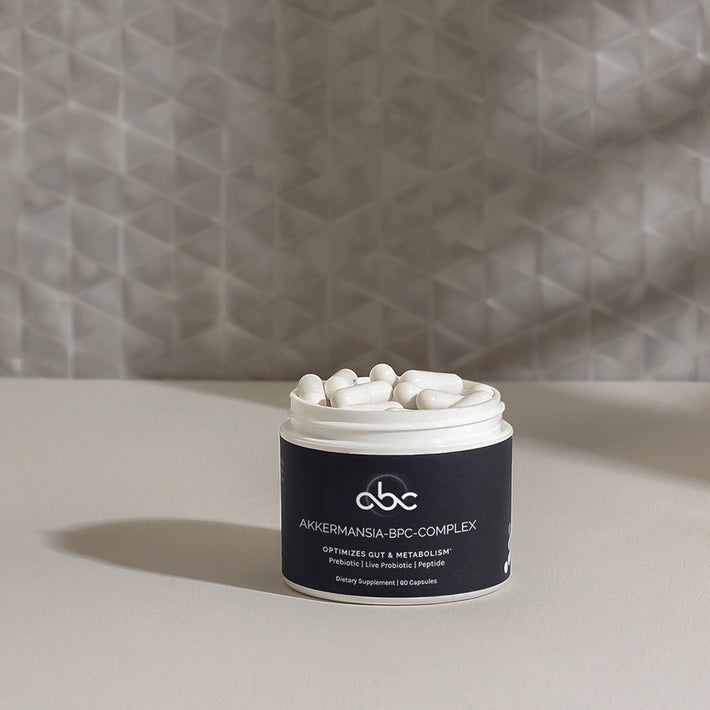
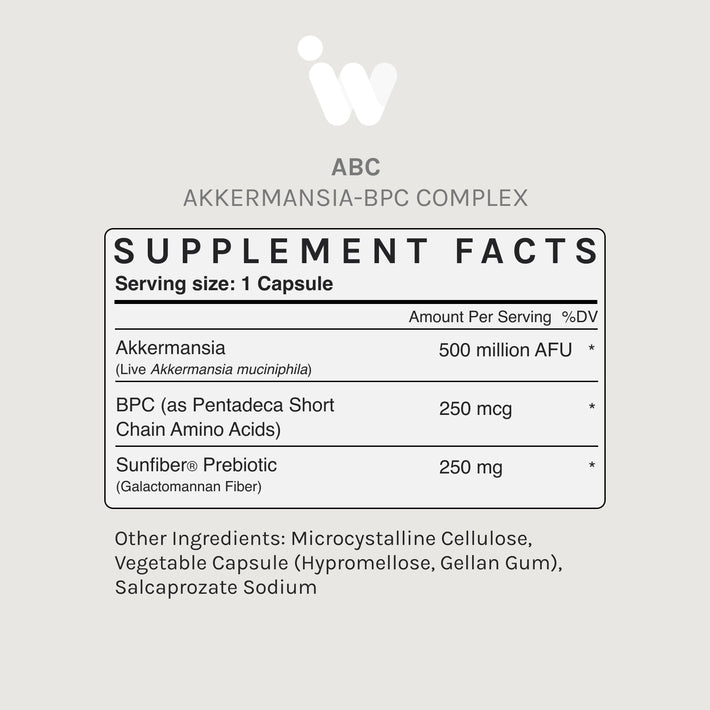
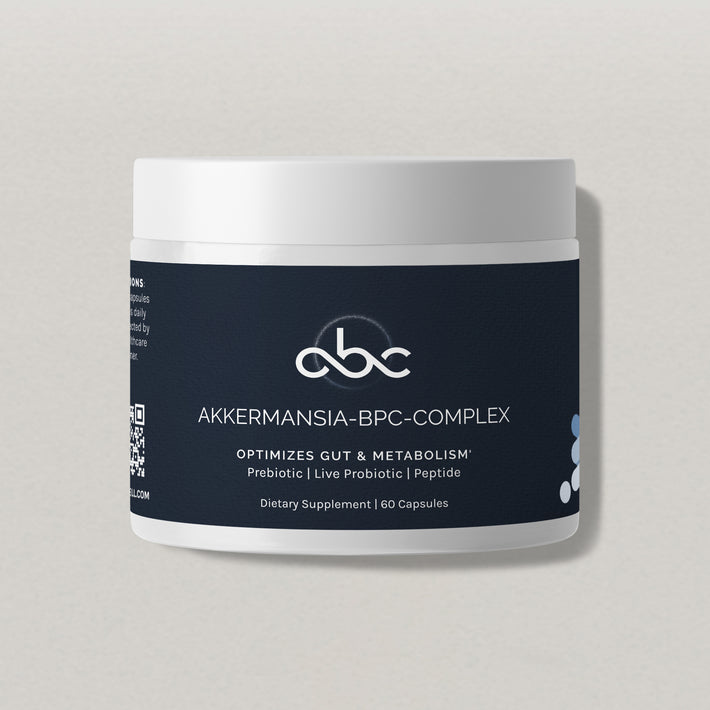
| Akkermansia | Gut microbiome research | A three-month exploratory study evaluated Akkermansia muciniphila in 40 adults, with 32 completing the trial. More human research is needed. |
| Senolytic | Cellular senescence research | Fisetin, one of the ingredients in Senolytic, has been studied in laboratory and animal models of cellular senescence. Human research is still developing. |
| DNA Prime | Cellular resilience | AC-11 is a standardized aqueous extract of Uncaria tomentosa. An eight-week human study of this type of extract included 12 adults, but the evidence remains limited. |
For a closer look at two of these areas, read our Akkermansia probiotic guide and our guide to senolytics and autophagy.
Note that the above ingredients have been studied in the broader context of healthy aging, not specifically for perimenopause. The evidence varies by ingredient, so consider the research for each one individually.
Supporting healthy aging through perimenopause
A supplement routine starts with the basics. A varied diet provides nutrients from a range of foods, while regular movement, strength training, adequate sleep, and stress management can support overall well-being through midlife.
If you decide to add supplements, consider introducing them one at a time and share your full routine with a qualified healthcare professional. Research on many ingredients discussed in this guide is still developing, and results can vary from person to person.
Ready to explore healthy aging supplements? Browse our aging and longevity collection for formulas designed to support areas such as cellular energy and gut health.
Perimenopause supplements: FAQs
-
SOURCES
Products mentioned in this article


You May Also Like
View All Articles

Mitochondrial Health Supplements: A Complete Guide
Can a supplement support the tiny structures that help your cells produce energy? Explore what researchers have found about NMN, urolithin A, CoQ10, and other mitochondrial health ingredients—and where the evidence is still limited.
Mitochondrial Health Supplements: A Complete Guide
Can a supplement support the tiny structures that help your cells produce energy? Explore what researchers have found about NMN, urolithin A, CoQ10, and other mitochondrial health ingredients—and where the evidence is still limited.