









Key takeaways
-
Research on scalp massage for hair growth is early, and the most cited study is small.
-
One 2016 study of nine healthy men linked a daily four-minute scalp massage with thicker individual strands, not more hairs or faster growth.
-
A separate study in healthy women linked regular scalp massage with lower stress hormone levels.
-
Gentle technique is what counts: use the pads of your fingertips, light pressure, and small circular motions.
-
Scalp massage is a low-risk, relaxing habit, and cosmetic scalp serums are a separate step with their own directions.
Scalp massage sits in a sweet spot of hair care advice: it feels good, it costs nothing, and it pairs easily with a topical step from InfiniWell's hair and scalp collection. Most people want to know whether it does anything for their hair or whether it's just a nice few minutes. The research is early and the effects measured so far are small, but there's a real finding or two worth knowing.
One often-cited study linked daily scalp massage with slightly thicker strands, and other work links it with lower stress hormones and a calmer feeling at the end of the day. This guide is for healthy adults across all hair types: what the studies measured, how to do it gently, and where a cosmetic scalp serum fits alongside your other hair care practices.
What does the research on scalp massage say?
A small amount of research points in a promising direction, and none of it is strong enough to promise a result. Most of the attention goes to a 2016 study published in the journal Eplasty, so it's worth looking at what that study found.
In the 2016 study, nine healthy men used a standardized scalp massager device for four minutes a day over 24 weeks. The researchers measured average hair thickness, total hair count, and growth rate on individual hair strands. By the end, average strand thickness in the massaged area rose from about 0.085 mm to 0.092 mm, a change the authors reported as significant compared with where it started.
A few other details round out the picture. Hair count dipped briefly at 12 weeks before recovering, and the growth rate didn't change in a meaningful way. The thickness in the massaged area showed no significant difference from the untouched control area the researchers tracked alongside it.
That last detail is the one most summaries skip. A change compared with a starting measurement is not the same as a change compared with a side that got no massage. Both comparisons appear in the study, and reading both is what keeps expectations realistic.
The same study also looked at scalp cells in the lab, where inducing stretching forces changed how dermal papilla cells behaved. The researchers described these standardized scalp massage results as mechanical stress reaching the subcutaneous tissue, a possible mechanism for how mechanical force on the scalp might reach the hair follicles. That is lab work, not a human result.
A separate 2019 survey of people doing twice-daily massage reported self-rated improvement, but self-reported surveys carry their own limits.
How can scalp massage support a healthy scalp?
Beyond the thickness question, scalp massage has a few supporting roles that are easier to describe plainly. These are the everyday reasons people enjoy it, and they hold up better than any growth promise.
-
Lower stress hormones: In a small study of healthy women, 34 office workers received 15- or 25-minute scalp massages twice a week for 10 weeks. The groups that got massage showed lower stress hormones, including cortisol, compared with a control group. In everyday terms, that's the kind of massage therapy people reach for when emotional stress builds up.
-
A calmer end to the day: Many people find scalp massage relaxing, and it can be a simple way to unwind. In the same study, blood pressure readings also dropped, while heart rate showed no significant change. A routine that reduces stress before bed may also support your sleep quality and mental clarity the next morning.
-
Natural oil distribution: Working the entire scalp with your fingertips helps spread the scalp's natural oils along the hair, which supports a comfortable, healthy scalp and healthier hair.
-
A clearer surface: Regular scalp massage can help loosen buildup of dead skin cells and product residue, so the surface feels fresh.
None of this depends on expensive tools or long sessions. The appeal of scalp massage is that it fits into things you already do, like washing your hair, and it adds a small moment of well being to your scalp health and overall hair health.
Does scalp massage stimulate hair growth?
This is the question people type most, so it deserves a direct answer. Researchers have explored whether scalp massage supports healthy blood circulation at the scalp, and the evidence is early. The 2016 study focused on stretching forces in scalp cells rather than on blood flow, and it didn't show more hairs or faster growth. What it did show was a small rise in hair thickness over 24 weeks.
So it's fair to say scalp massage may support a healthy scalp environment and fair to say the research doesn't promise a specific result or a set timeline. Hair grows slowly, which is why studies track it over months rather than days. If you enjoy scalp massage, treat it as a pleasant habit that may help the look of thicker hair over time, not a guaranteed fix.
How long does it take to see a difference?
Hair works on a slow cycle, so any change shows up over months, not overnight. The 2016 study ran for 24 weeks before measuring its result, and the survey research tracked people over five to six months. Consistency is the realistic goal here, with modest expectations attached.
How to massage your scalp
You don't need a technique course or a licensed massage therapist to do this well, though a professional scalp massage can be a nice treat. A simple scalp massage with your hands works for most people, and the steps are easy to remember.
Use the pads of your fingertips, never your fingernails, which can scratch or irritate the skin. Apply light pressure to moderate pressure and move in small circular motions, working across your whole head so you cover the entire scalp. Keep the touch gentle to avoid hair breakage and scalp irritation, and stop if your scalp feels sore.
Here's a straightforward way to run through a minute scalp massage at home:
-
Start at the front: Place your fingertips near your hairline and make small circular motions with gentle pressure.
-
Work backward: Move across your scalp in sections, covering the sides, crown, and back so no area is missed.
-
Keep it brief: A few minutes is plenty. The 2016 study used four minutes a day, and longer sessions haven't been shown to do more.
-
Add it to your wash: You can gently massage your scalp while shampooing, which makes regular scalp massage easy to keep up as part of a daily routine.
How often should you massage your scalp?
Gentle daily massage is fine for most people as long as it feels comfortable. The research that looked at hair used daily sessions, so there's no reason to go longer or press harder in search of a faster result. Light and consistent beats hard and occasional.
Tools and oils for scalp massage
Your hands are all you need, but some people like a little help. A handheld scalp massager is an option if you prefer a tool, and brushes or soft silicone tips can feel good across the scalp. The 2016 study happened to use a device, which doesn't mean a tool outperforms fingertips. It simply means that's what those researchers tested.
A few practical notes on massage tools keep the experience comfortable:
-
Choose soft tips: Silicone or rubber tips are gentler than hard plastic and less likely to tug.
-
Use a light hand: Hard tips plus heavy pressure can pull or tangle hair and irritate the scalp.
-
Keep it clean: Rinse and dry your scalp massager between uses so the surface stays fresh.
If you like to add essential oils, you can mix a drop or two with a carrier oil. Some early animal research has looked at lavender oil and peppermint oils, and argan oil is a popular carrier for its feel. Do a small patch test first, since any new oil can cause a reaction on sensitive skin. Oils are optional, and this is about comfort rather than a growth claim.
Where cosmetic scalp serums fit in
Scalp massage is a habit. A cosmetic scalp serum is a separate step with its own purpose, and the two shouldn't be bundled into one promise. InfiniWell's hair and scalp collection is a good place to start if you want to pair your routine with a topical serum made for scalp care.
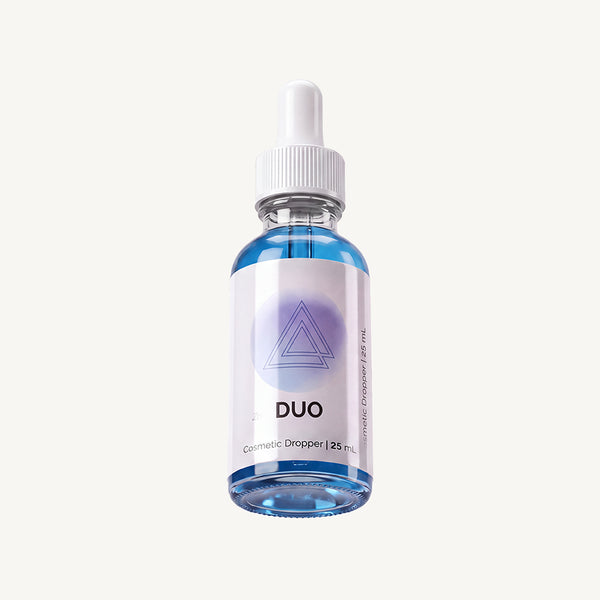
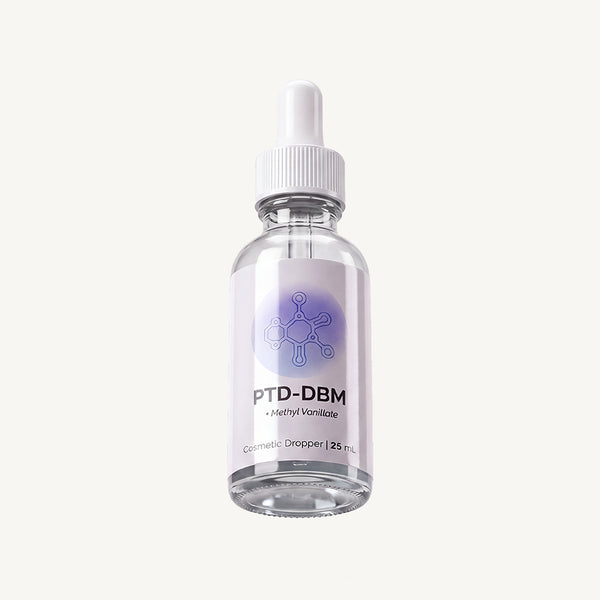
Within that collection, DUO scalp serum combines GHK-Cu with zinc thymulin, and PTD-DBM with methyl vanillate is another cosmetic topical. Both are formulated as scalp care that supports the appearance of fuller, thicker-looking hair. If you're comparing options, our guide on how to compare scalp serums walks through what to look at, and our overview of peptides for scalp wellness covers the broader category.
One point worth keeping straight: massage doesn't increase how much a serum absorbs, and the massage study's results don't transfer to any serum. Follow each product's own label directions, and let scalp massage be the relaxing part of the routine rather than a way to multiply a result.
Add scalp massage to your scalp care routine
Scalp massage is an easy, low-risk habit that feels good and may support the look of healthier hair over time. The research is early, the one small study linked daily massage with slightly thicker strands, and the stress-lowering side is the most consistent finding so far.
Keep the pressure light, keep it regular, and enjoy the few quiet minutes it gives you. When you're ready to pair it with a topical step, browse InfiniWell's hair and scalp collection and read each product's directions before you start.
Scalp massage for hair growth: FAQs
-
SOURCES
Products mentioned in this article
You May Also Like
View All Articles

Hair Density vs. Thickness: What's the Difference?
Hair density is how many strands you have, and hair thickness is how wide each strand is. They sound similar, but they're two different things, and mixing them up leads to the wrong styling and product choices. Here's how to tell them apart and work with what you've got.