























Key takeaways
-
Cold plunges are just one of many wellness practices people use to support their overall routine. If ice baths aren't appealing, other approaches may be easier to incorporate consistently.
-
Building an effective at-home wellness routine often comes down to sustainable habits such as regular movement, quality sleep, stress management, and proper nutrition. Consistency tends to count for more than any single wellness practice.
-
Ingredients such as Bacopa, HMB, IMMUSE, DHH-B, and CaloriBurn GP® have attracted research interest for their potential roles in supporting various aspects of wellness. Research is ongoing, and results can vary from person to person.
-
Alternatives like contrast showers and warm water therapy may offer a more approachable way to explore temperature-based wellness practices without investing in a cold plunge setup.
-
Many people combine lifestyle habits, temperature-based practices, and dietary supplements to create a routine that works for their preferences and schedule.
Cold plunges, as unpleasant as they may seem, have become a popular wellness practice, thanks to the body's response to cold temperatures.
Derived from ancient Scandinavian traditions, cold exposure can trigger a range of reactions within the body, including vasoconstriction (the narrowing of blood vessels) and the release of neurotransmitters and hormones.
Early research suggests cold exposure may support general well-being, including sleep quality and stress management, though research is still evolving.
Cold plunges are only one way to pursue overall wellness. For those who prefer not to spend time in icy water, several other habits and beneficial ingredients may help support similar goals.
Cold therapy today: Ice baths, plunge tubs, and at-home setups
This practice, rooted in both ancient and contemporary wellness, is commonly associated with wellness goals, such as:
-
General wellness support
-
Support for an active lifestyle
-
Mental clarity support
Today, cold water immersion therapy has surged in popularity among athletes, wellness enthusiasts, and everyday fitness fans. With affordable options like inflatable cold plunge tubs now widely available, this practice has become more accessible than ever.
Still, cold plunging isn't the only way to build a wellness routine at home. Depending on your goals, other approaches may be easier, more comfortable, and less expensive to maintain consistently.
Building an at-home wellness routine without a cold plunge
Cold plunges may be one of the most talked-about wellness trends today, but long-term wellness typically comes from consistent daily habits rather than a single practice.
For many people, an at-home wellness routine may include:
-
Regular movement and exercise
-
Stress management practices
-
Nutrient-dense foods
-
Targeted dietary supplements
-
Hot or contrast showers
The best approach is often the one you can maintain consistently over time.
5 cold therapy alternatives backed by science

For those who want similar benefits but would rather enjoy the warmth of a hot tub than endure freezing cold water, there are other approaches worth exploring.
Here are five science-backed alternatives to cold plunges:
Bacopa
Bacopa is an herb commonly used in traditional Ayurvedic medicine and is often studied for its potential role in cognitive function.
Emerging research suggests Bacopa may support:
-
Mood
-
Cognitive function
-
Healthy aging pathways
HMB
Beta-hydroxy-beta-methylbutyrate (HMB) is a metabolite of the amino acid leucine.
Research has explored its potential role in helping maintain lean muscle mass, particularly for people in regular training or who maintain an active lifestyle. Research is ongoing.
IMMUSE
Another noteworthy cold plunge alternative, IMMUSE is a proprietary postbiotic ingredient derived from Lactococcus lactis, a beneficial bacterium commonly used in food fermentation.
Unlike probiotics, postbiotics do not contain live microorganisms. Instead, they consist of beneficial compounds produced during the fermentation process.
Research on Lactococcus lactis strain Plasma, the postbiotic ingredient used in IMMUSE, has explored its potential role in supporting healthy immune function and overall wellness.
DHH-B
Dihydrohonokiol-B (DHH-B) is a compound derived from magnolia bark that has been studied for its potential to support relaxation and stress management.
Some individuals include ingredients like DHH-B in their wellness routines for:
-
Relaxation
-
A balanced mood
-
Emotional well-being
-
Everyday stress management
CaloriBurn GP
CaloriBurn GP is a standardized extract of grains of paradise (Aframomum melegueta), a spice in the ginger family. Early research on grains of paradise extract has explored its potential to support metabolic health by influencing the body's natural metabolic processes. Research remains ongoing.
People who include CaloriBurn GP in their wellness routines often look to it for:
-
Metabolic health
-
Healthy energy utilization
-
Overall wellness goals when combined with healthy lifestyle habits
Cold plunge alternatives at a glance
Cold plunge tub
-
Wellness goal: General wellness, mental clarity
-
Approximate cost: $300–$5,000+ (inflatable to permanent setup)
-
Convenience: Lower (requires setup and upkeep)
Contrast showers
-
Wellness goal: Temperature-based wellness
-
Approximate cost: Free with an existing shower
-
Convenience: High (pairs easily with a daily routine)
Bacopa (in Calm)
-
Wellness goal: Focus and mental clarity
-
Approximate cost: $79.95 ($67.96 with subscription)
-
Convenience: High (daily capsule)
HMB (in Strength)
-
Wellness goal: Active lifestyle support
-
Approximate cost: $79.95 ($67.96 with subscription)
-
Convenience: High (daily capsule)
IMMUSE (in GI Prime)
-
Wellness goal: Everyday immune support
-
Approximate cost: $89.95 ($76.46 with subscription)
-
Convenience: High (daily capsule)
DHH-B
-
Wellness goal: Relaxation and stress support
-
Approximate cost: $69.95 ($59.46 with subscription)
-
Convenience: High (daily capsule)
CaloriBurn GP® (in IgNIGHT or Control)
-
Wellness goal: Metabolic health support
-
Approximate cost: $59.95 (IgNIGHT) or $89.95 (Control)
-
Convenience: High (daily capsule)
Contrast showers and warm water therapy
If you're searching for a cold therapy alternative at home, contrast showers may be worth exploring. Contrast showers alternate between warm and cool water, while warm water therapy focuses entirely on heat.
Many people enjoy these approaches because they can be incorporated into an existing routine without purchasing a plunge tub or filling a bathtub with ice.
Although they create a different experience than cold plunging, they may offer a more approachable option for individuals who want to experiment with temperature-based wellness practices.
As with any temperature-based wellness practice, it's a good idea to talk with a qualified healthcare professional before incorporating contrast showers or warm water therapy into your routine, especially if you have any cardiovascular or circulatory considerations.
Supplement-based wellness support
Some people also choose to support their wellness routines with dietary supplements. Supplements aren't replacements for cold therapy, but they can complement a broader wellness-focused lifestyle.
Examples include:
NMN
Early research has explored NMN for its potential role in supporting cellular energy pathways and healthy aging. Research remains ongoing.
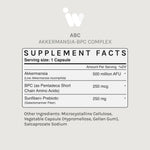
Akkermansia
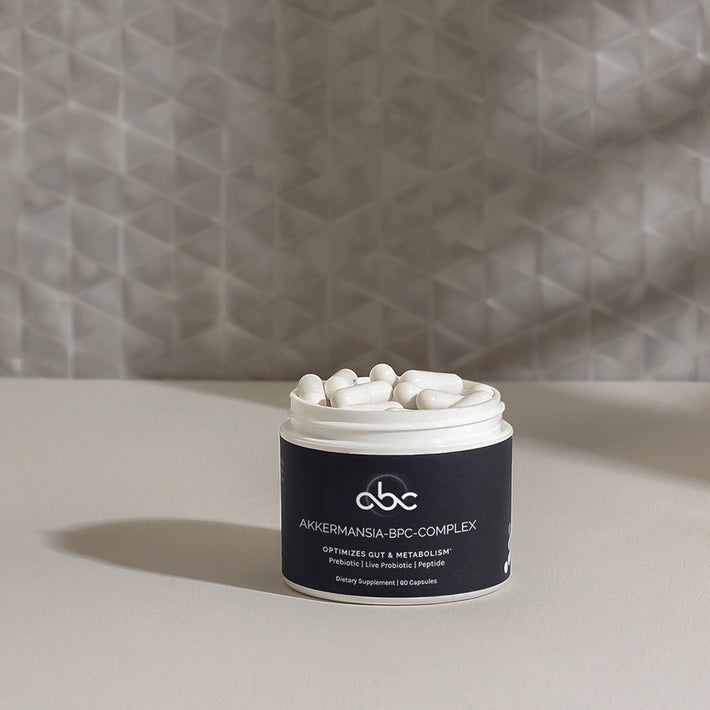
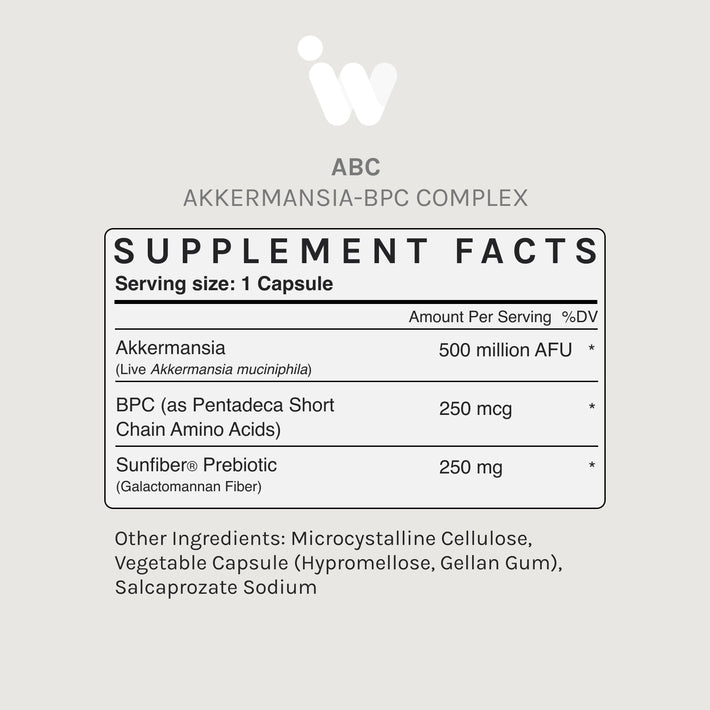
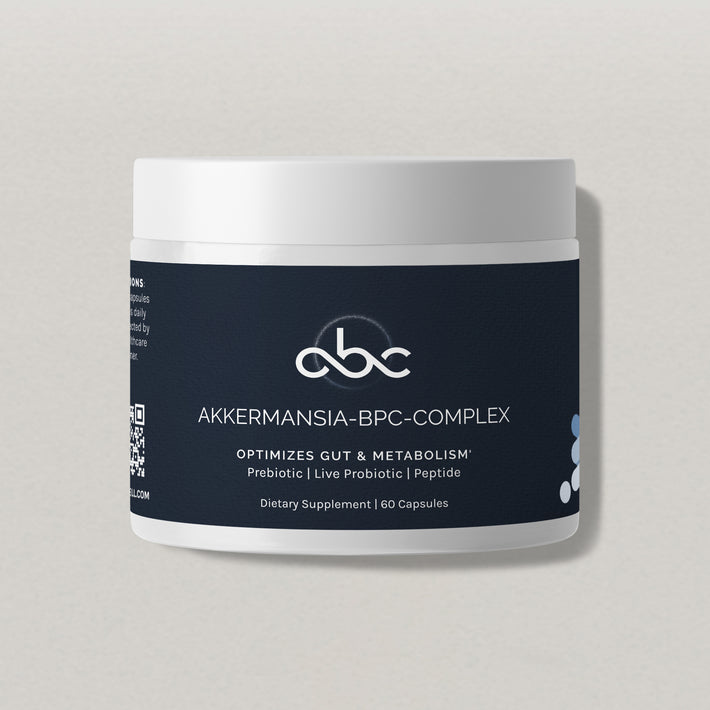
Akkermansia is often included in wellness routines focused on gut health and may support overall well-being.
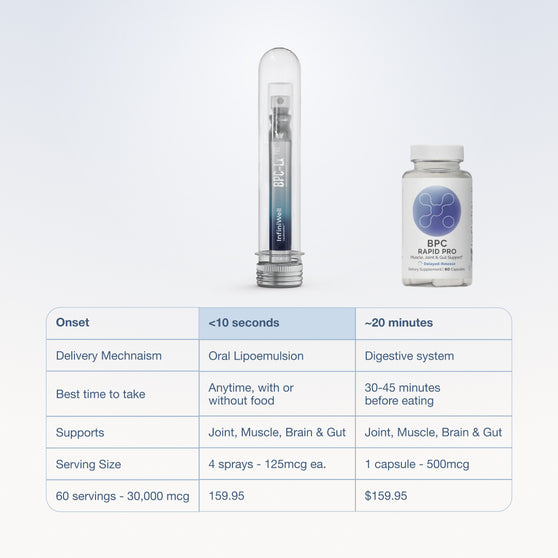
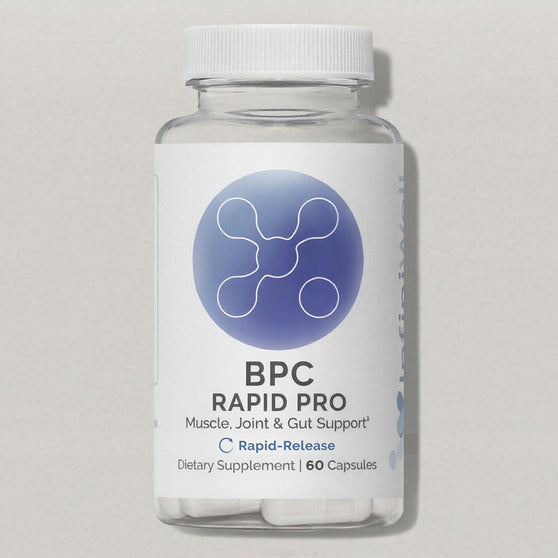
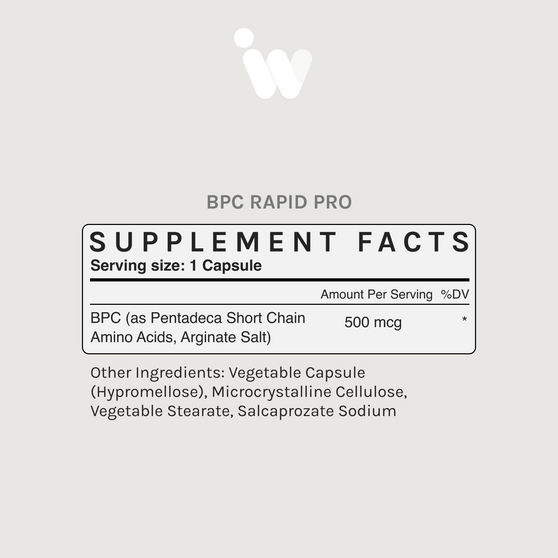
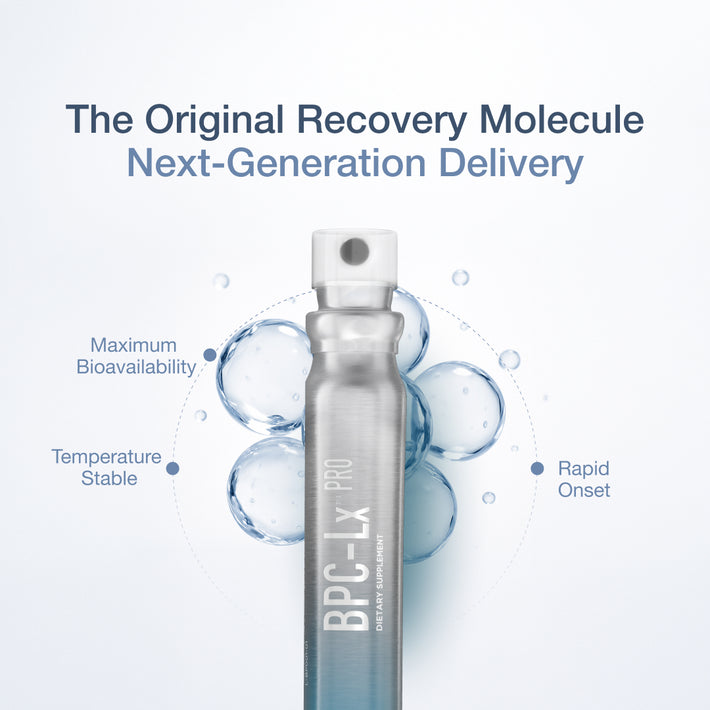
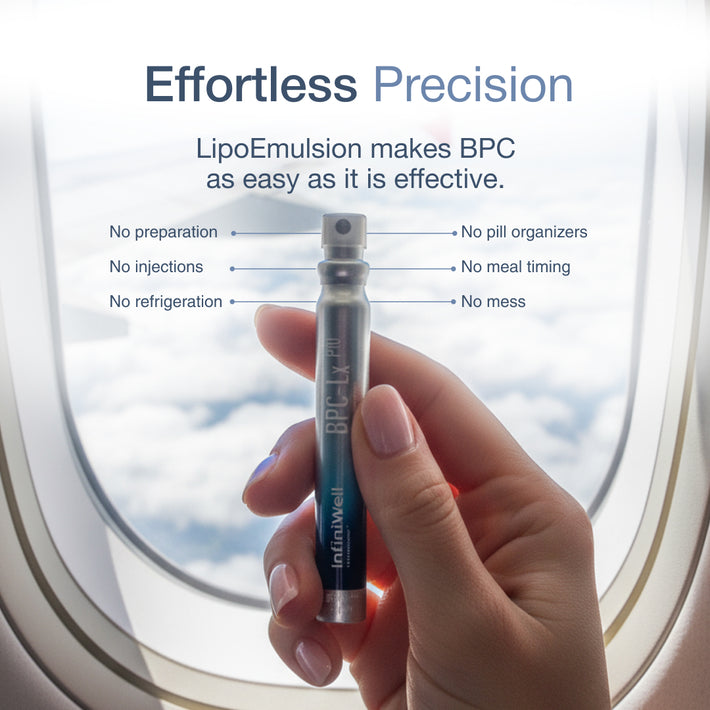
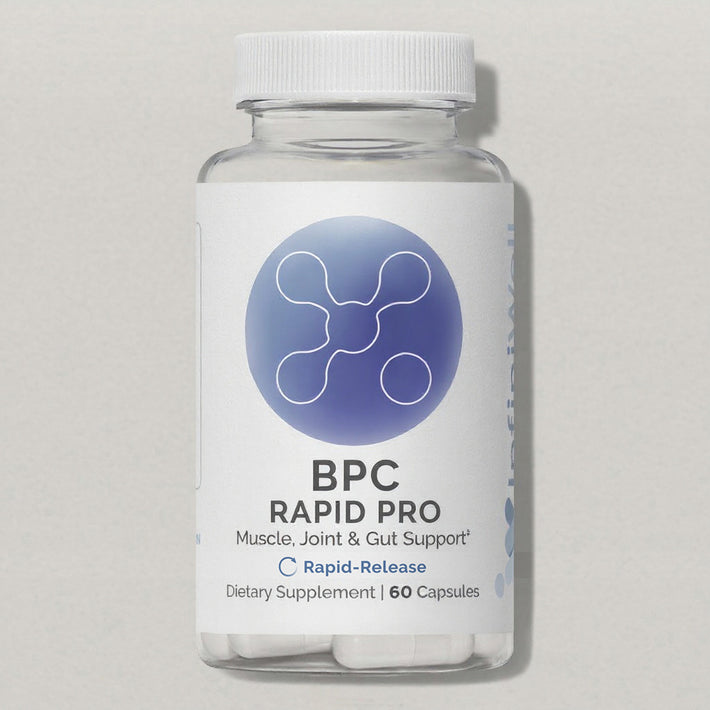
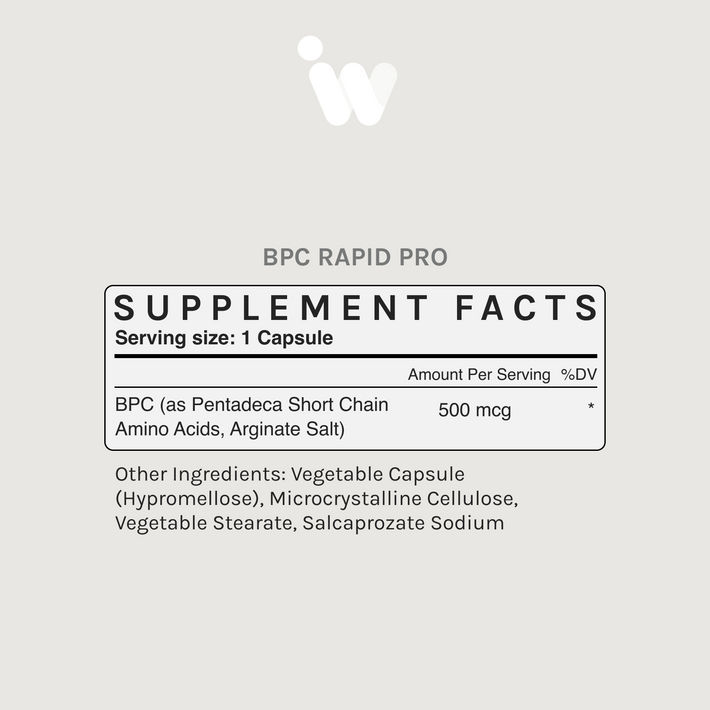
BPC Rapid Pro
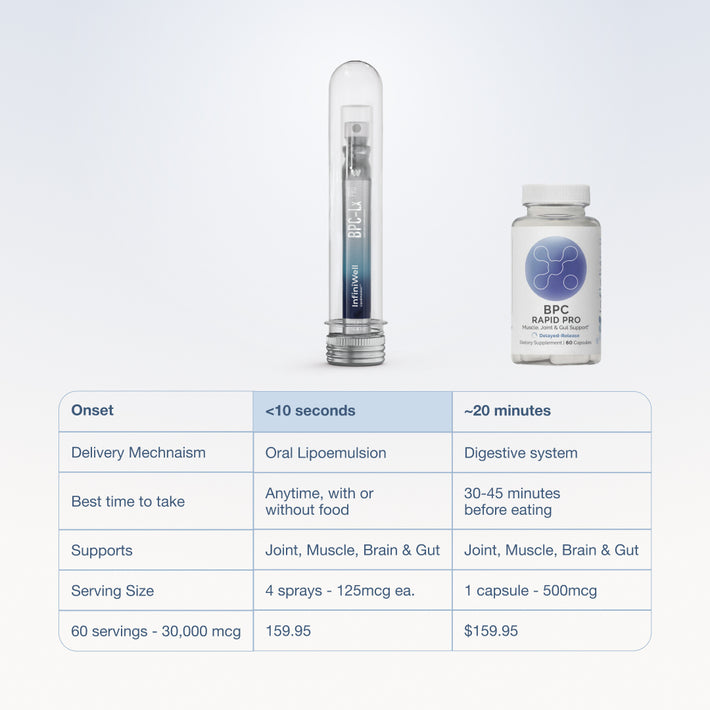
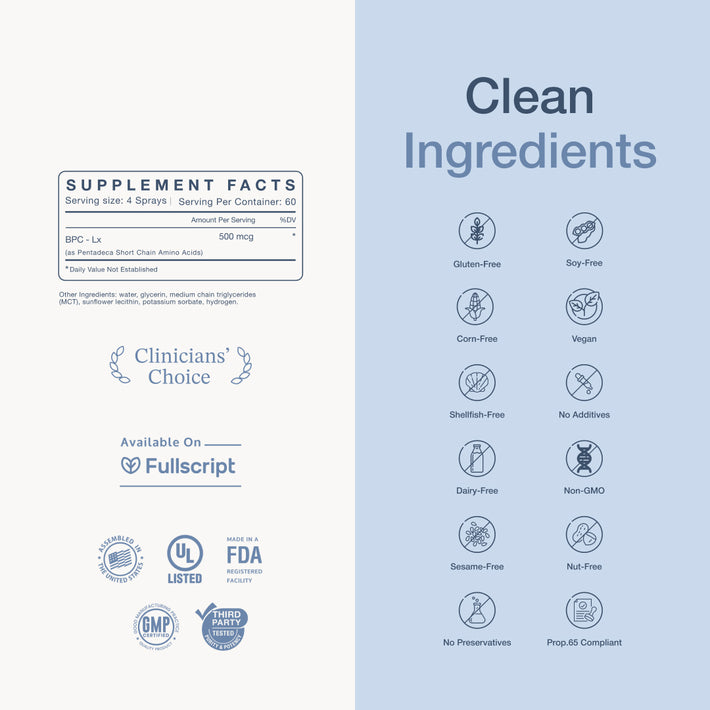
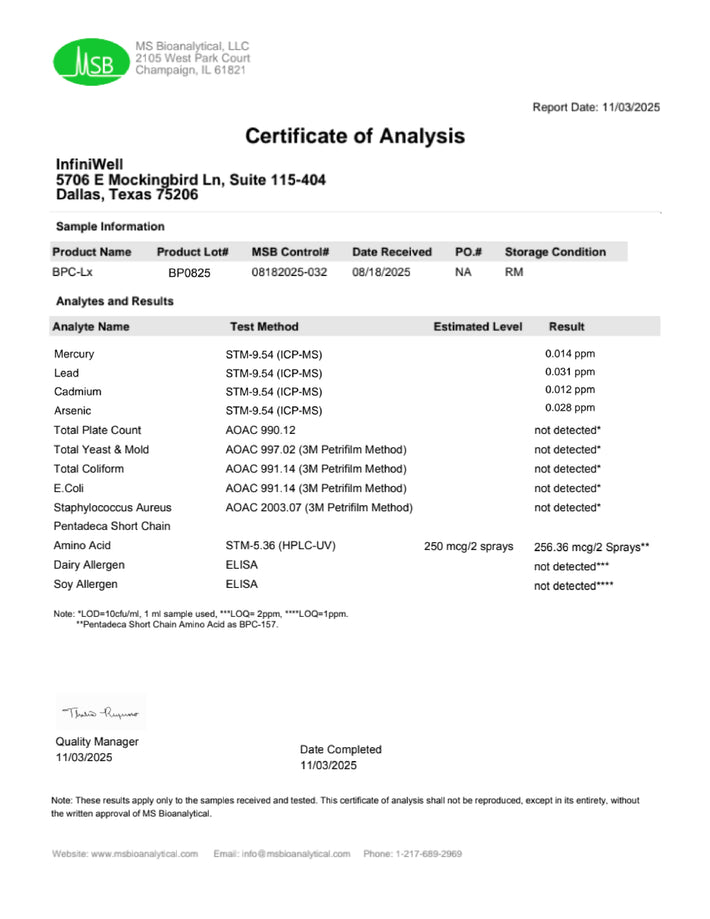
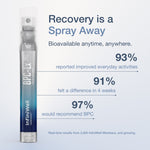
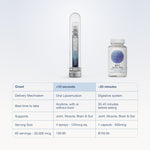
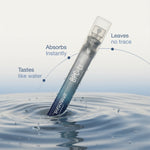
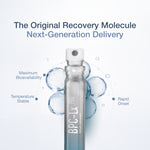
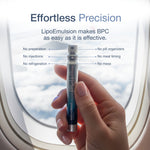
Some individuals incorporate BPC Rapid Pro into their daily wellness routines as part of a broader approach to maintaining an active lifestyle and supporting overall well-being.
If you're new to oral peptides, our guide to introducing peptides into your routine covers the basics, and our walkthrough on building a morning wellness routine explores ways to incorporate wellness habits into your day.
Skipping the ice, keeping the wellness
Cold plunges have become a popular wellness practice, thanks to the way the body responds to cold temperatures, but they're far from the only option.
Whether you're drawn to CaloriBurn GP® for metabolic health support, IMMUSE for everyday immune support, or Bacopa for focus and mental clarity, these alternatives offer approachable ways to support your wellness goals without the discomfort of an ice bath. Contrast showers, warm water therapy, daily movement, and wellness-focused supplements all give you ways to build a routine that fits your preferences and lifestyle.
The best wellness routine is usually the one you can keep up with. Focus on sustainable habits, explore the approaches that fit your goals, and talk to a qualified healthcare professional before starting any new supplement.
Explore InfiniWell's wellness-focused supplements and find the warm, simple alternatives that fit your routine.

Alternatives to a cold plunge: FAQs
-
SOURCES
You May Also Like
View All Articles

Hope Molecules 101: What Are They & How You Can Make More
Hope molecules are natural mood boosters your muscles release during exercise—supporting brain health, mental clarity, and healthy aging. Learn how to activate them and feel better every day.
Hope Molecules 101: What Are They & How You Can Make More
Hope molecules are natural mood boosters your muscles release during exercise—supporting brain health, mental clarity, and healthy aging. Learn how to activate them and feel better every day.