



































































Key takeaways
-
Nitric oxide is a short-lived signaling molecule involved in healthy vascular function and circulation. Nitric oxide supplements provide ingredients the body can use to support natural nitric oxide production.
-
L-arginine, L-citrulline, and dietary nitrate from foods like beetroot are the three main precursors used in nitric oxide supplements, and each reaches the bloodstream through a slightly different route.
-
Research continues to explore how nitric oxide precursors and compounds such as epicatechin may support healthy circulation and cardiovascular wellness.
-
Formulas can differ considerably, so check the ingredient list, suggested use, and third-party testing when comparing nitric oxide supplements.
Nitric oxide is a gas naturally produced in the body that acts as a signaling molecule. One of its roles is helping blood vessels relax and widen, which supports healthy circulation.
A nitric oxide supplement doesn't contain nitric oxide itself. Instead, these supplements typically provide amino acids, plant compounds, or dietary nitrate that the body can use to produce nitric oxide.
Below, we'll look at how this process works, common nitric oxide supplement ingredients, what the research says, and what to consider when choosing a product.
How nitric oxide supports healthy circulation
Nitric oxide plays an important role in vasodilation, the natural process that allows blood vessels to widen. It acts as a signaling molecule within blood vessel walls, helping the smooth muscle—the type of muscle that automatically controls the narrowing and widening of blood vessels—relax.
This supports normal blood flow throughout the body.
What's in a nitric oxide supplement
Most nitric oxide supplements rely on ingredients that support the body's natural nitric oxide production through different pathways:
-
L-arginine is an amino acid the body's enzymes can use directly to produce nitric oxide. However, some orally consumed L-arginine is broken down in the digestive system and liver before reaching circulation.
-
L-citrulline follows an indirect route. After absorption, the body converts it into L-arginine, which can then be used to produce nitric oxide. Research examining L-citrulline and L-arginine together found higher plasma arginine levels when the two were combined than with L-arginine alone.
-
Dietary nitrate, commonly found in beetroot and other nitric oxide foods, follows a different pathway. After absorption, some nitrate returns to the mouth through the salivary glands, where bacteria on the tongue convert it to nitrite. The body can then convert nitrite into nitric oxide.
Flavonoids and other antioxidant compounds may also appear in nitric oxide formulas, although they aren't nitric oxide precursors themselves. Research suggests that some flavonoids may help support nitric oxide bioavailability in the body. Cocoa flavanols, for example, have been studied for their potential role in supporting nitric oxide availability and healthy vascular function.
Our guide to epicatechin and nitric oxide explores this relationship in more detail. InfiniWell's Epicatechin supplement is formulated for general cardiovascular and muscle wellness support.
Nitric oxide supplement ingredients at a glance
Here's a quick comparison of common nitric oxide supplement ingredients, how the body uses them, and what current research suggests.
|
Ingredient |
How it works |
What the research shows |
|
L-arginine |
Converted directly into nitric oxide by enzymes in the vessel wall |
Well-studied but oral bioavailability is limited |
|
L-citrulline |
Converted into L-arginine after absorption, bypassing some breakdown |
Studied for its role in supporting plasma arginine availability and nitric oxide production |
|
Dietary nitrate (beetroot and leafy greens) |
Converted to nitrite by oral bacteria, then to nitric oxide in the stomach |
Studied for its role in nitric oxide production and healthy vascular function |
|
Flavonoids and antioxidants |
May help support nitric oxide availability once it's produced |
Emerging research, including studies of cocoa flavanols |
Nitric oxide and physical activity
Nitric oxide has also been studied in the context of physical activity and normal muscle function. An umbrella review covering 20 systematic reviews, 180 individual studies, and more than 2,600 participants examined dietary nitrate across a range of exercise-related measures. Findings varied depending on the activity and outcome measured, and more research may help clarify these differences.
One reason researchers are interested in this area is nitric oxide's role in healthy circulation. By supporting normal blood flow, nitric oxide helps with the delivery of oxygen and nutrients throughout the body, including to muscles during physical activity.
Research is ongoing, and individual responses can vary.
Nitric oxide and healthy aging
Researchers are also exploring how nitric oxide function changes with age. Forearm blood flow testing in older and younger adults found that nitric oxide contributed less to blood vessel widening in older adults than in younger adults, suggesting that this aspect of vascular function may change with age.
Nitric oxide has also been studied in areas such as circulation and brain function, although research directly linking nitric oxide supplements to cognitive outcomes remains limited.
Choosing a nitric oxide supplement
Knowing what to look for can make it easier to compare nitric oxide supplements and find a formula that fits your wellness routine.
-
Read past the front label: Check which ingredients the product uses, the amounts listed on the Supplement Facts panel, and whether dietary nitrate comes from a clearly identified source rather than a vague blend.
-
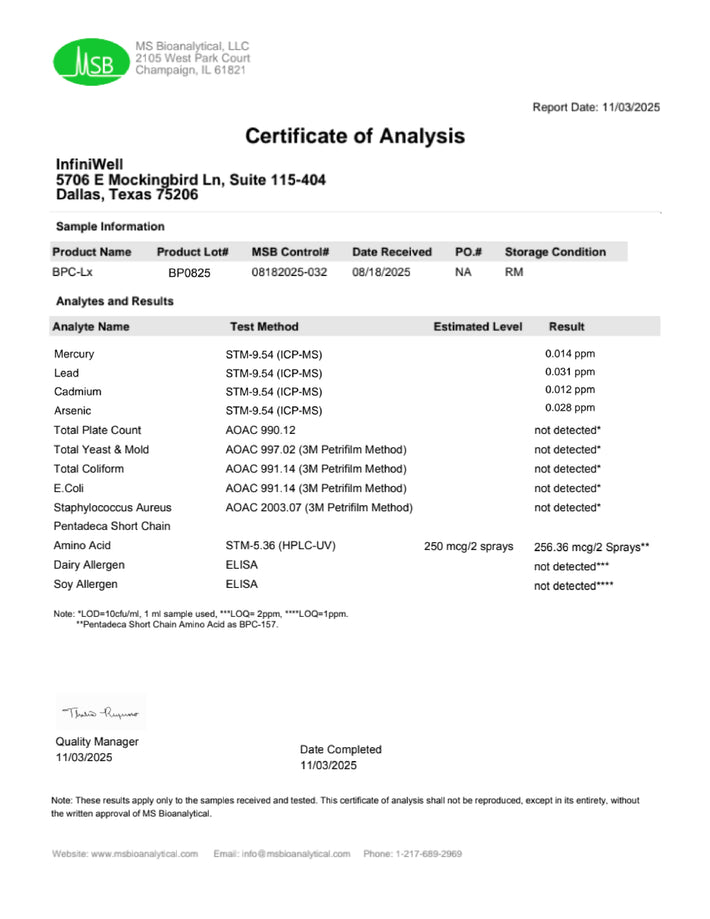
Look for third-party testing: Dietary supplements aren't reviewed by the FDA before they reach shelves, so independent lab testing can provide additional information about product quality and label accuracy.
-
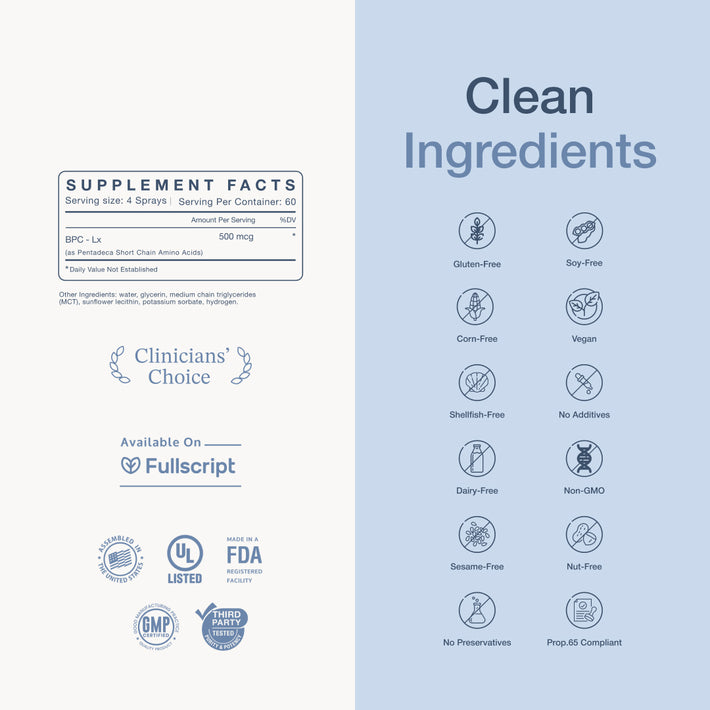
Check for what you want to avoid: Depending on your preferences, you may want a non-GMO, gluten-free, or soy-free formula or one without artificial sweeteners and unnecessary fillers.
-
Follow the suggested use: Check the product label for serving information and other manufacturer guidance.
-
Talk with a healthcare professional: This is especially important if you're pregnant or nursing, have health concerns, take medications, or use other supplements.
Because nitric oxide plays a role in healthy vascular function and circulation, it's also commonly discussed as part of the broader cardiovascular wellness picture. For more context, our guide to cardiovascular risk statistics looks at key trends and factors in the United States.
For general cardiovascular and metabolic wellness support, InfiniWell's Cardio Prime+ and other products in our cardio metabolic support collection offer options designed to complement a wellness-focused routine.
Nitric oxide supplement: FAQs
-
SOURCES


You May Also Like
View All Articles

Nitric Oxide Foods: How Your Diet Supports Healthy Circulation
Discover which foods provide compounds involved in nitric oxide production, from nitrate-rich leafy greens and beets to watermelon and cocoa. See what current research suggests about their role in healthy circulation and everyday wellness.

Biological Age vs. Chronological Age: Understanding the Difference
What’s the difference between biological age and chronological age? Learn how each is measured, what can influence biological aging, and why your daily habits may shape how your body functions over time.