

























All Posts
-
![What Is PTD-DBM? The Peptide for Hair Wellness Explained]()

What Is PTD-DBM? The Peptide for Hair Wellness Explained
Peptides like PTD-DBM are generating interest in scalp and hair wellness research because of how they interact with pathways connected to the hair growth cycle. Here’s a closer look at what current research suggests, where the science still has gaps, and how PTD-DBM compares with other peptides being explored for scalp wellness.
-
![BPC-157 Rapid Absorption vs. Delayed Release: Which Is Right for You?]()

BPC-157 Rapid Absorption vs. Delayed Release: Which Is Right for You?
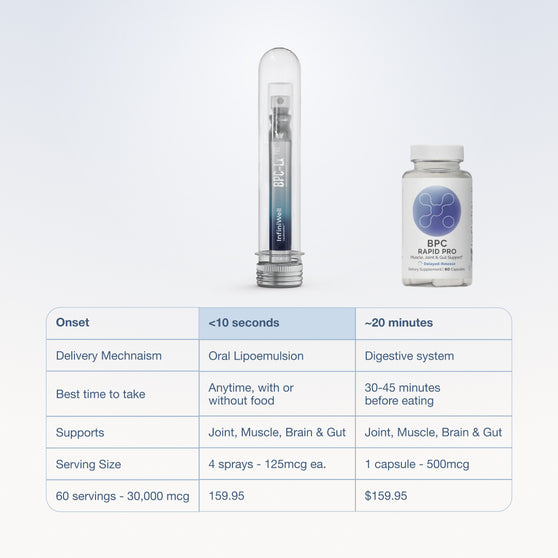
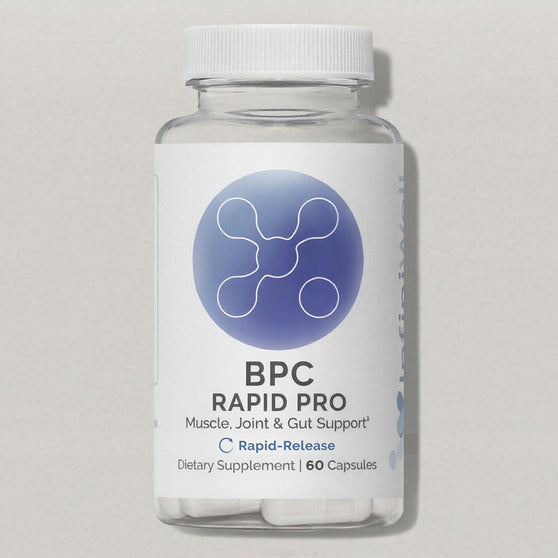
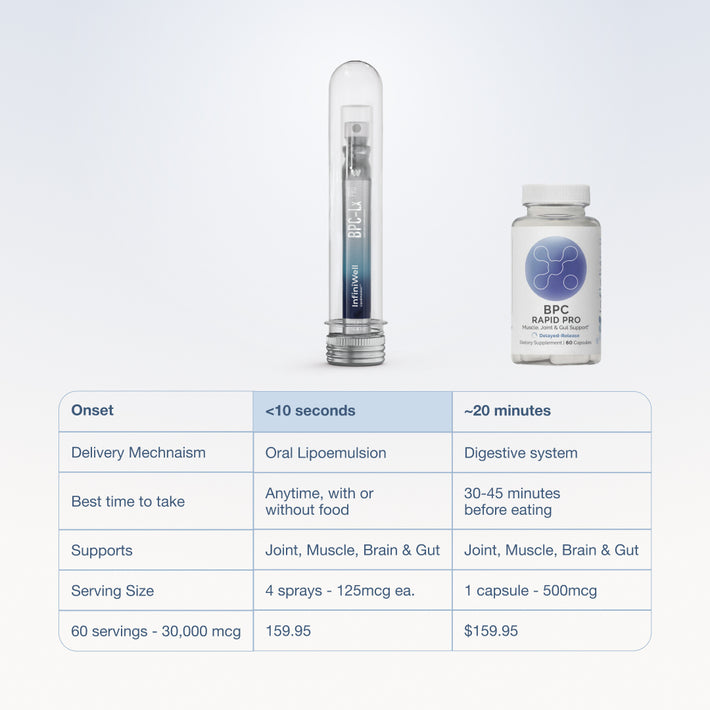
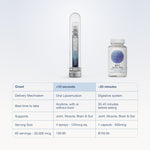
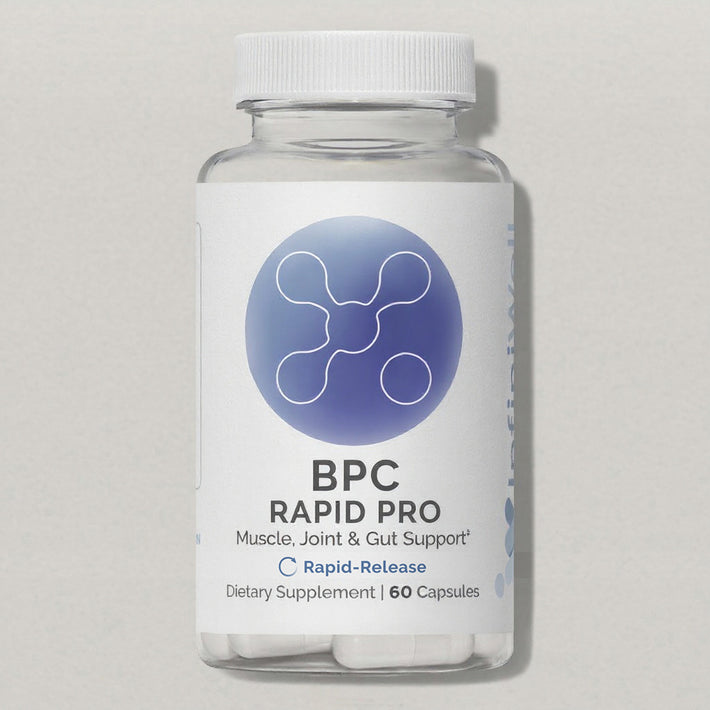
Compare rapid-release and delayed-release BPC capsules and see how the delivery method changes where the formula works in the digestive system. This guide breaks down absorption timing, digestive tract targeting, and which approach may fit different wellness goals.
-
![Peptides for Women: Types, Uses, and Key Benefits]()

Peptides for Women: Types, Uses, and Key Benefits
From skin to everyday vitality, peptides for women offer targeted support for muscle health, healthy metabolic function, and healthy aging. Learn how they work with your body to support long-term wellness.
-
![BPC-157 for Bodybuilding and Active Lifestyles: Supporting Your Wellness Routine]()

BPC-157 for Bodybuilding and Active Lifestyles: Supporting Your Wellne...
Looking into BPC for bodybuilding? Discover how this peptide may support muscle health, normal tissue function, and your overall wellness routine.
-
![The Busy Person’s Guide to Wellness: How Peptides Fit Into Your Fast-Paced Life]()

The Busy Person’s Guide to Wellness: How Peptides Fit Into Your Fast-P...
Burning the candle at both ends? Learn how peptides may support sleep, digestion, and mental clarity to help you feel your best day to day.
-
![What Is BPC-Lx Pro?]()

What Is BPC-Lx Pro?
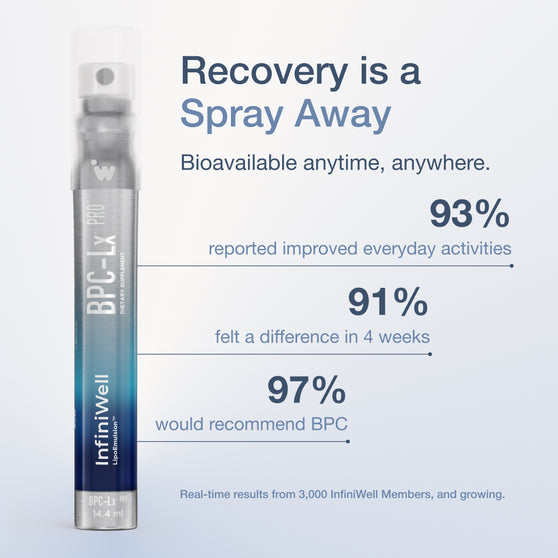
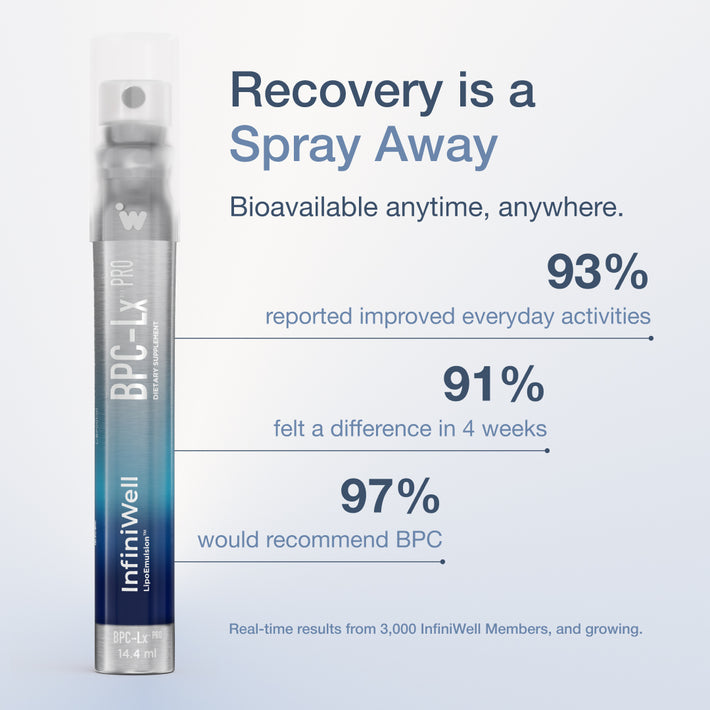
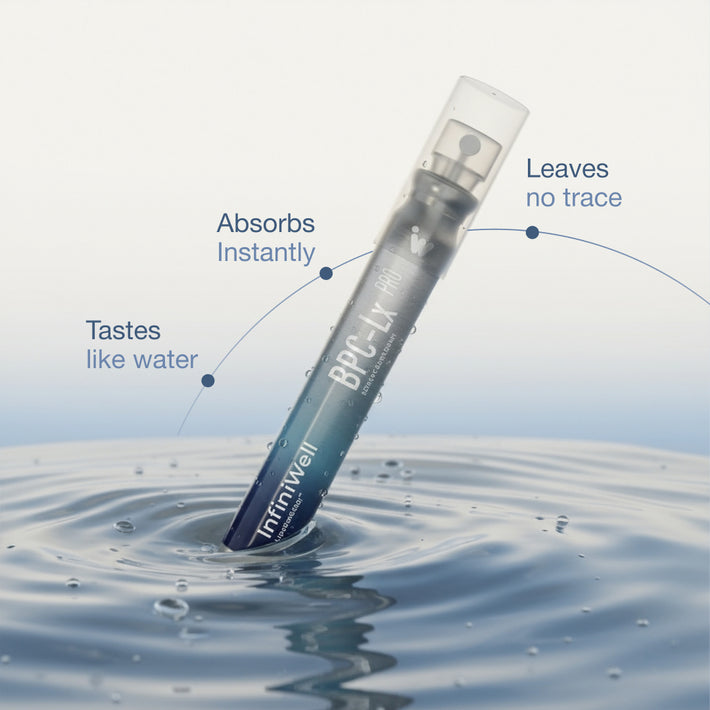
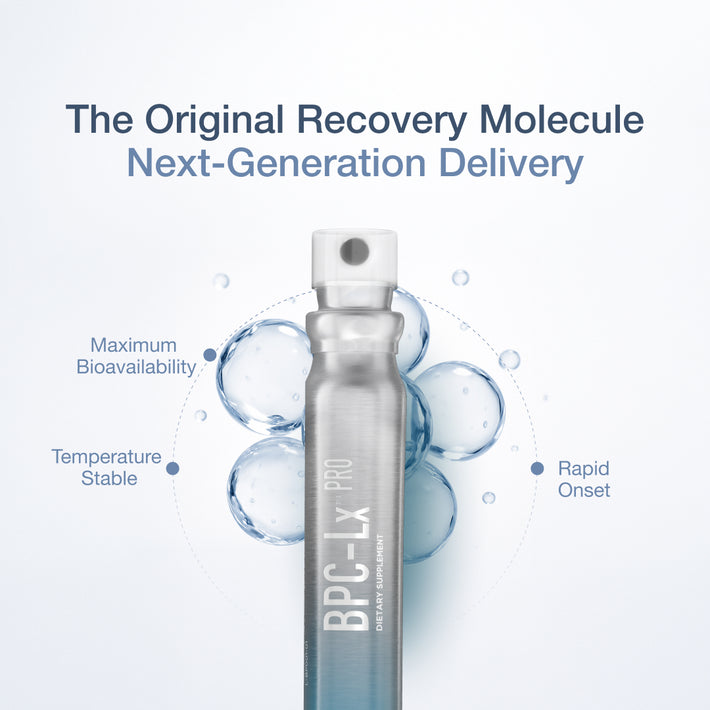
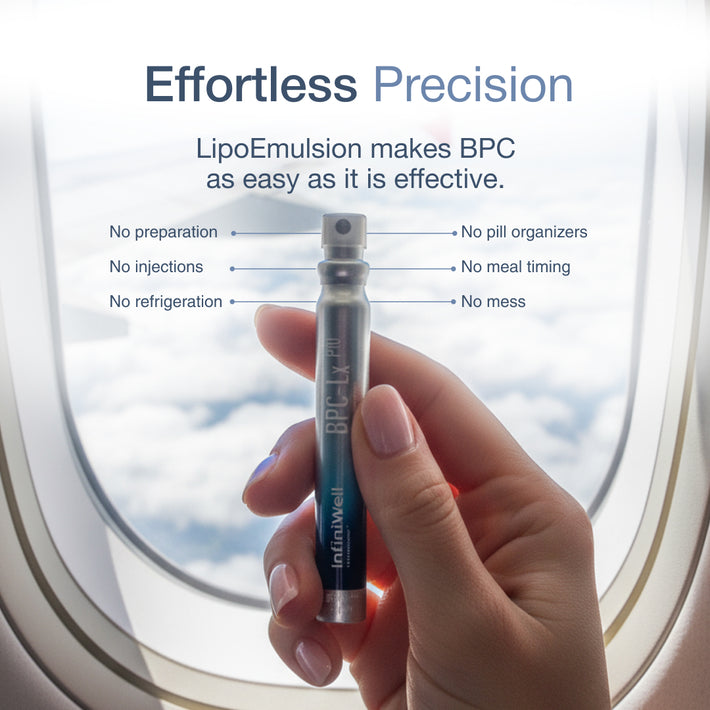
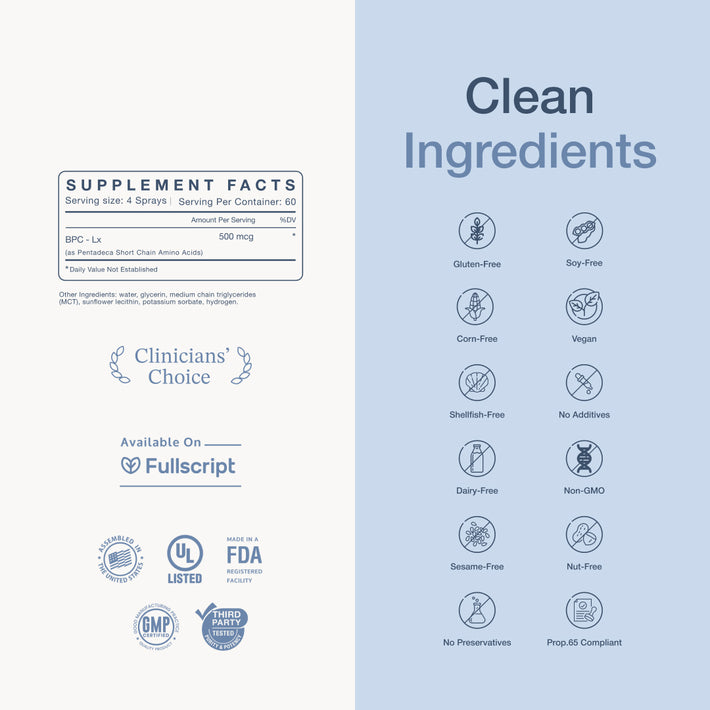
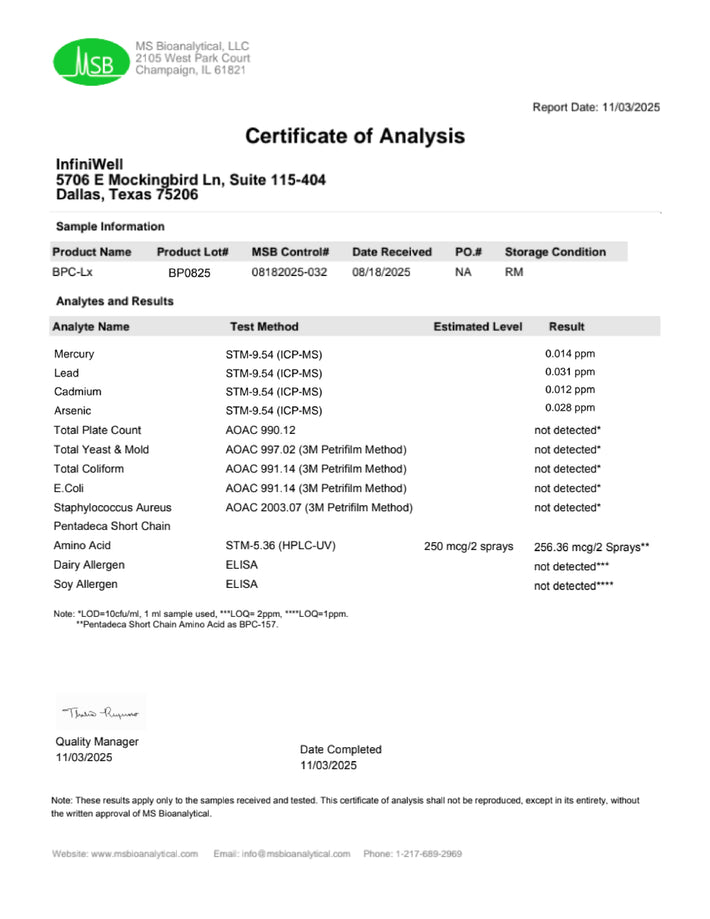
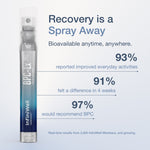
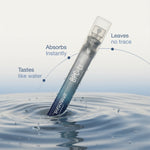
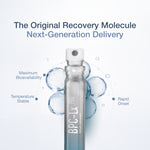
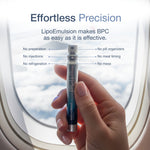
BPC-Lx Pro is InfiniWell’s fine-mist oral spray built around pentadeca short-chain amino acids. Here’s what’s in it, how it differs from capsules, and what to look for if you’re deciding whether this format fits your day-to-day.
4 min read Read More About What Is BPC-Lx Pro? -
![Skip the Ice: 5 Science-Backed Cold Plunge Alternatives]()

Skip the Ice: 5 Science-Backed Cold Plunge Alternatives
Not into freezing baths? Cold plunge alternatives may offer similar benefits for circulation, focus, and immunity. Here’s what to try instead.
-
![Combining BPC-157 with Diet and Lifestyle for Maximum Gut Health Benefits]()

Combining BPC-157 with Diet and Lifestyle for Maximum Gut Health Benefits
Support your digestion and gut lining naturally. Find out how BPC-157 works with daily habits to promote gut wellness over time.
-
![GHK-Cu and Anti-Aging Skin Care: The Science Behind How Skin Ages]()

GHK-Cu and Anti-Aging Skin Care: The Science Behind How Skin Ages
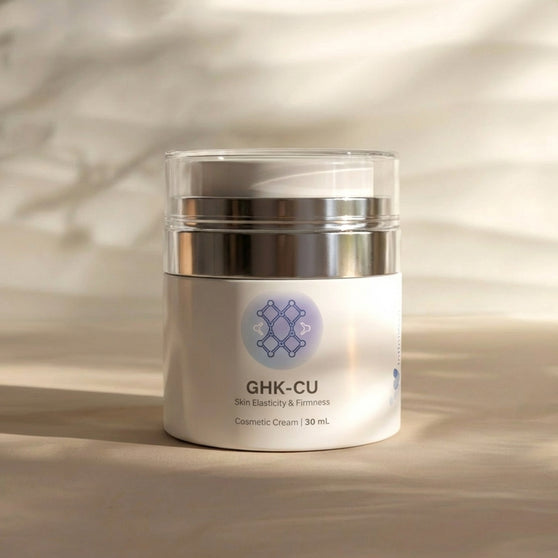
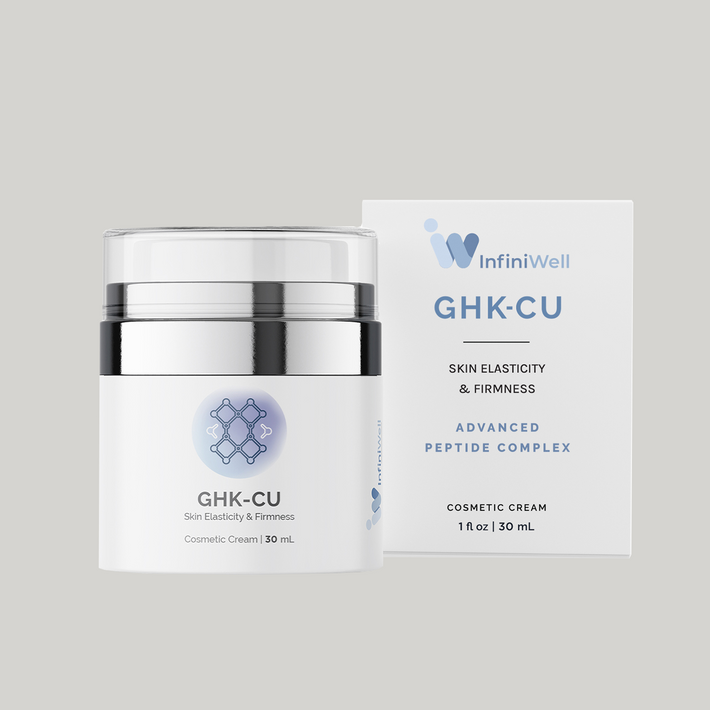
GHK-Cu peptides are gaining traction in skincare. Learn how this copper complex may support firmer, smoother, more resilient skin with consistent use.
-
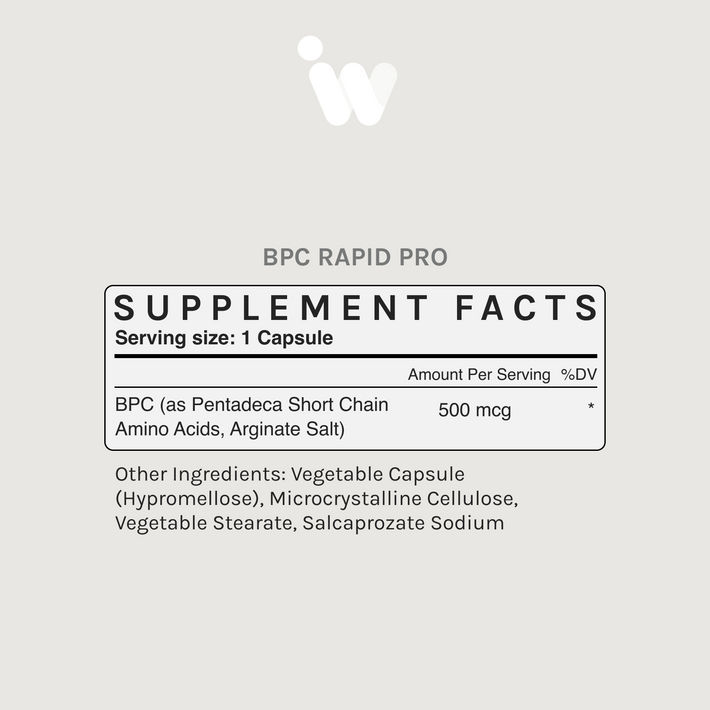
![What Is Pentadeca Arginate? Understanding Short-Chain Amino Acid Supplements]()

What Is Pentadeca Arginate? Understanding Short-Chain Amino Acid Suppl...
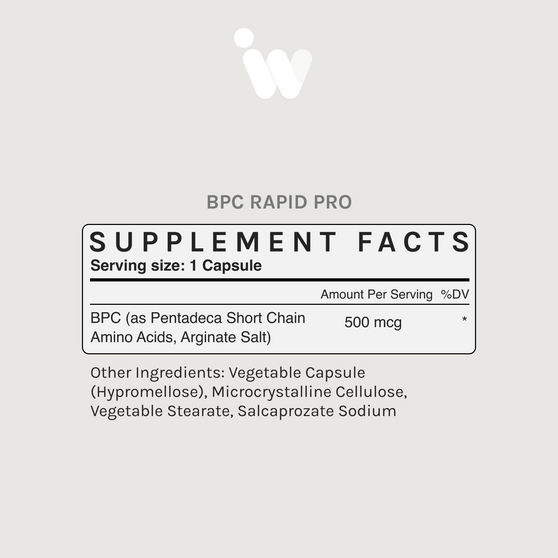
The term “pentadeca arginate” shows up across labels and research, but what does it actually mean? This guide breaks down the structure, how it compares to standard peptide formats, and what early research is starting to explore.


