



























































Key takeaways
-
Urolithin A (UA) is a compound some gut bacteria produce from plant compounds in foods such as pomegranates and walnuts. Food intake doesn’t provide a predictable amount.
-
Urolithin A is studied for mitochondrial maintenance, while NMN is a precursor to NAD+, a coenzyme involved in energy metabolism.
-
Early human trials have examined muscle function and biomarkers of mitochondrial health, with mixed results. Ingredient findings don’t establish the effects of a finished supplement.
-
NAD+ helps cells carry out energy-related reactions. Supporting this biology is different from promising that you will feel more energetic.
-
Cellular Energy Pro combines liposomal NMN with urolithin A in one formula for cellular energy support.
The natural compound urolithin A is produced by certain gut bacteria from plant compounds found in foods such as pomegranates and walnuts. It’s studied in relation to mitochondrial maintenance, including a cellular recycling process called mitophagy. It’s different from NMN, a building block your body uses to make NAD+, a coenzyme involved in energy metabolism.
Cellular energy involves more than one ingredient or process. If you already know NMN, urolithin A introduces another part of the conversation: the mitochondria where much of your cells’ usable energy is produced.
Human research is still developing, and findings from individual ingredient studies don’t establish supplement results.
This guide explains where urolithin A comes from, how it relates to mitochondrial function, and what human trials have found. It also explains the NMN and NAD+ connection so you can compare formulas with the evidence in mind.
Where does urolithin A come from?
Pomegranates, walnuts, and certain berries provide compounds called ellagitannins or ellagic acid. Some gut bacteria can convert these dietary precursors into urolithins. These bacteria are part of the human gut microbiota, the community of microorganisms in your digestive tract. The conversion varies with the gut microbiome, so eating these foods doesn’t provide a predictable amount of urolithin A.
That is why a label listing pomegranate extract is different from one listing urolithin A itself. The first supplies plant compounds, and the second identifies the metabolite directly. Neither label, by itself, tells you what a finished formula will do for you.
How does urolithin A relate to mitochondrial health?
Mitochondria are structures inside cells that help produce adenosine triphosphate (ATP), a molecule cells use to power their activities. Maintaining these structures is part of normal cellular function. This links mitochondrial activity with cellular energy production.
Mitophagy is a process cells use to remove mitochondria that no longer function properly. It’s part of mitochondrial quality control, an important aspect of cellular health, which helps maintain a working population of mitochondria. Urolithin A has been investigated in connection with this process, including in laboratory and animal research. That mechanism helps explain scientific interest in the ingredient. It’s not a promise about the effects of a particular supplement.
Laboratory findings help researchers identify possible mechanisms. Human trials must separately test whether those mechanisms translate into measurable outcomes.
For someone building a wellness routine, a useful question is how a formula approaches cellular support overall. Cellular Energy Pro pairs urolithin A with liposomal NMN, bringing the mitochondrial-health and NAD+ conversations into the same formula.
What does human research say about urolithin A benefits?
Early clinical trials have studied UA supplementation in middle-aged and older adults, including measures of muscle strength, muscle function, and mitochondrial health. The findings are promising in some areas but are not definitive.
Research in middle-aged adults
A four-month randomized trial in 88 healthy, untrained adults aged 40-64 compared 500 mg or 1,000 mg of urolithin A daily with placebo. Researchers reported favorable differences in some leg muscle strength measures. However, the primary outcome, peak power output during a cycling test, did not differ significantly from placebo.
The trial also examined muscle tissue and markers related to mitochondrial function. These findings help guide further research. Muscle strength and muscle mass are different measures, so the reported strength findings do not establish muscle growth.
Research in older adults
A randomized clinical trial in 66 adults aged 65-90 compared 1,000 mg of urolithin A daily with placebo for four months. At two months, participants receiving urolithin A completed more repeated muscle contractions in hand and leg tests than those receiving placebo. This was a secondary finding.
The primary outcomes, six-minute walking distance and maximal ATP production in hand muscle, did not differ significantly between groups at four months. Researchers also reported changes in selected biomarkers of mitochondrial health.
What these studies mean for supplement choices
These were relatively small, short trials, and both reported industry funding and author ties to the urolithin A manufacturer. Larger, independent studies would help clarify the findings.
Neither trial tested Cellular Energy Pro. The research amounts are study details, not suggested use for another formula. Differences in ingredient amounts, formulation, and delivery systems limit direct comparisons. Results may vary.
Urolithin A vs. NMN: Where NAD+ fits
NMN stands for nicotinamide mononucleotide. Your body uses it to make nicotinamide adenine dinucleotide, or NAD+. NAD+ participates in reactions that help cells process nutrients and supports other normal cellular functions.
Here’s how urolithin A, NMN, and NAD+ fit into cellular energy biology:
|
Term |
What it is |
Its place in the conversation |
|
Urolithin A |
A metabolite formed from certain plant compounds. |
Studied in relation to mitochondrial maintenance. |
|
NMN |
A precursor used to make NAD+. |
An ingredient investigated for NAD+ support. |
|
NAD+ |
A coenzyme used throughout the body. |
Participates in normal cellular energy metabolism. |
NMN is also frequently compared with nicotinamide riboside, or NR, another NAD+ precursor. Our NR vs. NMN guide explains the differences and why the human evidence does not establish a consistent winner.
What does human research say about NMN and NAD+?
In a randomized, double-blind, placebo-controlled study, 30 healthy adults were assigned to NMN or placebo. The NMN group took 250 mg daily for 12 weeks, and researchers reported significantly higher whole-blood NAD+ levels than in the placebo group.
That is a blood-biomarker finding. The trial did not establish that participants felt more energetic, and it did not test Cellular Energy Pro. Its results should not be presented as a guaranteed change in energy, muscle NAD+, or the effects of InfiniWell’s finished formula.
For a reader comparing products, the next step is to understand the purpose of an ingredient, then check the actual formula and its quality documentation. Our guide to how to choose an NMN supplement walks through the label and testing questions to ask.
Cellular Energy Pro vs. InfiniWell NMN: Which formula fits?
InfiniWell offers two formulations. InfiniWell NMN combines NMN with resveratrol and pterostilbene. Cellular Energy Pro (CEP) combines liposomal NMN and urolithin A. The difference is the formulation, not a proven ranking of results.
|
Feature |
InfiniWell NMN |
Cellular Energy Pro |
|
Listed active ingredients |
NMN, resveratrol and pterostilbene |
Liposomal NMN and urolithin A |
|
Ingredient distinction |
NMN with two polyphenols |
NMN with urolithin A |
|
Consider if |
You prefer an NMN formula with resveratrol and pterostilbene |
You want NMN and urolithin A together in one formula |
|
Explore |
Liposomal describes a formulation approach involving phospholipids. The term alone does not establish better absorption or better results than another finished product. Compare the full label, and don’t rely on delivery-system language alone.
What to check before choosing a urolithin A supplement
1. Read the whole ingredient panel
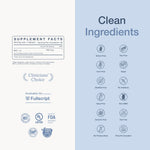
Check what is included, how the amount is stated, and how many capsules make up a serving. A familiar ingredient name on the front of a bottle is only the starting point.
If your goal is a combined formula, start with the Cellular Energy Pro ingredient panel and suggested use. If you’re comparing it with something you already take, place both labels side by side.
2. Look for meaningful testing information
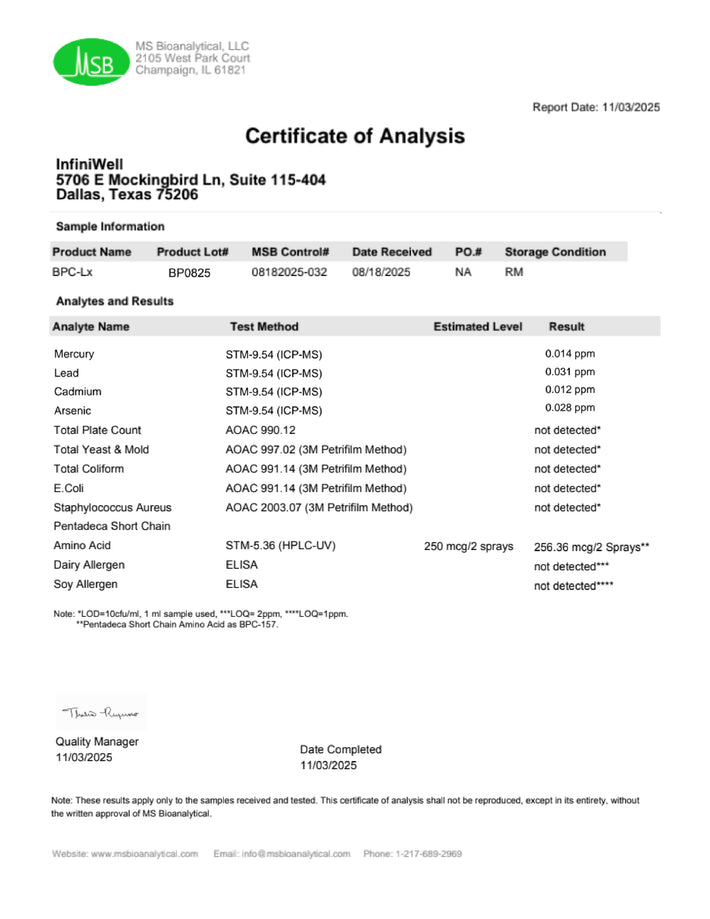
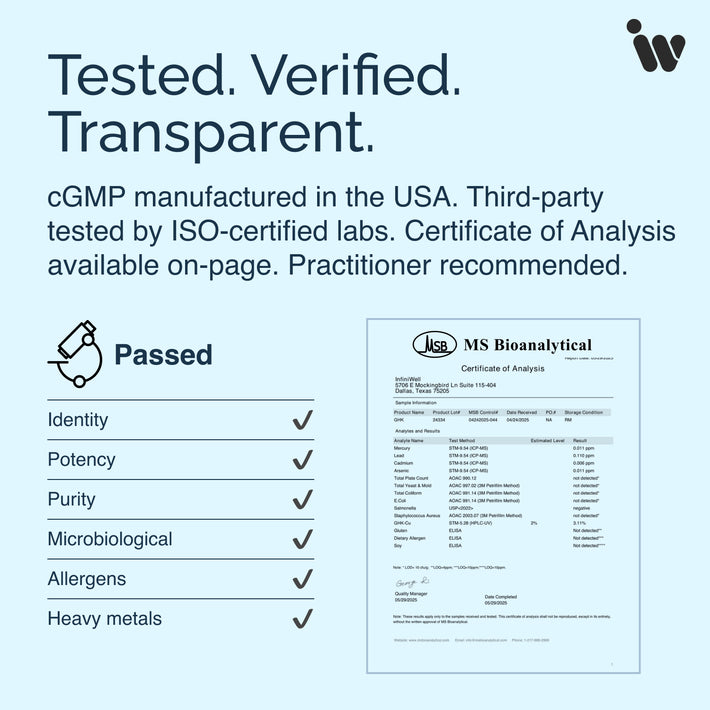
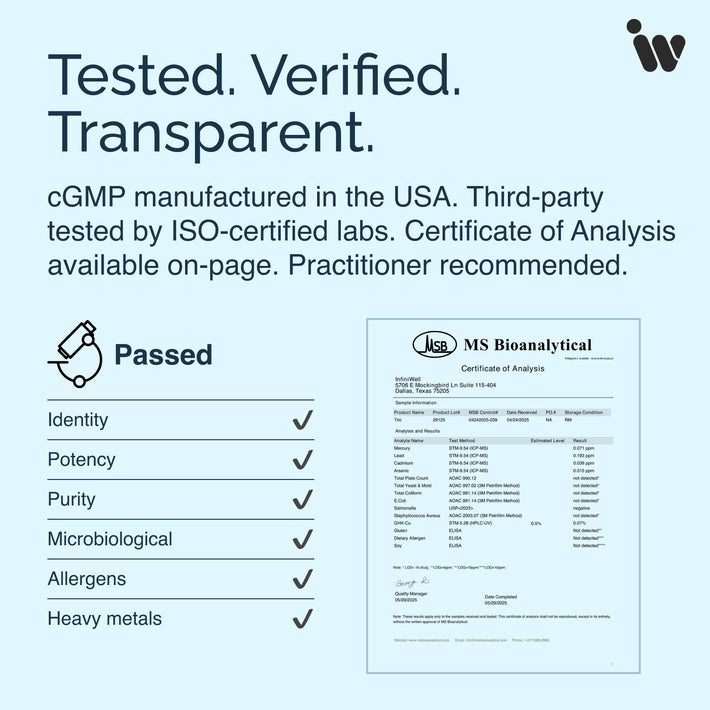
Ask whether documentation identifies the ingredient and verifies the amount, and whether relevant contaminants were tested. When a Certificate of Analysis is available, check which product or batch it covers. Testing for identity, amount, or contaminants doesn’t establish a product’s health benefits.
3. Choose a routine you can follow
Discuss your health status and current supplements with a qualified healthcare professional, and follow the product’s suggested use. Before combining CEP with another NMN-containing supplement, review the overlapping ingredients, and don’t assume you need both.
A useful comparison considers the entire routine: the formula, directions, your existing supplements, and what you want to support. More ingredients or a larger total amount are not automatically a better fit.
Building your cellular energy routine
Understanding urolithin A starts with knowing where it fits. NMN brings the NAD+ connection, while urolithin A brings a different area of mitochondrial research. That distinction makes it easier to compare the ingredients in each formula without assuming one will deliver better results.
You can also review InfiniWell’s healthy aging supplements as you plan your broader routine with a healthcare professional.
Urolithin A: FAQs
-
SOURCES
Products mentioned in this article


You May Also Like
View All Articles

Peptides for Hair Growth: A Guide to Cosmetic Scalp Care
Peptides for hair growth get discussed as if they all do the same thing, but the ingredients and the evidence differ. This guide compares GHK-Cu, zinc thymulin, and PTD-DBM as cosmetic scalp care, and explains what the research can and cannot show.

CoQ10: Benefits and Its Role in Cellular Energy
Coenzyme Q10 (CoQ10) is a compound the body makes and uses during cellular energy production. This guide explains what CoQ10 does, how ubiquinone and ubiquinol differ, what the research shows, and how to compare a CoQ10 supplement.